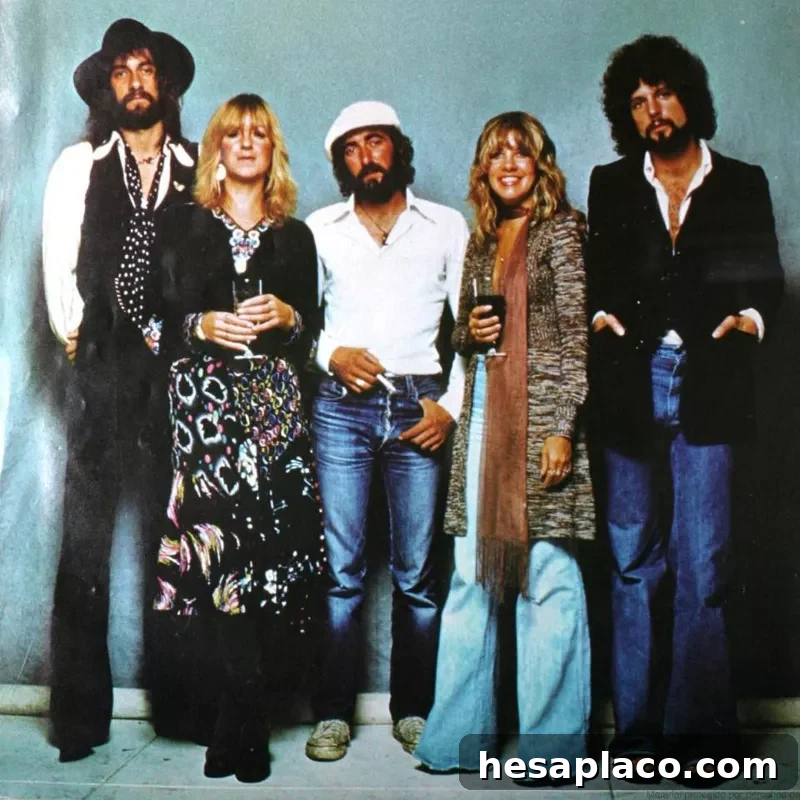
Fleetwood Mac began in 1967 as a blues-influenced rock band, but the group’s identity changed dramatically in the mid-1970s. With Christine McVie, Stevie Nicks, and Lindsey Buckingham joining Mick Fleetwood and John McVie, the band developed the harmony-rich sound, emotional songwriting, and polished rock style that turned them into one of the most successful groups in music history.
Over the decades, Fleetwood Mac has sold more than 120 million albums worldwide. Their catalog remains a cornerstone of classic rock, with songs shaped by love, heartbreak, creative tension, and the complicated personal relationships inside the band. These Fleetwood Mac songs continue to attract new generations of listeners while remaining essential favorites for longtime fans.
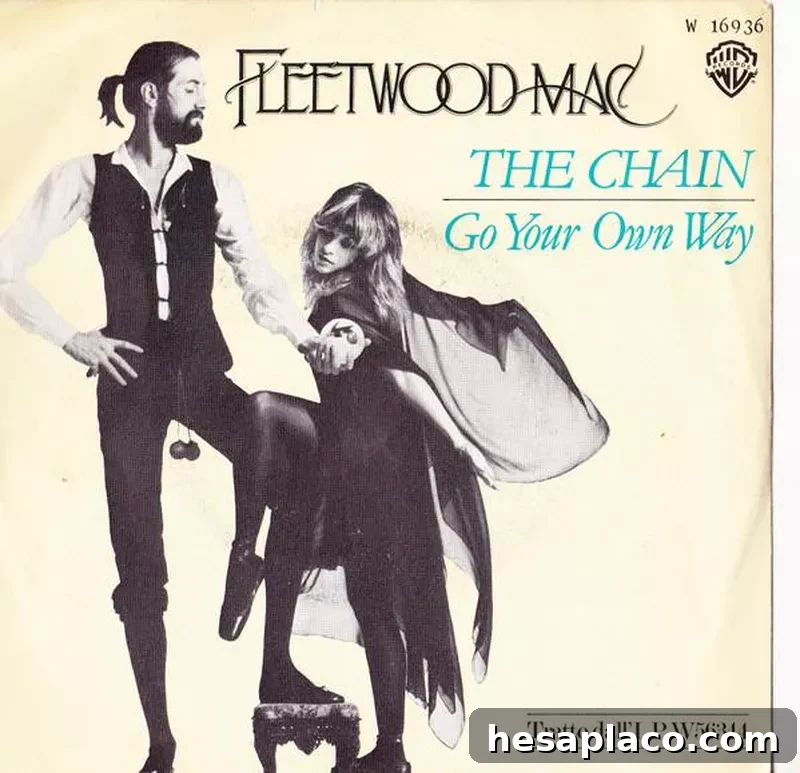
The Chain
Discogs
Year released: 1977
Album: Rumours
Bottom line: Many songs on Rumours capture the emotional fallout of the band members’ collapsing relationships, and “The Chain” is one of the clearest examples. The track was built from different studio pieces that were carefully joined together, giving it a tense, dramatic structure that still feels powerful today.
The lyrics came from Stevie Nicks, who wrote them during her breakup with Lindsey Buckingham. Nicks and Buckingham share lead vocals, adding even more emotional weight to the song. “The Chain” is also notable because it is the only track credited to all five members of Fleetwood Mac.
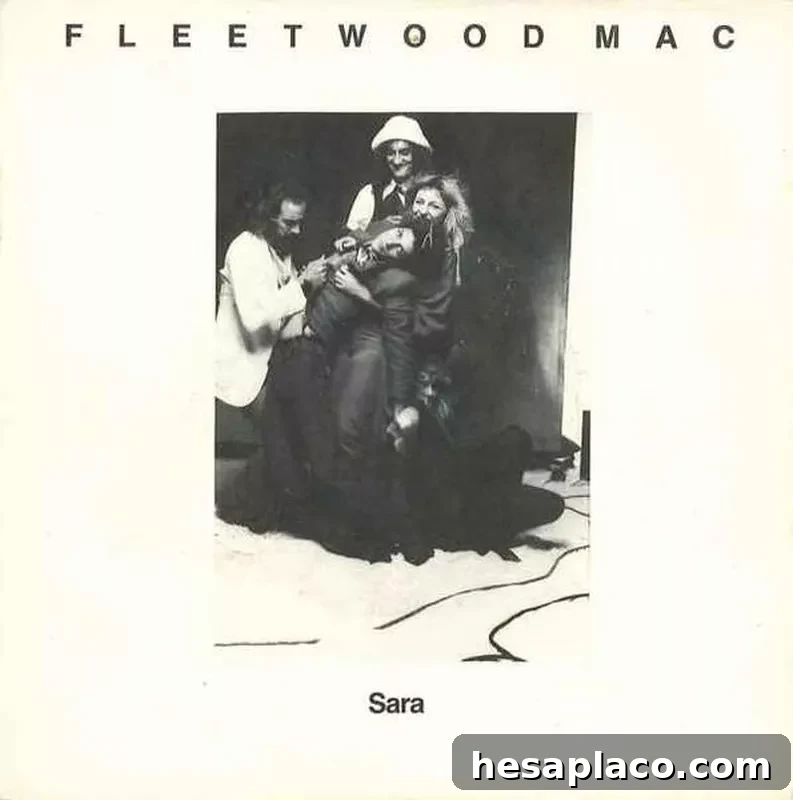
Sara
Discogs
Year released: 1979
Album: Tusk
Bottom line: Written and sung by Stevie Nicks, “Sara” became one of Fleetwood Mac’s most memorable late-1970s singles, reaching No. 7 on the Billboard singles chart in 1979. The song’s dreamy arrangement and mysterious lyrics have helped make it a fan favorite.
Part of the song was inspired by Nicks’ romance with drummer Mick Fleetwood after her breakup with Lindsey Buckingham. That relationship ended when Nicks’ friend Sara married Fleetwood. Don Henley, Nicks’ former boyfriend and a member of the Eagles, also said the song referred to their unborn child. Nicks later said that if she had married Henley and had a daughter, she would have named her Sara.
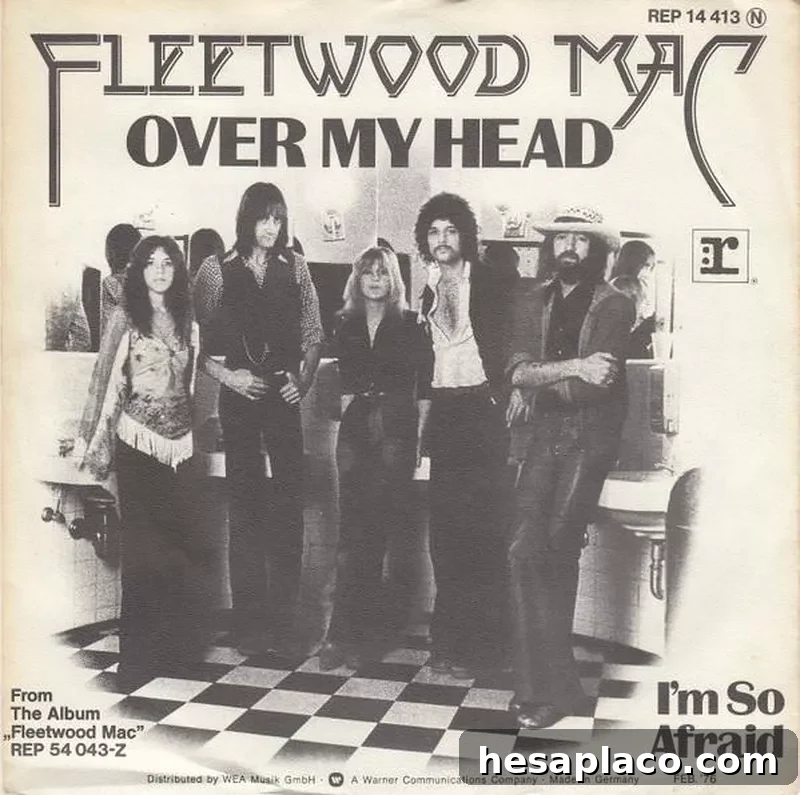
Over My Head
Discogs
Year released: 1975
Album: Fleetwood Mac
Bottom line: Christine McVie wrote and sang “Over My Head,” a gentle but emotionally direct song from Fleetwood Mac’s self-titled 1975 album. Although McVie was married to John McVie at the time, the song was not drawn directly from her own relationship.
Instead, it tells the story of a woman caught in a relationship with a man whose moods change quickly, while her heart keeps leading her back. Fleetwood Mac had existed since 1967 with different lineups, but “Over My Head” became the band’s first song to chart in the United States, marking a major turning point in their career.
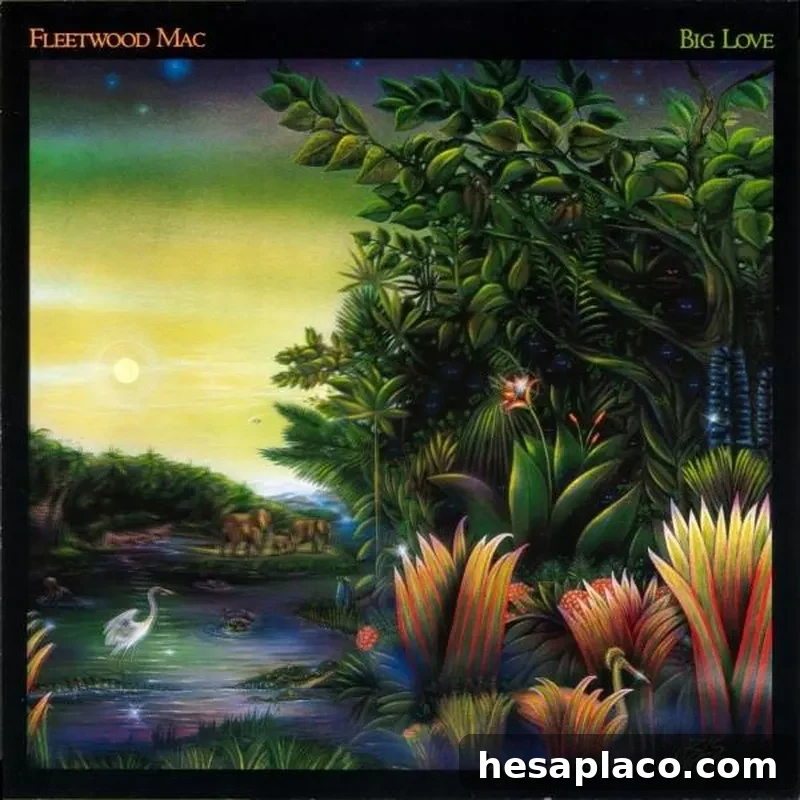
Big Love
Discogs
Year released: 1987
Album: Tango in the Night
Bottom line: Lindsey Buckingham wrote and performed “Big Love,” a sleek, urgent track that became one of the defining songs from Tango in the Night. The song was originally intended for a solo project, as the band had effectively gone separate ways by 1985.
Christine McVie helped persuade the members to work together again, but the recording sessions were far from easy. Buckingham and Stevie Nicks were not getting along, and Nicks was largely absent from much of the recording. Buckingham left the band again shortly after, but “Big Love” reached No. 5 and helped revive Fleetwood Mac’s commercial momentum in the late 1980s. The song was not performed live until about a decade later.
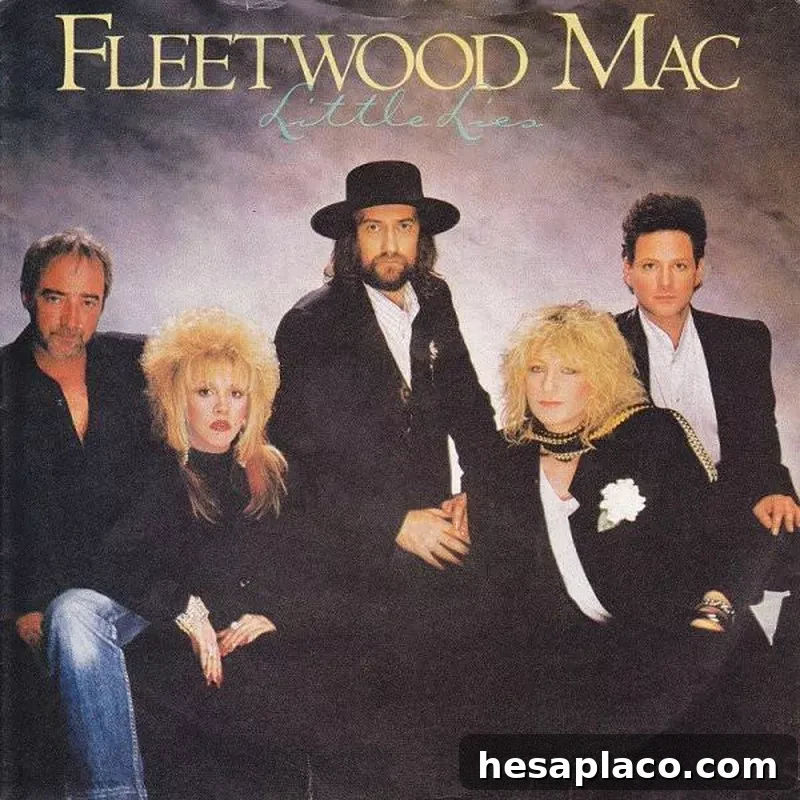
Little Lies
Discogs
Year released: 1987
Album: Tango in the Night
Bottom line: “Little Lies,” the third single from Tango in the Night, was written by Christine McVie with her then-husband, Eddy Quintela. Its polished pop production, memorable chorus, and layered Fleetwood Mac harmonies helped it stand out as one of the band’s strongest 1980s hits.
After its release, the song spent four weeks at the top of the Billboard Adult Contemporary chart and became the band’s most recent major hit. Years later, Hilary Duff recorded a version of “Little Lies” in 2016, introducing the song to a younger audience.
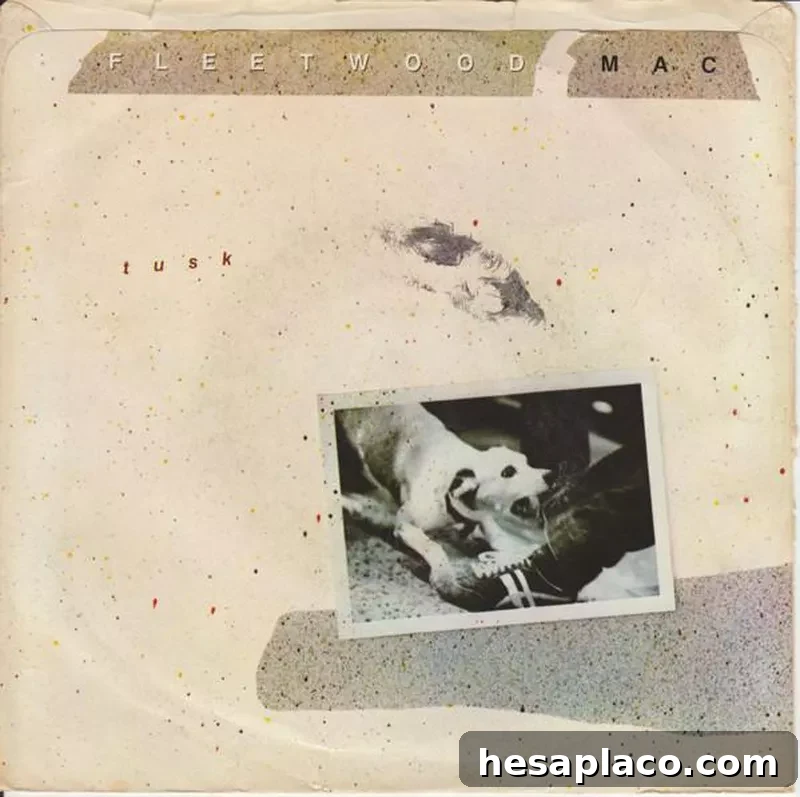
Tusk
Discogs
Year released: 1979
Album: Tusk
Bottom line: “Tusk” was a bold and unusual single that showed Fleetwood Mac’s willingness to experiment. Recorded with the USC Trojan Marching Band, the song moved far away from the smooth radio style many listeners expected from the group.
The marching band recorded its part at Dodger Stadium in 1979, and each band member reportedly received one dollar for the session. The song grew from a Lindsey Buckingham riff that the band had used during soundchecks. Released as the first single from the album of the same name, “Tusk” reached No. 8 on the U.S. Billboard charts.
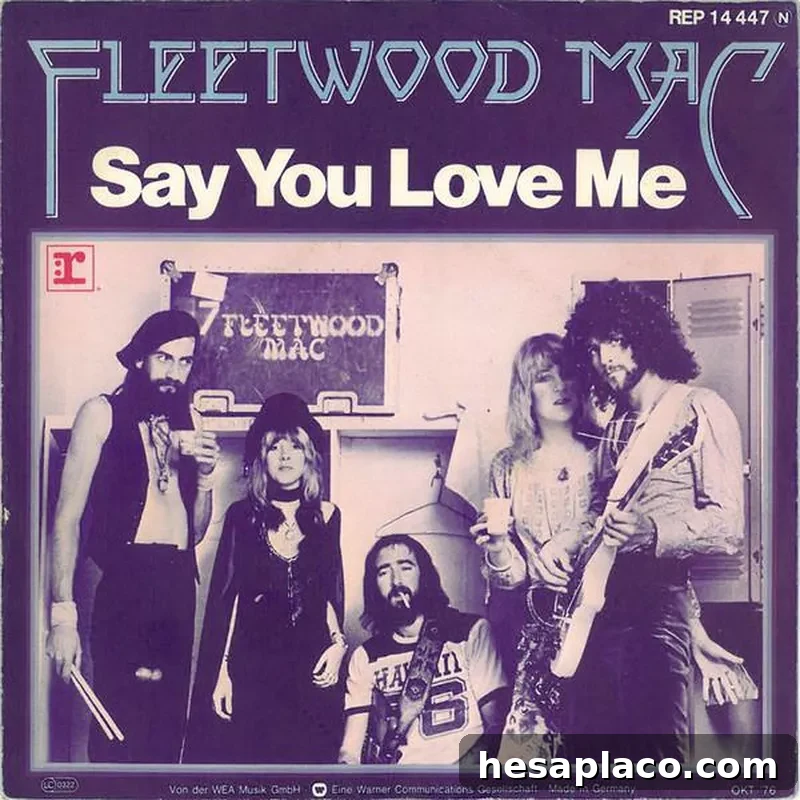
Say You Love Me
Discogs
Year released: 1975
Album: Fleetwood Mac
Bottom line: “Say You Love Me” is another Christine McVie classic and one of the first songs rehearsed by Fleetwood Mac’s new lineup after Stevie Nicks and Lindsey Buckingham joined the band. Its bright melody and warm harmonies helped define the group’s refreshed sound.
The song peaked at No. 11 on the Billboard charts for three weeks. It also helped the Fleetwood Mac album climb to No. 1 in the United States and sell 8 million copies, strengthening the band’s reputation as one of the most important rock acts of the era.
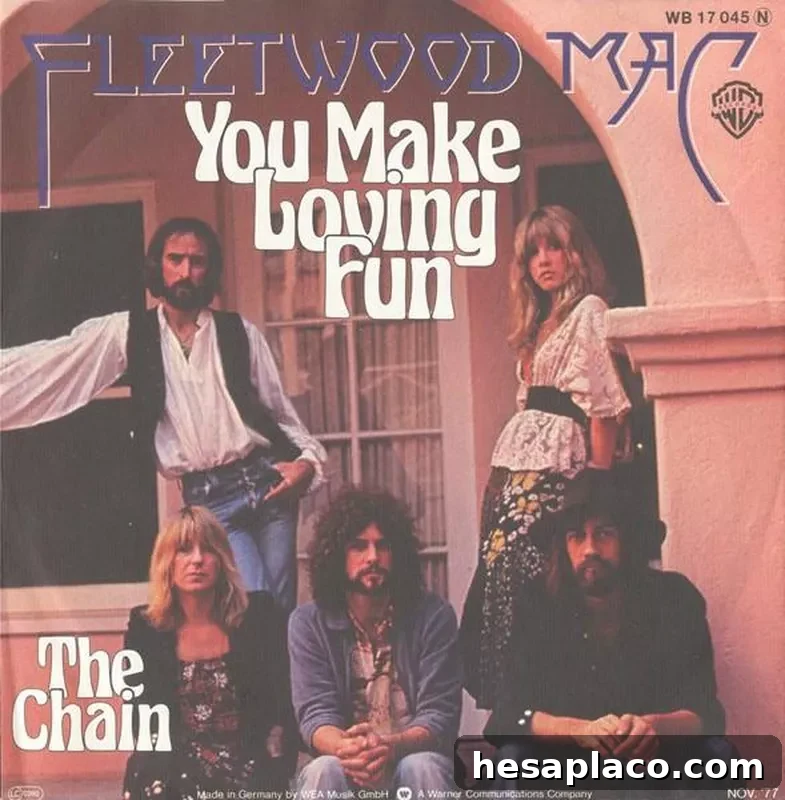
You Make Loving Fun
Discogs
Year released: 1977
Album: Rumours
Bottom line: “You Make Loving Fun” was written by Christine McVie and released as the fourth single from Rumours. The song’s upbeat groove contrasts with the personal turmoil that surrounded its creation.
During the making of the album, McVie’s marriage to bassist John McVie was ending. She had begun a relationship with the band’s lighting technician, Curry Grant, and the song was written about him. John McVie reportedly believed the song was about the couple’s dogs. “You Make Loving Fun” peaked at No. 9 on the Billboard Hot 100.
Hold Me

Discogs
Year released: 1982
Album: Mirage
Bottom line: Christine McVie did not often write songs that directly reflected her personal relationships, but “Hold Me” was an exception. Co-written with singer-songwriter Robbie Patton, the song was inspired by her relationship with Beach Boys drummer Dennis Wilson.
McVie and Wilson had broken up not long before the song was written. Wilson died in a tragic drowning accident a year after the song’s release. “Hold Me” became one of Fleetwood Mac’s biggest American hits, reaching No. 4 on the Billboard charts and staying there for seven weeks.
Landslide
Amazon
Year released: 1975
Album: Fleetwood Mac
Bottom line: Stevie Nicks wrote “Landslide” when she was in her early 20s and still in a relationship with Lindsey Buckingham. At the time, the pair had not yet found major success in music, and Nicks was questioning whether she should continue chasing a career in the industry or return to school and pursue a more traditional life.
When “Landslide” was released as a single in 1975, it was not a major hit. Over time, however, it became one of Fleetwood Mac’s most beloved signature songs. Its themes of change, uncertainty, and growing older have made it timeless. Smashing Pumpkins, Tori Amos, and the Dixie Chicks have all recorded versions of the song.
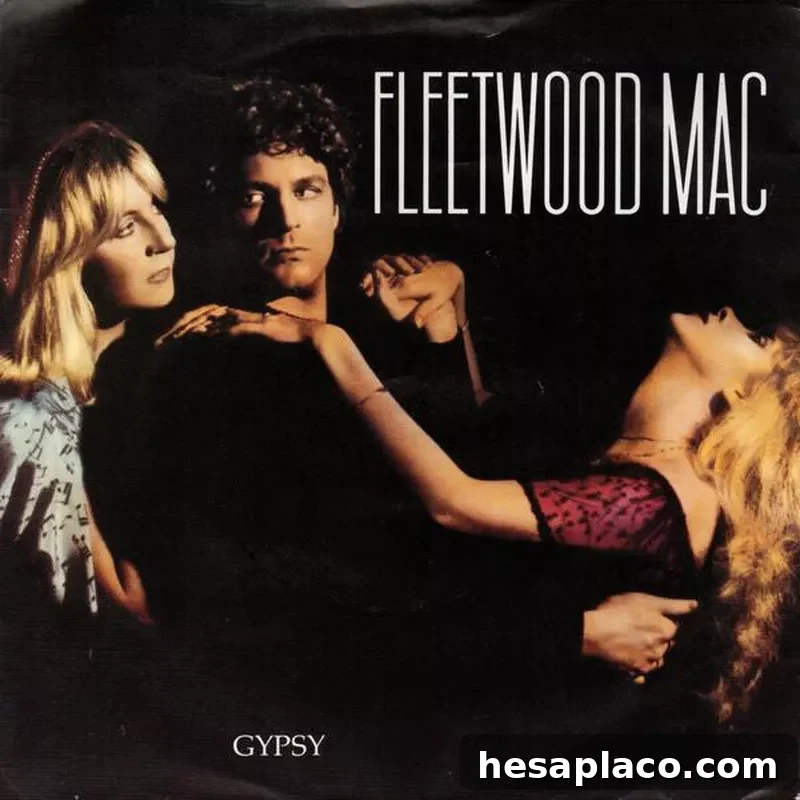
Gypsy
Discogs
Year released: 1982
Album: Mirage
Bottom line: “Gypsy” was written by Stevie Nicks as a tribute to her closest friend, Robin Snyder Anderson, who died of cancer not long before the song was released. The lyrics also look back on Nicks’ life before fame and reflect on her earlier relationship with Lindsey Buckingham.
The music video for “Gypsy” was selected as MTV’s first-ever world premiere video, giving the song a major visual moment during the early years of music television. The track reached No. 12 on the U.S. charts and remains one of Nicks’ most atmospheric Fleetwood Mac songs.
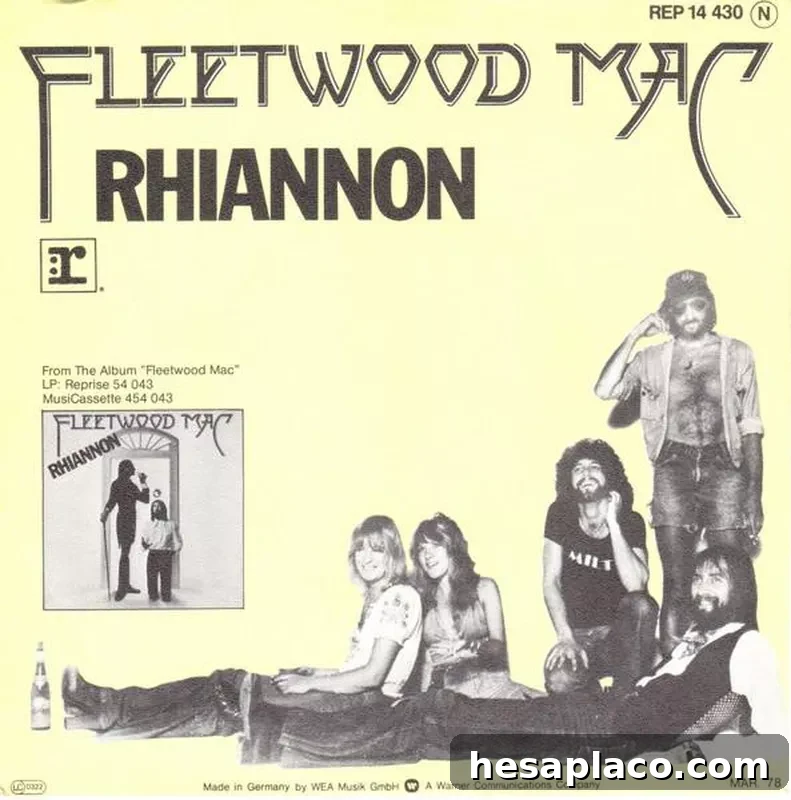
Rhiannon
Discogs
Year released: 1977
Album: Rumours
Bottom line: In concert, Stevie Nicks often introduced “Rhiannon” as a song about a Welsh witch. The inspiration came from Triad, a novel by Mary Bartlet Leader about a woman possessed by a witch named Rhiannon.
The song became one of Nicks’ defining performances with Fleetwood Mac, especially in live shows where her delivery added mystery and drama. “Rhiannon” peaked at No. 11 on the Billboard charts in 1976 and was later included in Rolling Stone magazine’s list of the “500 Greatest Songs of All Time.”
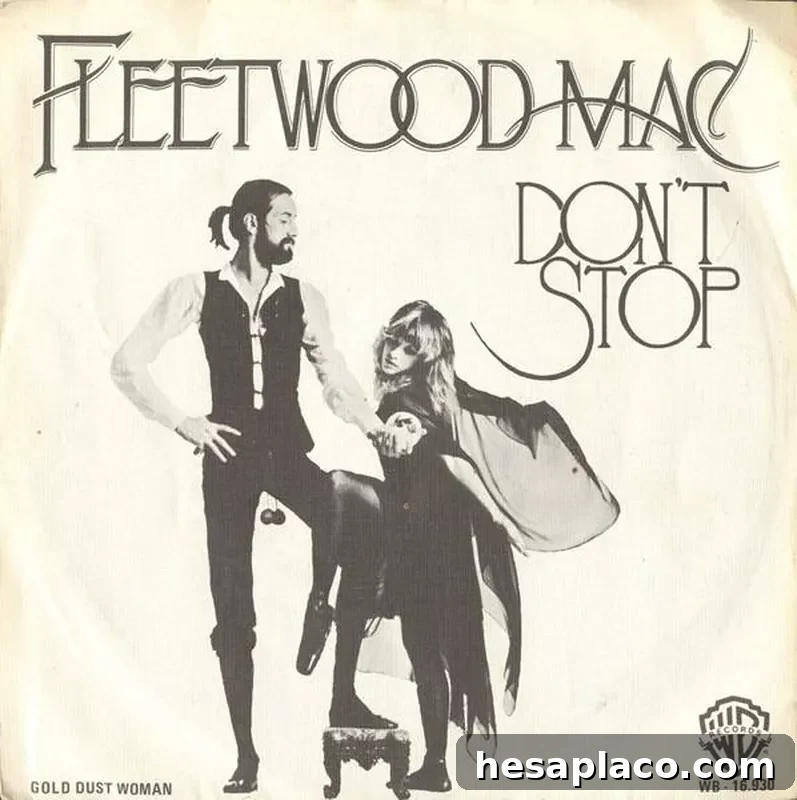
Don’t Stop
Discogs
Year released: 1977
Album: Rumours
Bottom line: “Don’t Stop” is Christine McVie’s optimistic look toward the future after her divorce from John McVie. With its upbeat rhythm and hopeful message, the song offered a brighter emotional tone amid the breakup stories that filled Rumours.
Released as a single in 1977, “Don’t Stop” peaked at No. 3 on the Billboard Hot 100. It gained renewed attention years later when Bill Clinton used it during his presidential campaign. Although Fleetwood Mac was largely inactive at the time, the band reunited to perform “Don’t Stop” at the 1993 inaugural gala, helping open another chapter in their long career.
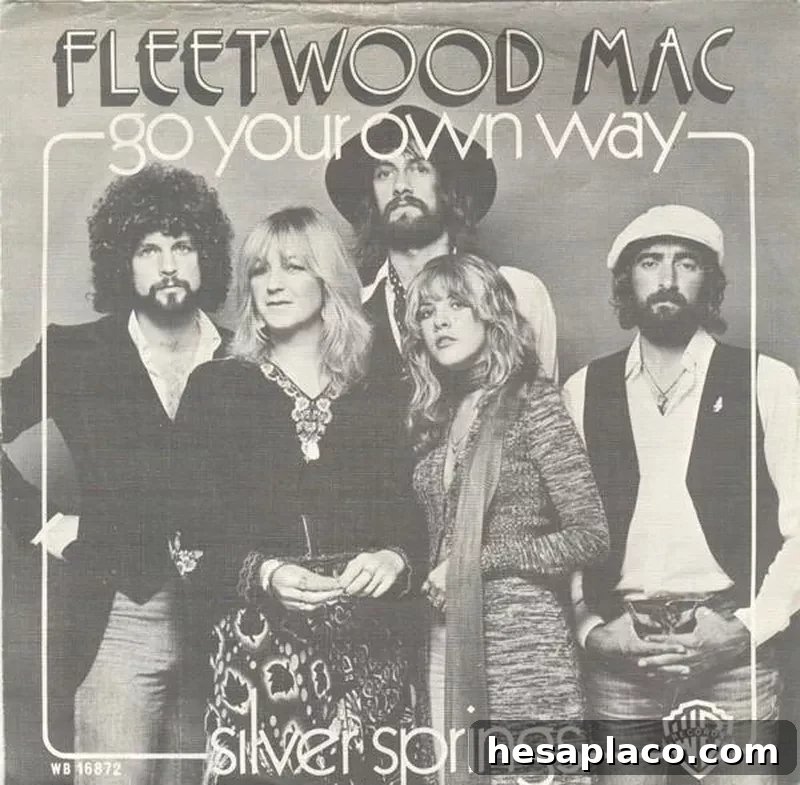
Go Your Own Way
Discogs
Year released: 1976
Album: Rumours
Bottom line: Lindsey Buckingham wrote “Go Your Own Way” about his breakup with Stevie Nicks. As the first single from Rumours, it introduced listeners to the emotional intensity and personal conflict that would define the album.
The song’s sharp guitar work, driving rhythm, and direct lyrics made it one of Fleetwood Mac’s most recognizable rock tracks. Its pre-sale orders reached 800,000, the largest in Warner Bros. history at that time, and it helped push Rumours toward sales of 40 million units.
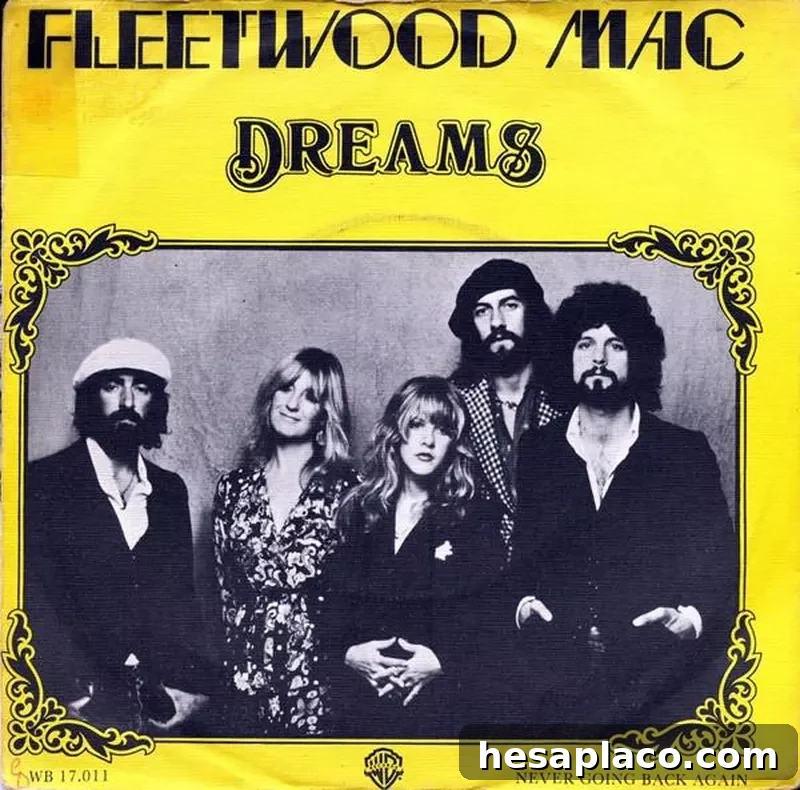
Dreams
Discogs
Year released: 1977
Album: Rumours
Bottom line: “Dreams” was the second single from Rumours and became Fleetwood Mac’s biggest hit. It reached No. 1 on the Billboard Hot 100 chart and remained on the chart for 31 weeks.
Written and sung by Stevie Nicks, the song was her response to Lindsey Buckingham’s “Go Your Own Way” as their relationship was ending. Its calm, hypnotic sound contrasts with the heartbreak behind the lyrics, making it one of the most enduring Fleetwood Mac songs. Decades later, “Dreams” found fresh chart success in 2020 after TikToker Nathan Apodaca lip-synced to it while skateboarding and drinking cran-raspberry juice.