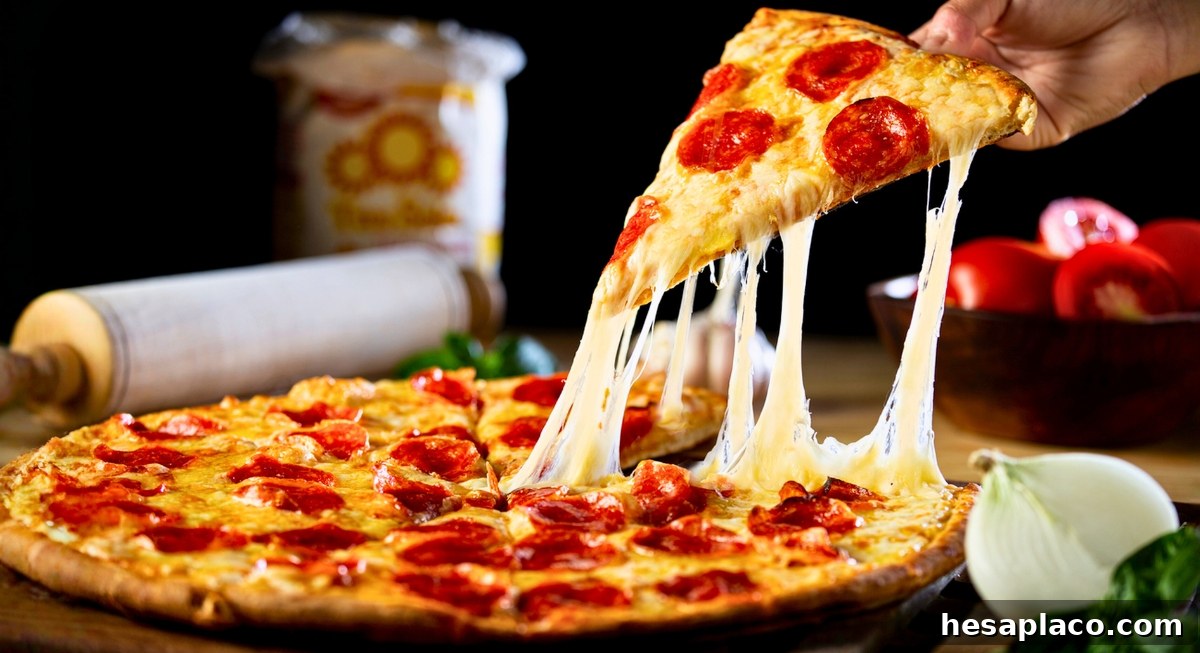
Most pizza chains live and die by consistency, and one ingredient carries the greatest responsibility for delivering it: cheese. Sauces and toppings can change, but mozzarella must perform the same way every time. James Leprino built a business that removed variability from that essential element, so reliably that several major pizza companies tailored their operations around his product—often without ever seeing his name on the packaging.
The Supplier Nobody Sees
Credit: iStockphoto
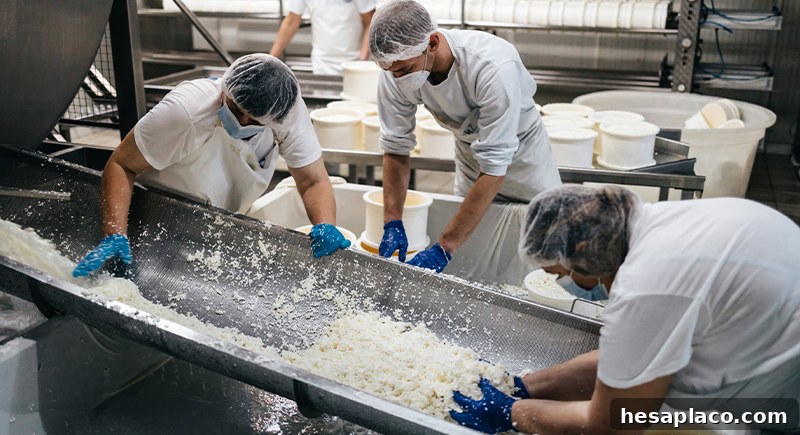
Chains do not want personality from their cheese; they want predictable melt, stretch, and bake timing across hundreds or thousands of locations. Leprino structured his company around eliminating variation in those characteristics. As reliability improved, long-term relationships formed, and the lack of a consumer-facing brand became a strategic advantage rather than a liability.
A Grocery Store Education
Credit: iStockphoto
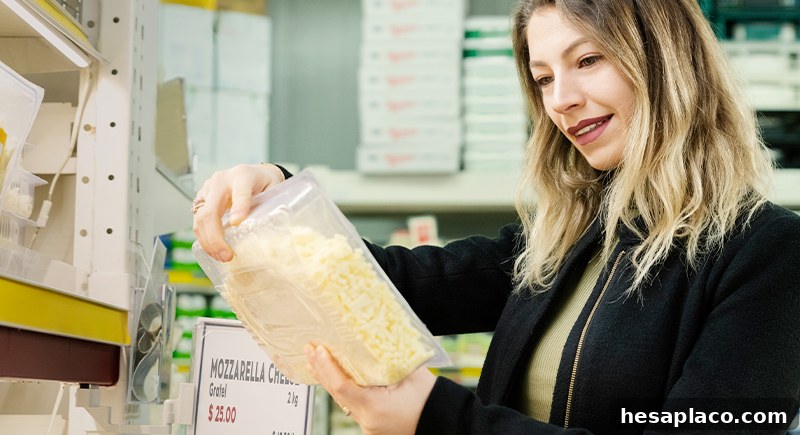
The business began in a small Denver grocery that made fresh mozzarella for neighborhood customers. While delivering orders, James Leprino noticed that local pizzerias returned for ever-larger quantities. Owners compared weekly volumes, discussed busy weekends and expansion plans—conversations that revealed a clear truth: great cheese was central to their success, and demand was only increasing.
Perfect Timing With No Promotion
Credit: Canva
As pizza concepts spread through the Midwest, many suppliers struggled to scale. Leprino Foods moved early and focused on capacity and reliable delivery. Orders quickly rose into the hundreds of pounds per week, and by the time competitors reacted, restaurants had already built their baking processes and supply chains around Leprino’s product.
Engineering Cheese
Credit: Getty Images
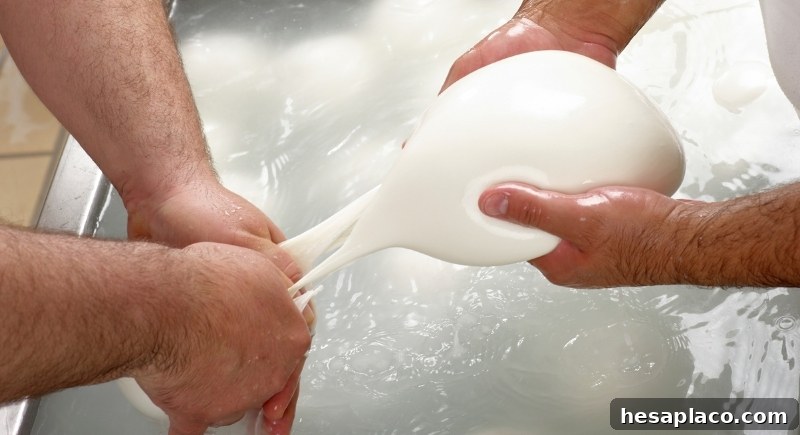
Mozzarella behaves differently in industrial ovens than it does at home: small variations in moisture, fat, and texture reveal themselves under high heat and volume. Leprino invested in precise equipment to control those variables and developed methods to measure and reproduce melt, stretch, and browning. That technical focus produced numerous dairy patents and allowed chains to standardize pizza outcomes across many locations.
Owning the Middle of Pizza

Credit: Getty Images
By the 1990s, Leprino Foods supplied the majority of pizza cheese in the United States, with estimates suggesting roughly an 85 percent market share at its peak. Restaurants rarely saw the supplier’s name, yet their menus and kitchens depended on the company’s consistent product. For many large chains, swapping suppliers became more trouble than it was worth because so many operational details were tuned to one cheese.
Avoiding the Spotlight

Credit: pexels
Public records and trade press include very few interviews with James Leprino after the 1970s. Internally, discussions centered on plant capacity, delivery schedules, and contract terms. Without a public figurehead, business conversations stayed technical: clients focused on volume, price, and performance rather than reputation or media presence.
Family and the Courtroom

Credit: Canva
Ownership became complicated after the death of Leprino’s brother, when shares were placed into trusts and family disputes followed. Lawsuits filed by nieces unfolded over several years, focusing on control and distributions. A 2022 jury decision resolved the dispute; despite the legal battles, day-to-day operations continued without major interruption.
Quiet Wealth Choices
Credit: iStockphoto
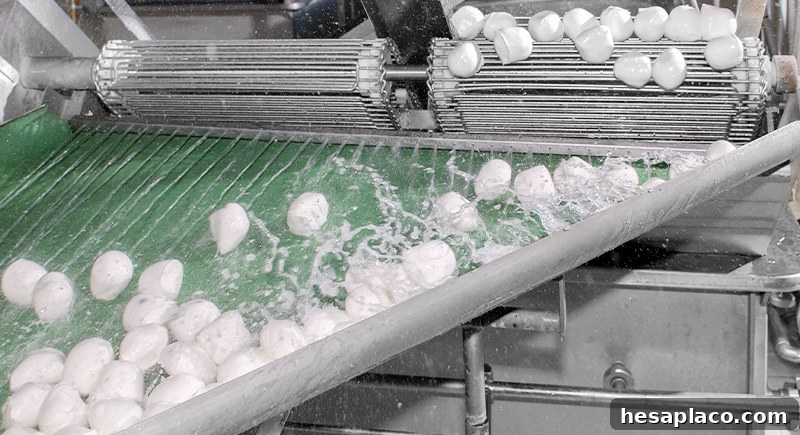
The company’s scale grew faster than its public profile. Investments went toward keeping plants running, upgrading equipment, and optimizing logistics across multiple states. Executives sometimes used private flights to manage far-flung facilities, but spending priorities remained focused on production and distribution rather than promotion or visibility.
Locking Chains In Without Contracts
Credit: Getty Images
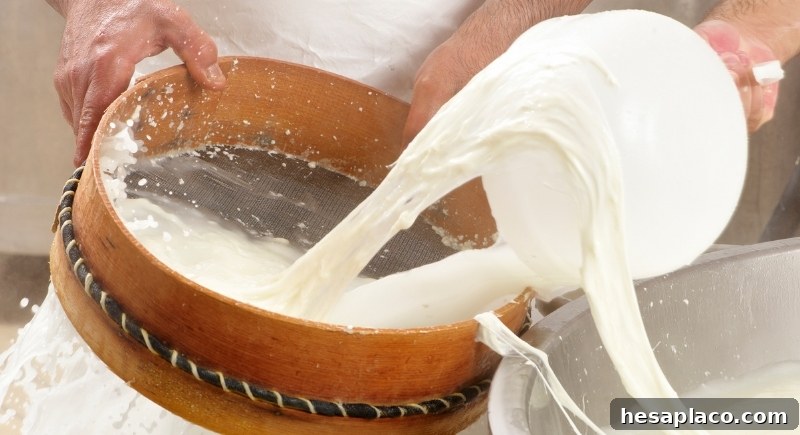
When a chain builds its ovens, portion sizes, storage procedures, and training around one specific cheese, switching suppliers becomes a costly logistical problem. Changing to a different product often requires retraining staff and reconfiguring kitchens across hundreds or thousands of locations, so many companies chose to continue using Leprino’s cheese year after year rather than face that disruption.
An Empire That Keeps Running

Credit: Instagram
When James Leprino died in 2025 at age 87, the company continued to operate without interruption. Production schedules stayed on track, leadership followed established procedures, and contracts proceeded as planned. Employees described the transition as calm and orderly—a reflection of a business built to function independently of any single person.