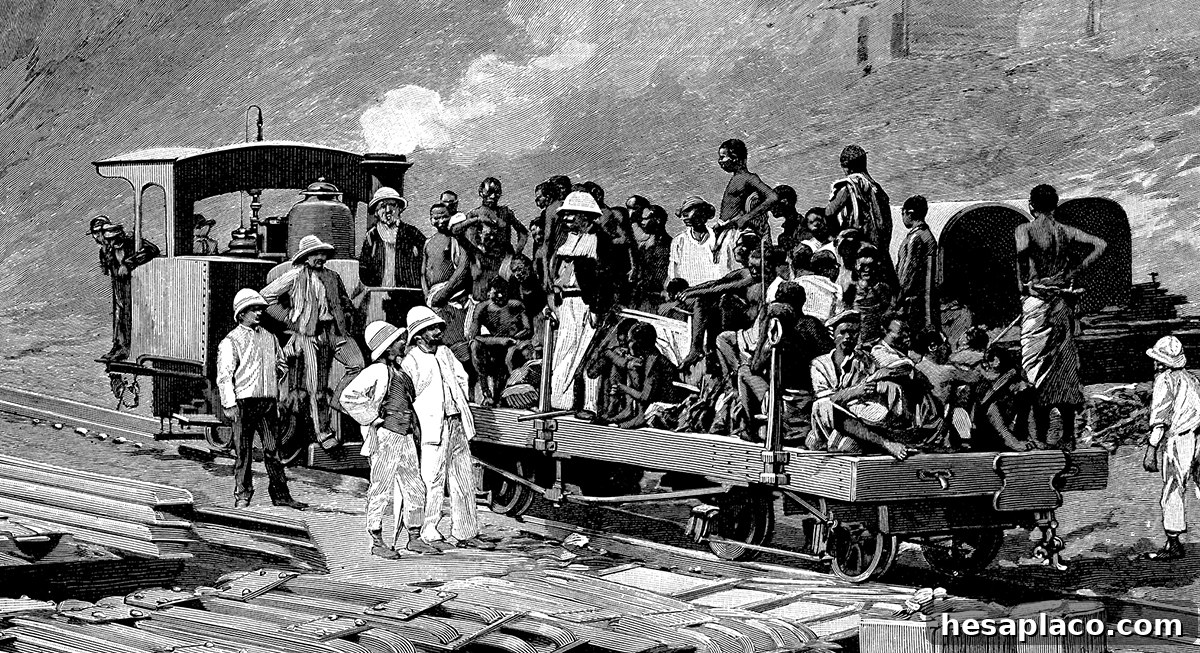
Many prominent companies and institutions in the United States trace part of their early wealth and growth to slavery and the forced labor system that underpinned entire industries. That history is rarely visible on modern packaging or promotional materials, but it shaped financial foundations, commercial networks, and philanthropic endowments. Understanding who profited and how those profits were made helps reveal how deeply slavery’s economic legacy runs.
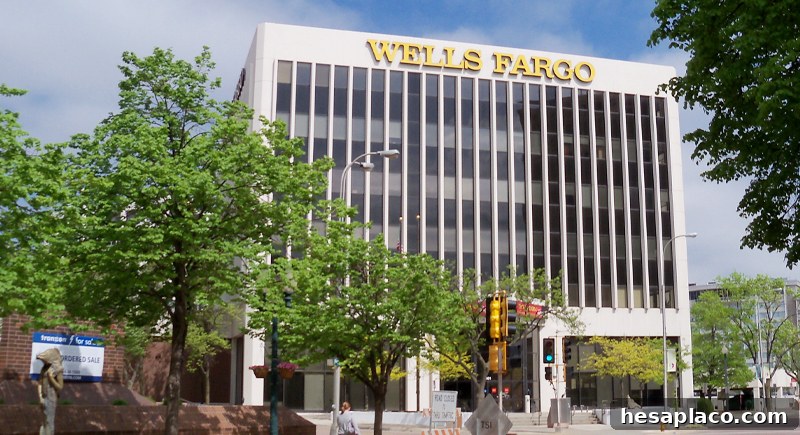
Wells Fargo
Credit: Wikimedia Commons
Some predecessor banks later absorbed into Wells Fargo, including institutions such as the Georgia Railroad and Banking Company, accepted enslaved people as loan collateral. When borrowers defaulted, these banks could legally take ownership of the individuals and often sold them, directly profiting from the institution of slavery.
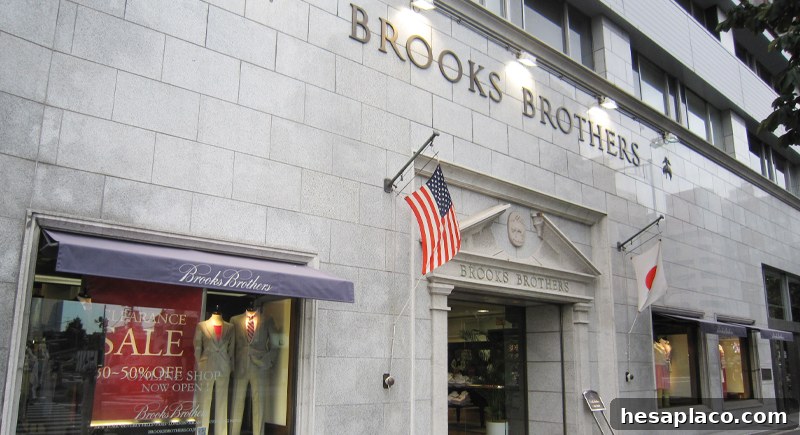
Brooks Brothers
Credit: Wikimedia Commons
In the early 1800s Brooks Brothers supplied clothing and textile goods to plantation owners and produced coarse “negro cloth” used for enslaved laborers’ apparel. Serving customers rooted in the plantation economy helped the brand establish itself as one of America’s longest-running apparel firms.
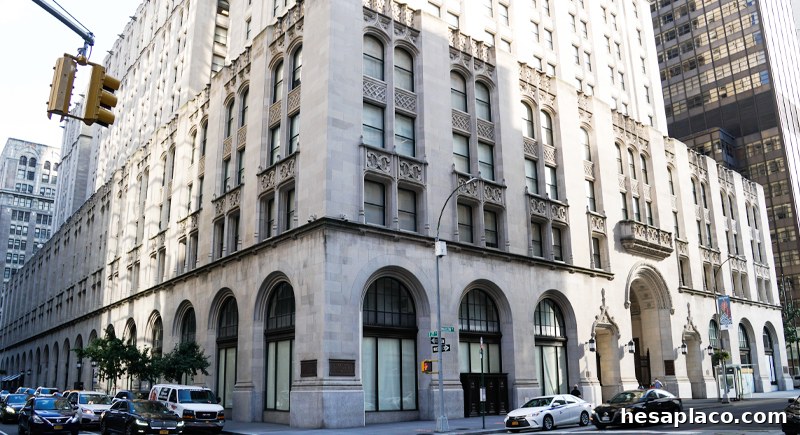
New York Life Insurance
Credit: Wikimedia Commons
Between 1846 and 1848, a company that preceded New York Life issued life insurance policies that covered enslaved people, paying compensation to owners when a covered person died. Those policies generated revenue until the practice was discontinued amid growing public pressure in 1848.
Brown University
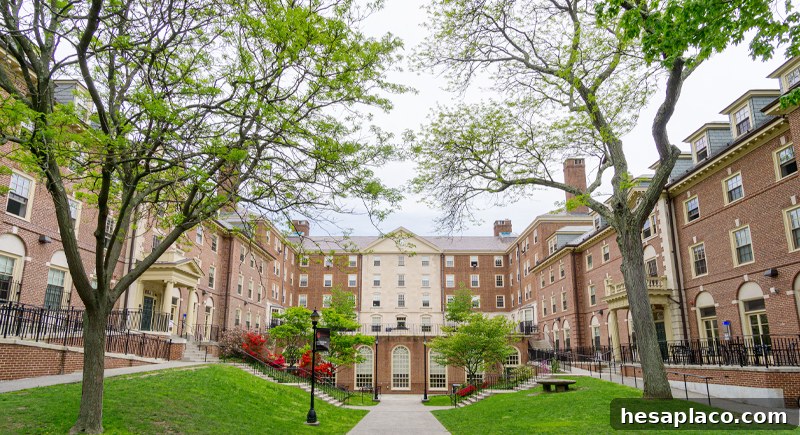
Credit: Wikimedia Commons
Brown University’s early endowment was significantly augmented by wealth tied to the transatlantic slave trade. Several key benefactors, including members of the Brown family, invested in and profited from voyages that transported enslaved Africans. Those financial contributions helped establish and expand the university, linking its early growth to the exploitation of enslaved people.
Lehman Brothers

Credit: Wikimedia Commons
Firms that preceded Lehman Brothers were heavily involved in the cotton trade centered in the American South. Acting as brokers and financiers, they supported cotton production and sales—an industry that depended on enslaved labor—and thereby accumulated early wealth tied to that forced labor system.
Georgetown University
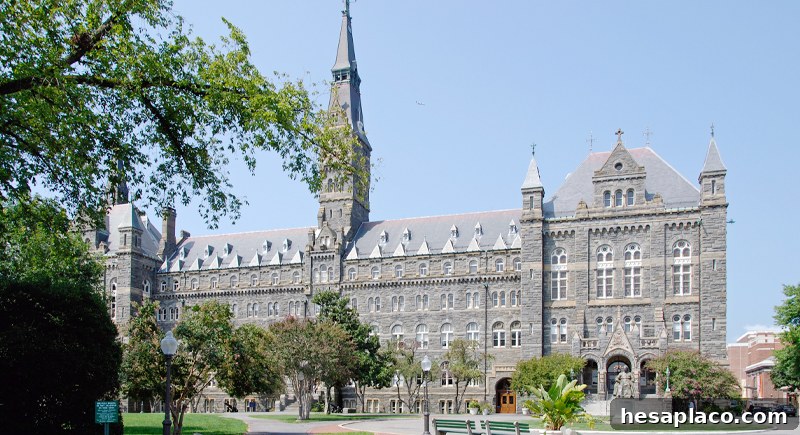
Credit: Wikimedia Commons
Facing financial difficulties in 1838, Jesuit leaders affiliated with Georgetown University sold 272 enslaved people from plantations they owned in Maryland. The proceeds from that sale provided substantial funds that helped stabilize and sustain the institution.
CSX Railroad

Credit: Wikimedia Commons
Several of the rail lines that later became part of today’s CSX Railroad were built before 1865 using enslaved labor. The use of unpaid, forced labor reduced construction costs for those lines. Lawsuits and historical research in the 21st century underscored this direct connection between rail infrastructure and slave labor.
Tiffany & Co.
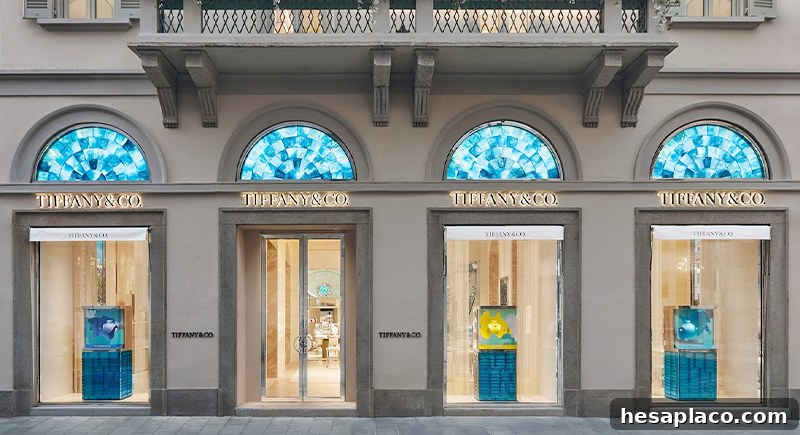
Credit: Instagram
Founded in 1837, Tiffany & Co. operated in a market where much of the region’s wealth derived from slavery. While the company did not directly trade enslaved people, it sold luxury goods to affluent Southern customers whose fortunes were built on unpaid labor.
Brown Brothers Harriman
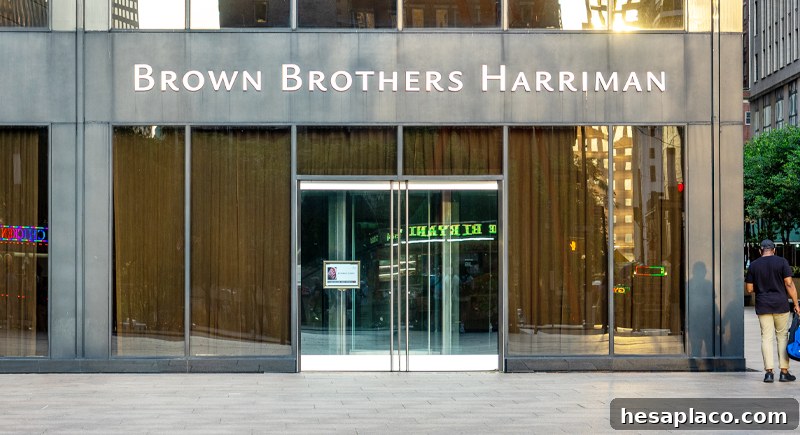
Credit: Wikimedia Commons
Predecessor merchant banks that later became part of Brown Brothers Harriman provided credit and financing vital to the cotton economy. They extended loans to Southern planters and arranged transport of cotton to European textile mills, directly supporting an industry dependent on enslaved labor and benefiting financially from that commerce.
Norfolk Southern

Credit: Wikimedia Commons
Some historic railroads that are now part of Norfolk Southern, including lines such as the Mobile & Girard, leased and in some cases owned enslaved workers. Those early companies paid slaveholders for the use of their labor, directly incorporating slavery into railroad expansion.
Bank of America
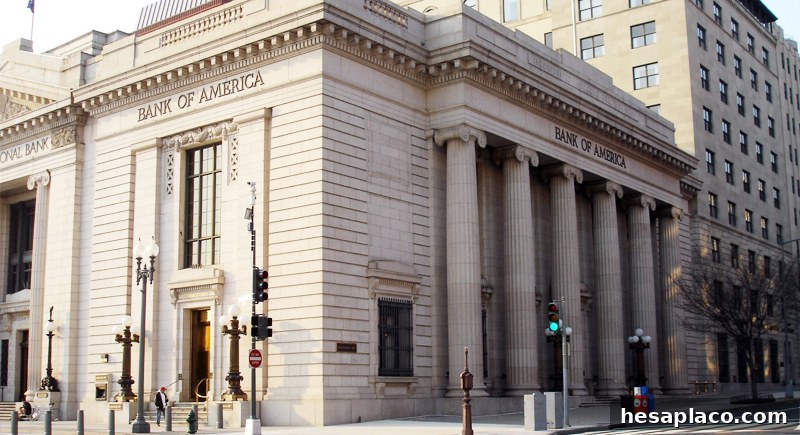
Credit: Wikimedia Commons
Several financial institutions that merged over time into what is now Bank of America had business ties to slavery. These predecessor banks accepted enslaved people as collateral, extended credit to plantations, and otherwise integrated financial services with the slave-based economy, illustrating how banking practices were entangled with slavery.
Aetna Insurance
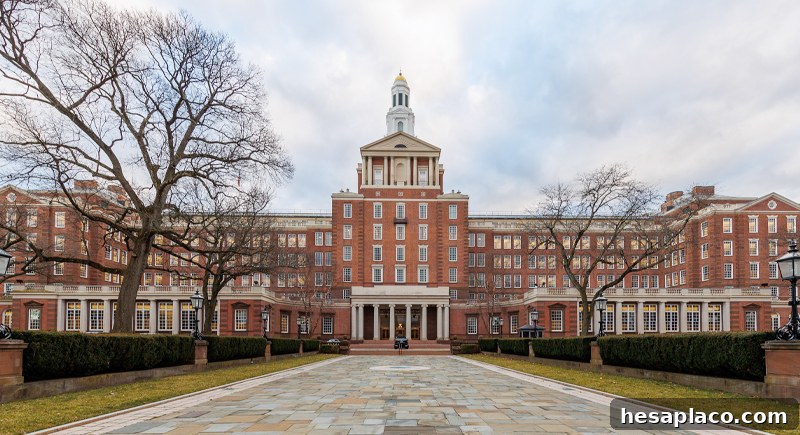
Credit: Wikimedia Commons
After its founding in 1853, Aetna sold life insurance policies that covered enslaved people, offering financial protection to slaveholders against loss. The company later acknowledged and apologized for profiting from that practice when it issued a public apology in 2000.
United States Life Insurance Company
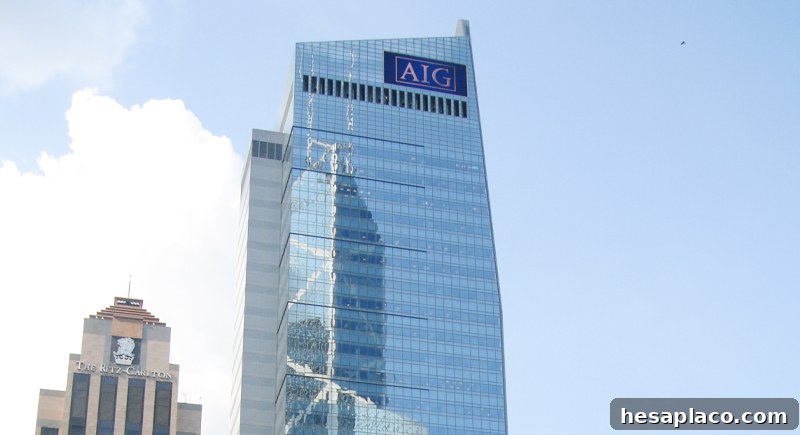
Credit: Wikimedia Commons
The United States Life Insurance Company, founded in 1850 and a predecessor to modern insurers such as AIG, sold policies that insured the lives of enslaved people. These policies were designed to compensate owners and thus generated revenue tied to the dehumanizing practice of slavery.
J.P. Morgan & Chase

Credit: Wikimedia Commons
Banks that were later consolidated into J.P. Morgan Chase had, before 1865, accepted enslaved people as collateral—particularly in states like Louisiana. When borrowers defaulted, those banks could legally assume ownership and sometimes sell the individuals, directly deriving financial benefit from slavery.
Harvard University
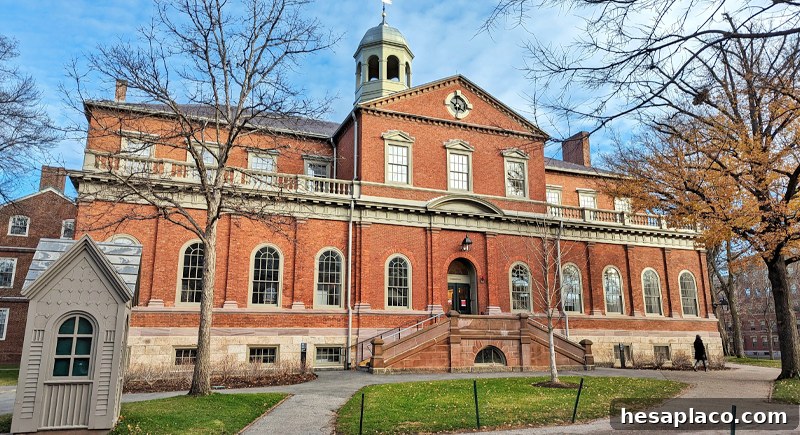
Credit: Wikimedia Commons
Harvard University’s early expansion was underwritten in part by slavery through direct enslavement, donations, and endowments from benefactors whose wealth was generated by slave trading and slave labor. These financial contributions played a significant role in the university’s institutional growth.
Recognizing these historical ties does not erase the complex evolution of these organizations, but it does provide context for how slavery shaped American economic and institutional development. Acknowledging this past informs current conversations about heritage, responsibility, and historical accountability.