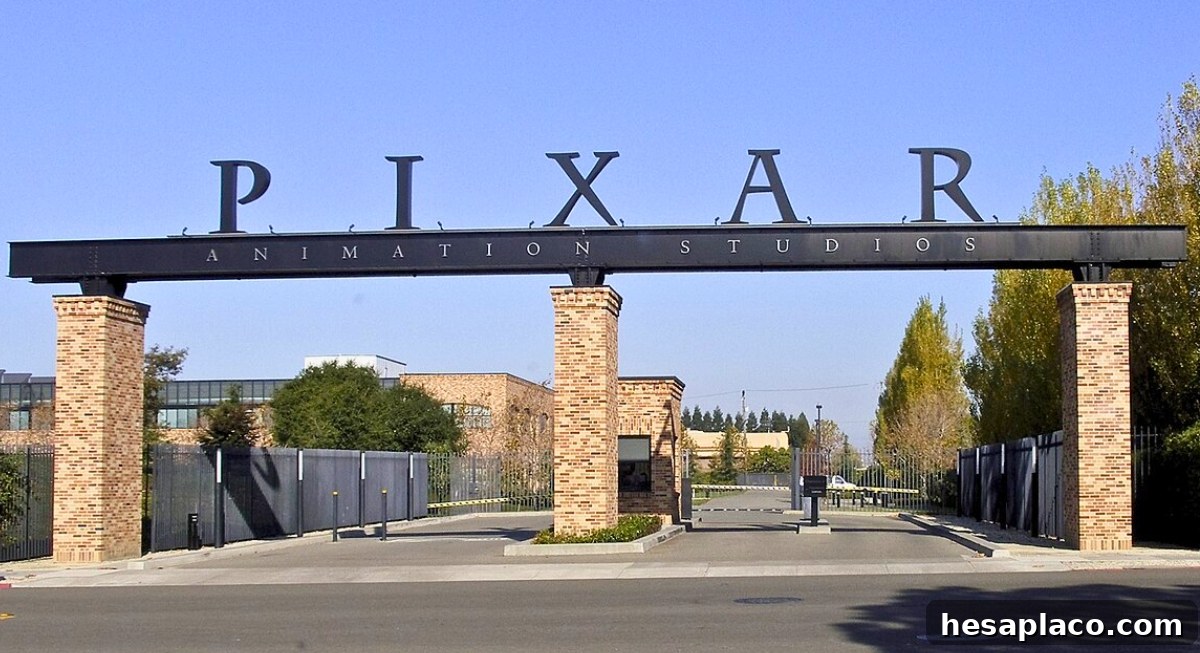
Steve Jobs and Apple are intertwined in the public imagination, but his connection to Pixar is often overlooked — and that relationship played a crucial role in building the fortune and reputation that later shaped his return to Apple.
Without Pixar’s breakthrough in the mid-1990s, Jobs’s wealth and career trajectory would likely have been very different. The full story is a winding one: divorce settlements, bold bets, pioneering animation technology and storytelling, and a Silicon Valley figure who managed to recover after being forced out of the company he co-founded.
A Divorce, a Sale, and a $10 Million Gamble
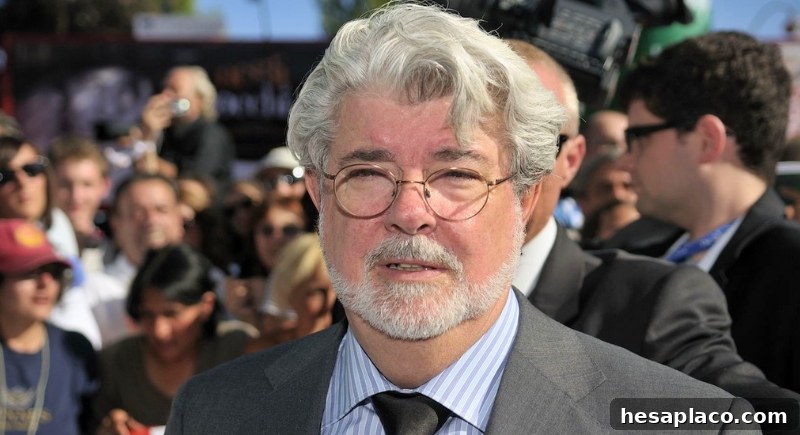
Image via Wikimedia Commons/nicolas genin
Pixar’s origins trace back to George Lucas. After his 1983 divorce left him in need of cash, Lucas decided to sell parts of his company. One of those parts was a small, innovative computer graphics group inside Industrial Light & Magic, where researchers were experimenting with early computer-generated imagery under the leadership of Ed Catmull and Alvy Ray Smith, and with former Disney animator John Lasseter on board.
Lucas sought roughly $30 million for the division but found no buyers; even Disney passed. Steve Jobs, fresh from his ouster at Apple in 1985, initially offered $5 million and was turned down. He returned with $10 million and took full ownership. The group and its technology were rebranded as Pixar, with Jobs as the majority shareholder.
In its early years, Pixar did not yet produce feature films. It sold high-end graphics workstations, created commercials, and licensed rendering software. Jobs repeatedly injected his own funds and covered losses to keep the company afloat. For nearly a decade, Pixar struggled financially and at times looked like a risky holding. Jobs considered selling the company several times. A pivotal distribution and production agreement with Disney to create feature films, however, helped keep the company afloat and enabled the team to focus on animation.
The Toy Story Breakthrough
The decisive moment arrived in 1995 when Pixar released Toy Story, the first feature-length film created entirely with computer animation. Featuring voices from Tom Hanks and Tim Allen and a script and direction shaped by John Lasseter and his collaborators, Toy Story became a cultural phenomenon. Disney distributed the movie, but Pixar’s creative and technical achievement was unmistakable.
Recognizing the potential, Jobs timed Pixar’s initial public offering to coincide with Toy Story’s release. The IPO was priced between $12 and $14 per share, but investor enthusiasm sent the price up dramatically — it closed at $39 on the first trading day. Because Jobs owned roughly 80 percent of Pixar at the time, his net worth surpassed $1 billion almost overnight.
Disney’s Buyout and the Fortune That Followed

Image via Canva/jittawit21
Pixar went on to produce a string of acclaimed films — Finding Nemo, The Incredibles, Monsters, Inc., Ratatouille and others — establishing itself as the leader in modern animated storytelling. Steve Jobs remained the company’s largest shareholder through those successes. In 2006, Disney purchased Pixar in an all-stock transaction valued at approximately $7.4 billion. As a result, Jobs received about 7 percent of Disney’s stock, worth around $4.6 billion at the time, and joined Disney’s board of directors.
By that point Jobs had already returned to Apple in 1997 and steered the company through a remarkable revival that produced the iMac, iPod, iPhone and other defining products. Yet Pixar’s financial and reputational success was an important part of the story: the studio’s rise provided Jobs with both economic security and renewed credibility in the media and technology worlds. That stability and influence made it easier for him to reassert his leadership at Apple and to pursue the bold product and design strategies that followed.
In short, Pixar was more than a side chapter in Steve Jobs’s life. It was a transformative venture that helped repair his fortunes, expand his influence in entertainment, and ultimately support the second act of his career — the one that reshaped consumer technology and left a lasting cultural legacy.