
They spent mornings at Central Perk, fretted about rent, and never replaced that iconic orange couch. Behind the scenes, however, the six stars of Friends turned a decade of sitcom life into a long-lasting financial windfall. Those paychecks didn’t stop when the cameras did—decades later, the income keeps flowing.
Here’s how their earnings grew from modest sitcom salaries into an industry-changing fortune.
The Humble Start: $22,500 Per Episode
Credit: IMDb
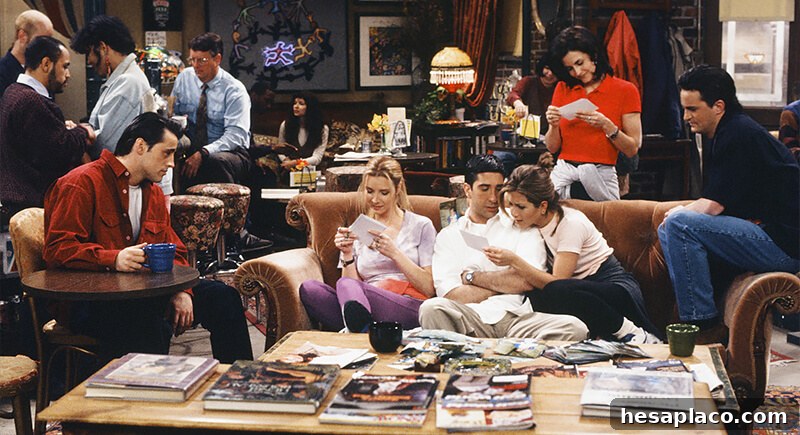
In season one, each main cast member earned $22,500 per episode. For a 24-episode season that added up to about $540,000—respectable for emerging TV actors, but not extravagant. Warner Bros. actually lost money on the early seasons and was betting on syndication to recoup costs. That initial pay structure set the stage for an extraordinary financial trajectory.
Early Differences Sparked Collective Action
Credit: IMDb
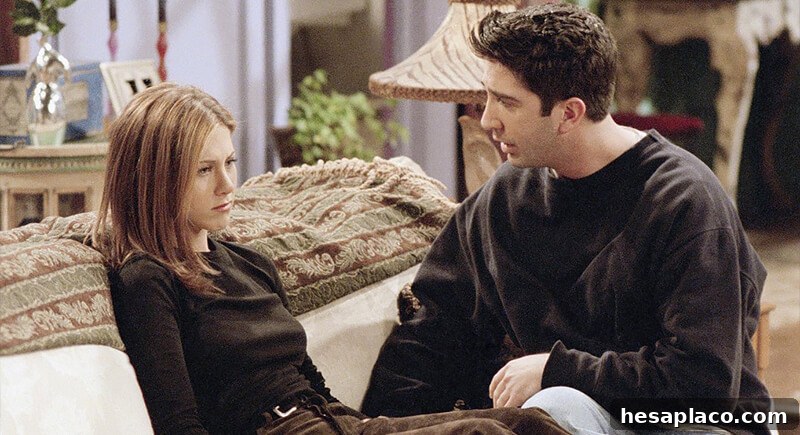
By season two, salaries were no longer equal—David Schwimmer and Jennifer Aniston reportedly earned more as the Ross-Rachel storyline grew central. Those early discrepancies encouraged the ensemble to approach later negotiations together, recognizing that unity increased their leverage.
Season Three: A Turning Point in Negotiation
Credit: IMDb
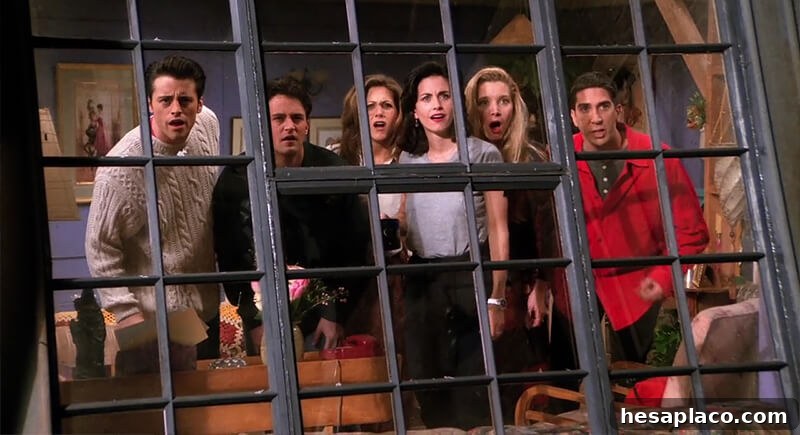
Rather than accept separate offers for season three, the cast negotiated as a unit and secured $75,000 per episode each. That joint approach forced studios to rethink contract strategies and demonstrated how ensemble bargaining could level the playing field for TV actors.
Gradual Growth in Seasons Four and Five
Credit: IMDb
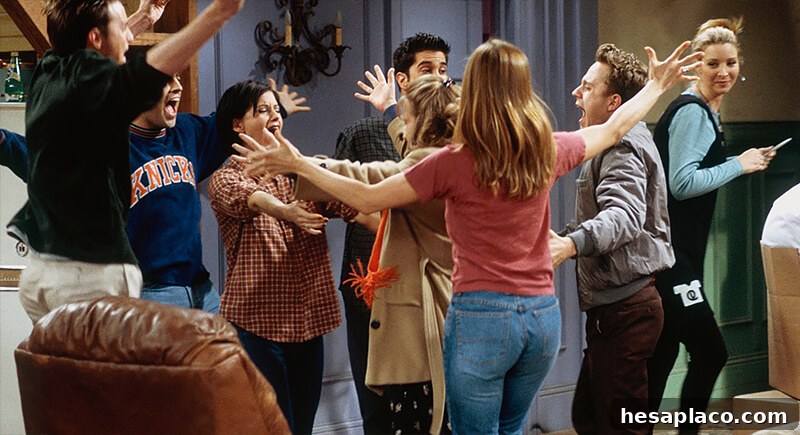
Pay continued to climb: $85,000 per episode in season four and $100,000 in season five. At the time, those sums were exceptional for television. The show’s runaway popularity redefined what networks were willing to pay to keep a beloved, consistent cast in place.
Crossing into Six-Figure Territory
Credit: IMDb
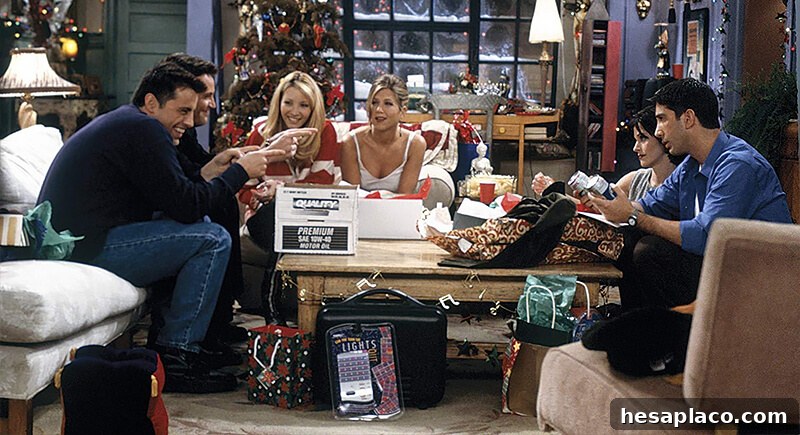
At $125,000 per episode, the cast broke the $3 million-per-season threshold and moved into the realm of movie-star-level pay. Friends had become a cultural institution, and the cast’s salaries reflected that status as both creative talent and marketable personalities.
Record Contracts in Seasons Seven and Eight
Credit: IMDb
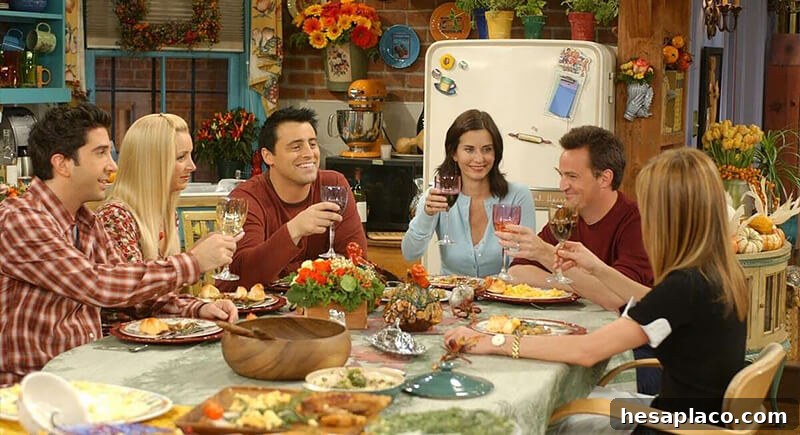
By seasons seven and eight, each actor was earning $750,000 per episode—roughly $36 million for a season. Warner Bros. understood the risks of replacing or sidelining any member of the ensemble and paid accordingly. These deals emphasized the value of familiarity and audience loyalty in network television.
The Million-Dollar Episodes That Changed TV Pay

Credit: IMDb
In 2002, the cast negotiated $1 million per episode for the final two seasons—about $41 million per actor per season. The paychecks made television history; Lisa Kudrow, Courteney Cox, and Jennifer Aniston briefly held the record as the highest-paid actresses on TV.
The Reunion Special Became Another Big Payday

Credit: IMDb
The 2021 reunion special proved lucrative. Reports suggest HBO initially offered $1 million per actor; the cast negotiated and ultimately earned between $2.5 million and $5 million each for the one-hour episode. That single appearance commanded sums comparable to entire early-season paychecks.
Syndication: Passive Income That Outpaced On-Set Work

Credit: IMDb
Decades after production ended, Friends remains a steady revenue source through syndication. The cast reportedly earns roughly $20 million per person annually from reruns. Warner Bros. generates about $1 billion a year from syndication, and the actors receive a share of those earnings. This passive income stream means they continue to profit from jokes and storylines written and performed years ago.
Streaming Bidding Wars Show the Series’ Value
Credit: iStockphoto
When Netflix lost the U.S. streaming rights in 2020, it paid $100 million for one final year. HBO Max outbid Netflix to secure the series afterward. The intense competition highlights how valuable the show remains to platforms seeking subscribers and consistent viewer engagement.
Jennifer Aniston’s Ongoing Market Power

Credit: IMDb
After Friends, Aniston leveraged her profile into substantial roles and producing credits. For example, she reportedly earns around $1 million per episode on The Morning Show. Keeping visible and building a recognizable brand helped translate sitcom fame into continued high earning potential.
Equal Pay as a Statement of Creative Partnership
Credit: IMDb
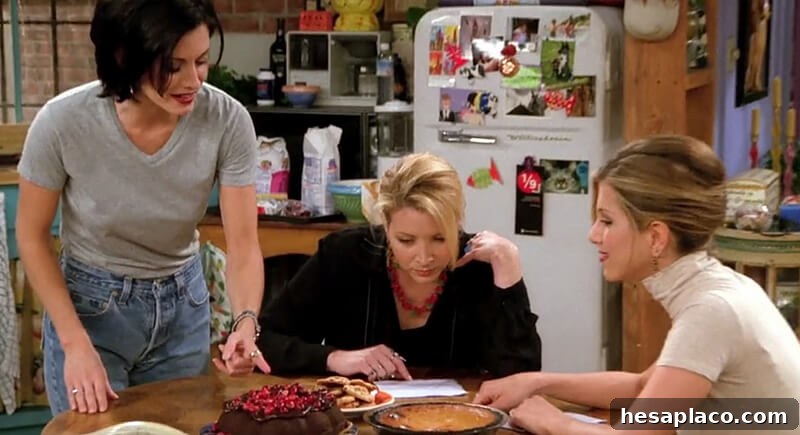
Lisa Kudrow and other cast members have explained that negotiating together was about partnership as much as pay. The characters’ chemistry depended on the ensemble, and equal compensation acknowledged that creative interdependence. Their stance helped normalize fair ensemble pay in Hollywood negotiations.
Syndication Paid Off for Warner Bros., Too

Credit: IMDb
While the initial seasons didn’t immediately turn a profit, syndication changed the calculus. With more than 100 episodes, Friends became a global syndication engine. Warner Bros. is estimated to have earned billions from syndication deals, proving that long-term licensing can make a slow-burning hit highly lucrative.
Cumulative Earnings That Rival Lifetime Careers
Credit: IMDb
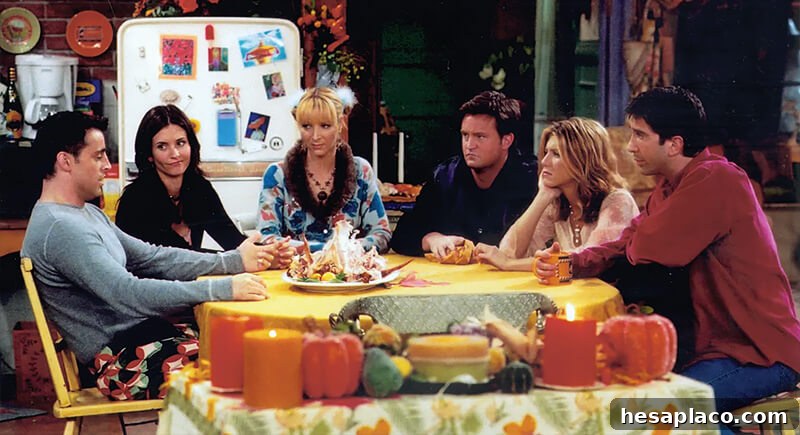
Estimates suggest each cast member earned roughly $136 million in pre-tax income from Friends alone, totaling over $800 million combined. Achieving that level of earnings across 236 episodes and a ten-year run is rare; the combination of timing, popularity, and savvy negotiation turned the show into a career-defining asset.
Beyond Paychecks: Perspective from the Cast

Credit: IMDb
Matt LeBlanc and Lisa Kudrow have pushed back against the notion that salary alone defines an actor’s worth. For them, negotiation was about seizing the right opportunity at the right time and ensuring fair compensation when leverage existed. In a profession with no guarantees, they prioritized securing value when they could.
In short, Friends reshaped how TV actors negotiate, how studios see long-term value, and how a sitcom can convert cultural affection into lasting financial returns. The coffeehouse may be fictional, but the economic legacy the show created is very real—and continues to pay out even now.