
The US economy added just 22,000 jobs in August 2025, well below the anticipated 75,000, signaling a slowdown that could affect household finances. This report arrives after the recent dismissal of the Bureau of Labor Statistics director, which has added public scrutiny to the data, but the economic implications stand on their own. Here’s what the numbers mean for workers, borrowers, and the broader economy.
Fewer Jobs Means Stronger Competition

Image via Canva /Aflo Images
The weak payroll gain means more people will be competing for a smaller number of openings. Some industries were hit harder than others: manufacturing lost 12,000 jobs in August, a notable decline, while healthcare and social assistance added positions but not enough to offset broader weakness. Overall hiring remains sluggish as businesses weigh economic uncertainty and policy headwinds.
Job seekers should broaden their approach. Consider expanding the geographic or occupational scope of your search, look at part-time or contract roles, and be open to retraining for growing fields. Employers are cautious about new hires given worries about demand, supply chain disruptions, tariffs, and tighter immigration rules that complicate workforce planning.
Rising Unemployment and Economic Strain
Unemployment rose to 4.3%—the highest reading since 2021—which, while modest historically, represents a meaningful deterioration in labor market conditions. The broader labor underutilization rate, which counts discouraged workers and part-time workers who want full-time work, climbed to 8.1%, indicating more hidden slack in the market.
For people currently employed, the trend could mean slower wage growth, fewer promotion opportunities, and heightened job insecurity. Employers facing weaker demand often freeze hiring, delay raises, or reduce hours before resorting to layoffs, producing a ripple effect that can dampen household incomes and spending.
The Federal Reserve’s Likely Response
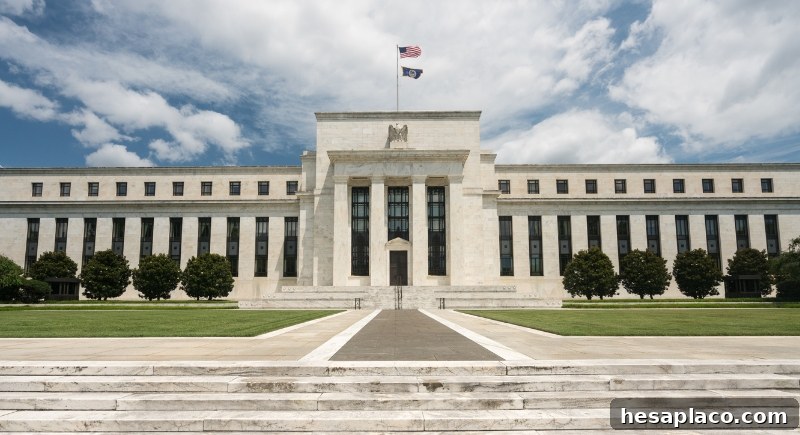
Image via Canva/Backyard Productions
Given the softness in payrolls, the Federal Reserve is widely expected to cut interest rates in its upcoming meeting. Lower policy rates can reduce borrowing costs for households and businesses—potentially lowering mortgage rates, auto loan costs, and credit card rates over time. That said, the magnitude and timing of any benefit will vary.
A modest 25-basis-point cut, for example, may ease borrowing costs slightly but is unlikely to deliver immediate, dramatic relief to consumers—especially if other inflationary pressures, such as tariffs or supply constraints, keep prices elevated. The Fed’s decision could provide some breathing room for the economy, but it won’t instantly reverse the slower labor market.
Practical Steps for Your Finances
With the labor market cooling, take concrete steps to protect your financial position. If you’re job searching, widen your network, upgrade skills that are in demand, and be open to temporary or part-time work to bridge gaps. If you’re employed, document your accomplishments, maintain an emergency fund, and be prepared for stiffer competition for raises and promotions.
If you have debt or plan to borrow, monitor interest rate trends. A rate cut could make now an opportune time to refinance a mortgage or lock in lower rates on major loans, but don’t assume large savings—it depends on markets and how lenders pass through Fed actions. Conversely, if inflationary pressures persist, any gains from rate cuts could be muted.
In short: the August jobs report points to a softer labor market that raises competition for openings and increases the risk of slower wage growth. The Federal Reserve may respond with lower rates, which could ease borrowing costs modestly, but households should remain cautious—keep skills current, preserve cash reserves, and plan for a potentially tougher job market ahead.