Perhaps you’ve heard stories of a single coin selling for a million dollars. Maybe you found a coin from the 1800s or earlier, or you’ve inherited a box of mixed coins. How can you tell which coins have real value, and what are the best ways to sell them?
It’s simpler than it seems. Make a habit of examining your coins. When you know how ordinary coins look, it’s easier to spot ones that are unusual. Set aside anything that looks different for a closer look later.
You probably don’t have a seven-figure coin in your pocket, but a collection you received or found may include pieces with real value—sometimes a complete set is worth more together than individually. As Rod Gillis, education director at the American Numismatic Association, advises: you have to go through each coin to know what you have.
Below are practical steps to identify valuable coins, what collectors seek, and options for selling or preserving them.
Consult the “Coin Bible”
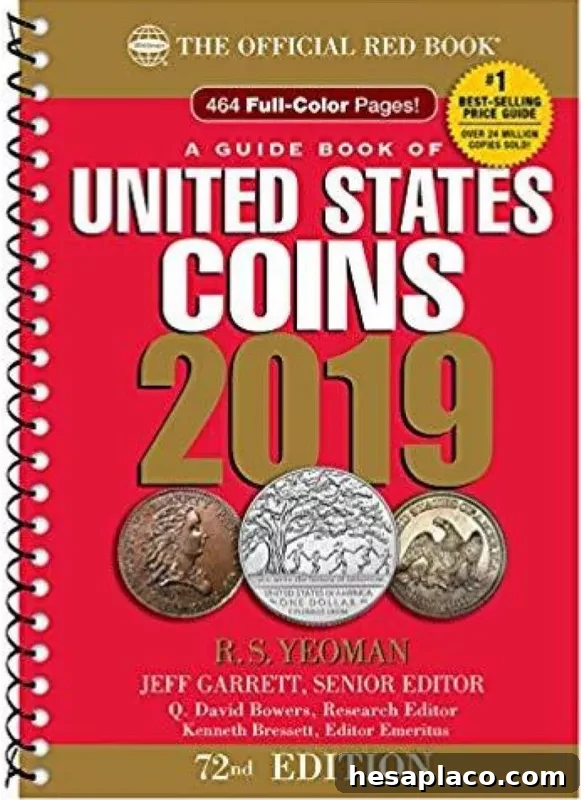
One essential resource for U.S. coin collectors is the annual A Guide Book of United States Coins, commonly known as the “Red Book.” It lists average retail prices for U.S. coins by grade and offers straightforward guidance on identifying and grading coins. The Red Book is widely used by collectors in both hardcover and spiral-bound editions—the latter is easier to use and less expensive.
Keep in mind the Red Book provides retail values, not what dealers typically pay (wholesale). Still, it’s a useful starting point for estimating worth and learning terminology.
Look for Errors
Getty Images
Small differences can add value. Inspect coins for die cracks, missing elements, doubled images, or incomplete strikes. Check lettering and image edges carefully. Tilting a coin under light can reveal errors not visible head-on. Also check rotation: if the reverse is not correctly oriented relative to the obverse (“out of rotation”), that can increase value slightly.
Examine the coin’s edge too—reeded edges, plain edges, or lettering on the edge should be consistent for the type and year. Learn common errors for particular series and years so you can spot them quickly.
Check Mint Marks
Getty Images
Mint marks indicate where a coin was produced and can strongly affect value. On most modern U.S. coins the mint mark appears on the obverse; older issues sometimes put it on the reverse. Philadelphia issues often have no mint mark. Some mints produced far fewer coins than others, so rarity by mint can matter a great deal.
Common U.S. mint marks and dates include:
- Carson City, Nevada (1870–1893) – CC
- Charlotte, North Carolina (1837–1861) – C
- Dahlonega, Georgia (1838–1861) – D
- Denver (1906–present) – D
- New Orleans (1838–1909) – O
- Philadelphia (1793–present) – P or no mark
- San Francisco (1854–present) – S
- West Point, New York (1984–present) – W
Be Aware of Fakes
Getty Images
Extremely rare or unusual coins can attract fakes. Check for signs of tampering, such as two coin faces joined together (so-called double-headed or double-tailed coins). These novelty items are not truly valuable to collectors. If you suspect a counterfeit, get a professional opinion rather than assuming value.
Do Your Research
Getty Images
There are no shortcuts: value depends on three key factors—mintage (how many were made), grade or condition, and collector demand. Often mintage is the most decisive factor. Learn about each coin individually and compare it to references like the Red Book and trusted auction results.
Many people overestimate the rarity of coins they inherit. Professional numismatists can help bring realistic expectations about what a collection may fetch.
Organize Your Collection
Getty Images
Sort first by denomination, then by design type. Within each design, group by year, mint mark, and any notable variants. That will help you spot complete sets and identify unusual pieces quickly—for example, certain modern nickels or pennies with distinctive production defects can be unexpectedly valuable.
Get an Appraisal
Getty Images
You can take a whole collection to a dealer for appraisal, but dealers often charge by time. Organizing your coins and checking basic values yourself first can reduce appraisal time and cost. Removing obviously common coins lets an appraiser focus on items that matter.
Don’t Feel Pressured to Sell
Getty Images
Dealers who belong to recognized numismatic organizations typically follow a code of ethics, but you are never obligated to accept the first offer. Shop around with two or three reputable dealers. Different dealers may value the same coin differently based on their inventory and buyer demand.
Don’t Clean Coins
Getty Images
Never clean a coin. Cleaning removes the natural luster and can harm the surface, significantly reducing value. If you’re uncertain whether a coin should be cleaned, consult a professional—most advice will be not to clean it.
Store Coins Properly
Getty Images
Keep coins in mint or near-mint condition by preventing contact and scratches. Use appropriate holders such as Mylar flips, acid-free folders, or albums. For rare or expensive coins, consider professional encapsulation (slabbing) by a third-party grading service to protect and authenticate them.
Consider Grading
Getty Images
Professional grading companies authenticate, grade, and encapsulate coins. This service has fees, so it’s usually only justified for coins whose potential sale price exceeds the grading cost. Know a coin’s likely value before submitting it for grading; in some cases fees outweigh the benefit.
Handle Coins Carefully
Getty Images
Handle coins by the edges, not the faces. Work over a soft surface to cushion accidental drops, wash hands before handling, and avoid food or drinks nearby. Some collectors use gloves, though others prefer clean, dry hands to reduce the risk of dropping a coin.
Old Doesn’t Always Mean Valuable
Getty Images
Age alone does not determine value. Some ancient or historic coins are common and inexpensive because many were produced. For example, some ancient Roman coins and widely produced U.S. issues can be affordable despite their age. By contrast, extremely low-mintage items—like the famous 1913 Liberty Head nickel, of which only a handful exist—can be worth extraordinary sums.
Selling to a Dealer
Getty Images
Selling to a dealer is fast and convenient, but they need to make a profit and will pay less than retail. Dealers may decline large collections if many pieces are common, so sorting beforehand helps. A dealer sale is often the most efficient option for disposing of a collection.
Selling on Your Own
Getty Images
Online marketplaces like auction sites can reach many buyers, but selling successfully requires detailed knowledge of your coins, accurate descriptions, and clear photographs showing any flaws or features. If you lack experience, consider contacting local coin clubs or experienced collectors who can advise or help broker a sale.
Selling at Auction
Getty Images
Auction prices can be high for rare items, but selling through auctions takes time and costs money in seller fees and catalog preparation. Auction houses specializing in numismatics will select the most desirable pieces and may decline common items. For moderate-value coins, auction fees and wait times may outweigh the benefits.
A complete, well-documented set typically brings more than selling pieces individually, so consult references to determine if you have sets before selling.
Consider Donating Coins
Getty Images
If coins have modest value but you don’t want to keep them, consider donating to museums or educational organizations that accept collections. Some charities also accept coin donations and sell them to support their programs.
Most Valuable Coins: Pennies l Nickels l Dimes l Quarters