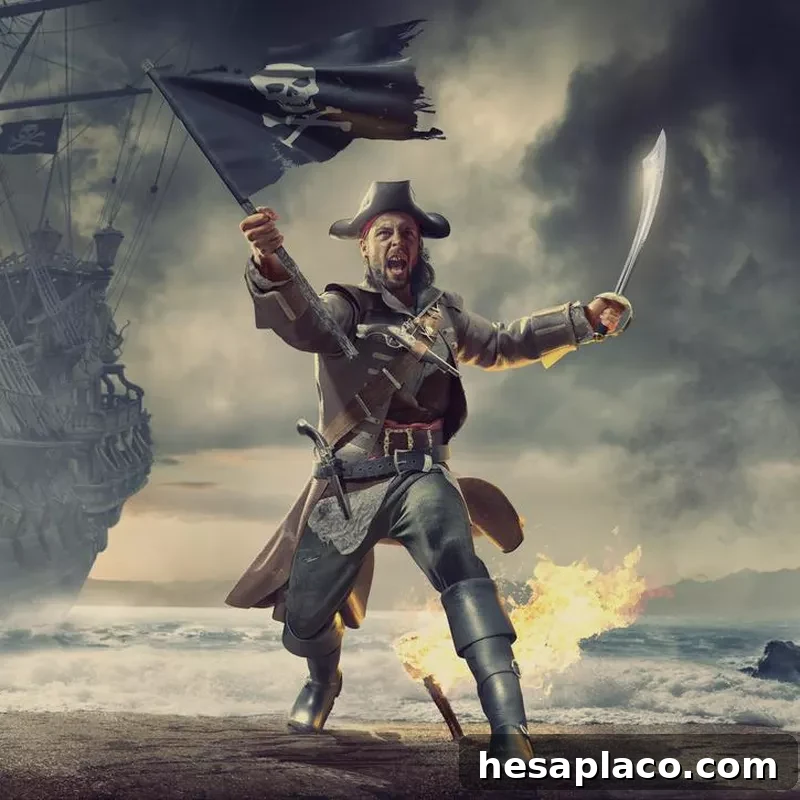
The Golden Age of Piracy, roughly 1650–1720, remains one of history’s most fascinating periods. Stories of daring raids, colorful characters and life aboard pirate ships have inspired countless novels, films, comic books and television shows. While popular culture often exaggerates or invents details, many real aspects of pirate life are equally compelling.
Walking the Plank Is Mostly a Myth
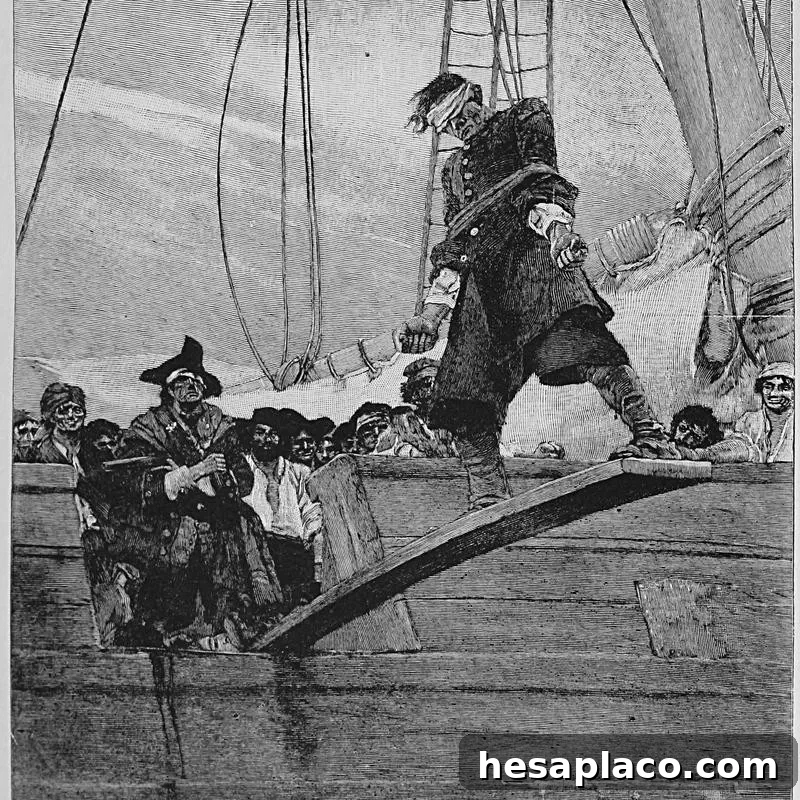
Howard Pyle’s drawing for Harper’s Magazine in 1887 further popularized the myth of pirates making people walk the plank. Howard Pyle / Wikipedia
The dramatic image of a captive forced to shuffle down a narrow plank into the sea is largely a literary invention. The phrase appears in early works such as the 1724 “A General History of Pyrates,” but historical evidence for frequent plank-walking is sparse. In a handful of accounts—sometimes involving mutineers rather than pirates—people were compelled to step off a plank, but routine executions were more often done by simply throwing victims overboard, shooting or stabbing them. Robert Louis Stevenson’s Treasure Island and later illustrators like Howard Pyle cemented the plank image in popular imagination.
Blackbeard’s Appearance Was Overstated
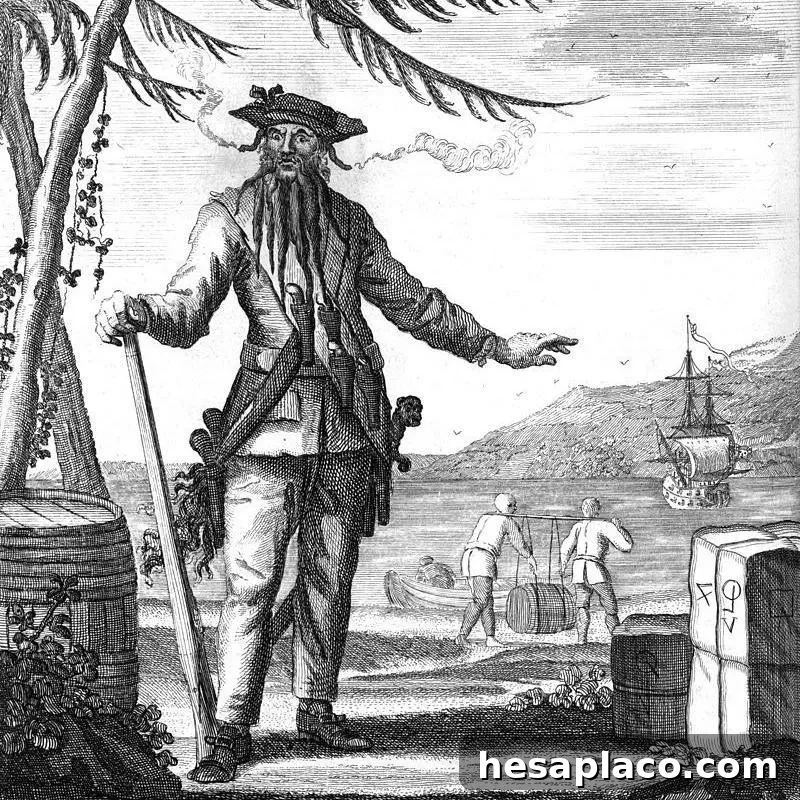
A drawing of Blackbeard, which appeared in the 18th century book “A General History of Pyrates.” Wikipedia
Edward Teach, known as Blackbeard, earned a fearsome reputation, but contemporary descriptions are surprisingly short: a tall, spare man with a long beard. The stories about lit fuses woven into his facial hair or matches tucked under his hat likely stem from later sensationalized accounts. He was politically entangled with colonial interests and met a violent end in battle in 1718, but many of the theatrical details associated with him are embellishments added over time.
Pirates Participated in the Slave Trade
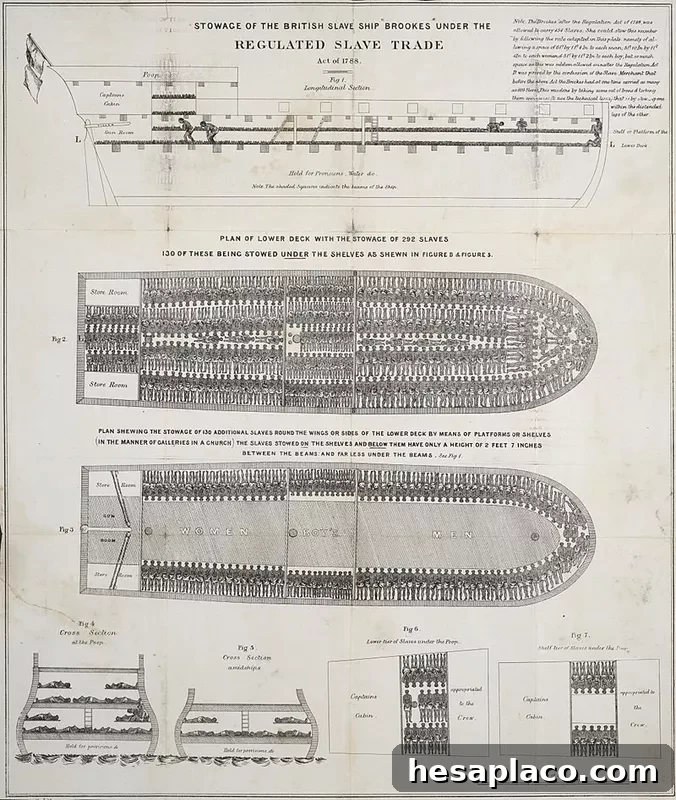
A diagram of the 18th-century British slave ship Brookes. Plymouth Chapter of the Society for Effecting the Abolition of the Slave Trade / Wikipedia
While pirate crews could be ethnically diverse and sometimes provided refuge to escaped enslaved people, many pirates also engaged in the slave trade when profit demanded it. Slavery was an enormous commercial enterprise, and unscrupulous pirates took part in capturing, transporting and selling enslaved people. The reality of piracy includes both instances of resistance to slavery and participation in its horrors.
Pirate “Workman’s Comp” Existed
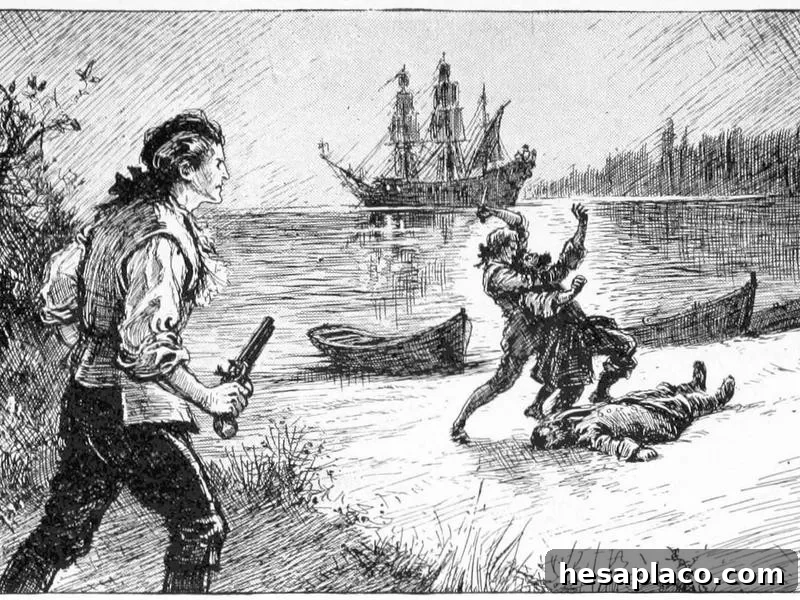
An illustration by Paul Hardy for “Rogues of the Fiery Cross” by Samuel Walkey. Paul Hardy / Wikipedia
Pirate crews often governed themselves with articles that specified shares of plunder and compensation for injuries. Accounts like Alexandre Exquemelin’s The Buccaneers of America list payments for lost limbs and eyes, illustrating that many ships provided some form of compensation for serious wounds. These arrangements varied by ship, but they demonstrate that pirates organized economic incentives and looked after injured comrades to an extent.
Pirate Pay Could Exceed Land Wages
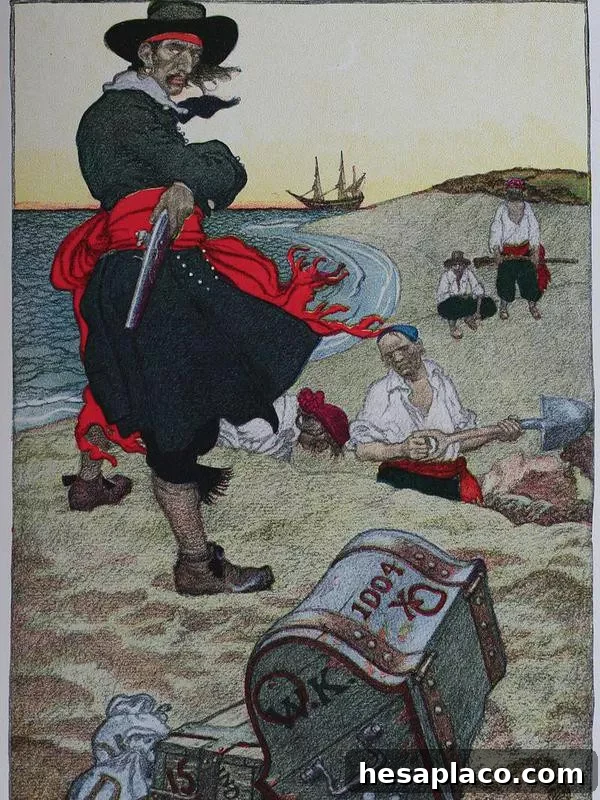
An illustration by Howard Pyle of Captain Kidd’s treasure from “Howard Pyle’s Book of Pirates.” Howard Pyle / Wikipedia
For many common sailors, piracy offered a chance at far greater earnings than could be made at home. Instead of low agricultural or urban wages, pirate shares of captured cargo could be substantial. Crews divided loot according to agreed shares; captains and quartermasters took larger portions while skilled specialists—surgeons, carpenters—received bonuses. The catch: no plunder meant no pay.
Pirate Ships Were Not Prone to Mutiny
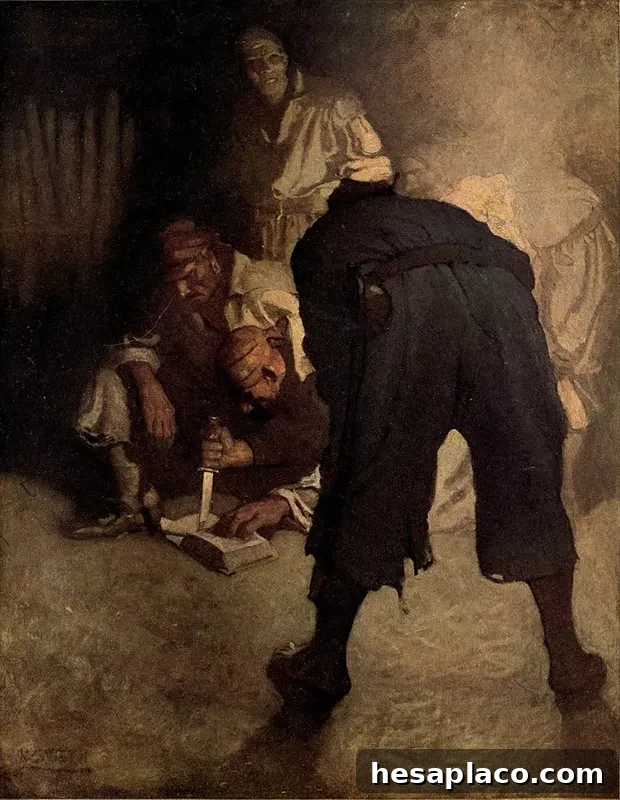
An illustration for Robert Louis Stevenson’s “Treasure Island.” N.C. Wyeth / Wikipedia
Mutiny is a term for rebellion against lawful authority, typically aboard naval or merchant vessels. Pirate ships operated differently: they functioned as quasi-democratic communities governed by articles the crew agreed upon. Captains were often elected and could be deposed by vote, so leadership changes were routine rather than acts of mutiny in the conventional sense.
The Royal Navy Trained Many Pirates—Sometimes by Force
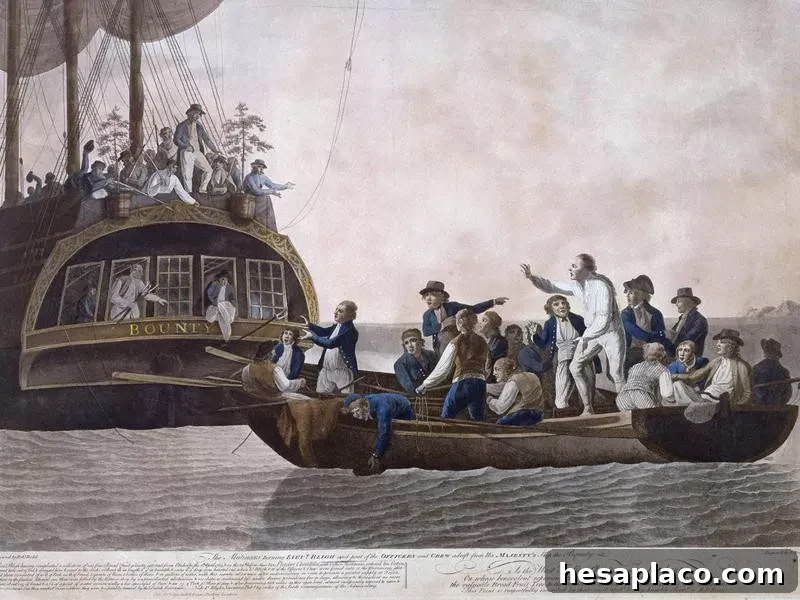
A 1790 painting by Robert Dodd showing the overthrown captain of the Royal Navy vessel the HMS Bounty and his loyal crew sent adrift by mutineers. Robert Dodd / Wikipedia
The Royal Navy was the largest naval force of the era and often used impressment—press gangs that forced men into service—to crew its ships. Sailors impressed into naval service gained seamanship and combat experience, and many later deserted or turned to piracy. Forced service thus helped produce a pool of skilled seamen who could become pirates and who often resented the Crown.
Brutal Punishments Were Employed
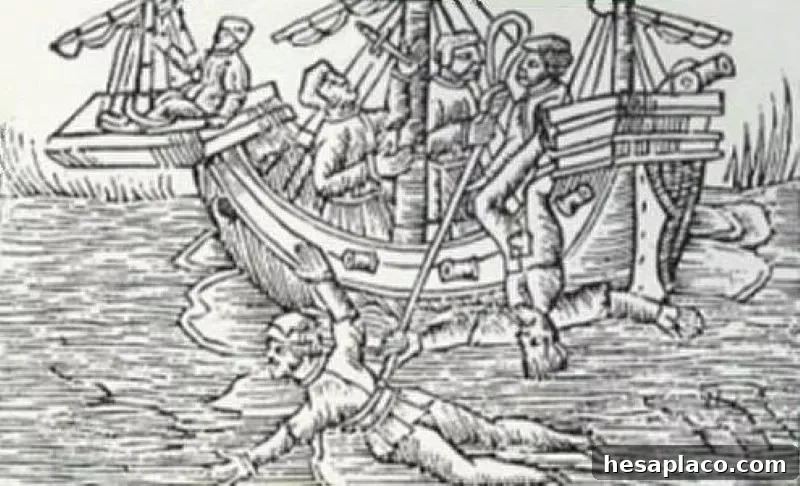
A Tudor period woodcut print of keelhauling. Bournville Village Trust, Birmingham, England / Wikipedia
Pirate crews sometimes adopted harsh naval punishments. A recorded sanction for murder aboard a pirate ship involved tying the murderer to weights and the corpse and throwing both overboard. Keelhauling—dragging a man under the hull of a ship—was chiefly a Dutch naval punishment and lacks strong evidence of pirate use, but other cruel penalties were certainly part of the maritime world.
Privateers Could Become Pirates
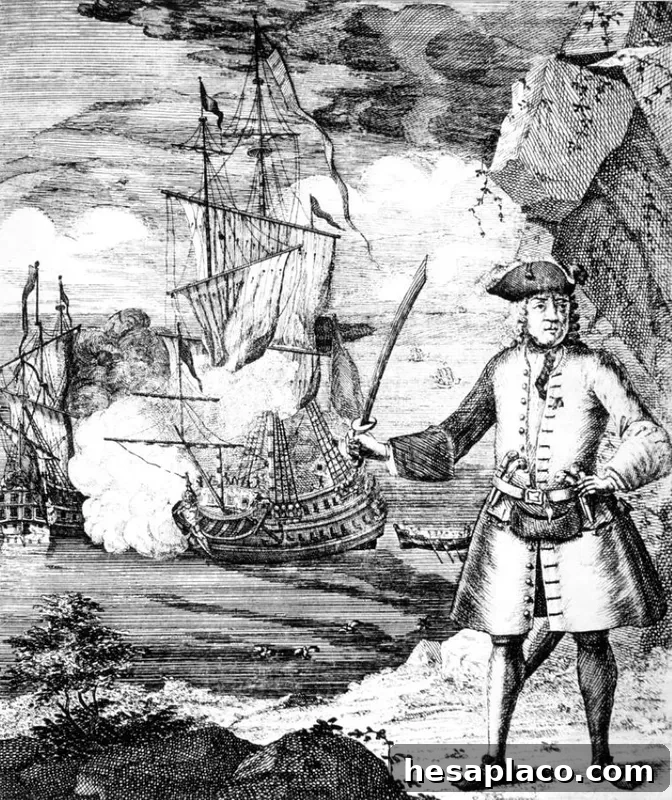
An 18th century drawing of Henry Every, unknown author. Wikipedia
Privateering—state-sanctioned raiding under a letter of marque—blurred the line with piracy. Several famous pirates, including Henry Every and William Kidd, began as privateers or naval officers before turning to outright piracy. Sometimes crews mutinied or shifted to act independently when opportunities or grievances arose.
Pirates Followed Codes of Conduct
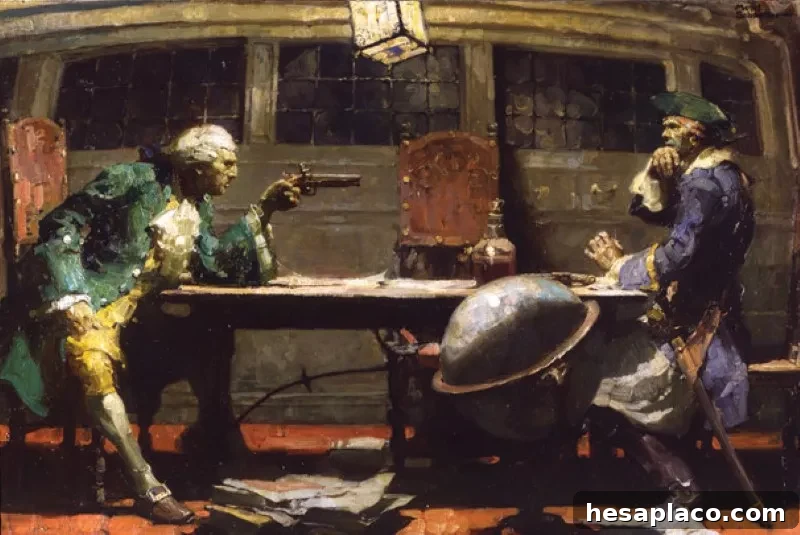
An illustration for the 1920 novel “The Black Buccaneer” by Stephen Meader Harcourt. Meade Schaeffer / Wikipedia
Many ships operated under written articles that regulated shares, behavior, and discipline. Quartermasters enforced rules and could administer lashings; captains had the authority to punish but often used it sparingly to avoid undermining morale. Crews swore oaths to these articles—sometimes on a Bible, sometimes on other objects—creating a contractual social order at sea.
Marooning Was a Real Punishment

“Marooned” by Howard Pyle. Howard Pyle / Wikipedia
Marooning—abandoning a crewmember on an uninhabited island with minimal supplies—was explicitly listed in some pirate articles as punishment for theft, cowardice or desertion. The practice could be a death sentence and was used as a deterrent against theft and disloyalty.
They Flew Many Different Flags

A pirate ship with flags sailing at sea. Ryan Rad / Getty Images
Contrary to a single standardized image, pirates flew a variety of black flags with skulls, skeletons, hourglasses and other intimidating symbols. The Jolly Roger, in several variations, signaled a desire to capture without bloodshed if possible. Specific symbols communicated messages: an hourglass for limited time to surrender, crossed bones for death, or more elaborate designs tailored to the captain.
The Red Flag Meant No Mercy

A pirate ship on the sea at sunset. Getty Images
If a target refused to surrender, pirates sometimes raised a red flag to indicate they would give no quarter—that is, they intended to attack and show no mercy. This signal reinforced the reputational threat of violence, used to intimidate and coerce surrender without prolonged combat.
Pirates Preferred Easy Victories
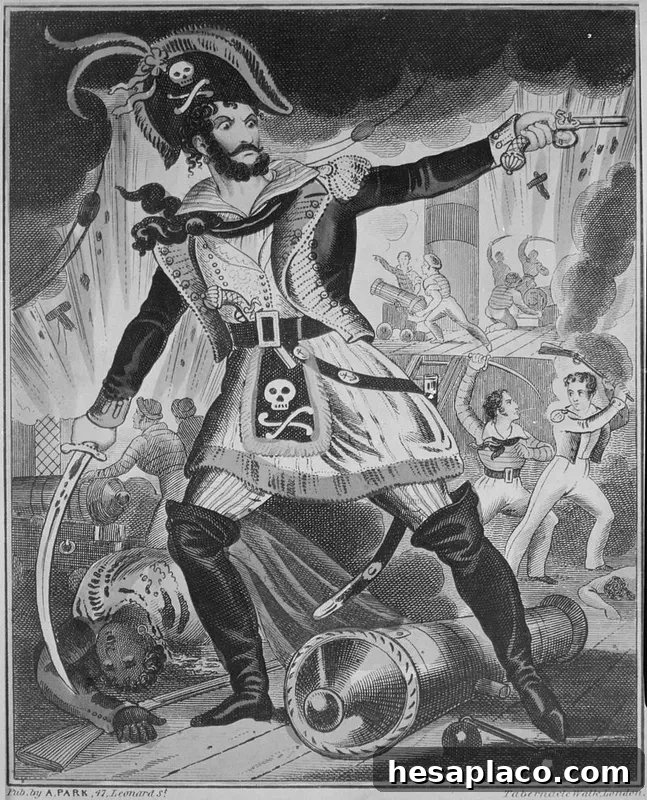
A pirate caricature by Paul Jones. Paul Jones / Wikipedia
Pirates aimed to maximize profit and minimize risk. They targeted merchant vessels and used intimidation, deception and speed to secure loot with as little fighting as possible. When combat was unavoidable—especially after raising the red flag—pirates fought fiercely, because reputation helped ensure future prizes surrendered without resistance.
Captured Sailors Could Join the Crew
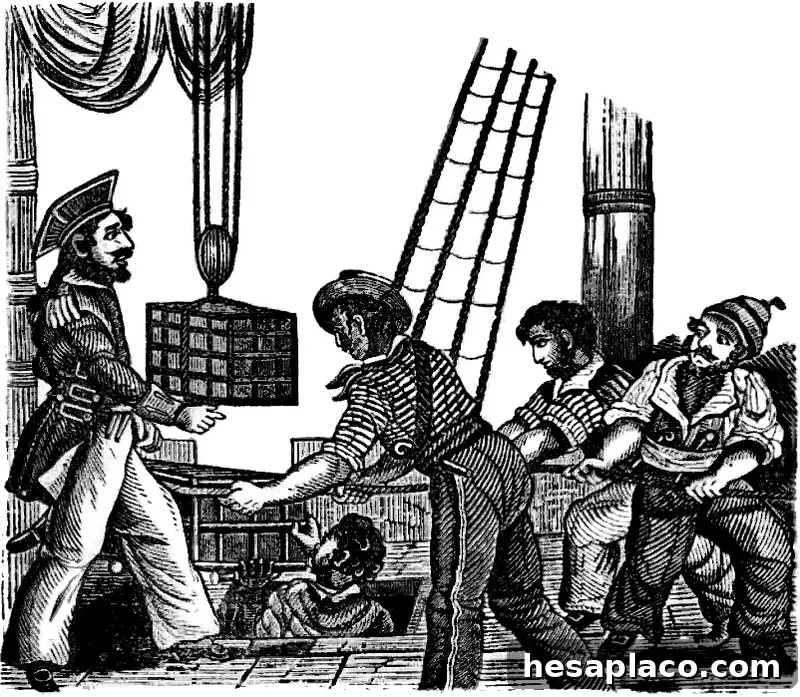
An 1837 woodcut from “The Pirates Own Book” by Charles Ellms. Charles Ellms / Wikipedia
Pirates often recruited from captured crews. Men who were disillusioned with their captains, attracted by better pay or willing to risk life under a different banner sometimes joined willingly. Those who refused were sometimes released, pressed into service elsewhere, or set adrift depending on circumstances.
Speed and Maneuverability Were Vital
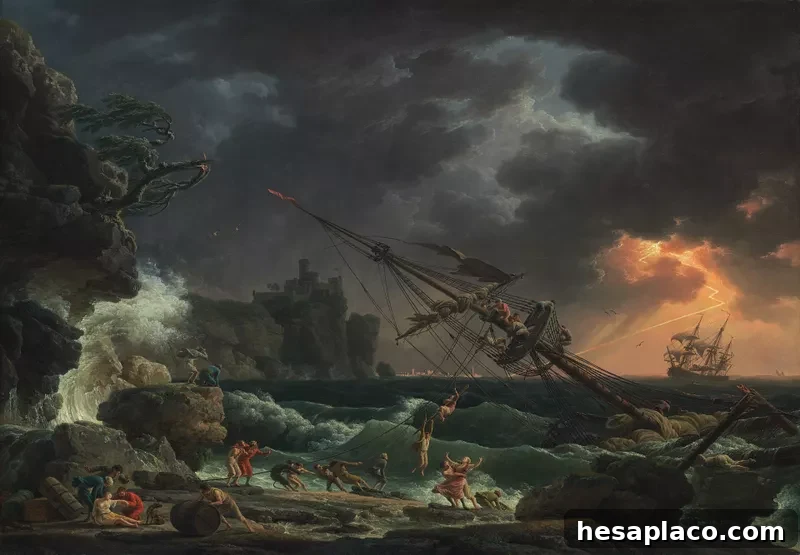
“The Shipwreck,” a 1772 painting by Claude Joseph Vernet. Claude Joseph Vernet / Wikipedia
Successful pirate operations relied on fast, well-handled vessels. Captains upgraded ships when possible, favoring speed and firepower that allowed them to overtake prey and disengage from superior forces. Many famous pirates captured and repurposed larger, better-armed ships as their careers advanced.
The Queen Anne’s Revenge Was Recovered
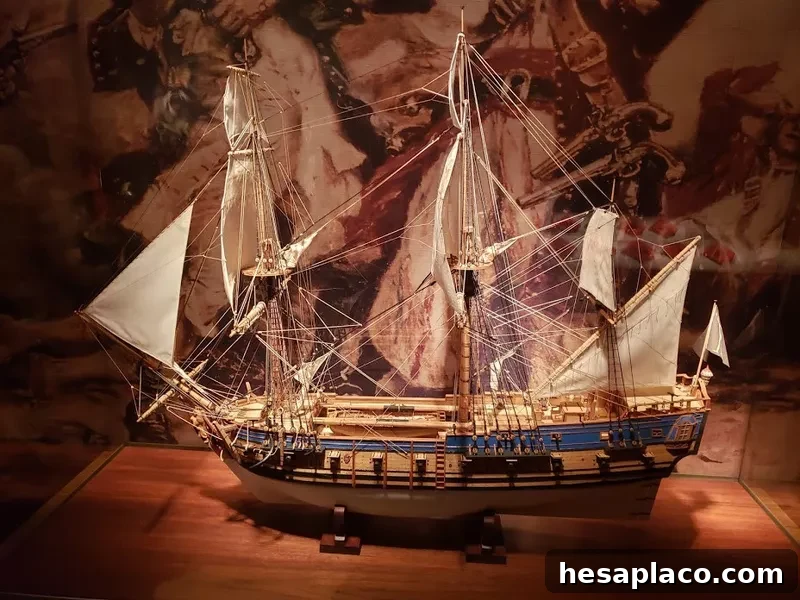
A modern model of the Queen Anne’s Revenge at the North Carolina Museum of History. Qualesin / Wikipedia
Blackbeard’s flagship, the Queen Anne’s Revenge, was intentionally run aground in 1717 off what is now Beaufort Inlet, North Carolina. Discovered in 1996, the wreck has yielded hundreds of thousands of artifacts—cannons, anchors, grenades and other maritime items—many of which are displayed at the North Carolina Maritime Museum and have informed our understanding of pirate material culture.
Blackbeard Demanded Medical Supplies
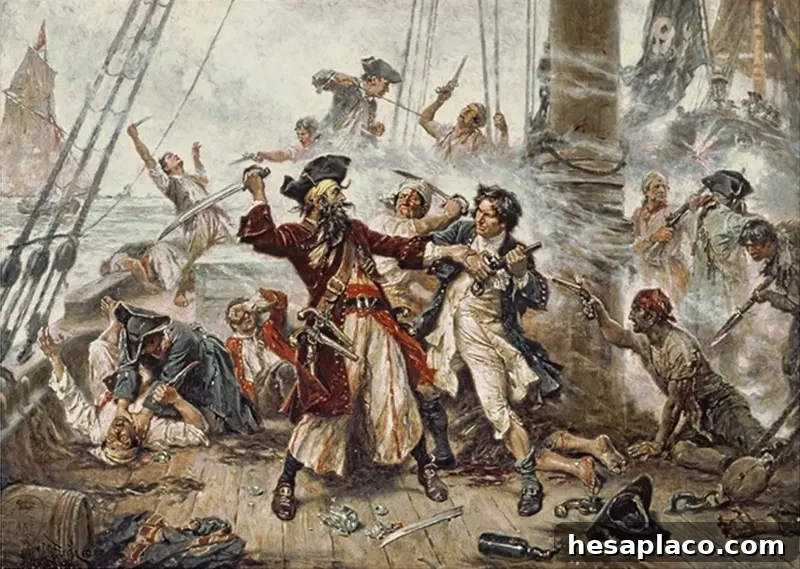
“Capture of the Pirate,” a 1920 painting by Jean Leon Gerome Ferris. Jean Leon Gerome Ferris / Wikipedia
In 1718 Blackbeard blockaded Charleston and held hostages for ransom, reportedly demanding medical supplies. Historians suggest one reason might have been the need for treatments for sexually transmitted infections like syphilis, which were common among sailors. The ransom demand illustrates how pirates leveraged towns to obtain specific goods and supplies.
Some Loots Were Enormously Profitable
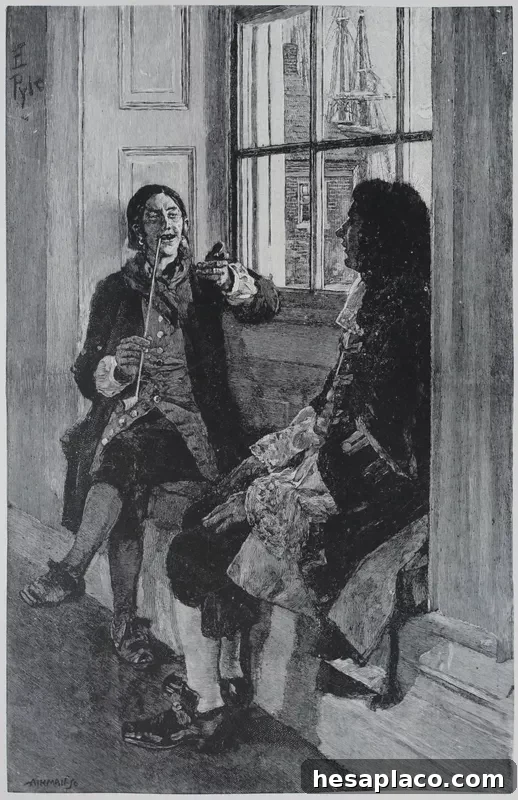
A depiction of Thomas Tew by Howard Pyle published in Harper’s Magazine in 1894. Howard Pyle / Wikipedia
Some raids produced life-changing wealth. Thomas Tew’s Red Sea voyages returned crews with enormous prizes—reports suggest payments of thousands of pounds to individual sailors. Henry Every’s capture of the Ganj-i-Sawai yielded a treasure so massive that it made him infamous and briefly sent shockwaves through international trade networks.
Piracy Thrived in Colonial America for a Time
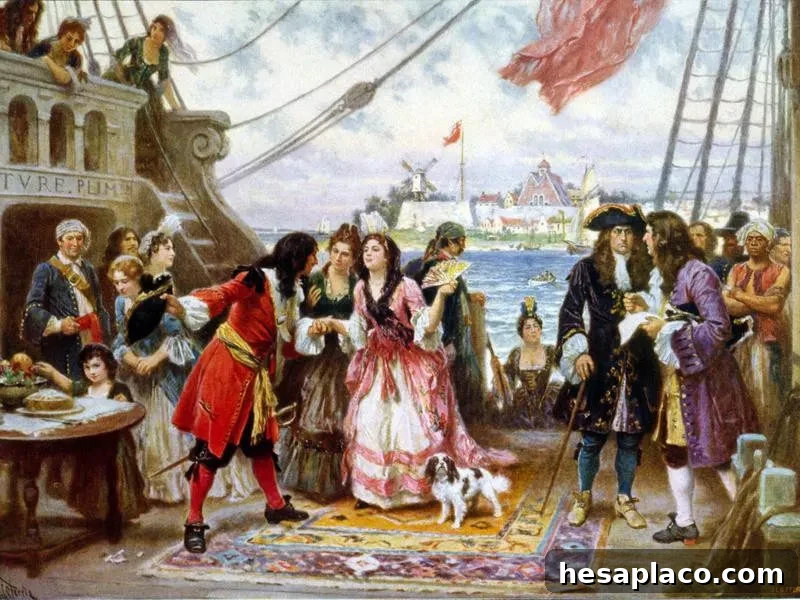
“Captain Kidd in New York Harbor,” a 1920 painting by Jean Leon Gerome Ferris. Jean Leon Gerome Ferris / Wikipedia
Trade regulations and mercantile restrictions sometimes drove colonial ports to tolerate or even collude with pirates because they brought valuable goods and currency into the colonies. Governors in places such as North Carolina and Rhode Island profited indirectly from pirate commerce until metropolitan authorities tightened control.
North Carolina and Rhode Island Were Popular Havens
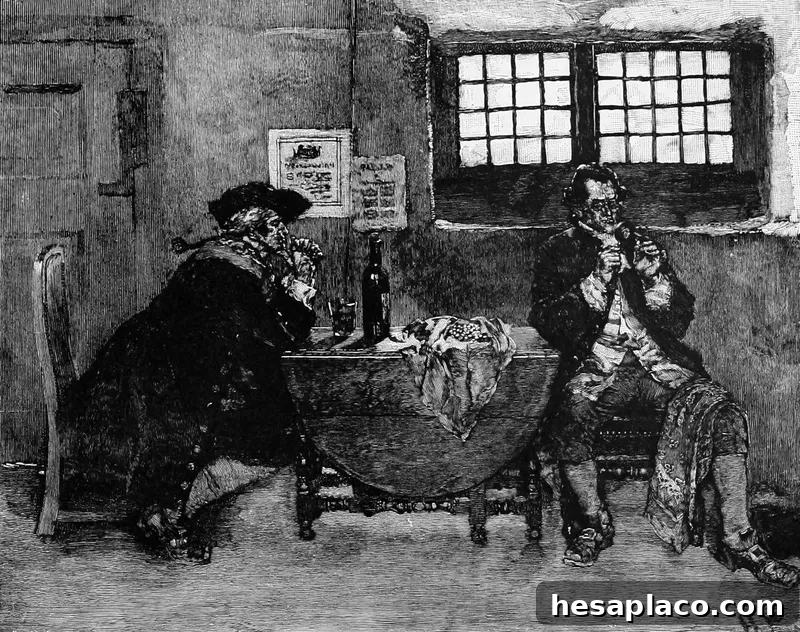
A drawing by Howard Pyle depicting Henry Every selling his stolen wares from an 1887 issue of Harper’s Magazine. Howard Pyle / Wikipedia
Bath, North Carolina, and parts of Rhode Island provided relatively safe ports for pirates at certain times. Corrupt or complicit local officials, combined with lucrative contraband markets, made these colonies attractive staging points and marketplaces for plundered goods.
Peg Legs and Hooks Were Possible but Not Common
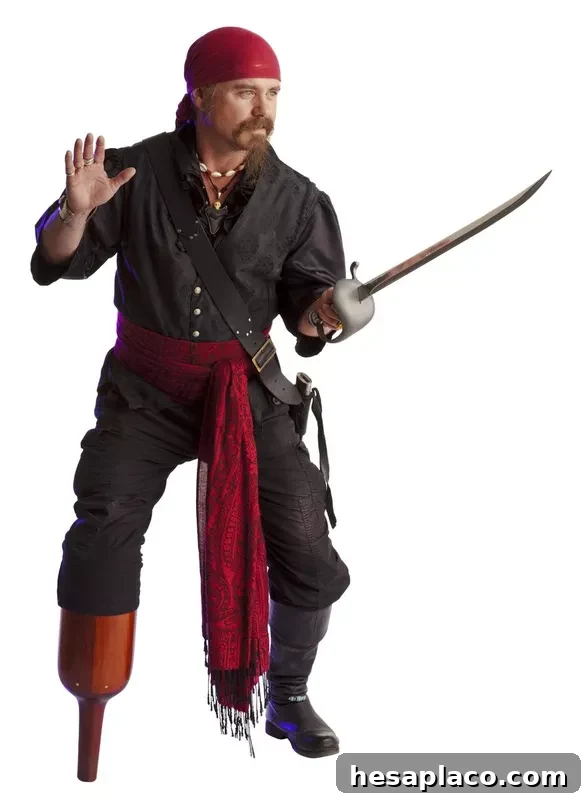
FlamingPumpkin / Getty Images
Amputations and prosthetics existed historically, so some veterans of maritime violence could have used wooden legs or metal hand devices. Prosthetic technology dates back centuries, though infection and lack of advanced care made survival uncertain. Iconic images of hooks and peg legs stem more from legend than widespread practice.
Pirates Had Distinct, Rough Appearances
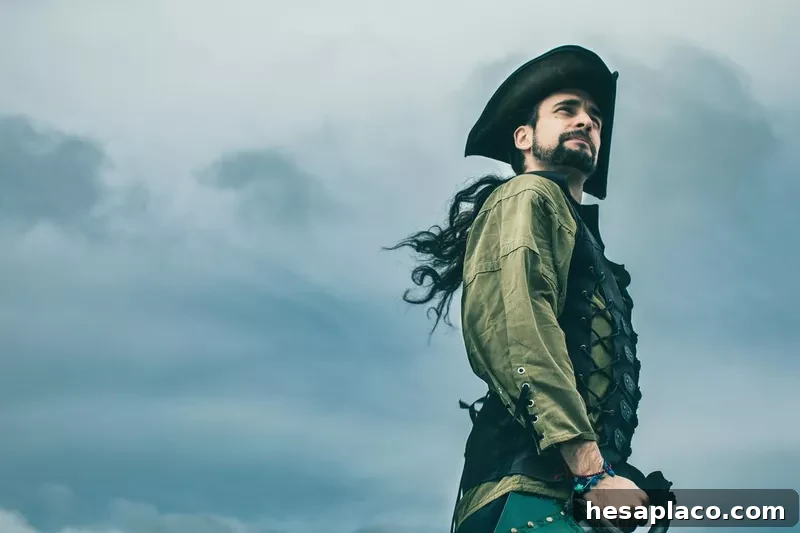
MmeEmil / Getty Images
The romanticized, flamboyant pirate look—bandanas, flashy sashes and abundant jewelry—owes much to 19th-century artists like Howard Pyle. Real sailors often appeared weather-beaten, with sun- and salt-damaged skin and practical clothing. Some pirates dressed ostentatiously to flaunt wealth or flout sumptuary laws, while others remained plainly attired.
Pirate Speech Was Not “Arrr” All Day
donfiore / Getty Images
The stereotypical “pirate accent” comes largely from Robert Newton’s portrayal of Long John Silver in the 1950 film adaptation of Treasure Island, which popularized the West Country English accent and phrases. Real pirates spoke in the dialects they brought with them—English, Dutch, French, Spanish, Chinese and others—so their speech varied widely.
Many Pirates Kept Pets
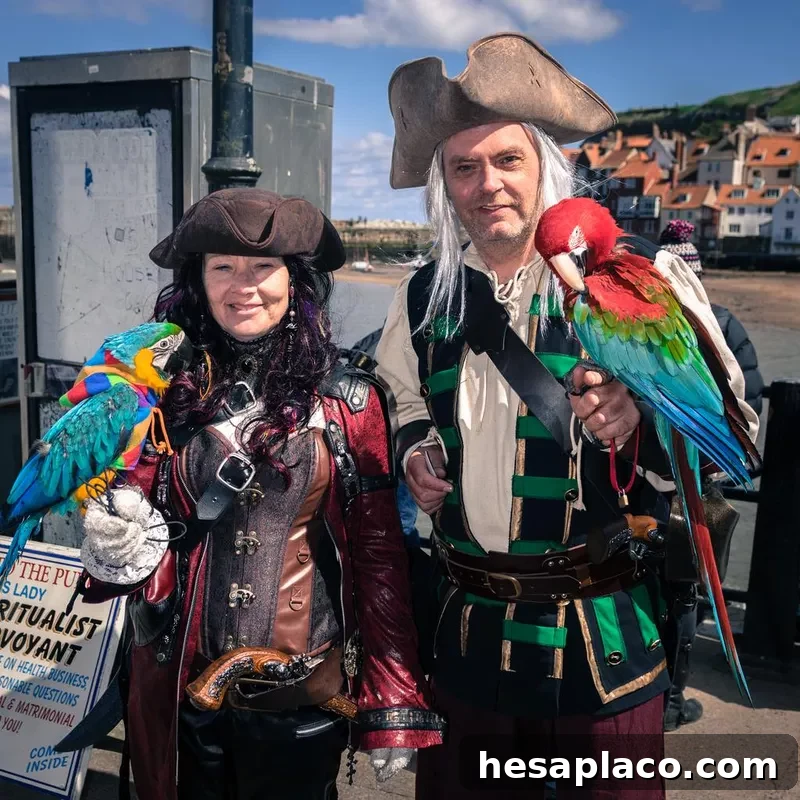
ColobusYeti / Getty Images
Parrots and other exotic animals appear in pirate fiction because they were indeed kept by some sailors who sailed to tropical regions. Parrots, monkeys and other creatures could serve as companions and sometimes fetched value in port. The image of a pirate with a parrot—made famous by Long John Silver—has a basis in reality for those who operated in tropical waters.
Black Pirates Existed, but Records Vary
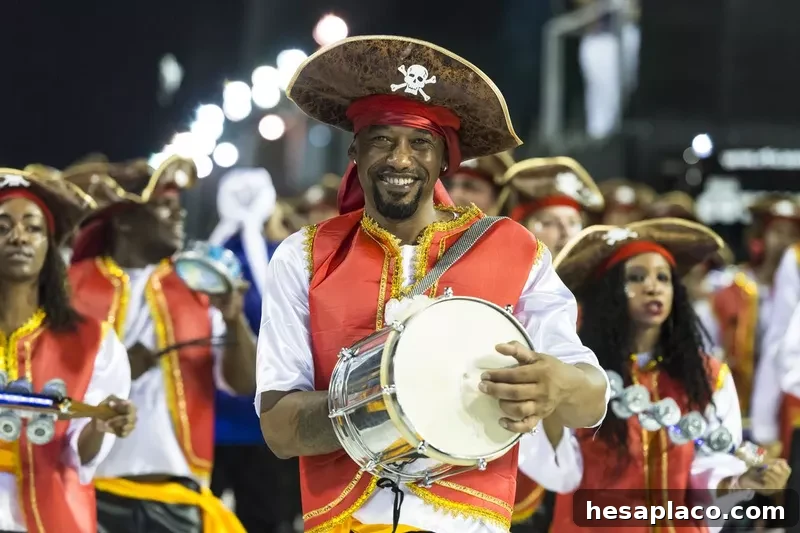
Florianópolis, Brazil – February 10, 2018: A close-up view of the samba school member from the ‘Nação Guarani’ with the Brazilian friction drum musical instrument during the 2018 Carnaval Parade in Florianópolis, Santa Catarina State – Brazil. Global_Pics / Getty Images
Scholars disagree on the percentage of Black sailors and former enslaved people among pirate crews. Some historians argue that pirates offered relative equality and refuge for escaped enslaved people, while other accounts show Black seafarers relegated to the toughest duties. Evidence confirms the presence of Black sailors and occasional high-ranking Black pirates, but the picture is complex and varies by time and place.
Women Faced Hostility but Some Became Pirates
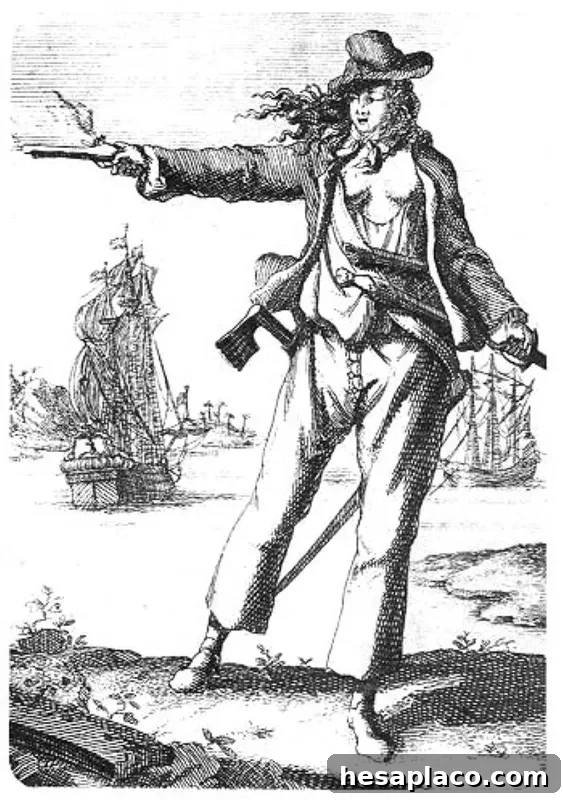
An illustration of Anne Bonny from “A General History of Pyrates.” Wikipedia
Many pirate crews officially banned women, viewing them as bad luck or distractions. Yet some women defied norms and joined pirate life. Anne Bonny and Mary Read are among the most famous: both fought alongside male crew members and gained reputations as fierce combatants. Their stories are rare but well-documented examples of women who thrived in a male-dominated world.
Some Women Reached Remarkable Power
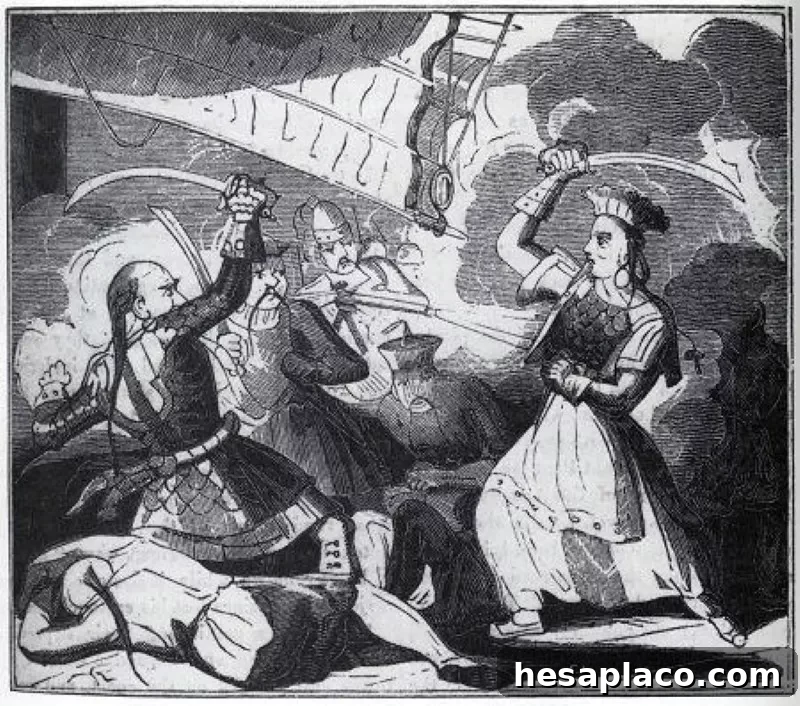
An illustration from “History of Pirates of All Nations” from 1836. Wikipedia
Ching Shih (Shi Xianggu) stands out as one of history’s most successful pirate leaders. Rising to command the Red Flag Fleet in early 19th-century China, she controlled hundreds of ships and tens of thousands of crew at her peak. Her strict code and leadership allowed her to secure an advantageous amnesty later in life and retire with wealth and status.
Western Piracy Had Monumental Hauls
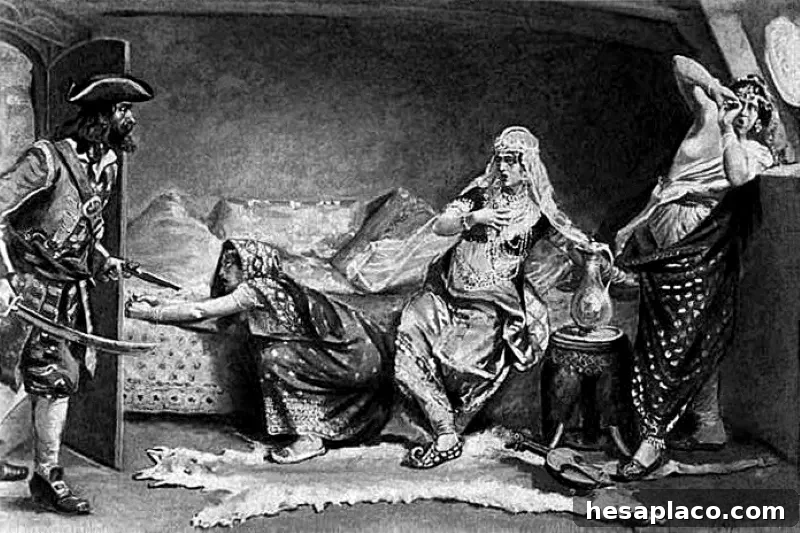
A 20th-century painting depicting Captain Henry Every on the Ganj-i-Sawai. John Ward Dunsmore / Wikipedia
Henry Every’s capture of the richly laden Ganj-i-Sawai in 1695 is one of the most lucrative robberies in maritime history. The enormous value of that haul made Every infamous and sent reverberations through international politics and trade, though his crew’s subsequent brutality also stained their legacy.
Many Pirates Had Families
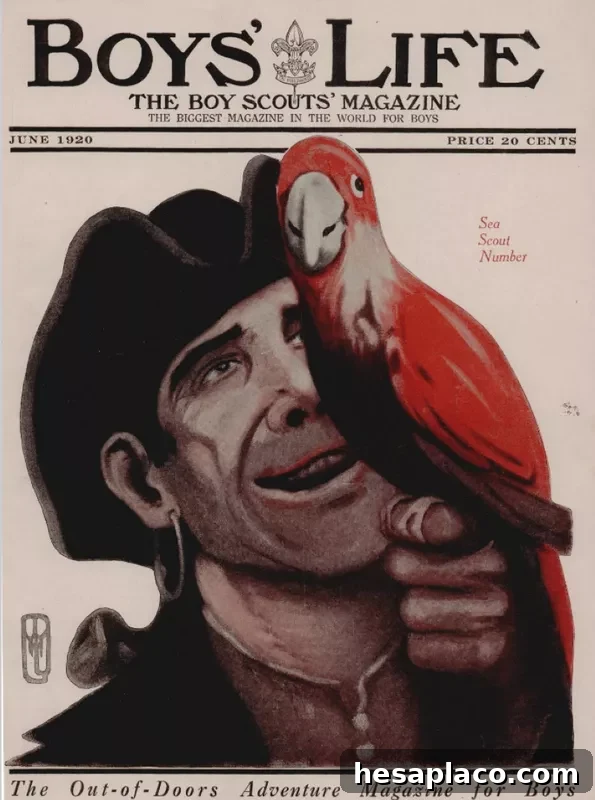
The cover of the June 1920 issue of Boys’ Life magazine, which depicts a pirate with a parrot. Boys’ Life Magazine / Wikipedia
Contrary to the lone-wolf stereotype, many pirates maintained families and homes ashore. Wives and relatives sometimes participated in the business of fencing stolen goods or managing affairs while sailors were at sea.
Even Wealthy Pirates Often Met Violent Ends at Sea
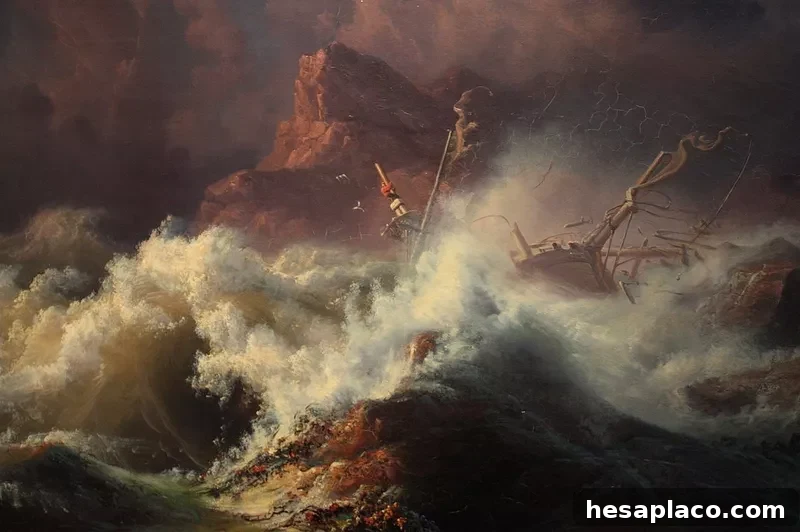
“The Wreck” by Knud-Andreassen Baade, circa 1835. Knud Baade / Wikipedia
Samuel “Black Sam” Bellamy became famous for capturing numerous ships and acquiring a magnificent prize, the Whydah. Yet he and most of his crew died when a storm wrecked the Whydah off Cape Cod in 1717. Many pirates who amassed wealth ultimately died at sea or met violent ends.
The Youngest Recorded Pirate Was Around 11
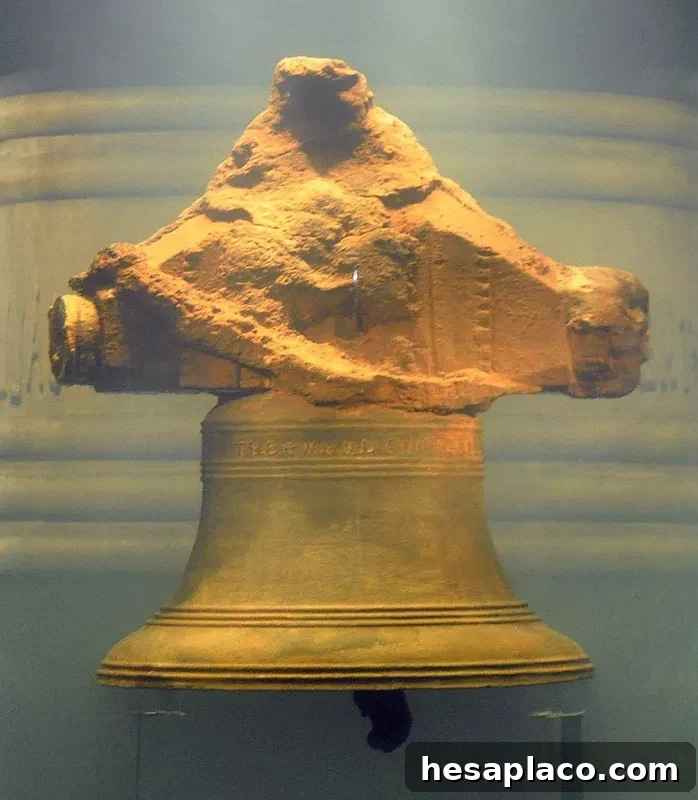
A bell from the wreckage of the Whydah. jjsala / Flickr
John King, a boy of about 10 or 11, is known from ship manifests and artifacts recovered from the Whydah wreck. He begged to join Bellamy’s crew and was allowed to do so. His story is a grim reminder that very young people sometimes found themselves drawn into maritime violence.
Pirate Strongholds Existed Worldwide
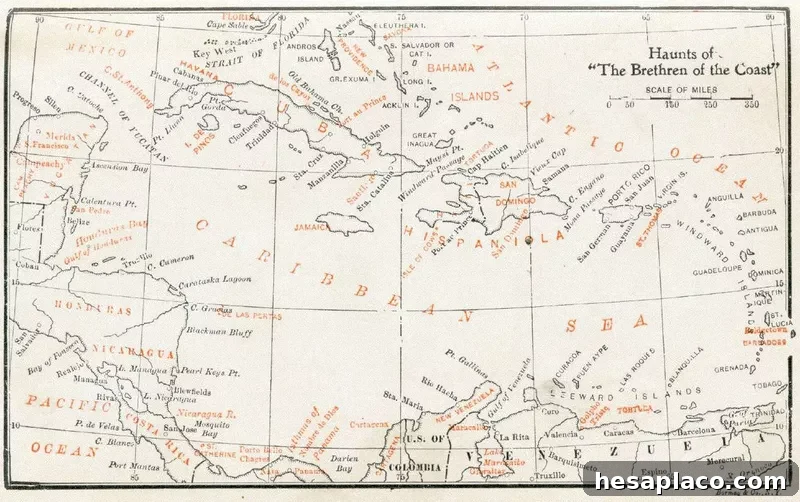
A map titled “Haunts of ‘The Brethren Coast’” from the 1897 book “Buccaneers and Pirates of Our Coasts.” Wikipedia
Some ports became de facto pirate cities—Port Royal in Jamaica being the best-known example during the 17th century—offering safe harbor, markets for contraband and a culture of vice. Other pirate-friendly locations included Tortuga, New Providence in the Bahamas, certain islands near India, and coastal havens along the Irish coast.
Henry Morgan Became Lieutenant Governor of Jamaica
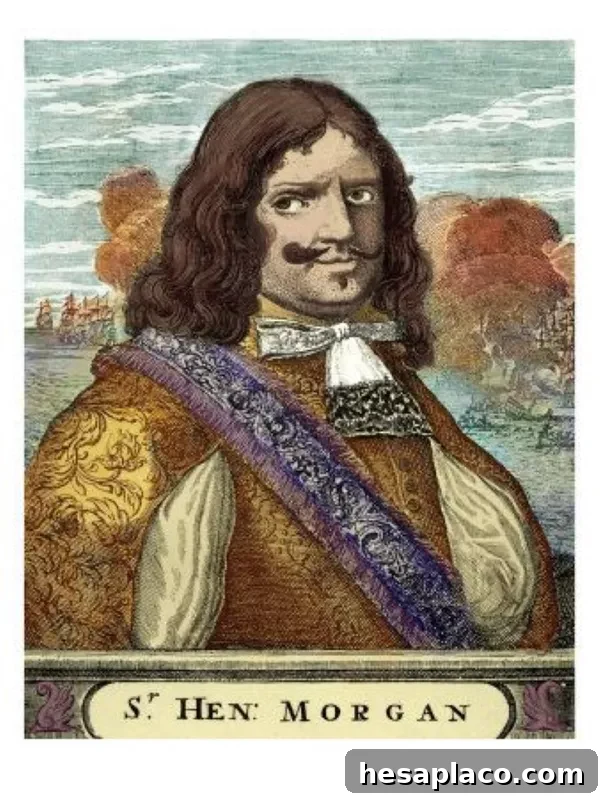
Illustration of Henry Morgan from the book “The Buccaneers of America” by Alexandre Exquemelin. Wikipedia
Welsh privateer Henry Morgan led audacious raids against Spanish targets and later faced charges for some actions that violated treaties. Political maneuvering and changing alliances eventually led to Morgan’s pardon, knighthood and appointment as Lieutenant Governor of Jamaica—an extraordinary transition from raider to colonial official.
Pirates Challenged Their Biographers
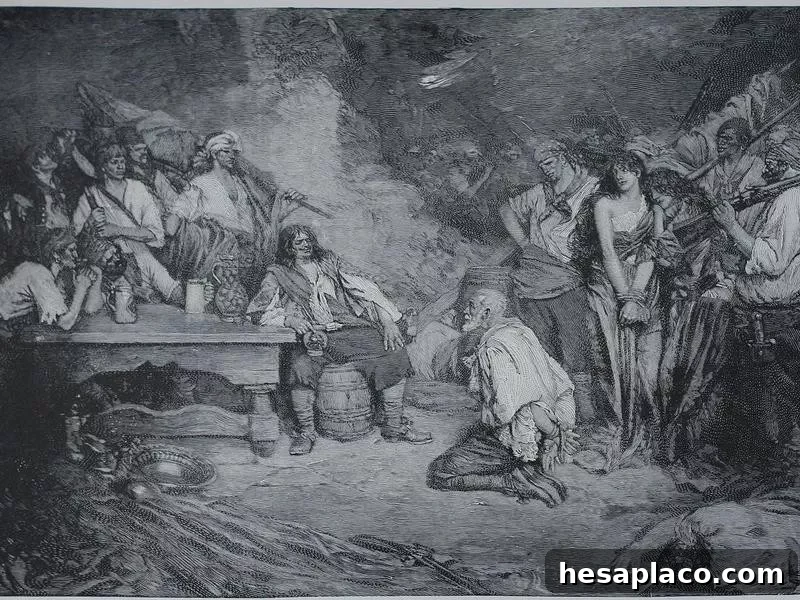
A depiction by Howard Pyle of Henry Morgan looking down at a prisoner, which originally appeared in an 1888 issue of Harper’s Magazine. Howard Pyle / Wikipedia
Primary sources on pirate lives are uneven, and some early accounts mix fact and fiction. Famous works like A General History of the Pyrates shaped popular impressions but contained embellishments. Alexandre Exquemelin’s contemporaneous account of Caribbean buccaneers remains invaluable, yet controversies and lawsuits—such as Morgan suing Exquemelin—highlight how contested these narratives could be.
Buried Treasure Is Mostly Fiction
Blue_Cutler / Getty Images
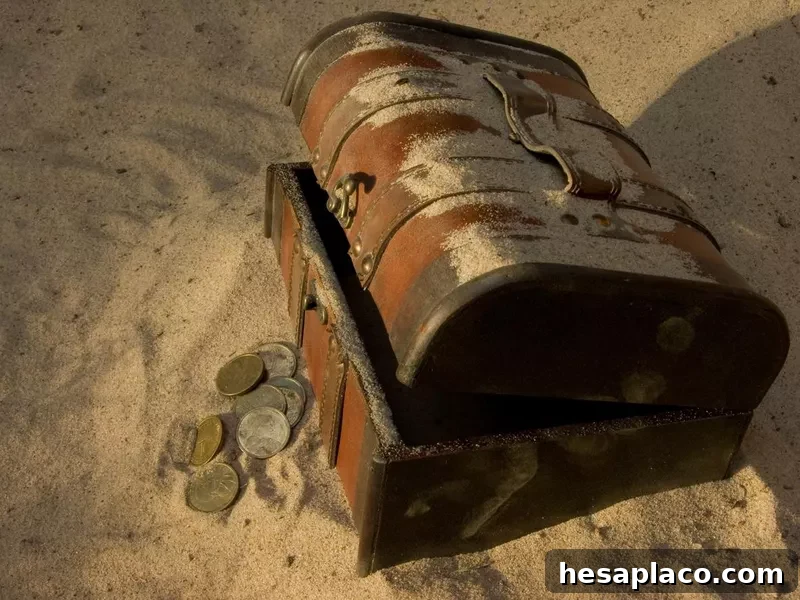
The romantic idea of pirates burying chests of gold marked with maps comes from fiction, notably Robert Louis Stevenson’s Treasure Island and rumors about figures such as Captain William Kidd. While some individuals may have hidden valuables temporarily, systematic burial of treasure for future retrieval was uncommon. Still, the buried-treasure myth endures in popular culture and treasure-hunting lore.