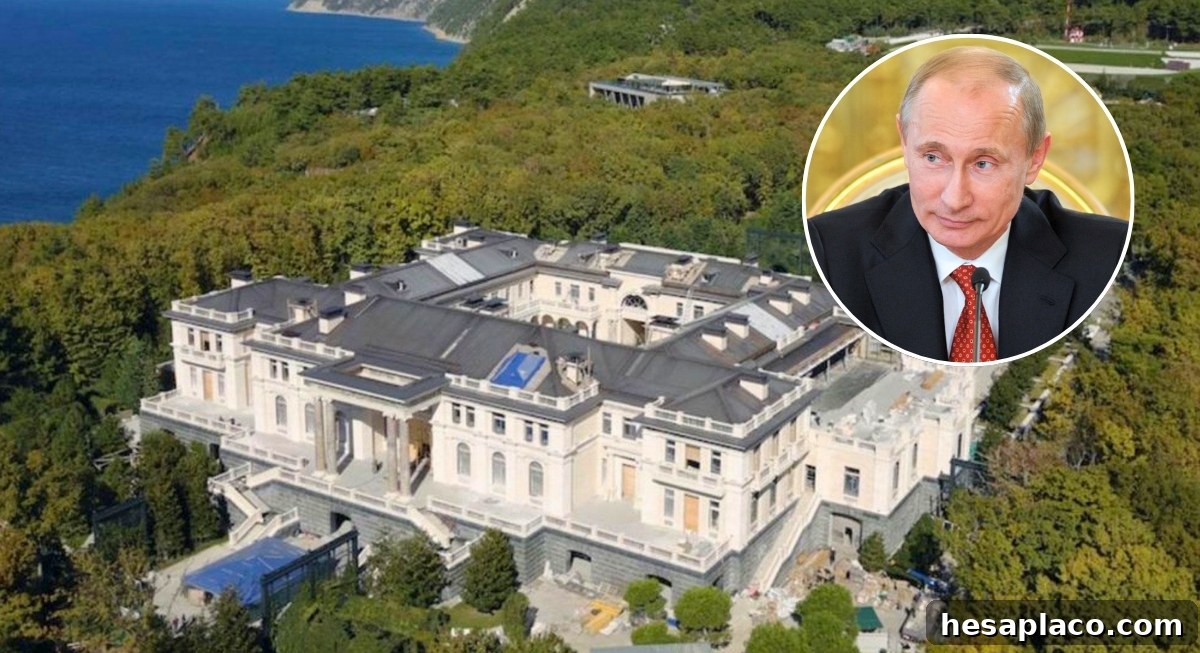
When global stability falters, some people reach for flashlights—while the ultra-wealthy go deeper, literally. For the richest, bunkers have become more than survival shelters: they are subterranean estates with biometric security, spas, and every luxury of everyday life carefully preserved. This guided tour of elite bunkers shows how survival can be combined with high-end comfort, and the most extraordinary examples appear near the end.
RuPaul’s Wyoming Fortress
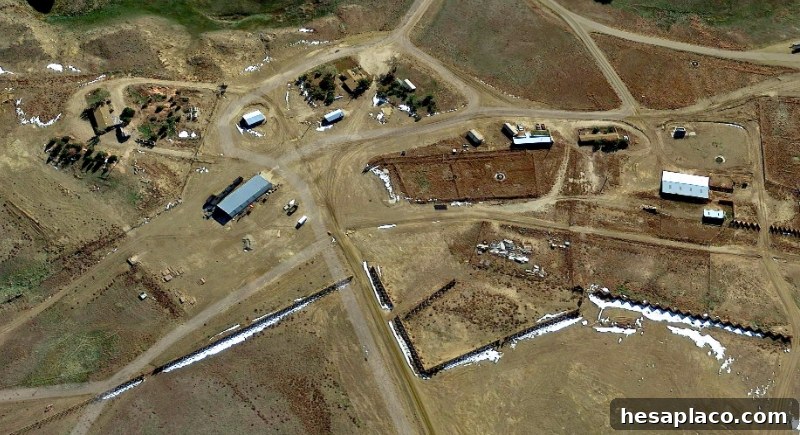
Credit: Google Maps
Hidden within roughly 60,000 acres of Wyoming wilderness, this fortress-like project favors long-term resilience over style. Drawing on defensive architecture, the design emphasizes self-sufficiency and structural durability. While many technical specifics remain private, the scale and scope point to heavy investment in systems meant to ensure extended survivability and protection.
Putin’s Black Sea Shelter
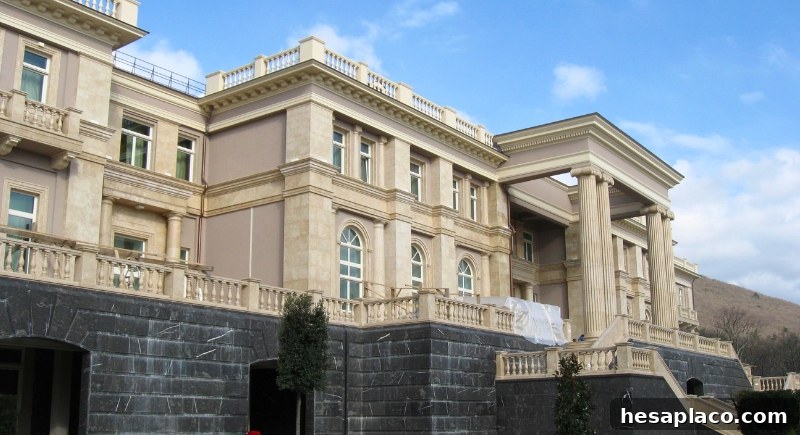
Credit: Wikimedia Commons
Located beneath an opulent Black Sea estate, this subterranean refuge resembles a private mini-state. Built with 15-inch-thick concrete walls and self-contained water and air systems, the 6,500-square-foot shelter has the scale to function like a small embassy. It demonstrates how Cold War–style protection has migrated into private luxury real estate.
ShirePods, United Kingdom
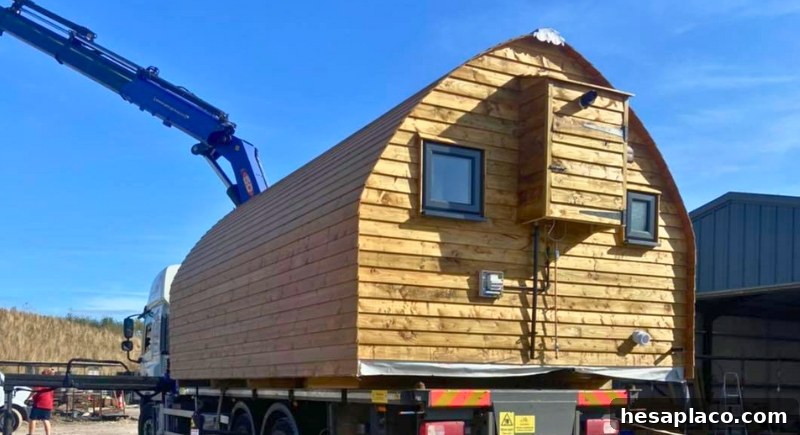
Credit: Facebook
ShirePods are compact, prefabricated underground shelters suited for individuals or small groups. They come in two main versions: a basic model priced around £39,500 and a premium option near £143,000 with climate control, solar power, and upgraded finishes. Mobile and relatively simple to install, they offer a discrete backyard or remote-plot solution for those who want practical disaster protection without a full-scale bunker project.
UK Nuke Shelters, Lincolnshire
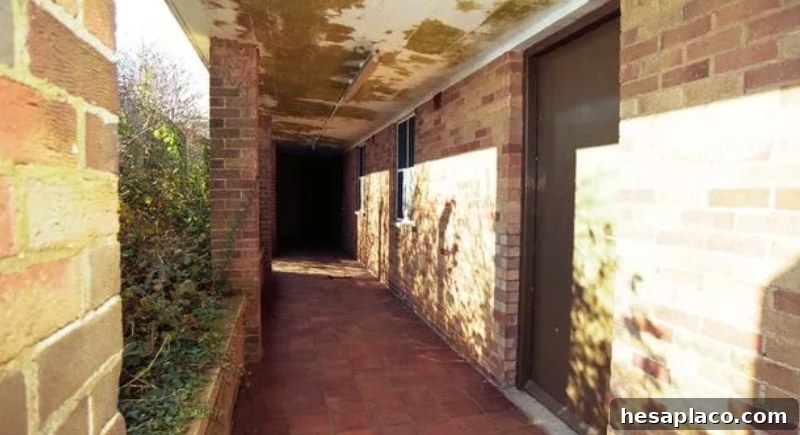
Credit: lincolnshirelive
These practical, no-frills shelters were originally built to government specifications. Positioned semi-subterraneanly, Lincolnshire’s nuke shelters provide essential amenities—kitchen, bathroom, and blast valves—at price points generally between £50,000 and £100,000. They can be expanded or linked to former Ministry of Defence facilities to form a concealed survival network, prioritizing utility over aesthetics.
NuclearShield, United Kingdom
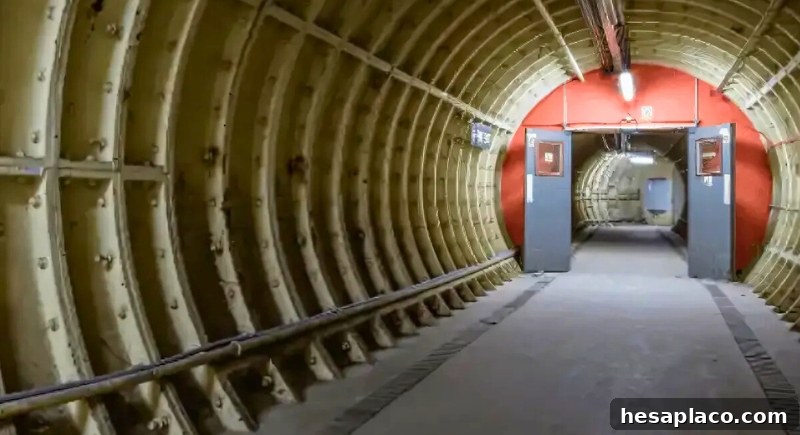
Credit: bunker-swiss
Swiss-engineered NuclearShield bunkers are tailored to sustain small groups off-grid for up to six months. Starting around £150,000, these compact shelters include high-efficiency air filtration, solar power systems, and reinforced construction. The emphasis is on functionality, reliability, and efficient use of space.
Atlas Survival Shelters, USA
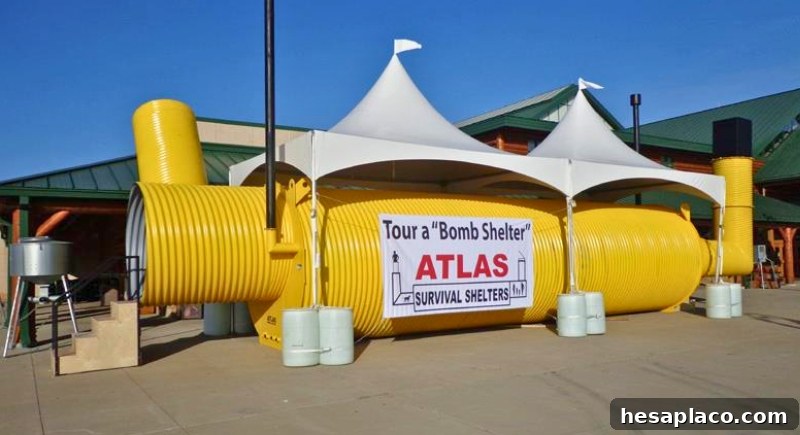
Credit: Facebook
Atlas Survival produces a broad range of shelters, from basic steel pods priced at about $25,000 to multimillion-dollar underground mansions. Based in Texas and exported worldwide, their offerings span simple bolt-holes to elaborate subterranean homes featuring home theaters, indoor shooting ranges, and decorative koi ponds. Each shelter is custom-configurable, allowing buyers to match protective features with their preferred lifestyle amenities.
Flood House (Concept)
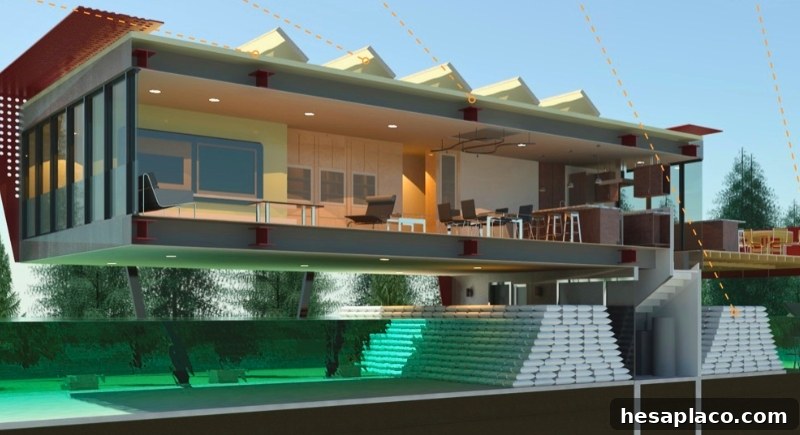
Credit: archdaily
This conceptual Flood House combines a secure underground shelter with flood-resistant elevation and renewable power. Designed with fireproof metal siding, integrated water storage, and a deck suitable for small boats, the idea addresses rising environmental threats by merging refuge and resilience—although it remains primarily a design concept rather than a commercial product.
Zuckerberg’s Hawaii Compound
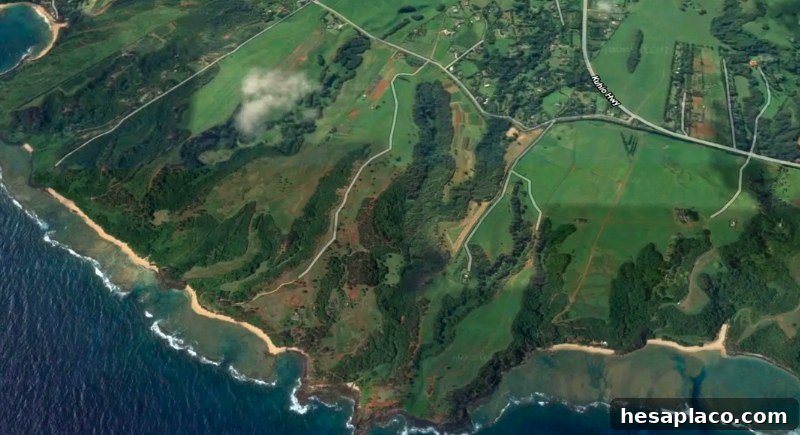
Credit: Google Maps
Reportedly built beneath about 1,400 acres on Kauai, this subterranean complex measures roughly 5,000 square feet and reportedly cost hundreds of millions when accounting for the wider property. Connected to the estate through secured tunnels and protected by blast doors and independent infrastructure, the compound emphasizes extreme privacy and redundancy. Contractors involved have reportedly signed strict nondisclosure agreements, underscoring the high level of secrecy and customization.
SAFE Bunkers by Al Corbi
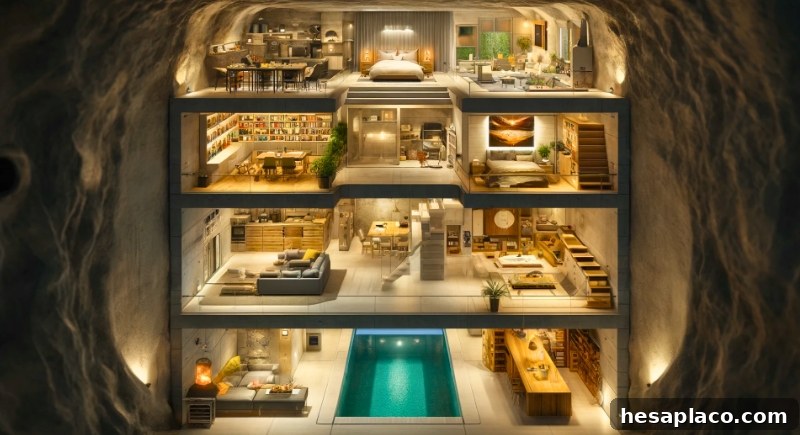
Credit: thesun
Al Corbi specializes in high-end, theatrically designed bunkers that combine advanced security with dramatic architecture. Many projects feature concealed entrances, disguised passages, on-site medical facilities, and EMP protection. Some privately commissioned installations have price tags in the tens of millions and include specialized vaults for art or valuables. These are bespoke projects, typically delivered by commission rather than public sale.
Trident Lakes, Texas
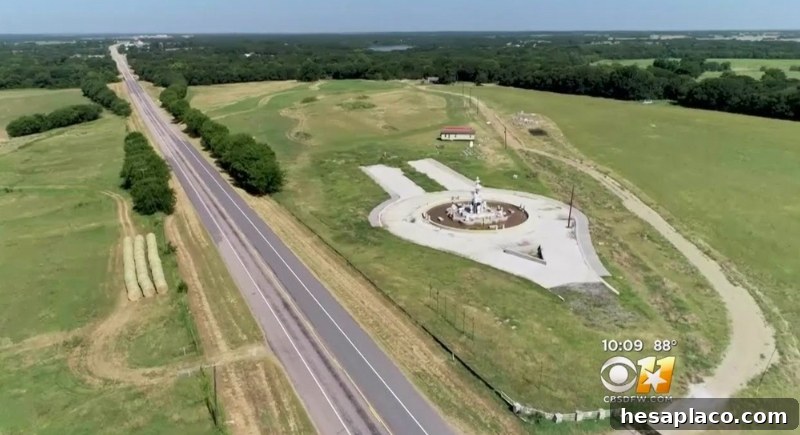
Credit: Youtube
Trident Lakes was envisioned as an underground luxury resort with an audacious $300 million plan that included spas, DNA vaults, an equestrian center, and an enormous Poseidon statue. The project ultimately stalled amid legal complications, but it remains an example of the scale some developers imagine when combining leisure and long-term shelter in one ambitious scheme.
Vivos xPoint, South Dakota
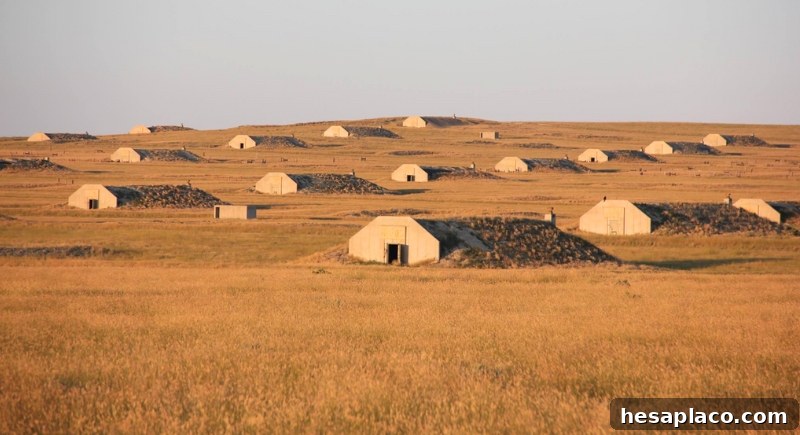
Credit: KBHB Radio
A converted military depot, Vivos xPoint contains 575 private bunkers spread across ten square miles. Entry-level units can be purchased for under $50,000, while buyers seeking greater comfort can customize spaces with luxury fittings. The site offers communal amenities such as a gym, theater, hydroponic farming, and classrooms, blending community infrastructure with private retreats.
Survival Condo, Kansas
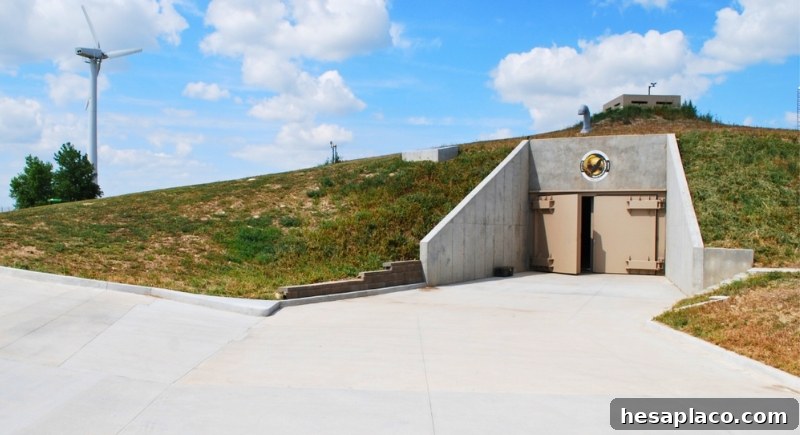
Credit: Survival Condo
Built inside a former Atlas missile silo, the Survival Condo comprises 15 below-ground levels offering condominiums, gyms, a swimming pool, a cinema, and decontamination facilities. Designed to withstand pandemics and nuclear fallout, the complex supports around 75 residents and operates fully off-grid. Unit prices typically range from about $1.3 million to $4.5 million, according to configuration and finish level.
Vivos Europa One, Germany
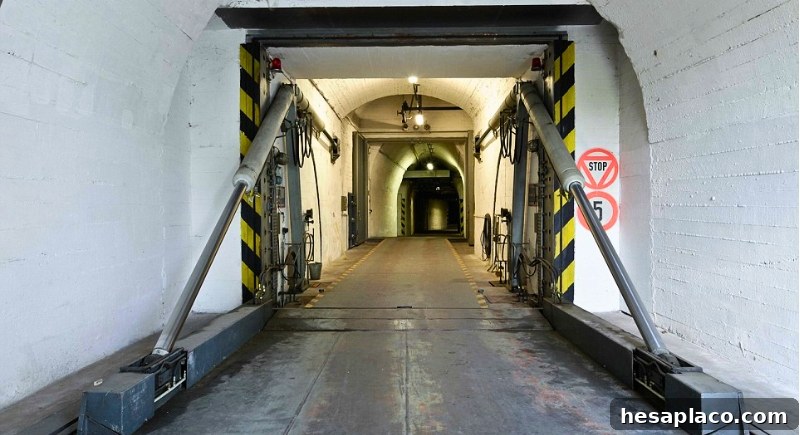
Credit: Dailymail
Carved into a mountain and reachable by private tram, Vivos Europa One functions more like an underground megayacht than a conventional bunker. The facility spans about 76 acres and offers 34 private residences, sealed tunnels, hydroponic farms, and communal amenities such as a theater. Residences are highly customizable, and interiors can rival the finest luxury apartments, making it a preferred choice for those seeking long-term comfort and exclusivity.
The Oppidum, Czech Republic
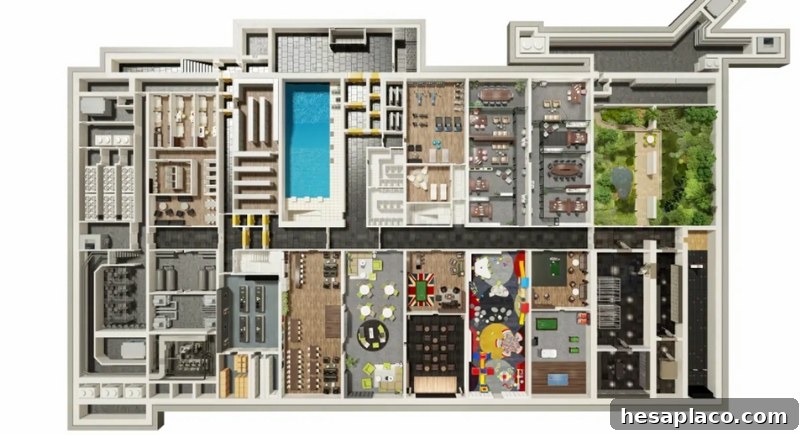
Credit: CNET
Claiming the title of the world’s largest private bunker, The Oppidum is a vast subterranean complex more akin to a palace than a shelter. Spanning more than 323,000 square feet, it includes artificial daylight gardens, a full medical suite, high-security vaults for valuables, a cinema, and biometric access throughout. The top-tier residence packages are priced in the high seven figures and beyond, reflecting the facility’s combination of extreme security and luxury living.