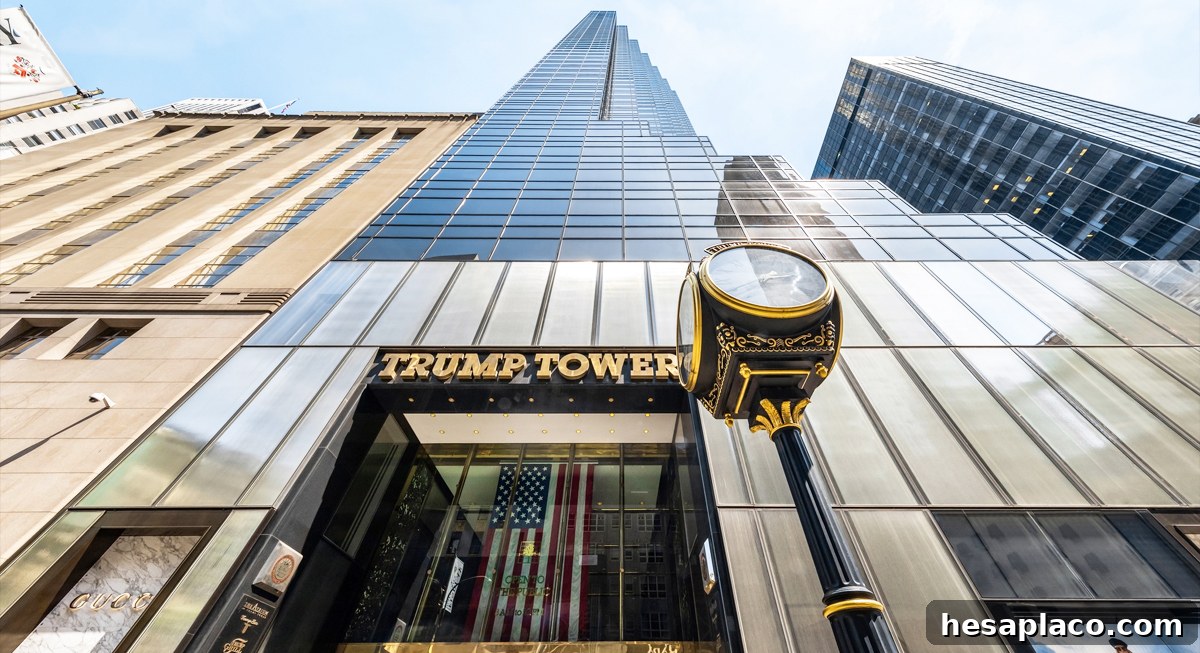
In the heart of New York City, Trump Tower rises as a striking combination of luxury, ambition, and controversy. Since its completion in 1982, the 58-story skyscraper has served as more than just a residential and commercial address; it has become a symbol of a particular kind of success—lavish, high-profile, and frequently contested. Exploring Trump Tower reveals layers of history, design, and dispute behind its polished exterior.
The Genesis of a Landmark
Credit: flickr
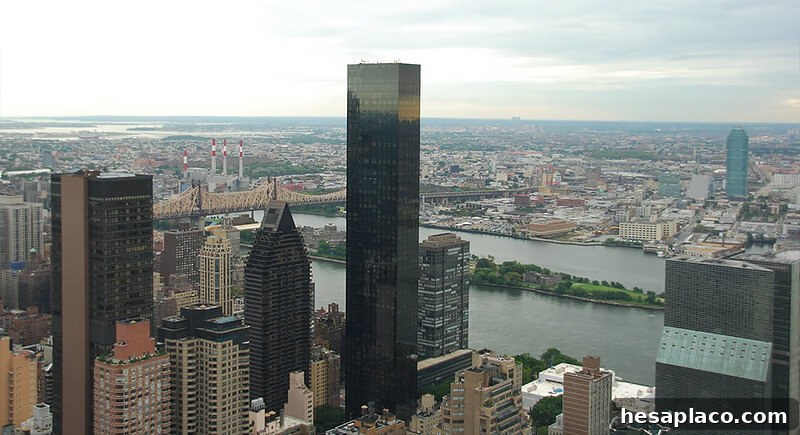
The creation of Trump Tower marked an important moment in New York real estate. Conceived by Donald Trump as an expression of high-end living, the project’s Fifth Avenue location underscored its intended prestige. Architect Der Scutt led a design that emphasized both grandeur and practicality, yet the development drew criticism—most notably over the demolition of an earlier Art Deco structure on the site and other controversies tied to the project’s planning and construction.
A Gilded Atrium
Credit: flickr
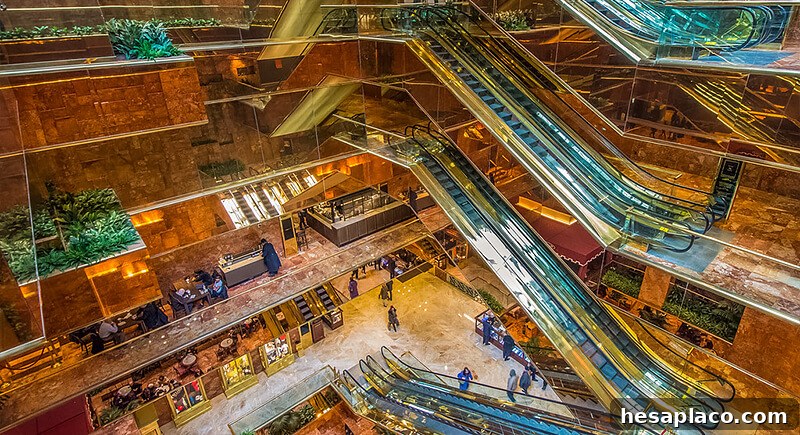
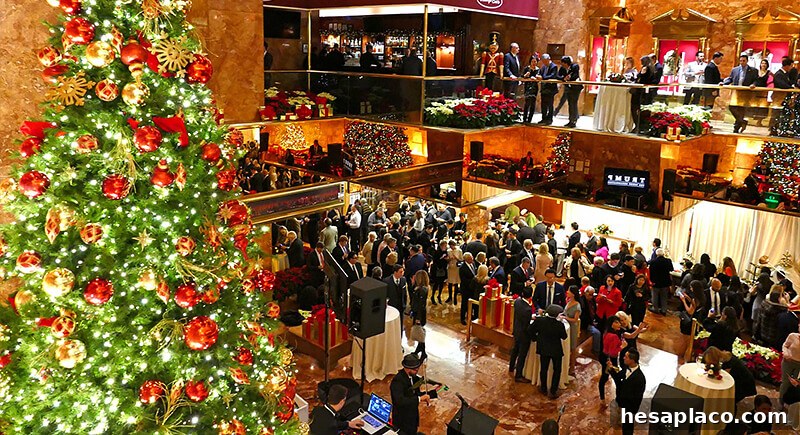
The tower’s public interior, especially the multi-story atrium, is designed to impress. Pink marble, gold-toned accents, high-end retail boutiques, and a café create an environment meant to feel both exclusive and inviting. For many visitors the atrium functions as a destination in its own right, showcasing the building’s commitment to an opulent public face.
High Profile Tenants
Credit: Youtube
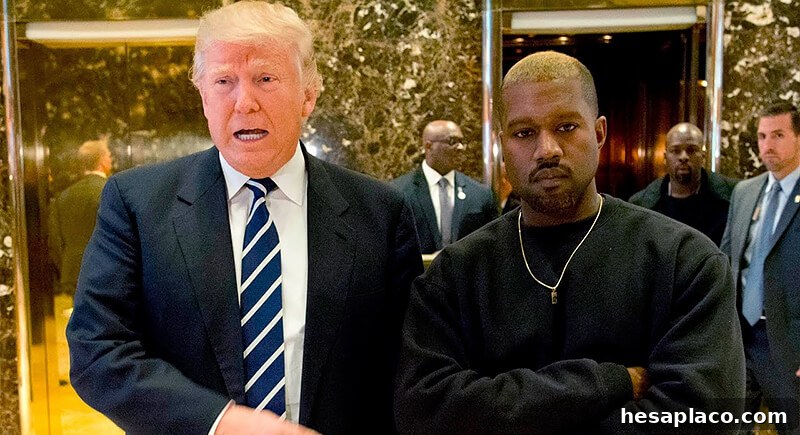
Throughout its history, Trump Tower has attracted a diverse roster of residents and commercial tenants, including celebrities, athletes, and corporate offices. The combination of privacy, status, and location has made it appealing to high-profile occupants, who in turn have helped shape the building’s public image and mystique.
The Security Fortress
Credit: flickr
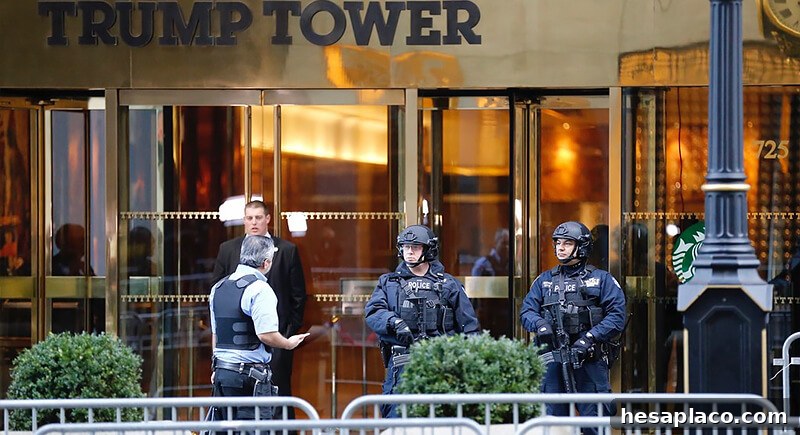
After Donald Trump became President of the United States, security around Trump Tower was substantially tightened. Measures meant to protect public figures and manage risks altered access and circulation, creating a complex balance between the building’s role as a public destination and the heightened security needs of its occupants. These changes affected residents, visitors, and the surrounding neighborhood alike.
Art and Architecture
Credit: Facebook
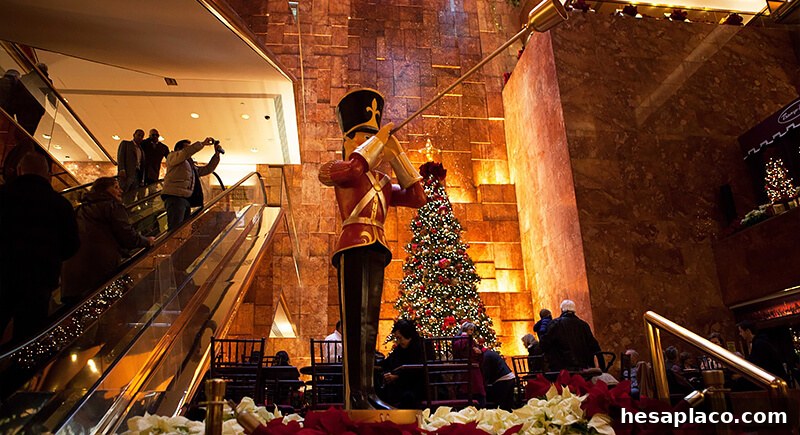
Details throughout the tower were chosen to convey power and refinement. From bronze sculptures and decorative metals to carefully selected marbles, the interior design emphasizes materials and finishes associated with luxury. These artistic and architectural decisions reflect the aspirations behind the building’s creation and the image it intended to project.
Controversies and Legal Battles
Credit: flickr
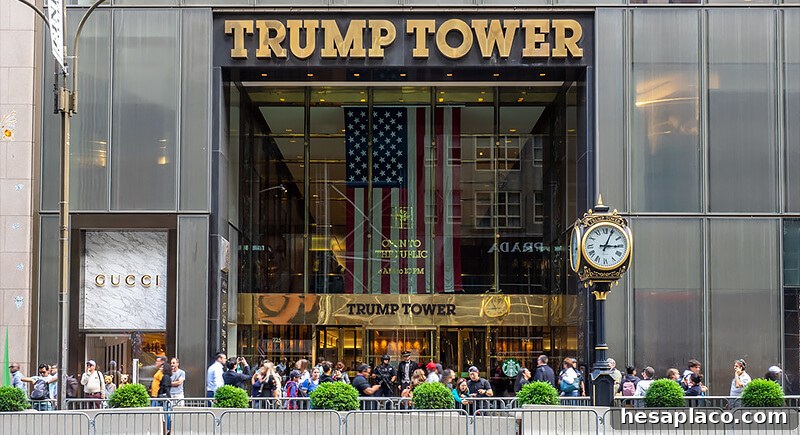
Trump Tower’s story is inseparable from the controversies surrounding it. The building has faced legal disputes and public scrutiny on multiple fronts, including construction practices, property-rights conflicts, and questions about political and financial connections. These issues have reinforced the tower’s reputation as a polarizing New York landmark.
Exclusive Amenities
Credit: Facebook
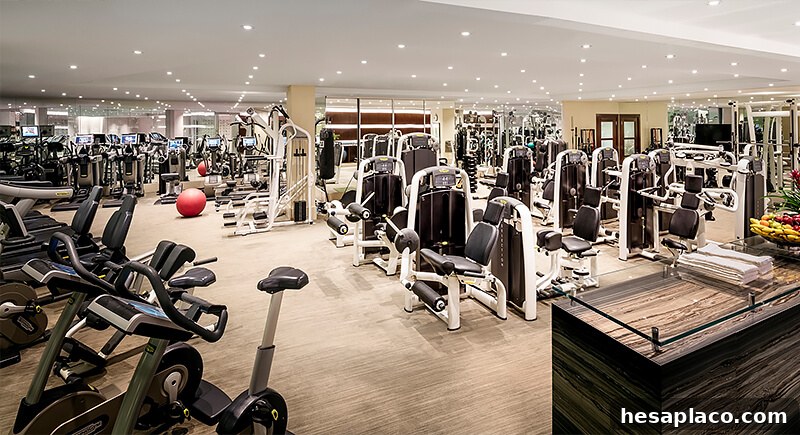
Residents enjoy a suite of services and facilities designed for convenience and privacy: private dining spaces, a fitness center, and 24-hour concierge service are among the features promoted to occupants. These amenities reinforce the building’s image as a place where lifestyle and service are paramount.
Environmental and Community Impact
Credit: flickr
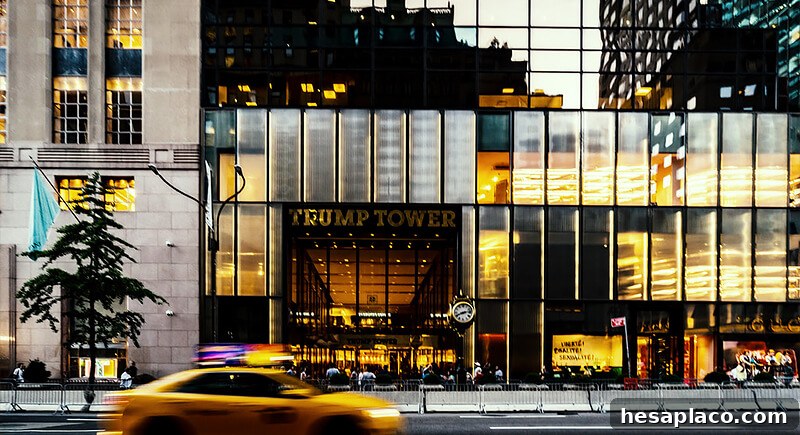
The tower’s influence extends beyond its footprint. Debates about its environmental footprint, contribution to local traffic and street-level activity, and its role in reshaping neighborhood dynamics are part of a broader conversation about how large developments affect urban life. Critics and supporters alike weigh the economic benefits against questions of sustainability and community impact.
Secret Deals and Diplomacy
Credit: Instagram
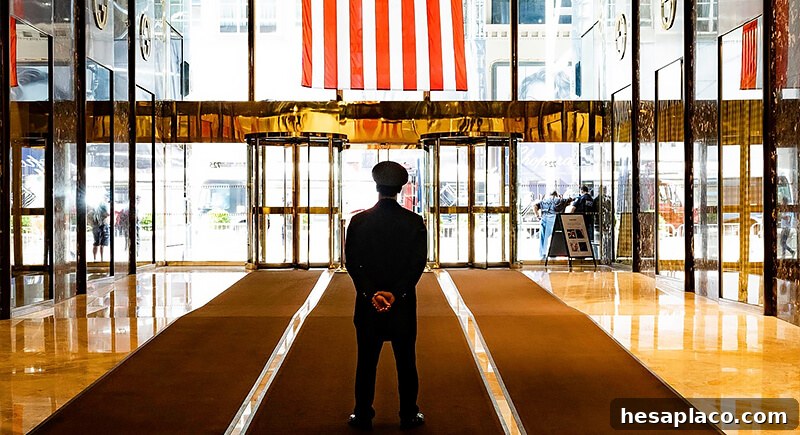
Trump Tower has occasionally served as a backdrop for high-stakes negotiations and international business conversations. Its association with global deals and diplomatic interactions has drawn additional attention and scrutiny, underscoring the building’s role in both commerce and politics.
The Public Space Agreement
The zoning agreement that authorized public spaces within Trump Tower in exchange for development concessions has been a persistent subject of debate. Critics argue that the promised public benefits—such as accessible, well-maintained spaces—have not always matched expectations, highlighting tensions between private development goals and public interest in urban planning.
Architectural Critiques
Credit: flickr
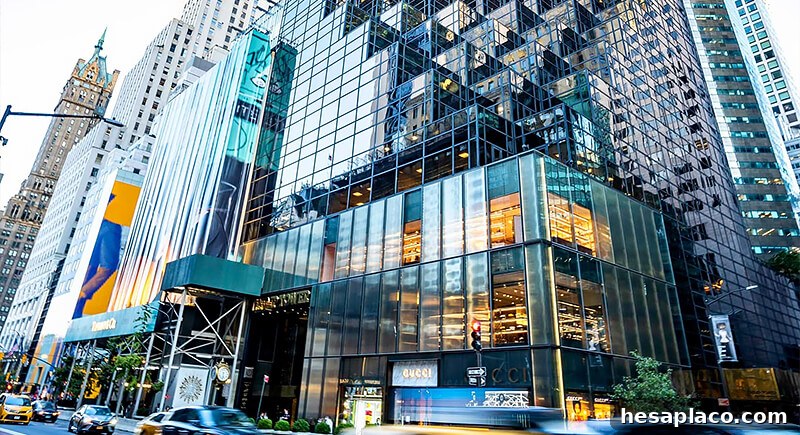
Architects and critics offer varied assessments of Trump Tower. Some praise its bold aesthetic and the confidence of its design; others view it as overly ostentatious or emblematic of an era that prized spectacle. The building’s architectural legacy is therefore shaped by personal taste as well as by its historical context.
Living in the Sky
Credit: Facebook
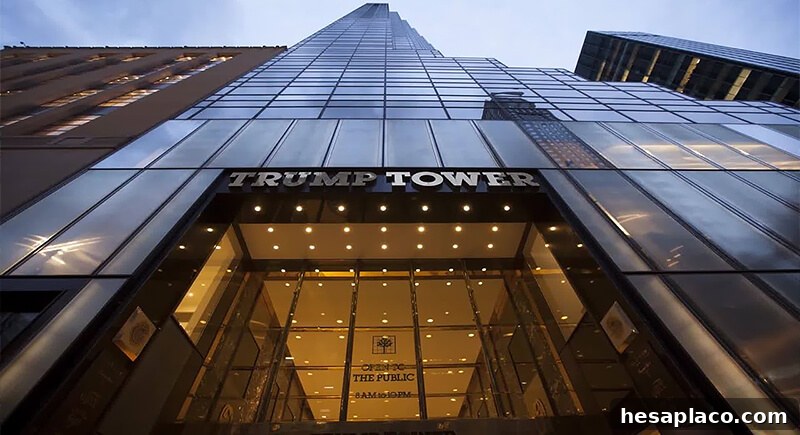
For residents, life in Trump Tower combines privacy and convenience with the prestige of a famed Manhattan address. Stories from occupants highlight both the benefits—access to exclusive services and prime location—and the challenges of living in a high-profile building, where attention and security concerns can shape daily routines.
Trump Tower in Popular Culture
Credit: Facebook
Appearances in film, television, and literature have cemented Trump Tower’s role as a cultural touchstone. Its depiction in media has reinforced its identity as a complex symbol of wealth, power, and ambition—one that continues to attract attention and debate.