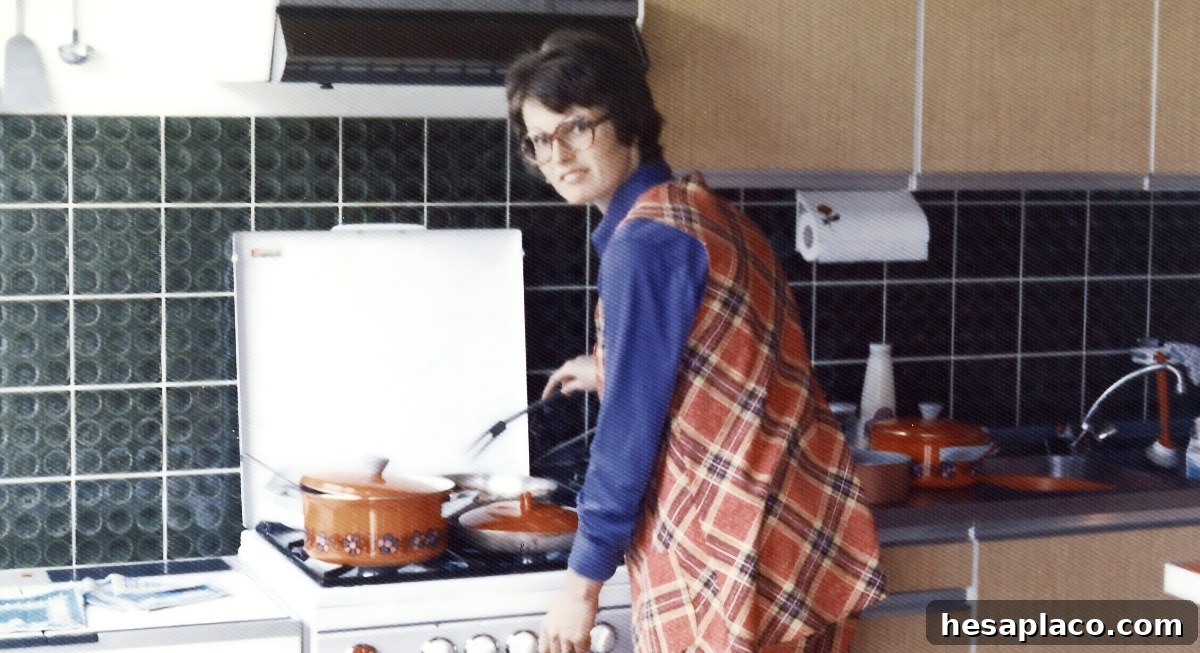
A kitchen drawer can contain more than forgotten utensils. Bowls, pans and specialty pieces that sat unused for decades have become sought-after collectibles. What once seemed ordinary on a shelf can fetch far more than expected at resale. Value depends on design, condition, rarity and sometimes a bit of luck.
Below are kitchen and tabletop items whose combination of design, durability and history often translates into surprising resale value for collectors and enthusiasts.
Le Creuset Enamel Cookware
Credit: iStockphoto
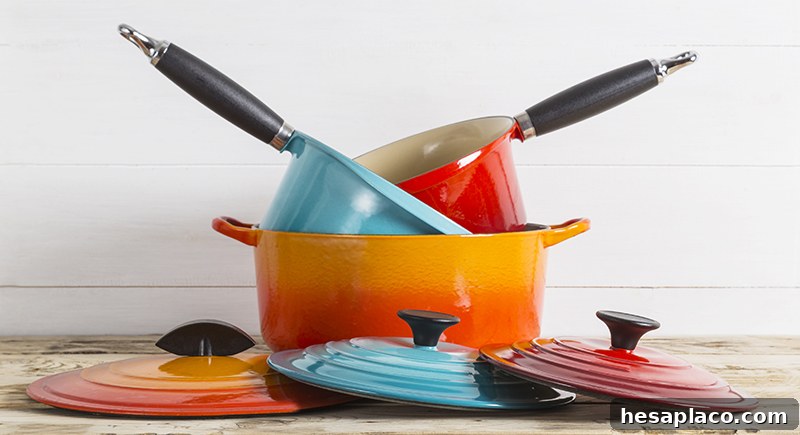
Those vibrant Dutch ovens—especially vintage orange shades—may be early Le Creuset editions from the 1920s or 1930s. Discontinued colors and original lid designs draw strong collector interest, and well-preserved pieces can sell for hundreds. Condition and intact enamel are major factors in pricing.
Vintage Pyrex Sets
Credit: Instagram
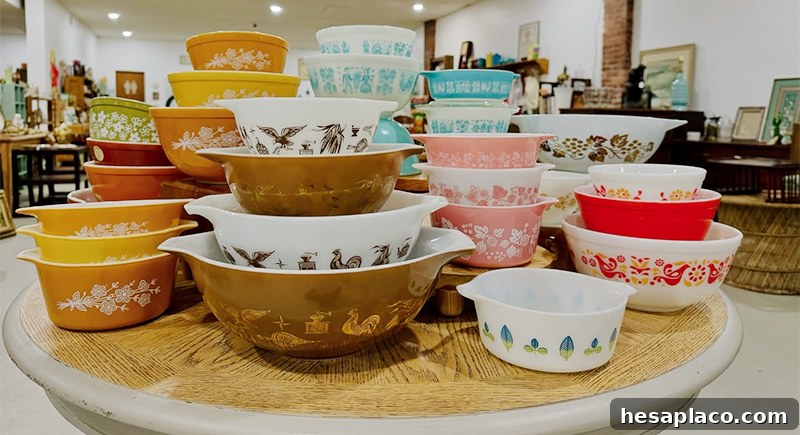
Plain glass mixing bowls can be unexpectedly valuable when decorated with rare mid-century patterns such as Butterprint or Pink Daisy. Known for oven- and freezer-safe durability, these pieces are collectible when free of chips and heavy wear. Collectors typically avoid dishwashers to preserve patterns, and complete sets in excellent condition command premium prices.
CorningWare Casserole Dishes
Credit: Wikimedia Commons
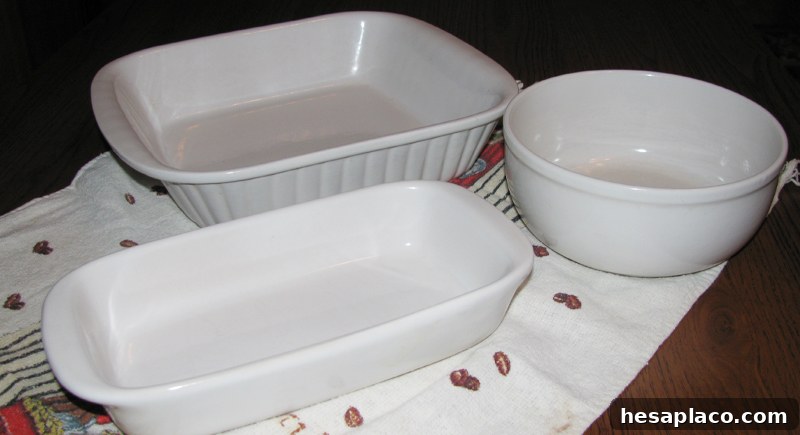
CorningWare, developed from heat-resistant materials originally created for industrial and military use, became a household staple. Patterns like Floral Bouquet or Wildflower often sell for significant sums, and even the familiar cornflower motif attracts steady interest. Rarity, pattern and condition determine resale value.
Copper Cooking Pots
Credit: Wikimedia Commons
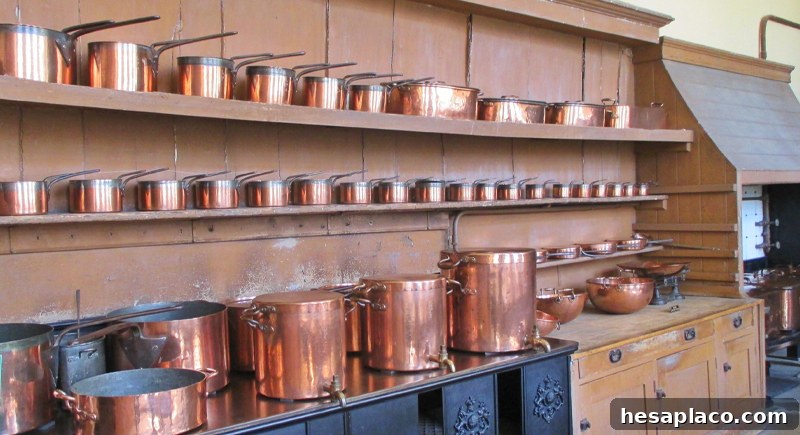
Antique French copper pots combine functionality with decorative appeal. Well-matched sets from the 19th century, in good condition, can command hefty prices—sometimes reaching into the thousands. Their even heat conduction and robust construction make them desirable for serious cooks and collectors alike.
Jadeite Dishware
Credit: Instagram
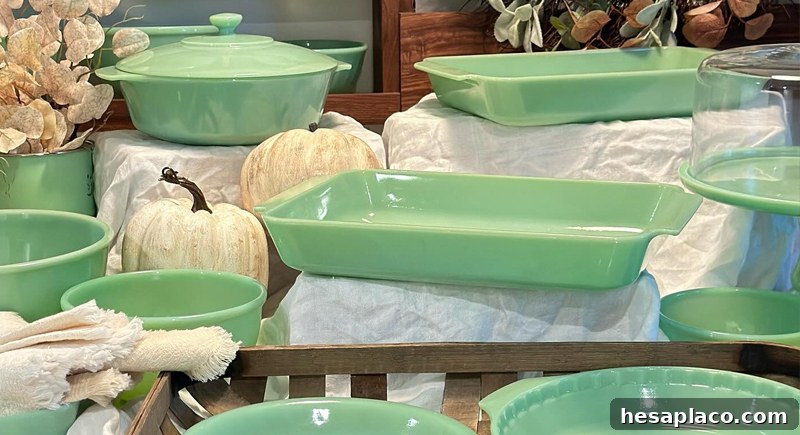
Jadeite’s soft green hue was produced from the 1930s through the 1970s and remains highly collectible. Fire King and other makers produced pieces favored by collectors, especially when specific manufacturing marks are present. Rare dinnerware sets in excellent condition can sell for thousands due to their nostalgic and aesthetic appeal.
Cut Crystal and Glassware
Credit: Wikimedia Commons
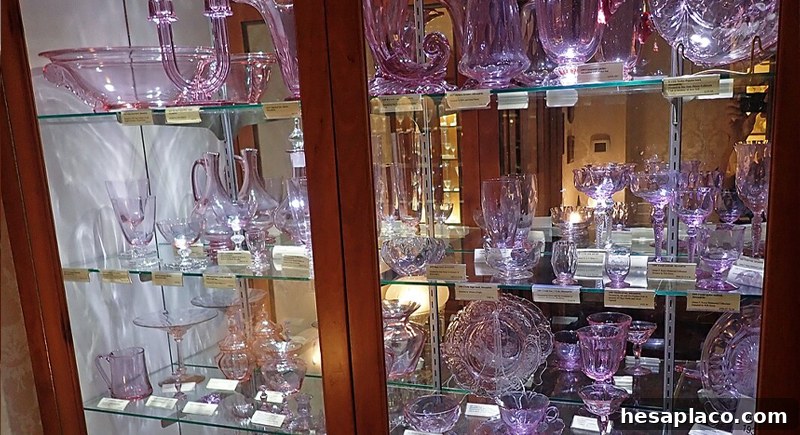
Fine glasses saved for special occasions often remain in near-pristine condition. Intricate cut patterns, limited production runs and well-known makers drive auction prices. Because cut crystal is delicate, collectors emphasize hand-washing and careful storage to maintain value.
Cast‑Iron Skillets
Credit: Getty Images
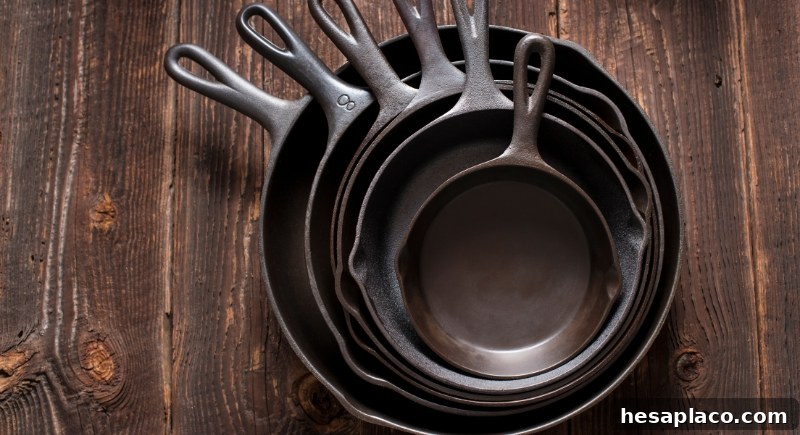
Vintage cast-iron skillets from makers like Griswold are prized for their build quality and cooking performance. Examples with maker marks, smooth seasoned surfaces and minimal damage can sell for surprisingly high amounts—sometimes thousands—because collectors and cooks value their lighter feel and superior seasoning compared with many modern cast-iron pans.
Sterling Silver Flatware
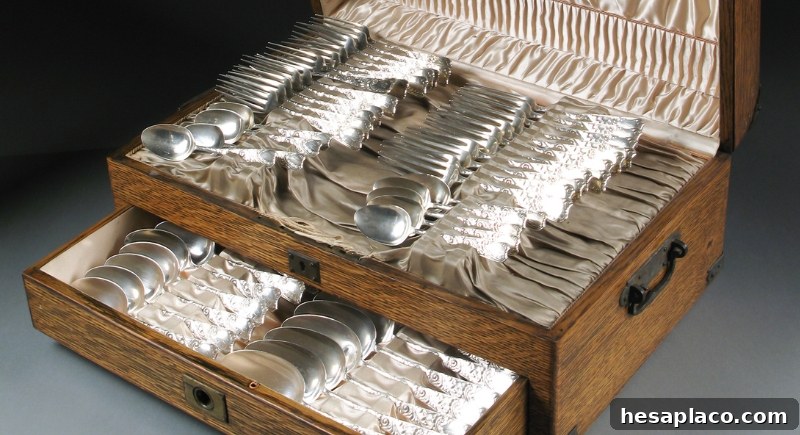
Credit: Getty Images
Wedding or heirloom flatware preserved in original boxes often remains in excellent condition. Sets with clear hallmarks from established silversmiths are particularly valuable. Buyers prefer solid sterling to plated pieces and look for complete, matching patterns with minimal tarnish or damage.
Mason Jars with Rare Features
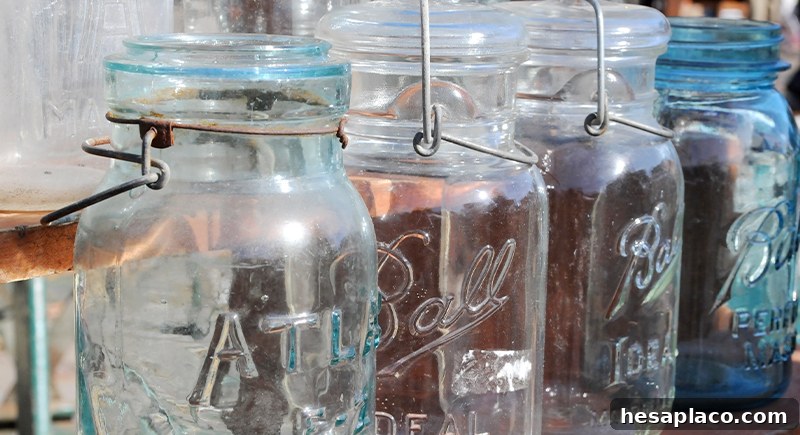
Credit: iStockphoto
Collectible Mason jars often feature uncommon traits such as amber glass, unusual embossing, or inverted lettering. Early Ball and Van Vliet jars with distinctive lids or rare embossing attract collectors. Condition, original lids and rarity can push prices significantly higher, especially at auction.
Vintage Enamelware
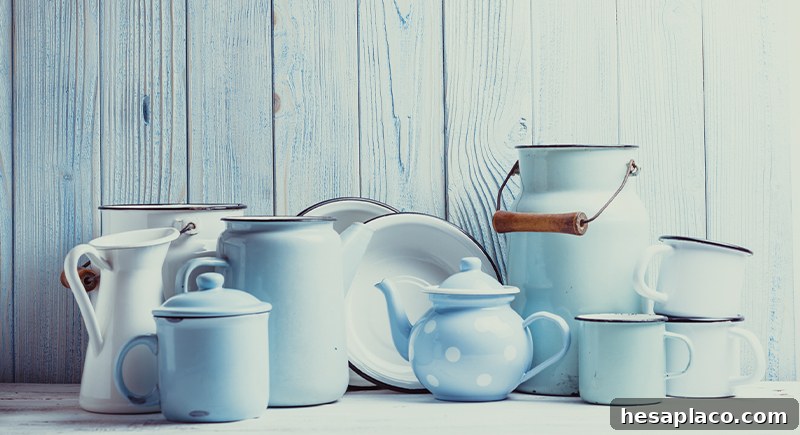
Credit: iStockphoto
Enamelware is admired for clean lines and practical origins. Simple white pieces with dark rims were common, but examples that survived wartime scrap drives or exhibit rare colors and finishes are especially desirable. A complete bakeware set without chips, rust or repairs can attract strong offers.
Champagne Coupes with Hollow Stems
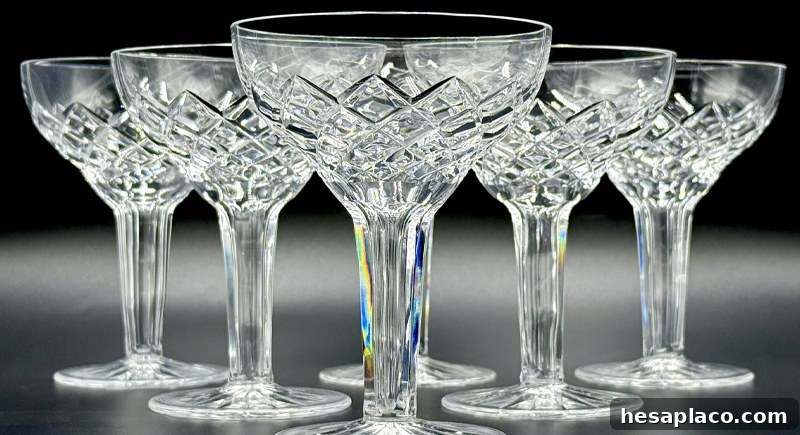
Credit: Facebook
Early 20th-century champagne coupes with hollow stems were designed to trap sediment and showcased clever glassmaking. Distinctive molds and maker signatures make some sets particularly collectible; complete groupings in good condition can sell for hundreds and serve as striking conversation pieces.
Handmade Artisan Ceramics
Credit: Canva
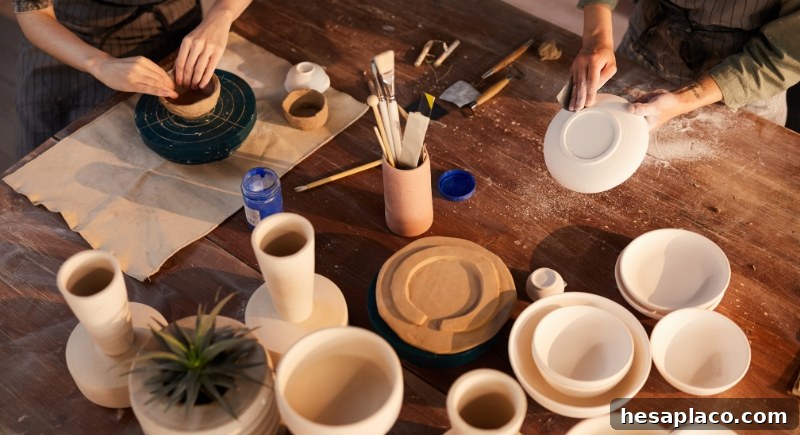
Small studios like Rookwood and Heath produced unique glazes and forms that attract collectors who value individuality. Discontinued designs or distinctive glazes enhance value, and documented provenance or gallery records can further increase desirability. Even modest serving bowls can command attention when attributed to a known maker.
Antique Coffee Mills
Credit: Getty Images
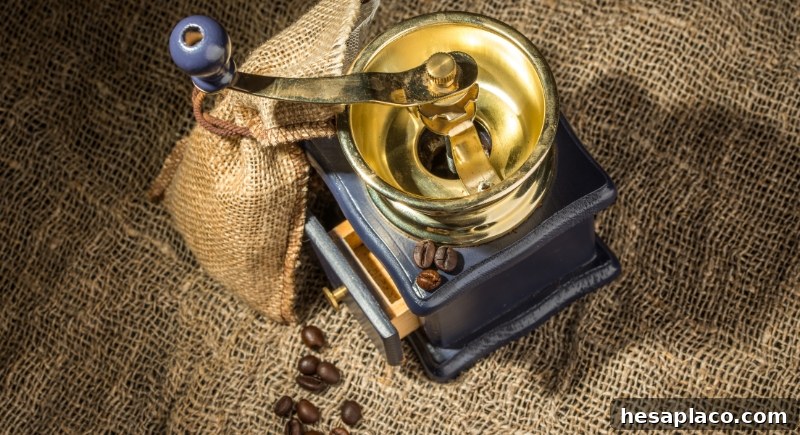
Before electric grinders, ornate cast-iron coffee mills with wooden drawers were typical kitchen fixtures. Mills retaining original decals, hardware or paint are particularly sought after. Their craftsmanship and nostalgic appeal make them attractive to collectors, often selling for hundreds when well preserved.
Pizzelle Irons
Credit: iStockphoto
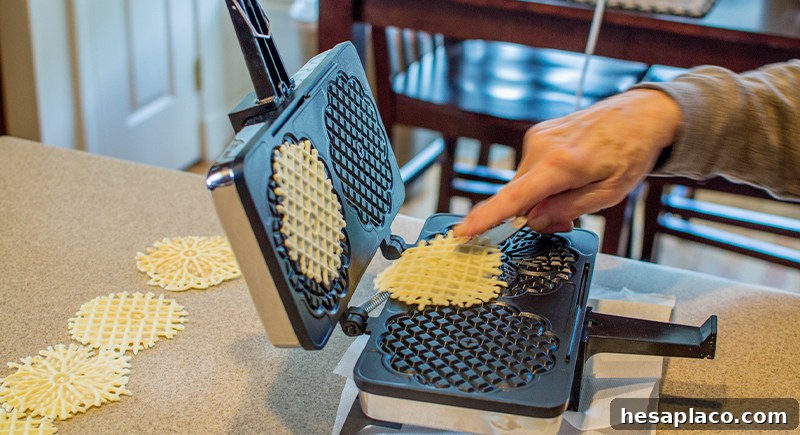
Heavy cast-iron pizzelle irons, often passed through families, feature detailed molds that appeal to bakers and collectors. Early 20th-century examples with distinctive handles, embossing or maker marks can be particularly desirable and sell well online.
Decorative Cookie Jars
Credit: Getty Images
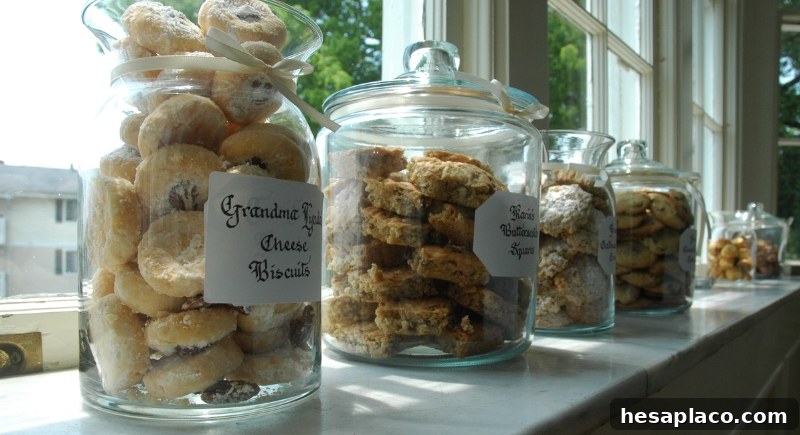
Ceramic cookie jars shaped like popular cartoon characters or unique figures from the 1930s through the 1950s can be surprisingly valuable. Many were displayed rather than used, which preserved paint and form. Collectability depends on character popularity, condition and whether the jar retains original glazing and markings.
Whether you’re clearing out a family home or scanning estate sales, keep an eye out for these items. Carefully documenting maker marks, condition and provenance and taking clear photos will help you determine value and attract informed buyers. Even everyday kitchenware can become a prized find when history, design and condition align.