
Owning a car is a standard part of life in the United States, often taken for granted. But when you examine where your money goes, the reality changes. Each tank of gas, repair bill, and insurance payment adds up in ways many people don’t track. What once felt like convenience can become one of the largest, unnoticed drains on a household budget.
Loan Terms That Stretch Too Long

Credit: Getty Images
Auto loans once commonly lasted three to four years; now six- and seven-year terms are widespread. Longer terms lower monthly payments but increase the total interest paid and extend the period you’re tied to a rapidly depreciating asset. That “affordable” monthly payment can translate into thousands more over the life of the loan.
Insurance Premiums You Just Accept

Credit: Canva
Many drivers set an insurance plan and rarely revisit it. But rates can change quickly due to factors like moving ZIP codes, credit score shifts, or increased mileage. Premiums climbed significantly in recent years, meaning hundreds of dollars can quietly leave your budget each year unless you shop around or adjust coverage periodically.
Gas Costs That Add Up Quickly
Credit: Getty Images
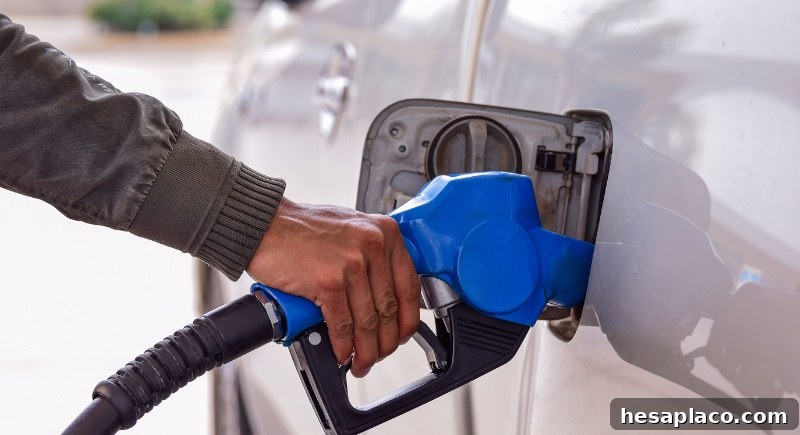
Even fuel-efficient cars consume a surprising amount of money. Gas prices fluctuate, and routine commutes can cost thousands annually. For many drivers, fuel expense is a substantial recurring cost—one that grows when traffic, detours, or extra errands increase time on the road.
Repairs You Didn’t See Coming

Credit: pexels
Major repairs—like a failed transmission or worn brake system—can cost well over $1,000 and aren’t uncommon. Many drivers delay necessary fixes because of cost, but postponing repairs typically worsens the problem and increases future expenses.
Buying More Car Than You Need

Credit: pexels
The appeal of new models and upgraded features can mask the math behind them. Many people purchase cars with larger engines, luxury trims, and optional tech they don’t need—driving up monthly payments, insurance costs, and repair bills. Rising average vehicle prices mean it’s easy to stretch a budget to buy more car than necessary, creating long-term financial strain.
Maintenance You Skip Until It’s Urgent

Credit: Canva
Skipping routine maintenance can feel like saving money, but it’s often the start of much larger bills. Minor services—oil changes, fluid checks, brake inspections—keep a car running reliably. Neglecting them accelerates wear and raises the odds of costly breakdowns down the line.
Depreciation That Never Stops
Credit: Getty Images
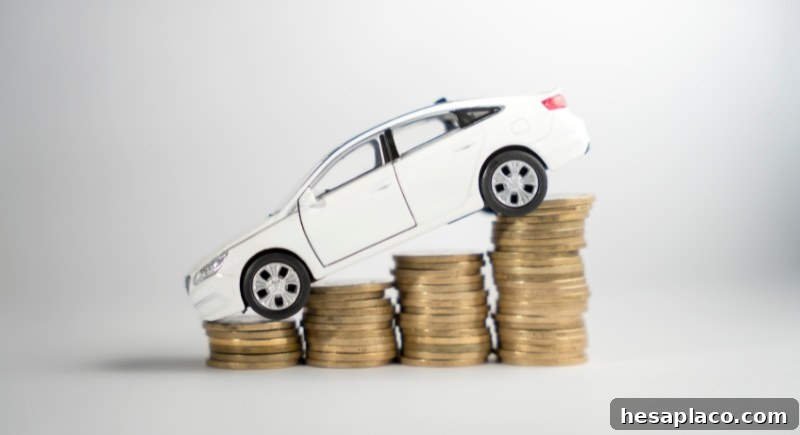
A car begins losing value the moment you drive it off the lot. Over several years, depreciation can erase a large portion of the vehicle’s purchase price. Trading in a car early or suffering a total loss without gap insurance can leave you responsible for money you’ll never recoup.
Car Payments That Crowd Out Savings

Credit: Getty Images
Monthly car payments can prevent people from building emergency funds or investing. Those dollars tied up in a depreciating asset may have greater long-term impact if directed instead to savings, retirement accounts, or debt reduction.
Parking Fees That Sneak In

Credit: Getty Images
Parking costs vary widely and can be substantial in urban centers. In addition to daily or monthly fees, unexpected fines, towing, or penalties for missed street-cleaning notices add another layer of expense that’s easy to overlook when budgeting transportation costs.
Tires That Eat Into Your Budget

Credit: Canva
Tires wear out slowly but can be an expensive replacement when the time comes. A full set for an average sedan can cost several hundred dollars, and additional services like alignment or wheel balancing add to the bill. Tires are often an unexpected expense until an inspection or a blowout forces action.
Add-Ons That Inflate the Sticker Price

Credit: Canva
Dealership add-ons—paint protection, extended warranties, and similar extras—can quickly raise the total purchase price. Many of these options are overpriced or redundant, and including them in your loan increases interest costs over time. Be selective about which add-ons truly add value for your needs.
Interest Rates That Steal the Show

Credit: Getty Images
Buyers with lower credit scores frequently face much higher interest rates on auto loans. High rates can transform a seemingly reasonable purchase into a substantially more expensive one over the loan term. Comparing lenders and improving credit before financing can reduce the long-term cost significantly.
Registration and Taxes You Didn’t Budget For

Credit: pixelshot
A vehicle purchase requires more than a down payment. Sales tax, title fees, registration, and emissions testing can add hundreds or even thousands to the upfront cost depending on your state. Including these charges in your planning prevents sticker shock after you’ve chosen a car.
Cars That Break the Commute Math

Credit: pexels
Long commutes add substantial mileage, increasing fuel, maintenance, and depreciation costs. If your daily travel requires logging tens of thousands of miles annually, reassessing housing, work-location options, or public transit alternatives can yield significant savings compared with prolonged driving.
Trade-In Traps That Roll Over Debt

Credit: Canva
When you trade in a vehicle that still has an outstanding loan balance, dealers often roll that negative equity into the new loan. That can leave you owing more than the new car is worth and perpetuate a cycle of increasing debt. Paying down negative equity before trading in, or waiting until the loan is closer to paid off, helps avoid this trap.