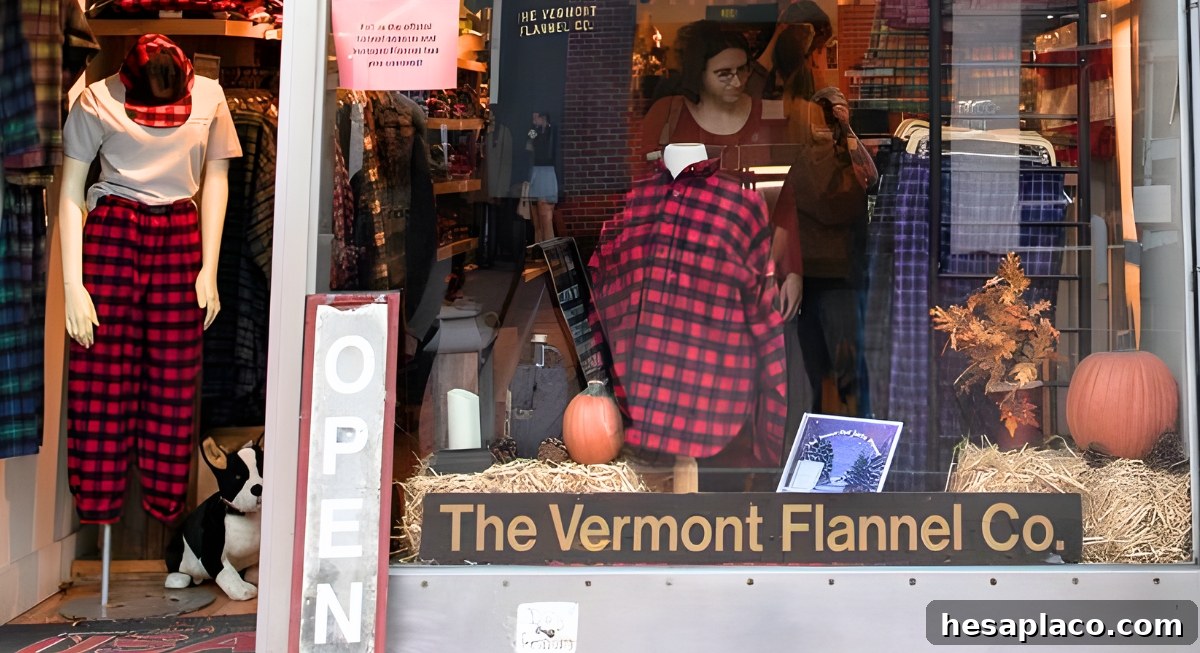
Most home goods sold in the U.S. today are manufactured overseas, yet a small group of companies continues to produce domestically. These manufacturers rely on local materials and labor, support American jobs, and emphasize durable, long-lasting products despite years of economic pressure to offshore production.
Oka Brands
Credit: Instagram
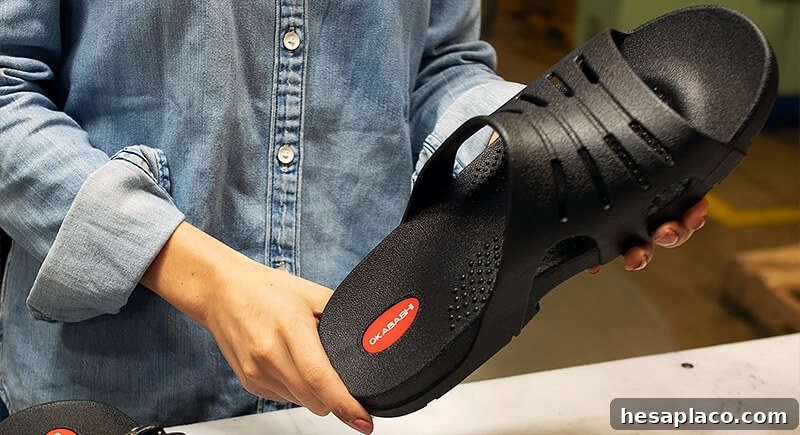
Oka Brands assembles footwear in Buford, Georgia, although some components and materials are imported. The company runs a take-back and recycling program for worn-out shoes to reduce landfill waste. While the precise amount of material diverted has not been independently verified, the initiative highlights the brand’s focus on sustainability and circular design.
American Giant
Credit: Instagram
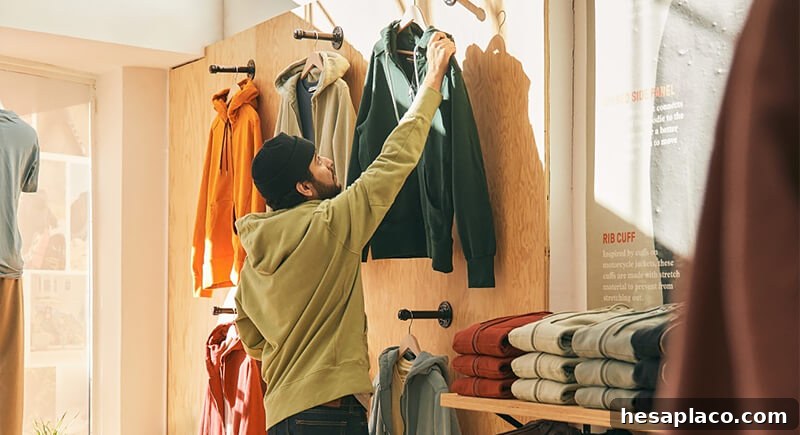
American Giant doesn’t compete on price alone. Their signature hoodie retails for $168 because it’s designed to last for years. Founder Bayard Winthrop encourages customers to think about cost per use rather than the sticker price, a perspective that particularly suits wardrobe essentials like sweatshirts and T-shirts where durability matters.
Liberty Tabletop

Credit: Instagram
Flatware was once a major American industry; today, Liberty Tabletop asserts it is among the only companies still making flatware in the U.S. The company operates a factory in Sherrill, New York, and sources its steel from domestic suppliers. During the COVID-19 pandemic, online sales jumped more than 200%, helped by local production and quicker delivery times compared with imports.
Vermont Flannel
Credit: Instagram
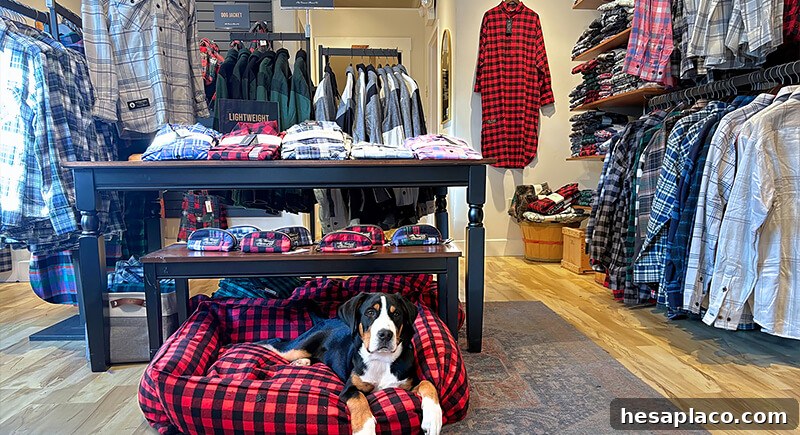
Since the early 1990s, Vermont Flannel Company has made shirts from 100% American-milled cotton. Every garment is cut and sewn in the U.S., and the fabric is brushed on both sides to enhance softness and durability. Unlike many apparel makers, the company has never moved production overseas, citing quality control and the preservation of local jobs as core reasons for staying domestic.
Gat Creek
Credit: Instagram
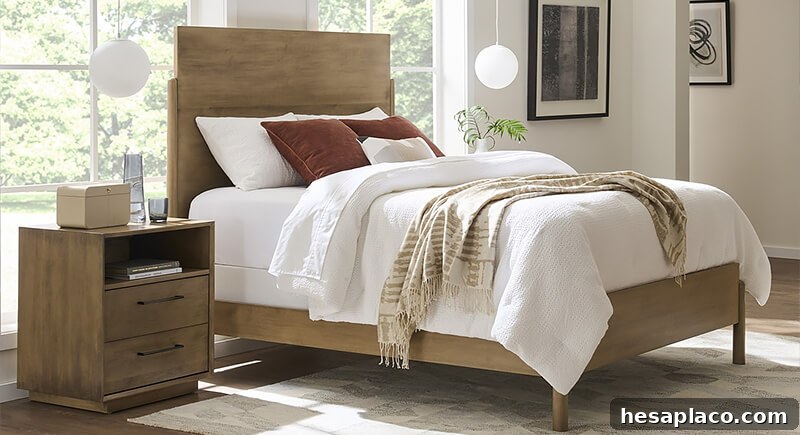
Gat Creek sources wood from nearby forests and runs its furniture operations out of Berkeley Springs, West Virginia. The company uses American hardwoods across its product line. Founder Gat Caperton never sent production overseas, though the company does pay more for some imported components, such as drawer glides and knobs. The primary materials and assembly, however, remain local.
Nordic Ware
Credit: Instagram
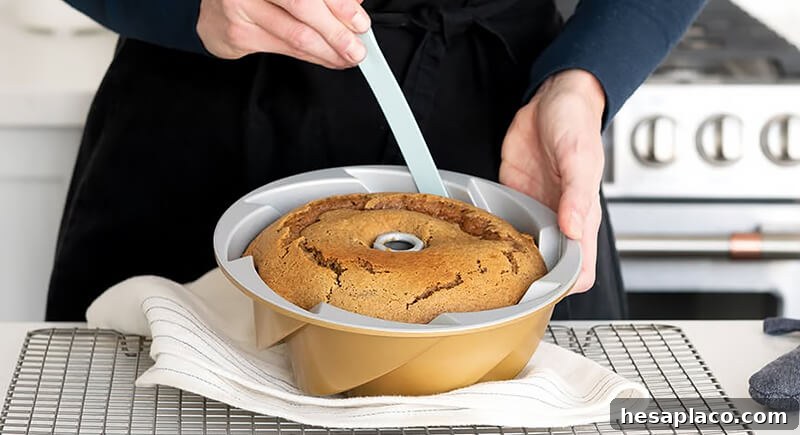
Nordic Ware, the maker of the iconic Bundt pan, continues to manufacture in the same region where it started in 1946. The family-run company decided to keep production in Minnesota after observing troubling conditions abroad, including low wages, weak labor protections, and environmental risks. Nordic Ware’s commitment to domestic manufacturing preserves local jobs and quality control.
American Blossom Linens
Credit: Instagram
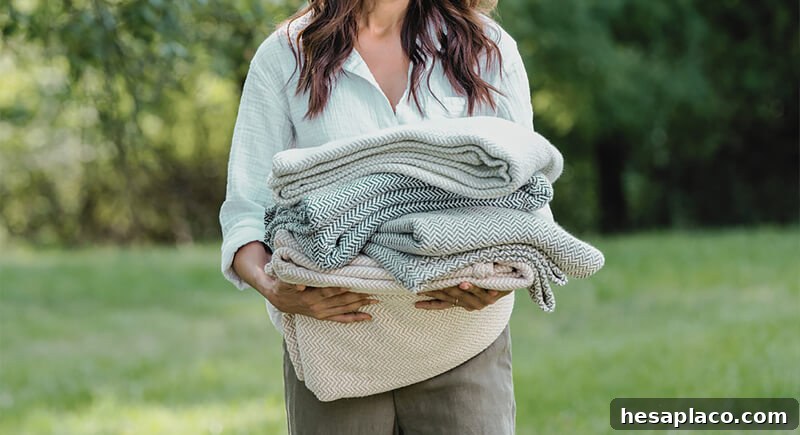
American Blossom Linens launched a consumer line in 2019 under Thomaston Mills, which had long produced linens for hospitals and institutions. The timing proved advantageous: as global shipping slowed during the pandemic, the company saw increased consumer demand for domestically made linens and benefitted from its existing manufacturing capabilities and quick fulfillment.
Terravive
Credit: Instagram
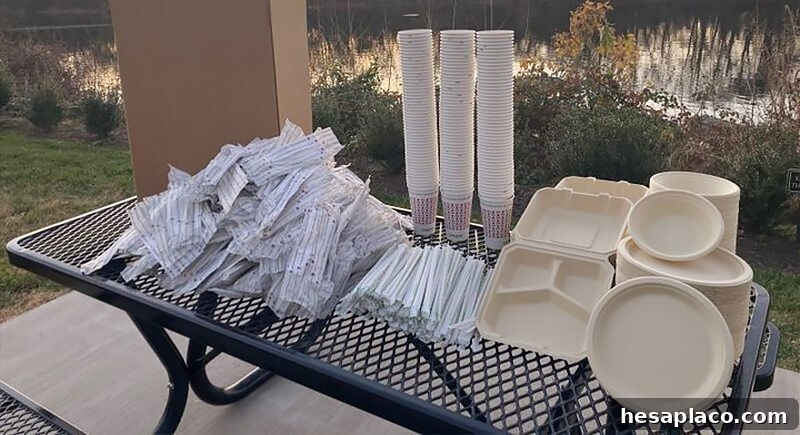
Terravive manufactures compostable food-service products in U.S. facilities, aiming to replace single-use plastic utensils and packaging. Headquartered in Richmond, Virginia, not all of its raw materials are sourced domestically, but the company focuses on scaling sustainable alternatives for everyday disposables. Founder Julianna Keeling began the business in her garage and has grown it around that sustainability mission.
American Roots
Credit: Instagram
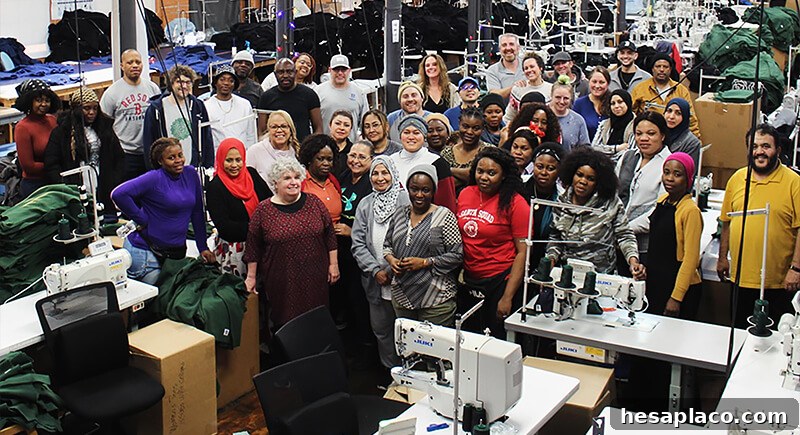
American Roots operates a vertically integrated facility in Portland, Maine, where every step—from cutting to finishing—occurs under one roof. Using union labor and American-sourced materials, the company’s founders, who have backgrounds in labor organizing, set out to restore local textile jobs. That commitment shapes decisions about sourcing, pricing, and growth.
Los Angeles Apparel
Credit: Instagram
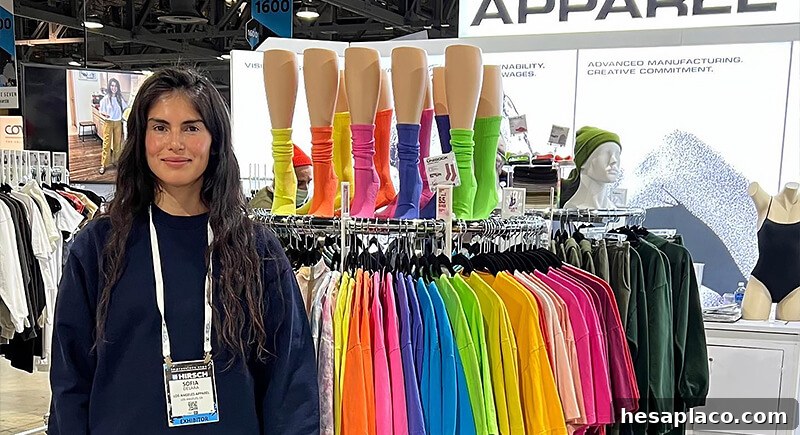
Founded in 2016 by Dov Charney, former CEO of American Apparel, Los Angeles Apparel was created to rebuild garment manufacturing in Los Angeles. The company revived a vertically integrated factory where cutting, sewing, dyeing, and packing happen on-site. It focuses on wardrobe essentials like T-shirts and sweatshirts and aims to pay above-average wages while maintaining domestic production.
These companies illustrate how domestic manufacturing can persist by focusing on quality, sustainability, local sourcing, and fair labor practices. While not every component is always sourced within the U.S., keeping core production at home supports communities and often leads to faster delivery, better quality control, and products designed to last.