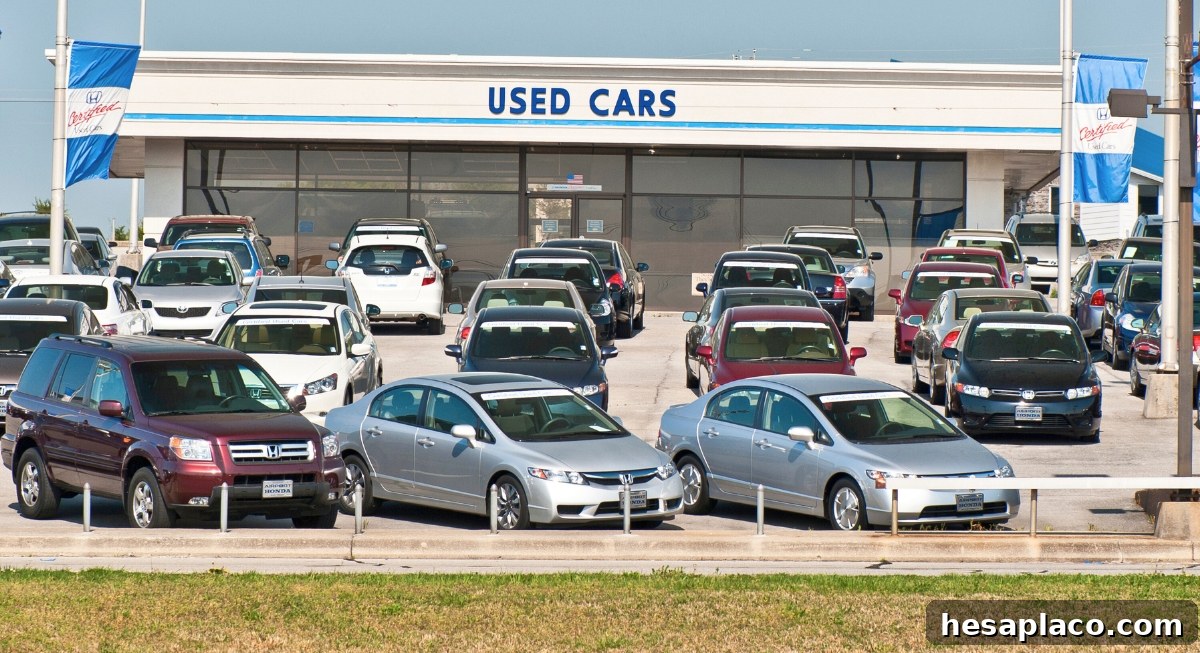
Used car shopping stopped being casual once prices climbed beyond reason, and location now plays a major role in the final cost. One city can shave thousands off the purchase price, while another can keep draining money long after the sale. Inventory flow, insurance rates, taxes, fuel costs, and everyday driving conditions all affect the real expense of ownership. The cities below illustrate how buying a used vehicle can feel either smart or painful depending on where you shop and how you plan to use the car.
Anchorage, Alaska

Credit: Getty Images
In Anchorage, used car prices run roughly 9.84% above the national average. That premium is partially offset by Alaska’s lack of state sales tax, but long travel distances and harsh weather mean inspections and climate-related maintenance are essential—especially for households that rely on a single vehicle year-round.
Honolulu, Hawaii

Credit: Getty Images
Inventory scarcity shapes buying behavior in Honolulu more than haggle tactics, because most cars arrive by ship. Buyers prioritize condition and immediate availability over cosmetic preferences; waiting weeks for another listing often costs more in time and inconvenience than paying a premium for the right vehicle now—especially when transportation needs are urgent.
Escondido, California

Credit: Canva
California’s sales tax increases the upfront cost of buying used, and in Escondido demand keeps prices about 6.97% above national levels. Insurance costs are moderate, but the long-term ownership equation shifts noticeably by year two as fuel expenses add up and resale values moderate. For buyers planning multiple short-term trades, taxes and depreciation can be especially painful.
Lubbock, Texas

Credit: Getty Images
Lubbock’s used car prices sit about 6.28% above the national average. A smaller number of dealers limits competition, while Texas applies a 6.25% sales tax at purchase. Insurance costs are reasonable, so buyers who keep vehicles for the long term and avoid frequent, taxable trades generally get the most value.
Savannah, Georgia

Credit: Getty Images
Savannah’s inventory turnover has been increasing, pushing prices roughly 5.89% above national averages. Insurance rates are on the higher side, though gas and parking remain manageable. Patient buyers tend to find better value—waiting for the right listing often beats rushing into the first low-mileage option that appears.
Jersey City, New Jersey

Credit: Getty Images
Jersey City benefits from spillover inventory from nearby New York, which helps keep used-car listings competitive and prices about 9.08% below the national average. Transit-heavy commutes also tend to reduce average mileage on cars. Although sales tax still applies, smaller loan balances reduce interest exposure and can make purchases more affordable over time.
Hollywood, Florida

Credit: Getty Images
In Hollywood, used vehicle prices run about 8.96% below national norms, which helps offset South Florida’s often-elevated insurance premiums. Buyers who pay cash and plan shorter ownership cycles tend to have the most flexibility here, avoiding long-term commitments and the need for extended warranties.
Miami, Florida

Credit: Getty Images
Miami favors buyers with short, predictable commutes in dense neighborhoods. Year-round driving distances are often limited, which helps reduce long-term ownership costs. As a result, used car prices in Miami often sit below national averages; however, insurance can be a significant monthly expense—averaging substantially higher than many other areas.
Detroit, Michigan

Credit: Getty Images
Detroit’s used-car listings are about 5.98% below the national norm, making initial purchase prices attractive. But ownership costs can accumulate quickly—parking downtown can be expensive and ongoing maintenance and depreciation hit early. This market often works better for weekend drivers than for daily commuters who face steep operating costs.
Cleveland, Ohio

Credit: Getty Images
Cleveland rewards buyers who plan for stability. Inventory tends to be predictable, insurance costs are moderate, and Midwest fuel prices are generally steady. Used vehicles here average around 4.31% below national prices, and long-term owners often benefit from steady monthly expenses and fewer surprise cost spikes compared with more volatile markets.