
The Simpsons is one of the most iconic animated series in television history and the longest-running scripted show, entering its 31st season in late 2019. Beyond its cultural impact, The Simpsons has become an enormously profitable franchise: three decades of toys, video games, apparel, DVDs, costumes and a vast range of merchandise. This article examines the financial side of The Simpsons, covering production costs, advertising rates, cast salaries, licensing deals, revenue streams and notable lawsuits.
Cost Per Episode

Fox / IMDB
By 2011, each episode of The Simpsons cost Fox at least $5 million to produce. At roughly 22 episodes per season, that amounts to about $110 million per year—conservative figures for a 23-minute animated show. For context, in the same period premium live-action shows like Game of Thrones were costing between $5 and $10 million per one-hour episode. Over time, production expenses and especially talent costs were adjusted downward, which lowered the per-episode outlay.
Advertising Cost

Fox / IMDB
Popularity drives ad revenue, and The Simpsons long commanded strong advertising demand. As recently as 2008, the show generated hundreds of millions in annual ad sales. In 2018 Ad Age reported the cost of a 30-second commercial during The Simpsons at about $162,725. That figure placed Simpsons ad spots in a similar range to middle-tier network dramas and comedies, though well below top-rated series whose 30-second spots could exceed $400,000.
A History of Pay

Fox / IMDB
When The Simpsons began, principal voice actors earned between $5,000 and $30,000 per episode under decade-long contracts. After years of success the cast pressed for raises and a share of merchandising revenue. In 1998 Fox agreed to pay about $50,000 per episode with scheduled increases; by 2001 the per-episode rate rose to $125,000, and in 2004 the cast negotiated payments in the $250,000–$360,000 range. A further increase followed in 2008, bringing pay to roughly $400,000 per episode.
Pay Cuts
Fox / IMDB
By 2011, network executives argued the show’s financial model was unsustainable and pushed for large reductions in talent fees. The cast agreed to accept a pay cut—reportedly down to about $300,000 per episode—in exchange for participation in certain back-end revenues. That reduction brought salaries back to roughly 2004 levels and helped keep production going.
No Raises for Several Years

Fox / IMDB
Conflicts over compensation continued. In 2015, long-time cast member Harry Shearer publicly threatened to leave the series over pay disputes; producers considered recasting, and Shearer ultimately returned at roughly the same per-episode rate. Since then, the main cast has reportedly remained on similar pay terms, while critics and some viewers have argued that the show’s creative quality has declined compared with earlier seasons.
Mobile Games and Digital Revenue

EA / IMDB
Digital extensions broaden The Simpsons’ revenue base. The Simpsons: Tapped Out, a free-to-play mobile game released by EA in 2012, generated more than $130 million in revenue from launch through Q3 2014, and has continued to produce substantial income since then through in-app purchases and seasonal events.
The Simpsons Movie

Fox / IMDB
In 2007 Fox released The Simpsons Movie, which earned approximately $527 million worldwide on an estimated $75 million budget. The film demonstrated the franchise’s box office potential and contributed meaningfully to the brand’s overall profitability.
Syndication and Streaming Deals

Fox / IMDB
Off-network syndication has been extremely lucrative. In 2013, FX paid a reported $750 million for rights to air The Simpsons archive over a ten-year period—the largest off-network cable deal at the time. After corporate acquisitions, the Simpsons catalog later moved under Disney’s umbrella and became a key part of streaming strategies, including availability on Disney+.
Notable Lawsuits

Fox / IMDB
The Simpsons has faced several legal claims over the years. Comedian and performer Tracey Ullman—whose variety show first hosted the Simpsons shorts—filed suit in the early 1990s claiming contractual entitlement to a share of receipts from characters that originated on her show; the case was dismissed. In 2014 actor Frank Sivero sued alleging a character’s likeness was based on him and sought large damages; judges ultimately rejected the claim. In 2019 longtime composer Alf Clausen sued Fox alleging age discrimination after being replaced; that case raised questions about staffing choices during changes in the show’s music production.
Controversies and Network Tensions

Fox / IMDB
The series has occasionally clashed with other parts of its parent company. In one instance creators parodied on-screen news crawlers, triggering complaints from a news division; producers recall threats of legal action that were ultimately never pursued. Such incidents underscore the sometimes fraught relationship between creative teams and corporate stakeholders.
Brand Partnerships: LEGO
Fox / IMDB
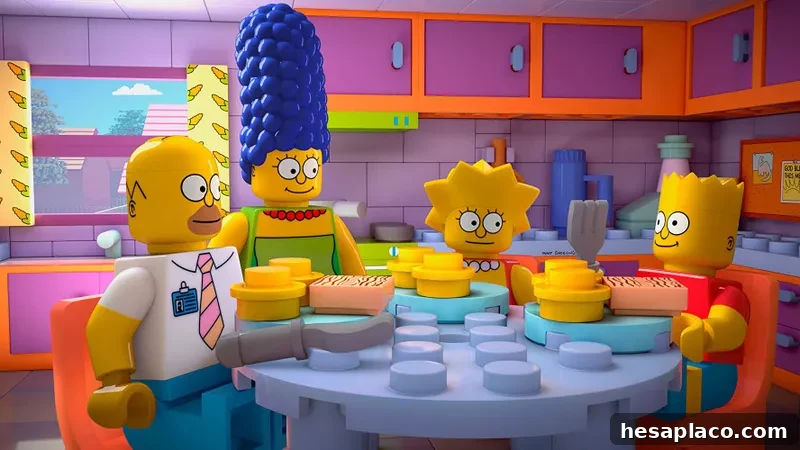
Brand collaborations have been mutually profitable. For the 550th episode, The Simpsons produced a full LEGO-themed installment that took nearly two years to complete. LEGO subsequently released several Simpsons sets—such as the Kwik-E-Mart and Simpsons House—that sold out quickly and became collectible items on the secondary market.
Merchandising
Fox / IMDB
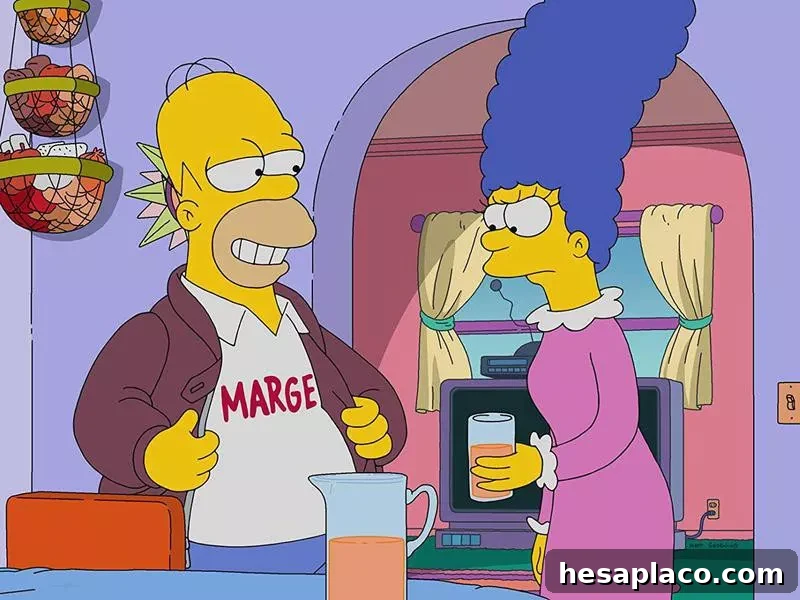
At its peak, Simpsons-branded merchandise generated hundreds of millions of dollars annually. In 2008 consumers worldwide spent roughly $750 million on products tied to the franchise, with the U.S. accounting for about half of that figure. By the late 2010s global merchandise sales had declined from peak levels—estimates around 2018 put annual sales near $245 million—reflecting shifts in consumer demand and licensing strategies.
Theme Park Revenue

Fox / IMDB
Experience-based attractions extend the franchise’s earning power. Universal Studios Florida opened a Springfield-themed land in 2015 featuring recreations of Moe’s Tavern, Krusty Burger, Duff Brewery and other locations. Food and beverage prices at themed venues reflect the premium visitor experience, contributing to park revenue and maintaining the brand presence in a real-world setting.
Collectible Toys

Fox / IMDB
Over the years many Simpsons collectibles have become valuable. Examples of notable secondary-market sales include specialty playsets, limited-edition figures and premium collectible items that can fetch hundreds or even thousands of dollars depending on rarity and condition.
The Simpsons remains a major entertainment property with diverse revenue streams—television production, syndication and streaming rights, merchandise, licensing partnerships, theatrical releases, mobile games and theme-park experiences. While production and talent costs have fluctuated over time, the franchise’s broad commercial footprint and longstanding fan base continue to make it a lucrative and influential part of global pop culture.