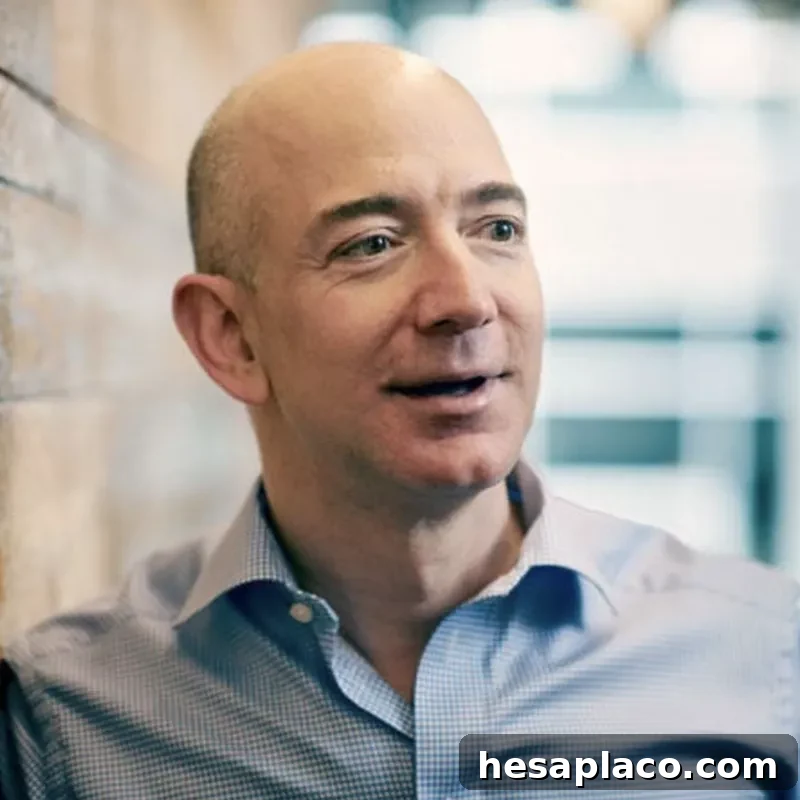
Jeff Bezos possesses immense wealth. Whether he ranks first, second, or third among the world’s richest people, he is consistently near the top—and his influence is undeniable. As an early internet entrepreneur, Bezos transformed how people shop and expanded his reach into television, journalism, cloud computing, consumer electronics and aerospace.
The familiar origin story begins with Bezos selling books online from a Seattle garage in 1995 and continues through Amazon’s acquisition of Whole Foods for $13.7 billion, which gave the company an instant brick-and-mortar presence, and his founding of Blue Origin to pursue spaceflight. This article traces the path from Bezos’s modest beginnings to his current ventures and public profile.
A Toddler With a Screwdriver

Getty Images
Jeff Bezos was born in Albuquerque, New Mexico, in 1964 to Jacklyn and Ted Jorgensen. His mother was 17 and still in high school when he was born. Early on he showed a knack for tinkering—he disassembled his crib with a screwdriver as a toddler and later built an alarm to keep his siblings out of his room.
After his parents divorced when he was one, his mother married Miguel Bezos, a Cuban immigrant who had come to the United States as a teenager. Jeff took his stepfather’s surname, and the family moved to Houston, where Miguel worked for Exxon as an engineer. The family later settled in Miami, and Bezos graduated as his high school valedictorian. He went on to Princeton University, graduating with degrees in electrical engineering and computer science and serving as president of the school’s chapter of Students for the Exploration and Development of Space.
His ‘Regret Minimization’ Framework
Getty Images
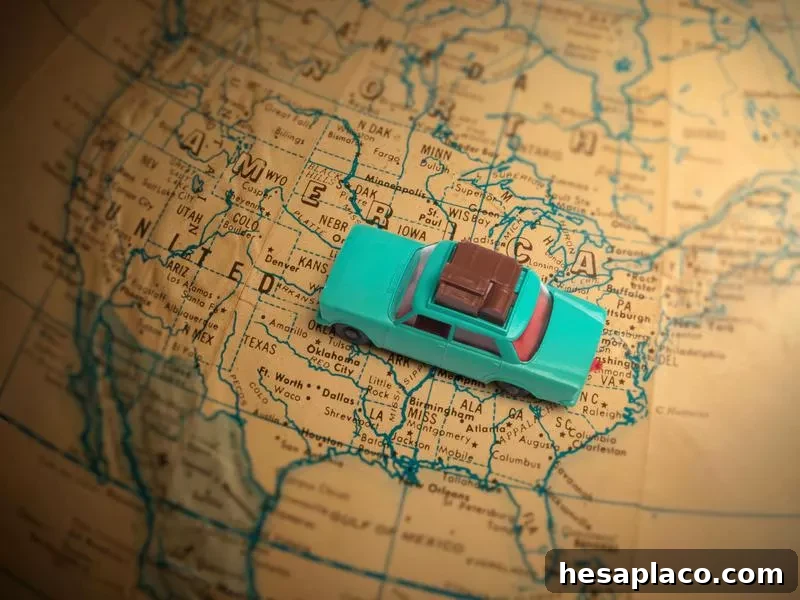
Bezos left a well-paying job as a vice president at a New York hedge fund and drove across the country to Seattle to start Amazon. He later described this decision as part of his “regret minimization framework”: a personal strategy to avoid future regret about not joining the internet’s commercial boom in the mid-1990s. At the time, he had read a report forecasting an enormous expansion of web retail and wanted to act while the opportunity existed.
Selecting a Name
Getty Images
Bezos wrote his business plan during the cross-country drive and first named the company Cadabra Inc., which an attorney misheard as “cadaver.” He briefly considered the name Relentless—he still owns relentless.com—but was advised it sounded too ominous. He chose Amazon after flipping through a dictionary, drawn to the word’s exotic sound and the idea of building the largest store in the world, much as the Amazon is the largest river.
Starting With Books

Getty Images
Bezos evaluated roughly 20 product categories—computer hardware, CDs, videos and more—before launching with books. He chose books for their low price points, the virtually limitless number of titles, and their global appeal. For Bezos, being first and creating a trusted brand in an emerging market mattered more than the specific product.
Bezos has said business models can be copied, but an early and trusted brand builds long-term value—an idea he compared to how McDonald’s was copied yet remained highly successful.
Fast Growth From the Get-Go

Getty Images
After partnering with Ingram Books, Bezos began fulfilling orders from his Bellevue, Washington garage in July 1995. Within two months Amazon shipped to all 50 U.S. states and 45 countries, generating about $20,000 a week in sales. Unlike a big-box bookstore that might stock a few hundred thousand titles, Amazon could offer essentially unlimited inventory online—an early, clear advantage.
Attacked in Court
Getty Images
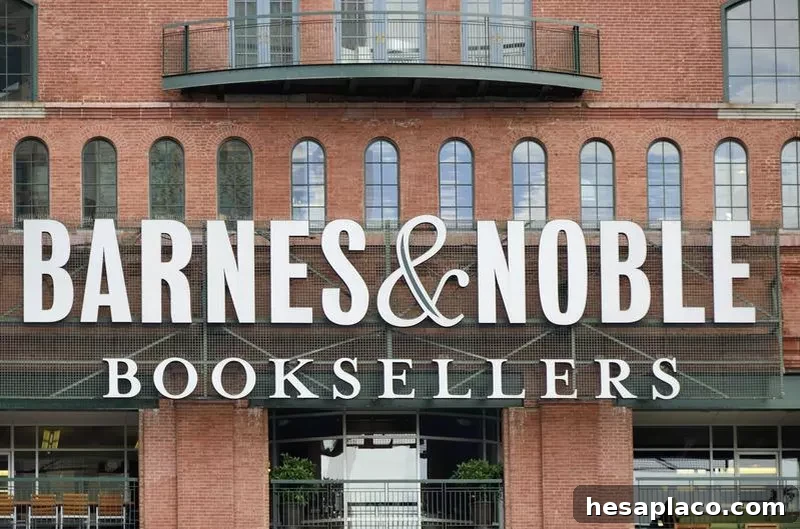
Shortly before Amazon’s initial public offering, Barnes & Noble sued the company, arguing Amazon misrepresented itself by claiming to be the world’s largest bookstore because, Barnes & Noble said, it acted as a book broker rather than a traditional bookstore. Amazon settled that dispute and continued to use the claim. In 1998 Walmart filed a separate lawsuit accusing Amazon of stealing trade secrets by hiring away executives; that suit was also settled out of court.
Making No Profit Promises
Wikimedia
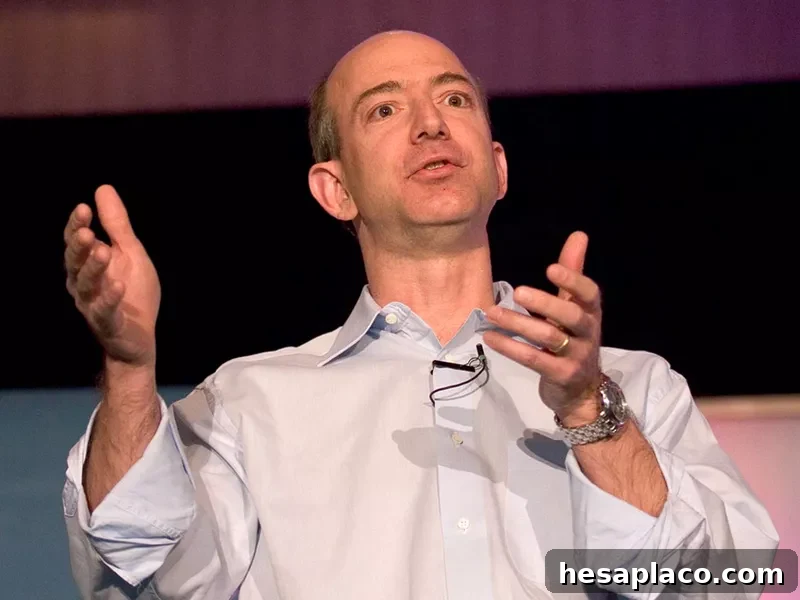
Bezos’s original business plan told investors to expect slow growth and predicted the company would not earn a profit for four to five years. Though investors balked, that long-term approach allowed Amazon to survive the dot-com crash of 2000. Amazon posted its first quarterly profit in late 2001—$5 million on $1 billion in sales—demonstrating that the patient strategy could succeed.
The World’s Worst Boss
Doc Searls / Flickr
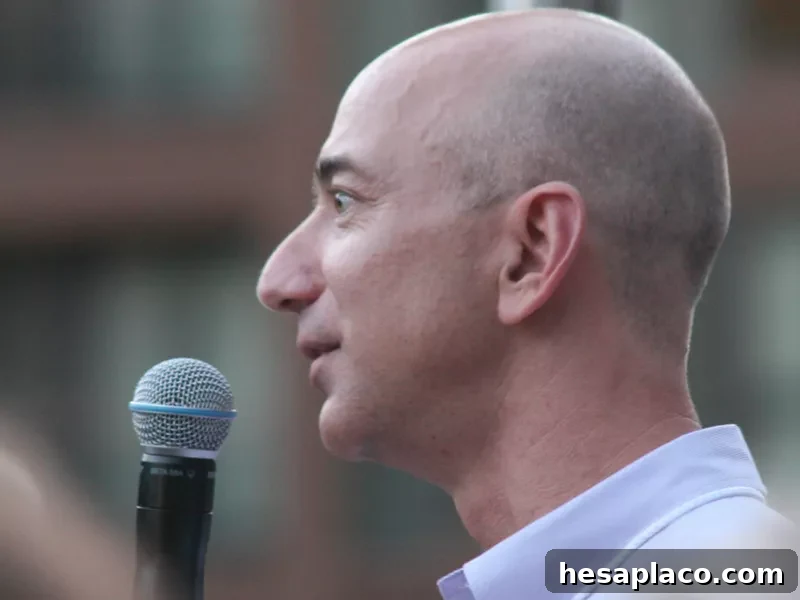
Bezos has faced criticism over Amazon’s workplace practices. In 2014, the International Trade Union Confederation called him the “World’s Worst Boss,” arguing he symbolizes the excesses of a North American corporate model. A 2015 New York Times article described conditions at Amazon as “grueling and inhumane,” prompting Bezos to issue an internal memo disputing that portrayal and inviting employees to share concerns directly with him.
Amazon Today
Getty Images
Amazon has grown far beyond an online bookstore. It is the world’s largest online retailer and the leading provider of cloud infrastructure through Amazon Web Services (AWS). The company also produces original film and television content for its streaming services and develops consumer electronics like the Kindle e-reader and Echo smart speaker.
A Secret Race to Space
Blue Origin
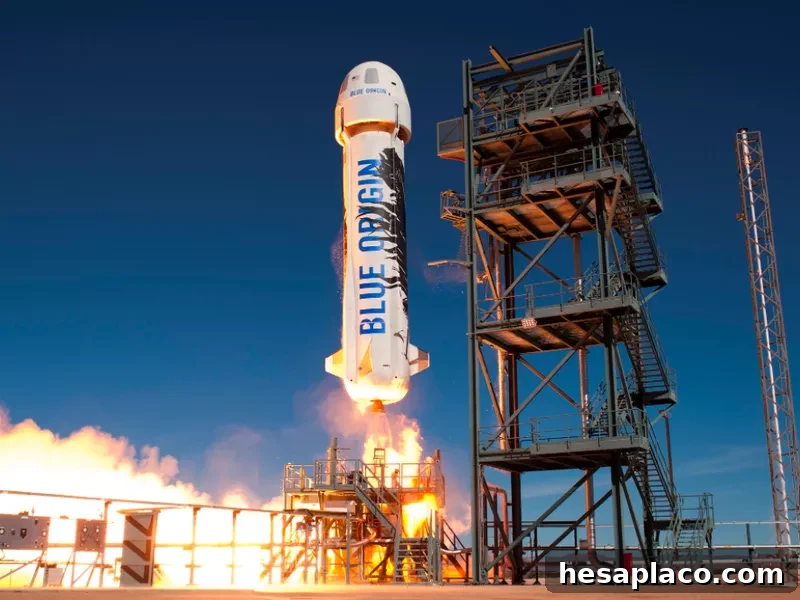
Bezos founded Blue Origin in 2000 to pursue private human spaceflight. The company remained secretive for years until it acquired a large test facility in Texas in 2006. A 2011 test vehicle loss highlighted the technical progress underway and the risks involved. Bezos has said Blue Origin’s long-term goal is to make space travel safe and affordable and to enable millions of people to live and work in space. He has financed much of the venture by selling roughly $1 billion in Amazon stock annually.
Buying The Washington Post
The Washington Post
In 2013 Bezos purchased The Washington Post for $250 million in cash, a deal he later said he accepted without conducting formal due diligence. He told Post staff that the paper’s future would require experimentation. One of his early changes was adjusting the paper’s digital access strategy by removing certain paywall restrictions for subscribers of partner newspapers.
Investments, Big and Small
Getty Images
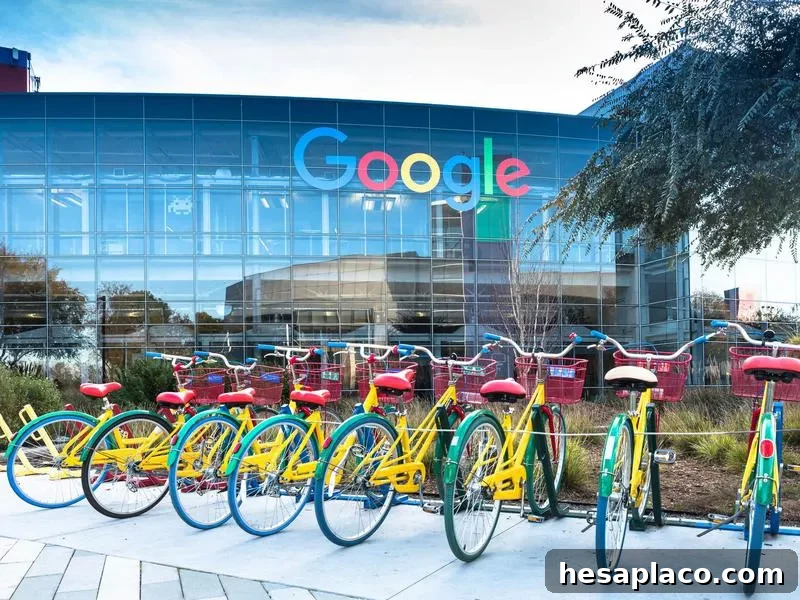
Bezos invested in Google early, buying 3.3 million shares for roughly $250,000 in 1998. Through his investment vehicle, Bezos Expeditions, he has backed a wide range of companies—high-profile names like Uber, Twitter and Business Insider, and smaller or niche ventures such as Nextdoor and healthcare startups.
Charitable Contributions, Big and Small
Getty Images
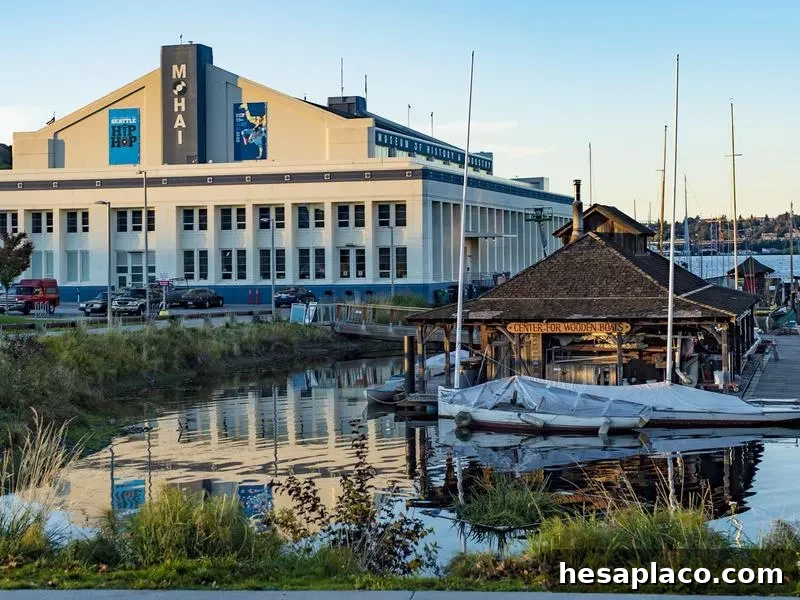
Bezos and his family have funded philanthropic projects. Bezos Expeditions donated $10 million to establish the Bezos Center for Innovation at the Seattle Museum of History and Industry and $15 million to support neural circuit research at Princeton. The Bezos Family Foundation, funded largely through family-held Amazon shares, has made significant contributions, including $30 million to the Fred Hutchinson Cancer Research Center. Bezos and his then-wife also gave $2.5 million to support Washington state’s same-sex marriage referendum.
Critics have argued Bezos’s philanthropic footprint lags behind peers like Microsoft’s founders, and debates about the scale and focus of his giving continue.
Accumulating Accolades
Time Magazine
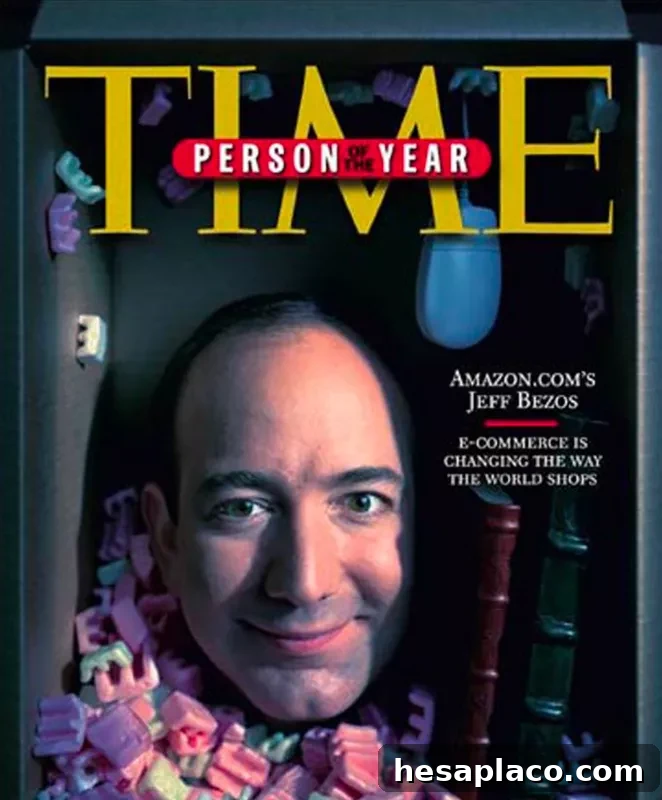
Bezos has received numerous honors: Time named him “Person of the Year” in 1999; Fortune recognized him as “Businessperson of the Year” in 2012; Harvard Business Review named him “CEO of the Year” in 2014; and Forbes has included him among the world’s leading figures, placing him at the top of various leadership lists.
A Costly Divorce
Evan Agostini/Invision/AP Photo
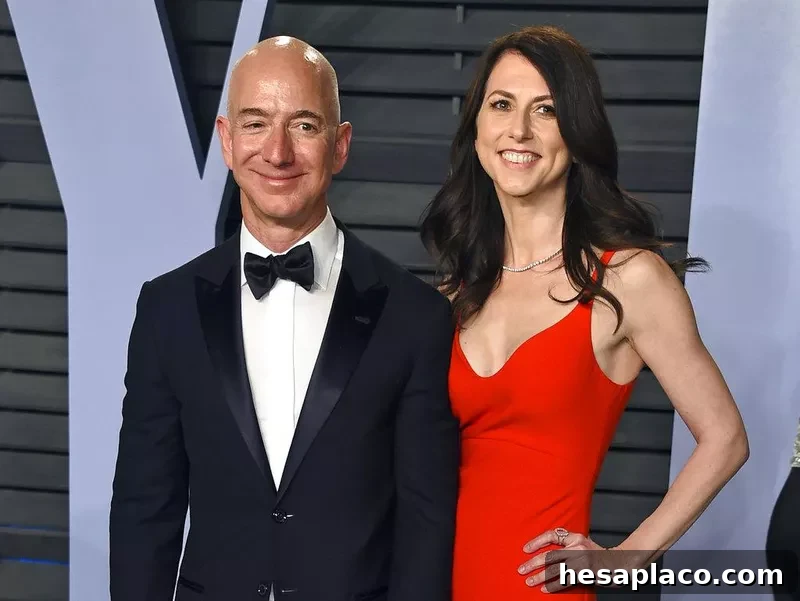
Bezos and MacKenzie Scott divorced in 2019 following revelations of his relationship with Lauren Sanchez. Scott received a settlement valued at about $38 billion and has donated a large portion of her wealth to charitable causes, including food banks, racial justice initiatives, LGBTQ and public health organizations. The couple continues to co-parent their four children.
The First Blue Origin Flight Breaks Records
aljazeera / Facebook
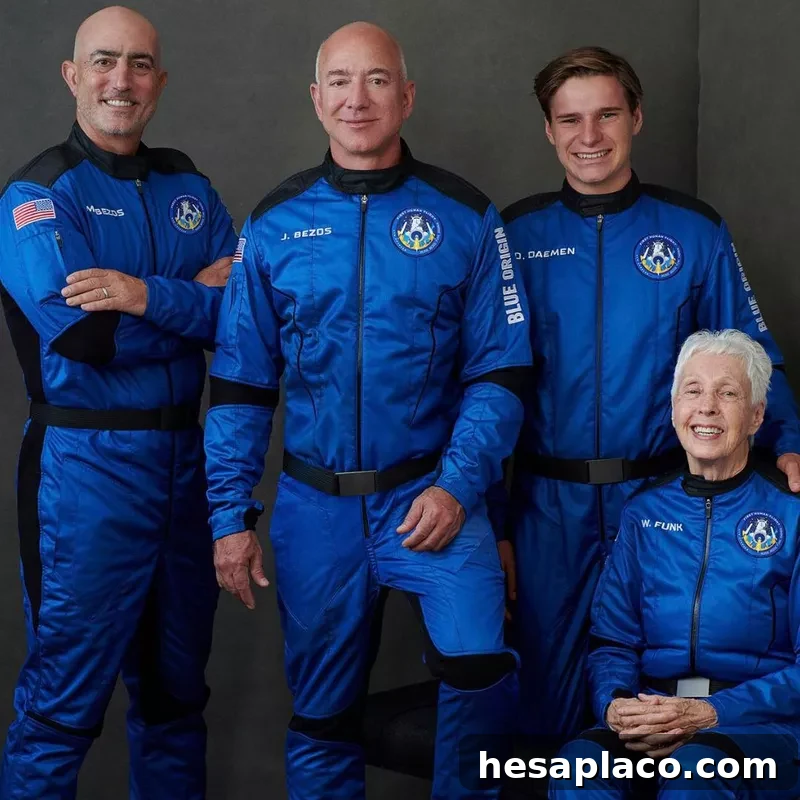
Blue Origin’s first crewed flight in July 2021 set several records: it carried the oldest person to space at the time, Wally Funk (82), the youngest crew member, Oliver Daemen (18), and included Jeff Bezos and his brother Mark—the first siblings to fly together. New Shepard became the first spacecraft to carry paying customers on a suborbital flight.
Bezos Steps Down as CEO
AP Photo
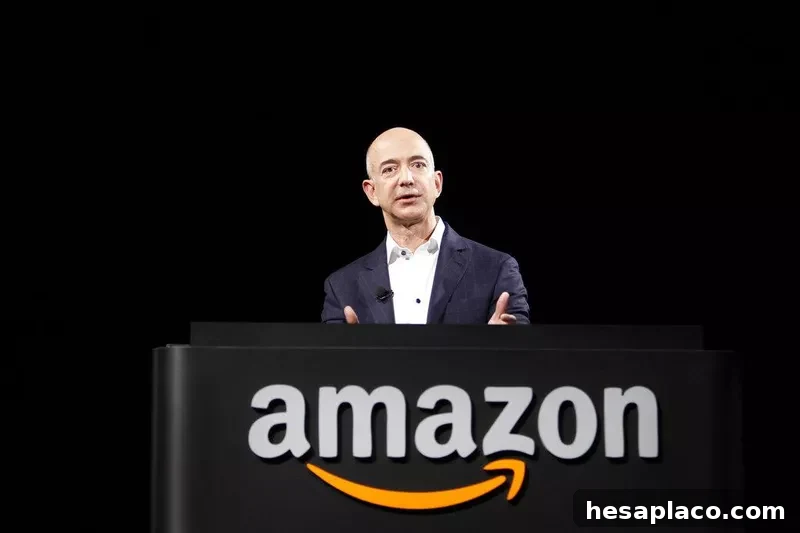
In July 2021, Bezos stepped down as Amazon’s CEO and became executive chair. Since then he has devoted more time to Blue Origin, The Washington Post, and philanthropic efforts such as the Bezos Earth Fund and the Day 1 Families Fund.
Another Blue Origin Flight Breaks Records
chinaplusamerica / Facebook
On Blue Origin’s second crewed flight, the company carried William Shatner, then 90 years old, on his first trip to space. The flight drew broad public attention and emotional reactions; Shatner described the experience as life-changing and profound.
The Pandemic Added to Bezos’s Fortune
AP Photo
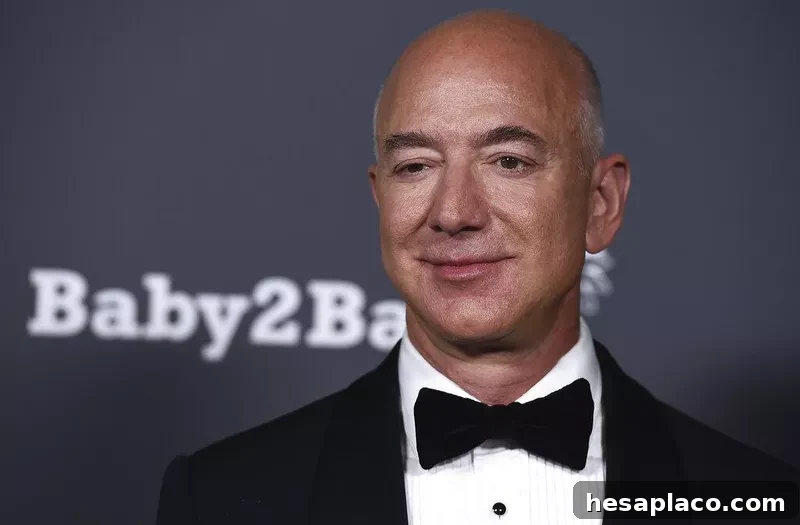
The COVID-19 pandemic accelerated Amazon’s growth as consumers shifted to online shopping. Amazon’s stock jumped sharply through 2020 and into 2021, boosting Bezos’s net worth; however, as pandemic restrictions eased and supply-chain issues emerged, the stock later declined. A notable market drop in April 2022 erased billions from his paper wealth in a single day.
Unions and Amazon’s Labor Practices
PesceAssociates / Facebook
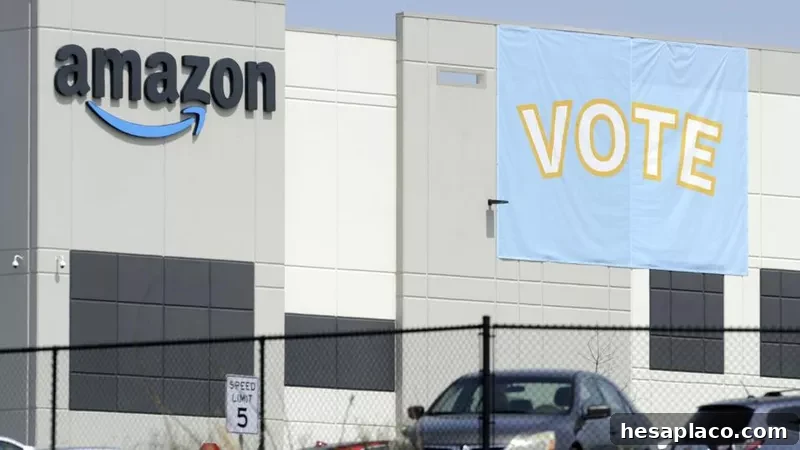
Attempts by Amazon workers to unionize have faced strong resistance from management, drawing criticism from politicians and labor advocates. Senator Bernie Sanders and others have publicly condemned Amazon’s labor practices and questioned the company’s approach to union organizing. Bezos declined invitations to testify in some high-profile hearings, which further fueled scrutiny and debate.
A War of Words with Elon Musk
fossbytes / Facebook
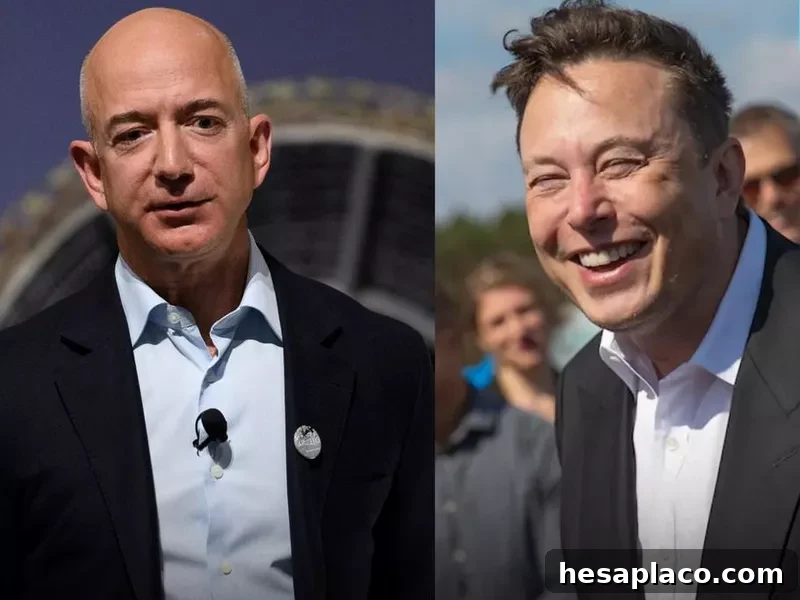
Bezos and Elon Musk have been rivals in the private space sector and occasionally trade public barbs. Disputes have included legal challenges related to government contracts and snarky comments on social media. Their rivalry reflects broader competition over the future of commercial spaceflight.
Amazon Vows to Help Workers Seeking Abortions
Amanda Andrade-Rhoades / AP Photo
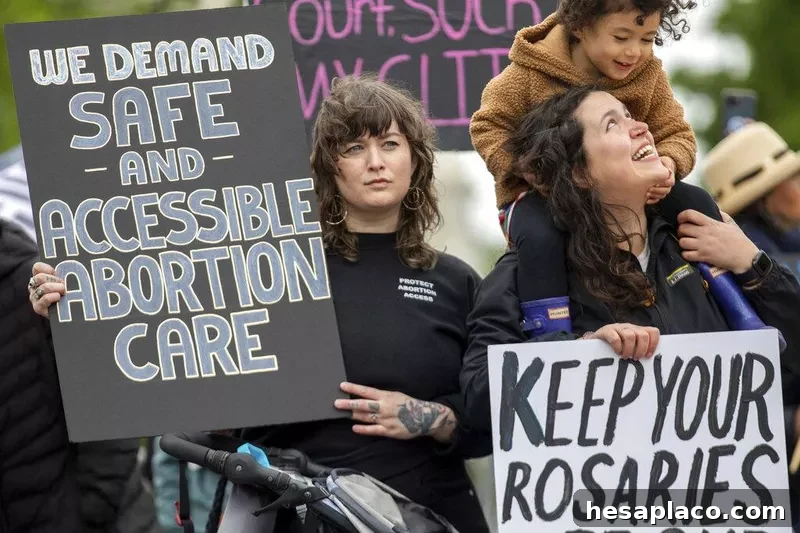
In response to changing legal landscapes around reproductive rights, Amazon announced benefits to help employees access out-of-area medical care, offering up to $4,000 in travel expenses when necessary for treatments that are not available within 100 miles and cannot be provided virtually. The policy applies to eligible employees and their dependents covered under the company’s specified health plans.
From a garage-based bookseller to a global technology and retail leader with ventures in space and media, Jeff Bezos’s journey spans decades of growth, controversy, innovation and public debate—shaping industries and sparking conversations that continue to evolve.