
You prepared thoroughly for your job interview: your resume is polished, you researched the company, and you’ve practiced answers to common questions. But have you considered your body language? In interviews, actions often speak louder than words, and nonverbal signals can strongly influence how interviewers perceive you.
“Words are only one way we communicate,” says emotional intelligence expert Harvey Deutschendorf. “Our bodies convey thoughts and feelings and send messages others use to form judgments about us. Being aware of the messages your body sends is crucial to success. By paying attention to body language, you can make a complete and intentional impression.”
Most people have small body-language habits they’ve used for years without noticing. In the pressure of an interview, these habits can be magnified. The good news: you can replace unhelpful habits by consciously practicing new behaviors until they feel natural.
Below are 15 practical body-language tips to help you present yourself with confidence and professionalism in any interview.
Have a Firm Handshake

Getty Images
Your handshake is often the first physical contact with an interviewer, so it matters. A limp handshake can signal low confidence or disinterest, while an overly strong one can seem aggressive. Aim for a vertical, firm but not crushing grip, and make eye contact while you shake hands. Treat everyone the same regardless of gender, and prepare your hand before contact so it’s steady.
Be Aware of Personal Space

Getty Images
Personal space preferences vary by culture, but a safe approach is to avoid standing too close. Invading personal space can make interviewers uncomfortable or feel threatened; standing too far away can suggest anxiety or lack of confidence. Research indicates people start to feel threatened when someone is roughly 8–16 inches from their face, so keep a comfortable distance and respect the interviewer’s boundaries.
Square Your Body During Conversation

Getty Images
Face the interviewer directly and keep your shoulders parallel. Turning away signals discomfort, disinterest, or distrust. Lean forward slightly to show engagement, and avoid slumping back in your chair. One tip is to sit on the front half of the seat so you naturally stay upright and engaged rather than leaning away.
Use Power Positions

Getty Images
Sitting and standing up straight sends a clear message of confidence and self-respect. Power positions signal that you value the conversation and are present. Conversely, slouching can imply disinterest or low self-esteem, so maintain good posture throughout the interview.
Make Appropriate Eye Contact

Getty Images
Correct eye contact strikes a balance: too little can seem evasive or insecure, while intense staring can feel aggressive. Maintain eye contact for a few seconds, then glance away briefly to the side before reengaging. Avoid looking at the floor or rolling your eyes, both of which convey negative signals.
Keep a Friendly Facial Expression

Getty Images
A natural, relaxed smile helps people warm to you. If smiling feels forced, choose a pleasant, neutral expression instead. Avoid severe or scowling expressions, which can create tension and make the interviewer defensive.
Travel Light

Getty Images
If you traveled far for the interview, minimize baggage. Bulky bags can weigh you down, distract you, and detract from your overall appearance. Leave unnecessary luggage at a hotel concierge or in a locker so you arrive calm and composed.
Manage Your Clothes

Getty Images
Dress appropriately for the role and workplace culture, and avoid clothing or accessories you might fidget with—long scarves, dangly jewelry, or oversized sleeves can become distracting. Choose comfortable, professional attire that lets you focus on the interview rather than adjusting your outfit.
Keep Your Hands in Plain Sight

Getty Images
Hands are expressive and can reinforce what you say. Make gestures where the interviewer can see them—above the table or in the open—because hiding your hands can subconsciously suggest deception or discomfort. Visible, natural gestures can make you seem more genuine and trustworthy.
Avoid the High Steeple

Getty Images
The “high steeple” gesture—fingertips touching and hands raised near the face—often communicates authority and expertise. It can be appropriate for senior leaders or seasoned professionals, but in most interviews it risks coming across as arrogant. Unless you have extensive experience and a senior presence to convey, avoid this gesture.
Use the Middle Steeple Sparingly

Getty Images
The middle steeple—hands together near the chest—shows moderate confidence and thoughtfulness. Use it occasionally when making a serious point. When you do, consider opening your hands with palms outward and moving them slightly outward to emphasize sincerity and openness.
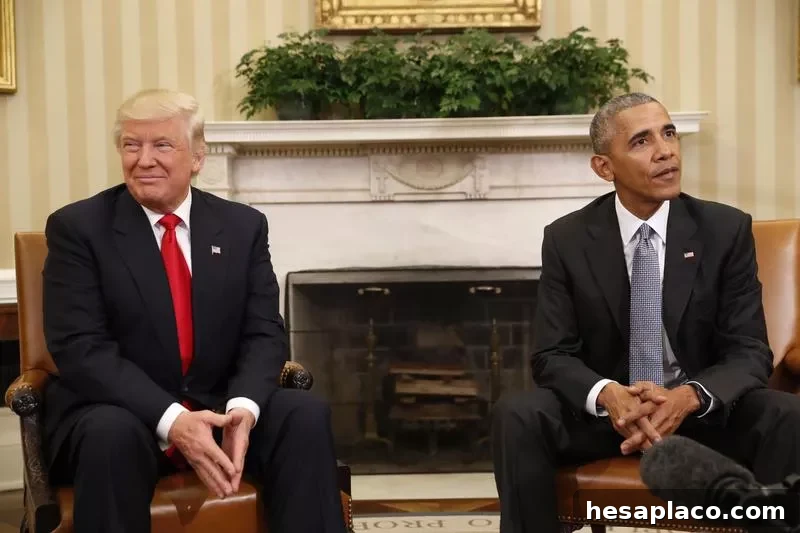
Avoid the Low Steeple
Pablo Martinez Monsivais / AP Photo
The low steeple places hands near the lap and is often hidden below the table. While it can convey humility in personal contexts, in an interview it usually reads as low confidence. Keep your hands visible and engaged rather than tucked away.
Display Open Palms

Getty Images
Open palms are a universal sign of honesty and nonthreatening intent. If you sense skepticism from an interviewer, showing open palms with your arms comfortably apart can build trust and signal transparency. This gesture, combined with good posture and direct but friendly eye contact, helps create a positive interview atmosphere.
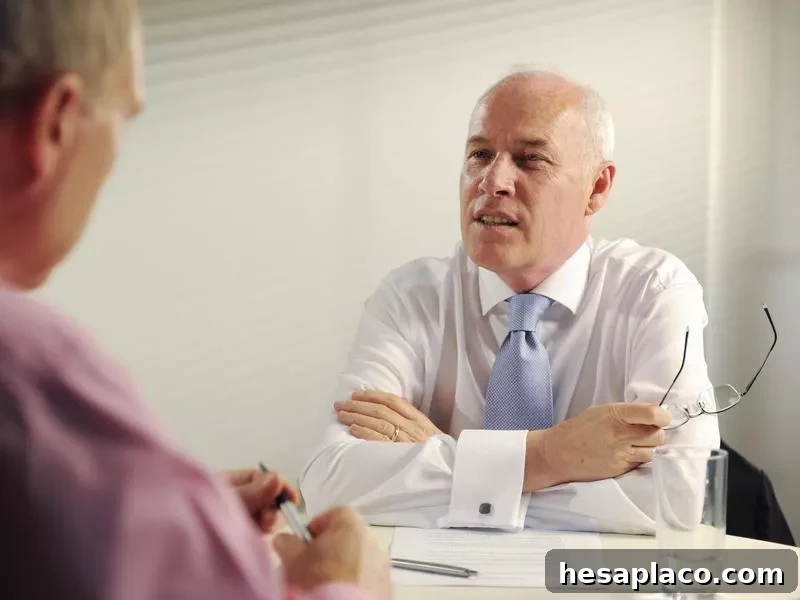
Don’t Cross Your Arms
Getty Images
Crossing your arms creates a physical barrier and signals defensiveness, resistance, or disengagement. Keep your arms relaxed and apart to show openness to dialogue. Avoid touching or folding your arms during the interview so you come across as receptive and collaborative.
Mirror the Interviewer

Getty Images
Mirroring is a subtle technique in which you reflect the interviewer’s posture, gestures, or tone to build rapport. It creates a sense of similarity and comfort. Use mirroring sparingly and naturally—copying every movement will appear forced. Simple actions like matching the interviewer’s energy level or smiling in response to a smile are effective ways to create connection.
By applying these body-language strategies—firm handshake, appropriate eye contact, open posture, visible hands, and mindful gestures—you can reinforce the competence and confidence your words describe. Practicing these habits before an interview will help them feel natural, allowing your experience and skills to shine through both verbally and nonverbally.