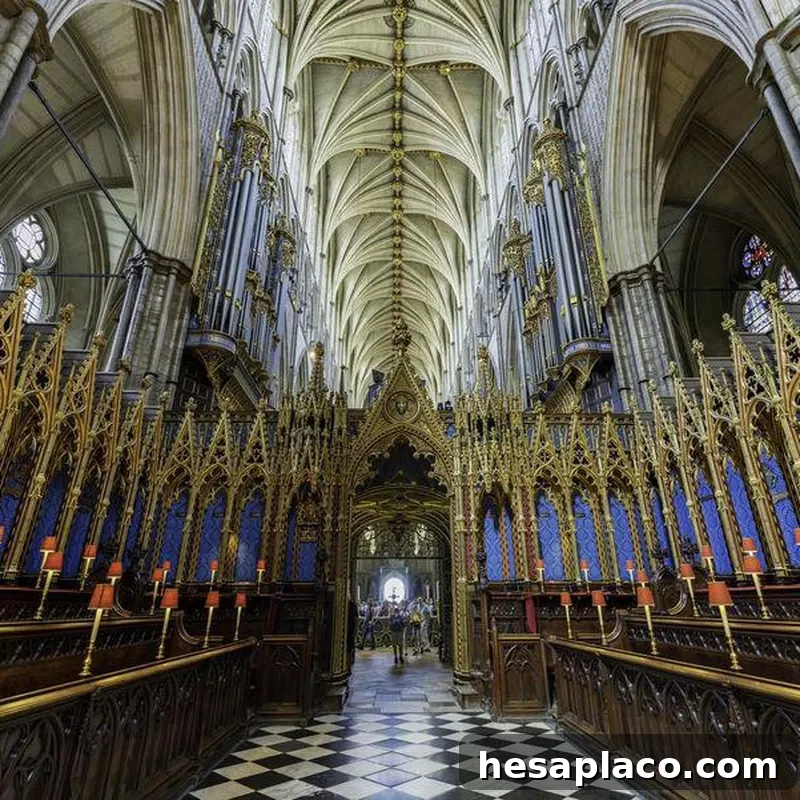
The history of organized religion stretches back thousands of years, and with those long traditions come substantial resources. Religious institutions often own valuable real estate, investments, and cultural treasures, making many of them among the world’s wealthiest organizations. While operating a place of worship requires funding—paying staff, maintaining historic buildings, and supporting community services—many faith-based organizations are tax-exempt, a fact that has fueled ongoing debate about their wealth and transparency.
Below is a ranked overview of some of the richest religious institutions and temples worldwide, their estimated worth, primary religion, and where they are based. Figures are estimates drawn from public records and reporting; many organizations do not disclose full financials.
13. Church of Scientology
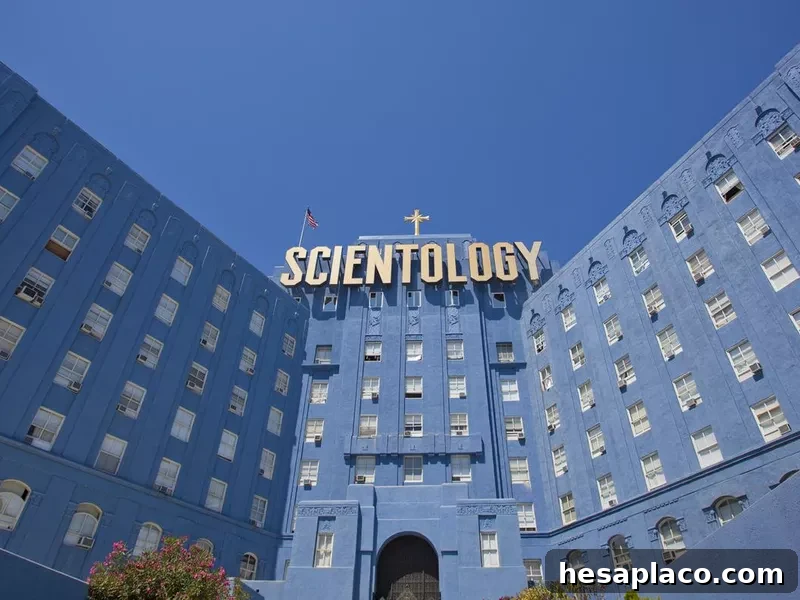
LPETTET / Getty Images
Worth: $2 billion
Religion: Scientology
Country: United States
The Church of Scientology began in the mid-20th century after L. Ron Hubbard recharacterized his Dianetics system as a religion. Scientology operates a structured fee-based progression of services—such as auditing and the advanced Operating Thetan levels—that has generated significant revenue for the organization. It remains controversial and is treated differently by governments worldwide: some recognize it as a religion, while others restrict or challenge its status.
*Dollar figures are estimates compiled from public reporting; many religious organizations do not disclose full financial details.
12. Opus Dei
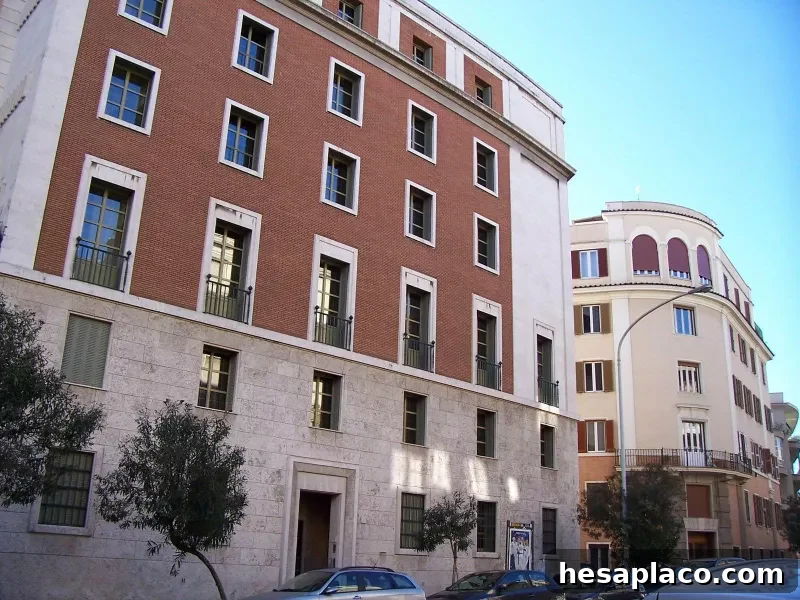
JPSonnen / Wikimedia Commons
Worth: $2.8 billion
Religion: Catholicism
Country: Italy
Founded in Spain in 1928 and now headquartered in Rome, Opus Dei is a personal prelature of the Catholic Church that emphasizes holiness in ordinary life. Most members are laypeople rather than clerics, and the organization focuses on integrating spiritual practice with professional and family responsibilities. Its assets and institutional holdings contribute to its substantial net worth.
11. The Holy See
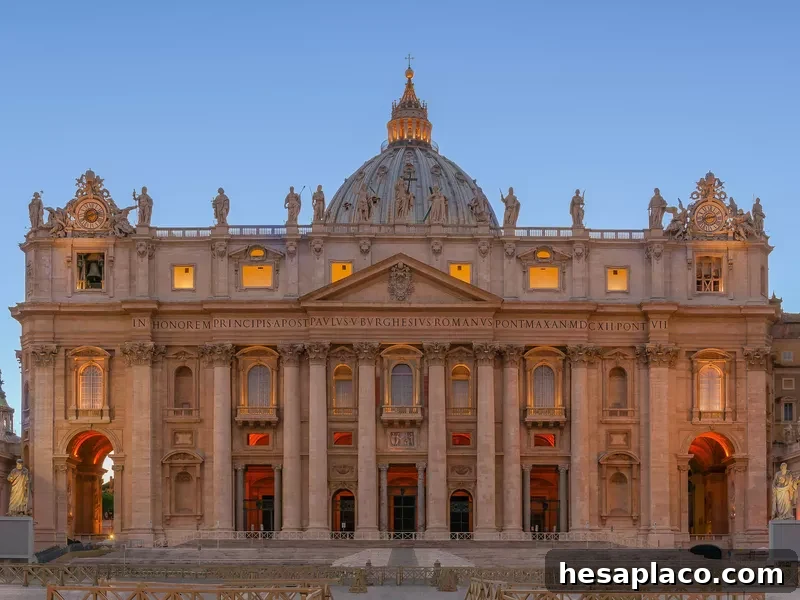
Jebulon / Wikimedia Commons
Worth: About $5 billion
Religion: Catholicism
Country: Italy
The Holy See is the sovereign jurisdiction of the Pope and the central government of the Catholic Church, administering Vatican City. While the broader global Catholic Church controls significantly more assets worldwide, the Holy See manages funds used to operate the Vatican as a sovereign entity, including diplomatic, administrative, and cultural functions.
10. Trinity Church
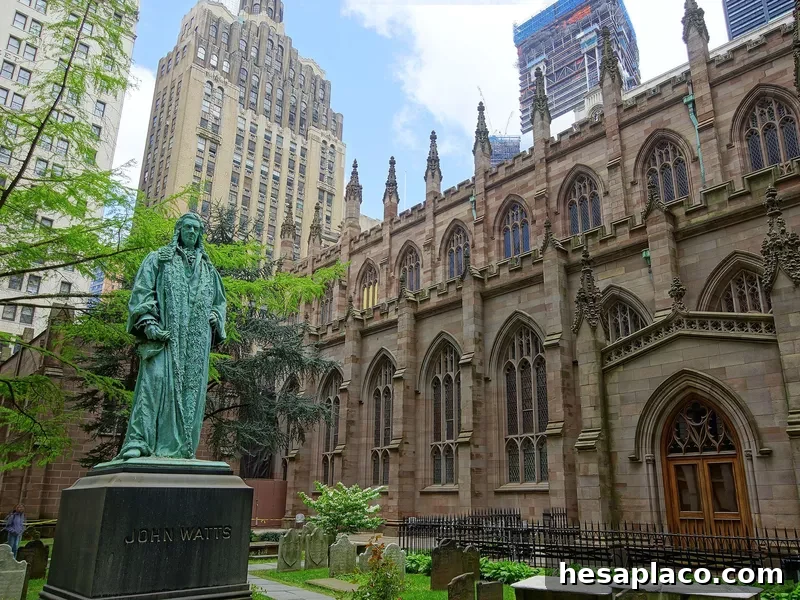
Jean-Christophe Benoist / Wikimedia Commons
Worth: $6 billion
Religion: Anglican
Country: United States
Located in New York City’s Financial District, Trinity Church is an influential Episcopal parish with roots in the 17th century. Alongside its historic main building, the church owns extensive real estate that substantially contributes to its wealth. Trinity’s holdings and long-standing role in civic and educational initiatives have helped build its financial base over centuries.
9. Church of Sweden

Wild-Places / Getty Images
Worth: $11.42 billion
Religion: Lutheran
Country: Sweden
The Church of Sweden is the country’s largest Lutheran denomination, counting millions of members. Its operations are largely funded by a church tax paid by registered members through the tax system. The church also manages forests, agricultural lands, medieval churches, and other historic properties, often receiving state support to preserve these cultural assets.
8. Church of England
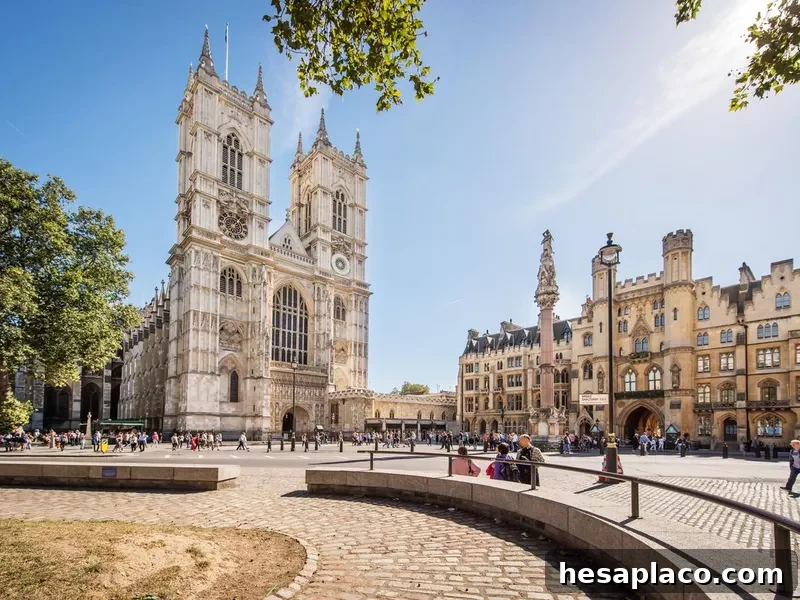
taikrixel / Getty Images
Worth: $11.97 billion
Religion: Anglican
Country: United Kingdom
Established in the 16th century after England’s break with Rome, the Church of England oversees thousands of church buildings and dozens of cathedrals across the UK. It relies primarily on donations and investment returns rather than direct government funding, and its substantial property portfolio and endowments represent a major portion of its financial resources.
7. Seventh-day Adventists
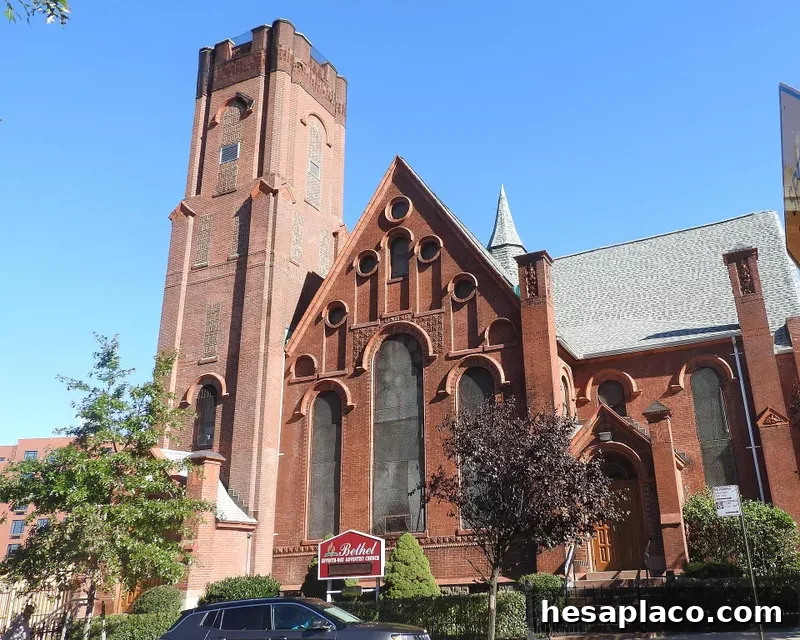
Bethel Seventh-day Adventist Church / Wikimedia Commons
Worth: $15.6 billion
Religion: Protestant (Adventist)
Country: United States
The Seventh-day Adventist Church is a global Protestant denomination distinguished by its observance of Saturday as the Sabbath and its focus on the Second Coming of Christ. With a large international membership and extensive educational and medical institutions, the denomination has grown rapidly and amassed significant assets.
6. Sree Padmanabha Swamy Temple
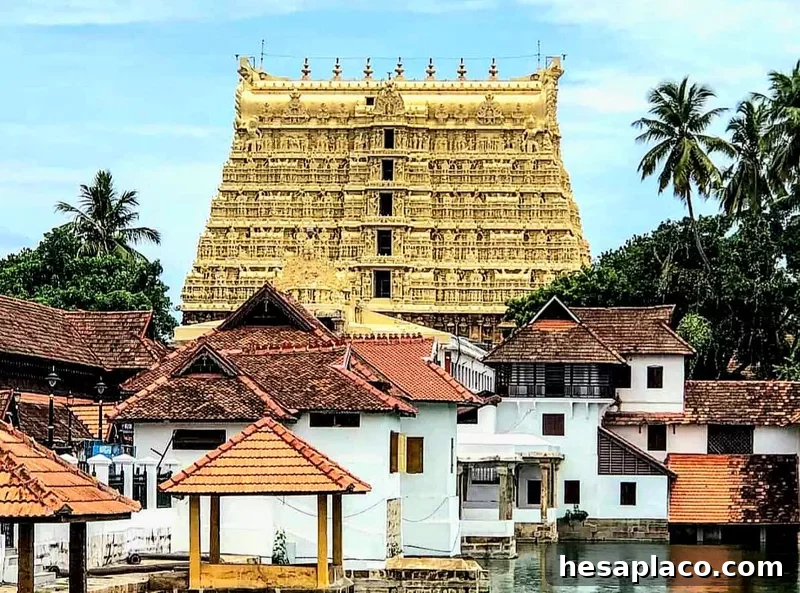
Narayanan Iyengar / Wikimedia Commons
Worth: About $20 billion (potentially much higher)
Religion: Hinduism
Country: India
Located in Kerala, the Sree Padmanabha Swamy Temple is managed by a trust associated with the Travancore royal family. When authorities inspected its vaults, they discovered vast treasures—gold statues, precious stones, and historic artifacts—prompting estimates of tens of billions of dollars in value. Some suggest the historical and cultural value could make the true worth far greater.
5. Catholic Church in Australia
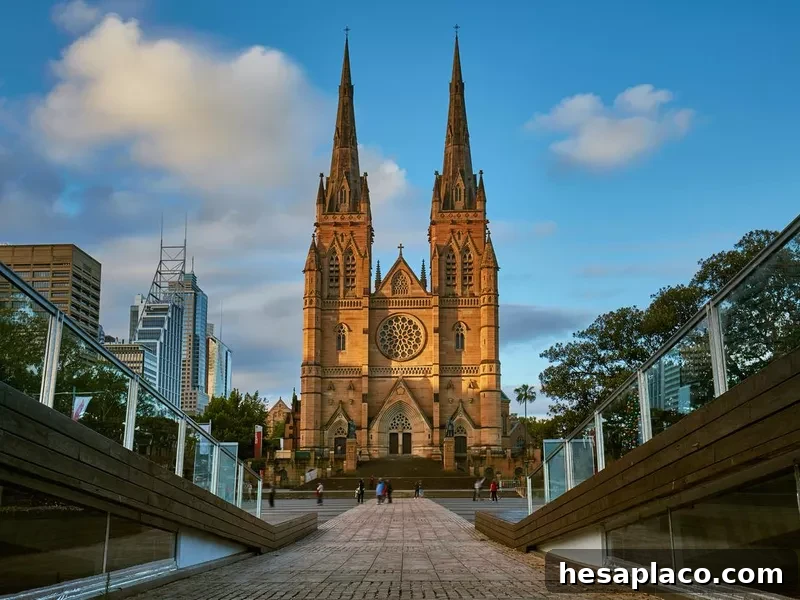
xavierarnau / Getty Images
Worth: $20.5 billion
Religion: Catholicism
Country: Australia
The Catholic Church in Australia holds extensive property portfolios including churches, schools, hospitals, nursing homes, and other facilities. Local government records and disclosures in several states reveal significant capital-improved values across municipalities, and the church operates many community services that contribute to its institutional asset base.
4. Catholic Church in France
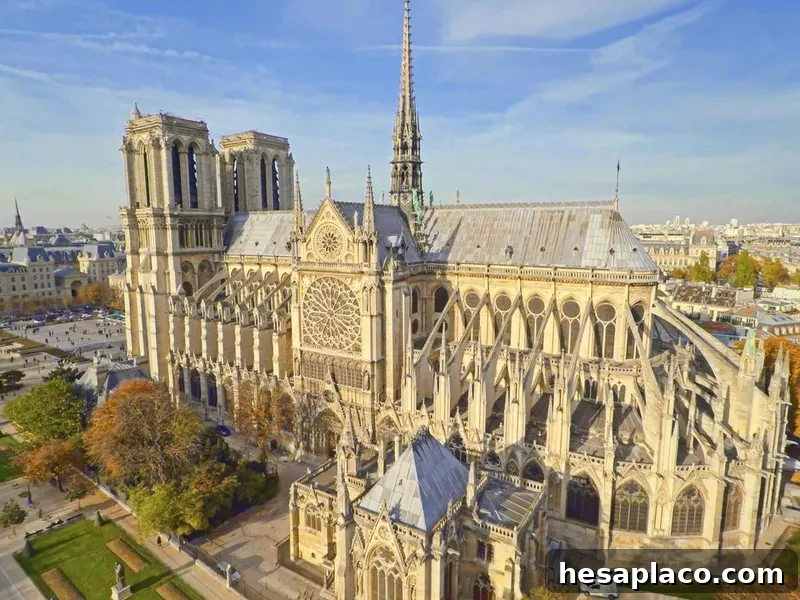
pawel.gaul / Getty Images
Worth: $23 billion
Religion: Catholicism
Country: France
With a long history and a vast number of churches and chapels, the Catholic Church in France owns extensive real estate, many properties steeped in cultural and historical significance. These holdings, combined with tourism and community activities, contribute to its significant asset base.
3. Catholic Church in Germany
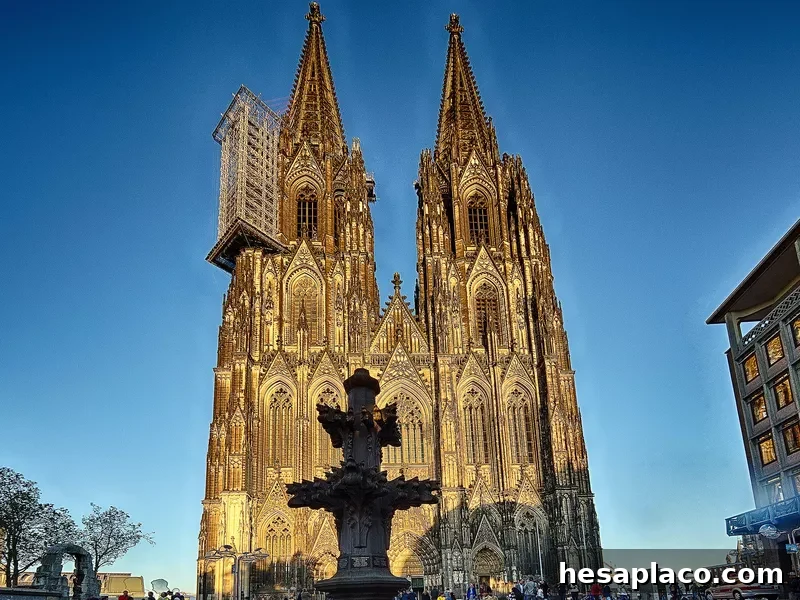
Renate Bomm / Wikimedia Commons
Worth: $26 billion
Religion: Catholicism
Country: Germany
The Catholic Church in Germany is one of the wealthiest regional branches of global Catholicism. Its financial strength stems from extensive property holdings and a church tax levied on members’ income, collected by the state and forwarded to religious institutions. Debates over the church tax continue to shape discussions about the church’s future revenues.
2. Sree Venkateswara Swamy Temple

Nikhilb239 / Wikimedia Commons
Worth: $35 billion
Religion: Hinduism
Country: India
Situated in Andhra Pradesh, the Tirumala Venkateswara Temple is among the most visited religious sites worldwide, welcoming tens of thousands of devotees daily. Gifts from worshippers—land, gold, cash, and other valuable offerings—have accumulated into a vast asset pool administered by government and temple authorities, making it one of the wealthiest temples globally.
1. The Church of Jesus Christ of Latter-day Saints
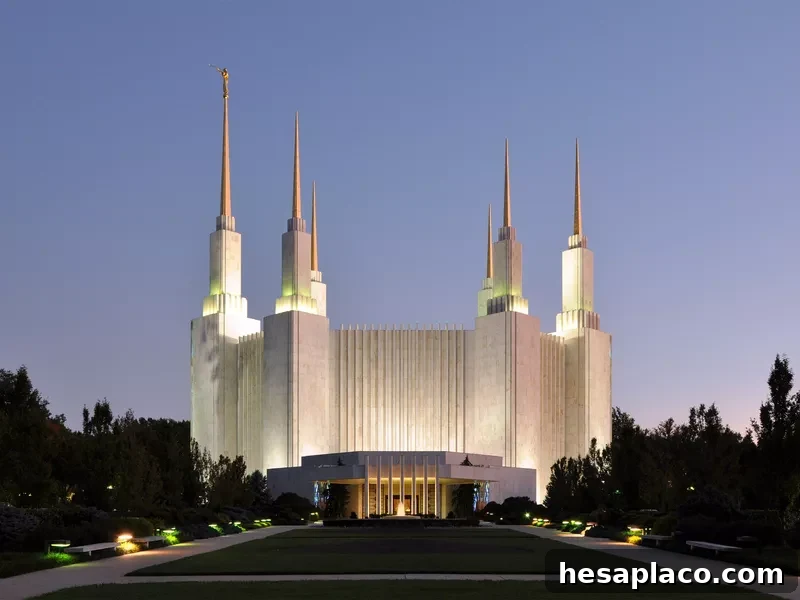
Joe Ravi / Wikimedia Commons
Worth: $200 billion
Religion: Christianity (Latter-day Saint movement)
Country: United States
The Church of Jesus Christ of Latter-day Saints, though relatively young compared with many historic faiths, controls a large portfolio of real estate, investments, and commercial enterprises. Estimates of its total assets place it among the richest religious organizations in the world. Allegations and investigations related to financial practices and the management of investment funds have attracted public attention; however, the full scope of the church’s finances remains largely private.
Religious wealth reflects a mix of historical donations, land and property holdings, institutional endowments, and in some cases, state-supported funding mechanisms like church taxes. Transparency varies greatly across organizations and countries, so reported figures should be viewed as estimates rather than definitive valuations.