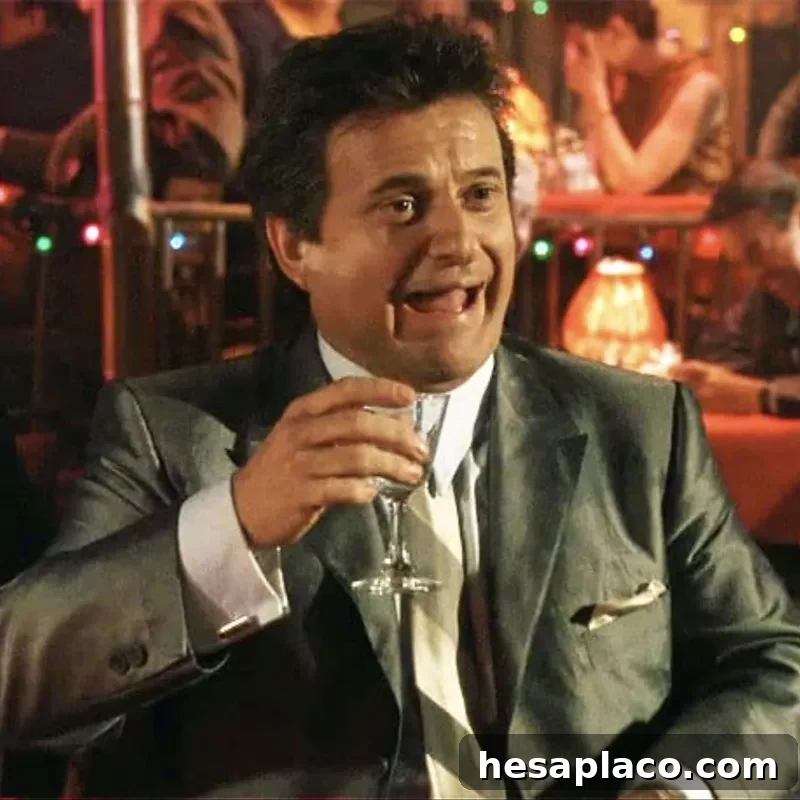
The Academy Awards are widely regarded as the highest honor in cinema. Since 1929, the Oscars have celebrated outstanding filmmaking each year — but they haven’t always gotten it right. Some of the Academy’s Best Picture choices have been controversial, and a number of acclaimed films lost out to winners that, in hindsight, feel like clear misses. Below is a curated list of the most notable Best Picture snubs in Oscars history — films that many critics, audiences, and historians believe were overlooked.
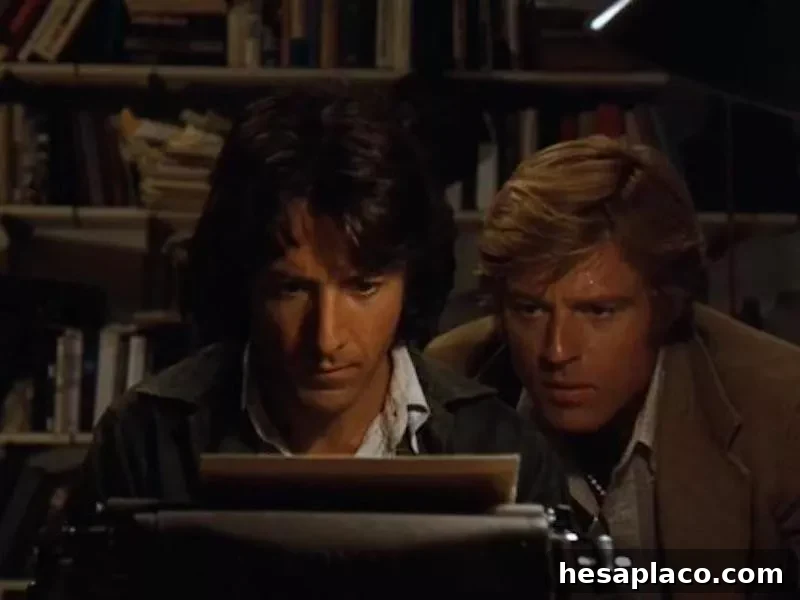
30. All the President’s Men (1976)
FlimstoFilms_ / Twitter
Oscar year: 1977
Best Picture winner: Rocky
Nominees included: All the President’s Men, Taxi Driver, Network, Bound for Glory
Budget: $8.5 million • Box office: $70.6 million
Why it was a snub: Rocky is beloved and rightfully recognized, but All the President’s Men remains a taut, enduring political thriller that still plays as gripping and timely today. Its craftsmanship and cultural impact make its loss especially notable.
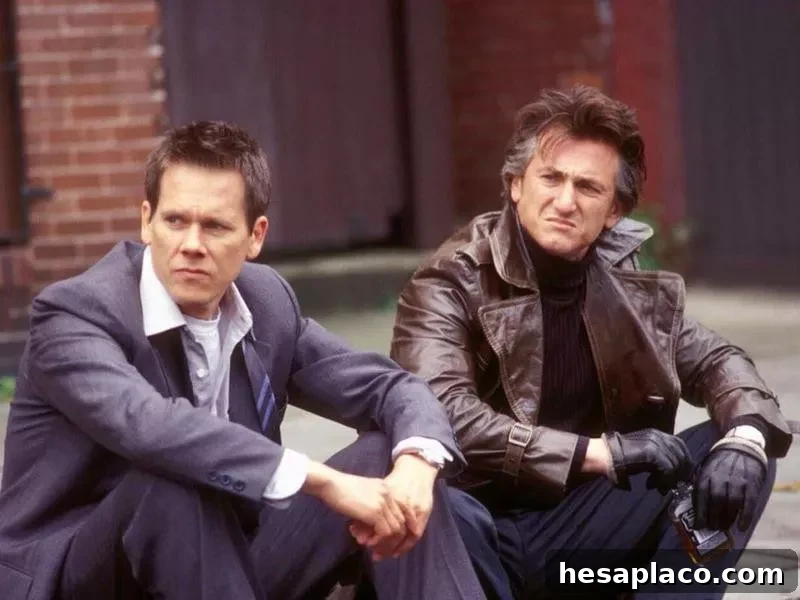
29. Mystic River (2003)
JuanFerrerVila / Twitter
Oscar year: 2004
Best Picture winner: The Lord of the Rings: Return of the King
Nominees included: Mystic River, Lost in Translation, Master and Commander, Seabiscuit
Budget: $25–30 million • Box office: $156.6 million
Why it was a snub: While Jackson’s triumph closed out an important trilogy, Mystic River is a powerful, intimate drama featuring remarkable performances (Sean Penn, Tim Robbins) and a depth of emotion that many felt deserved Best Picture recognition that year.
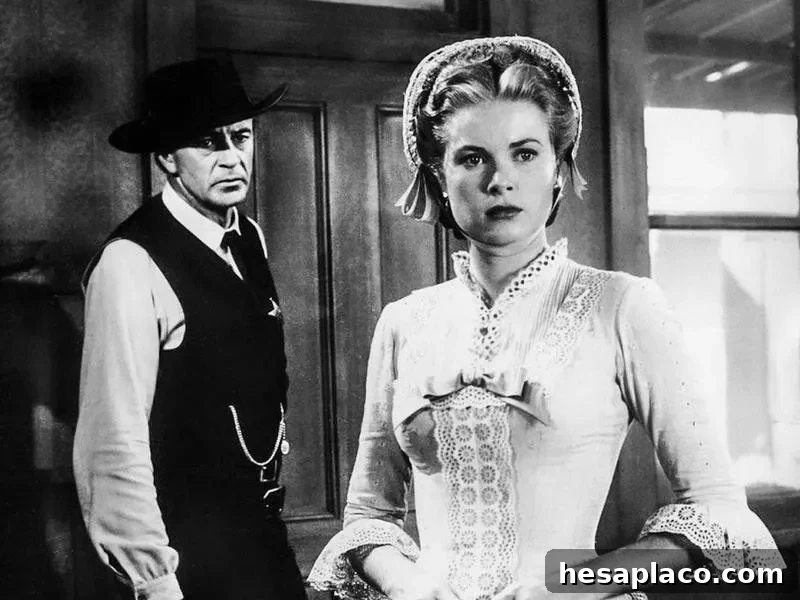
28. High Noon (1952)
cjubarrington / Twitter
Oscar year: 1953
Best Picture winner: The Greatest Show on Earth
Nominees included: High Noon, Ivanhoe, Moulin Rouge, The Quiet Man
Budget: $730,000 • Box office: $12 million
Why it was a snub: High Noon is a lean, morally urgent Western with a tense, real-time structure and a standout lead performance by Gary Cooper. It remains a modern classic, while The Greatest Show on Earth is often remembered as a more conventional crowd-pleaser.
27. Funny Girl (1968)
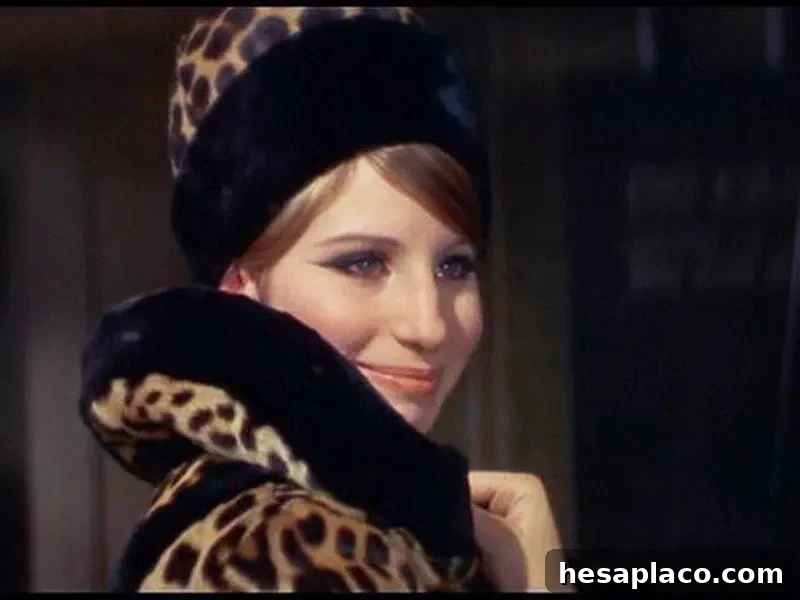
BarbaraStreisand / Twitter
Oscar year: 1969
Best Picture winner: Oliver!
Nominees included: Funny Girl, The Lion in Winter, Rachel, Rachel, Romeo and Juliet
Budget: $14.1 million • Box office: $58.5 million
Why it was a snub: Funny Girl launched Barbra Streisand into superstardom and delivered a powerhouse performance that earned her an Academy Award. Many consider the film’s emotional range and Streisand’s breakout role more deserving than the lighter, traditional musical that won.
26. Star Wars (1977)
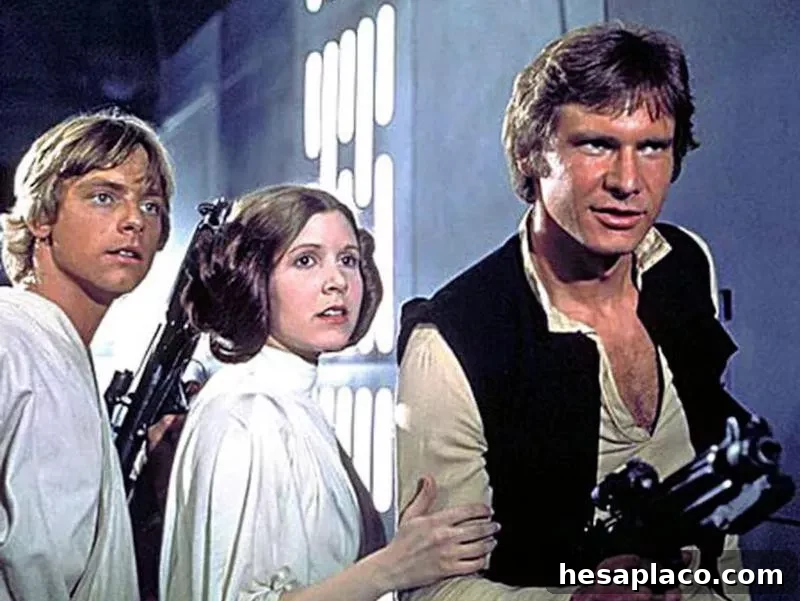
forceacademyYT / Twitter
Oscar year: 1978
Best Picture winner: Annie Hall
Nominees included: Star Wars, The Goodbye Girl, Julia, The Turning Point
Budget: $11 million • Box office: $775.8 million
Why it was a snub: Science fiction has rarely been honored with Best Picture, yet Star Wars transformed cinema and global pop culture. Its technical innovations and storytelling influence make its loss particularly striking.
25. Dr. Strangelove (1964)
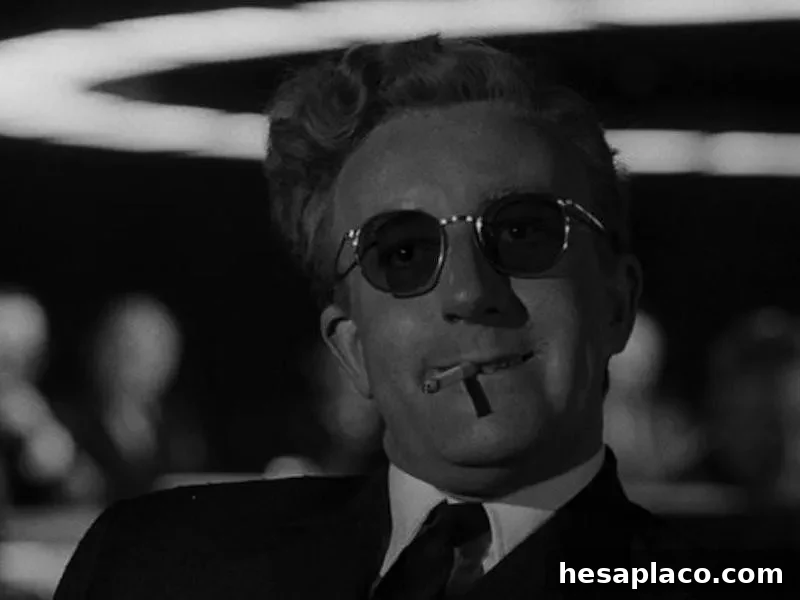
Criterion / Twitter
Oscar year: 1965
Best Picture winner: My Fair Lady
Nominees included: Dr. Strangelove, Becket, Mary Poppins, Zorba the Greek
Budget: $1.8 million • Box office: $9.4 million
Why it was a snub: Stanley Kubrick’s dark political satire was daring and prophetic, redefining how comedy could address existential threats. My Fair Lady was a safe favorite, but Dr. Strangelove’s influence has proved far more enduring.
24. Double Indemnity (1944)
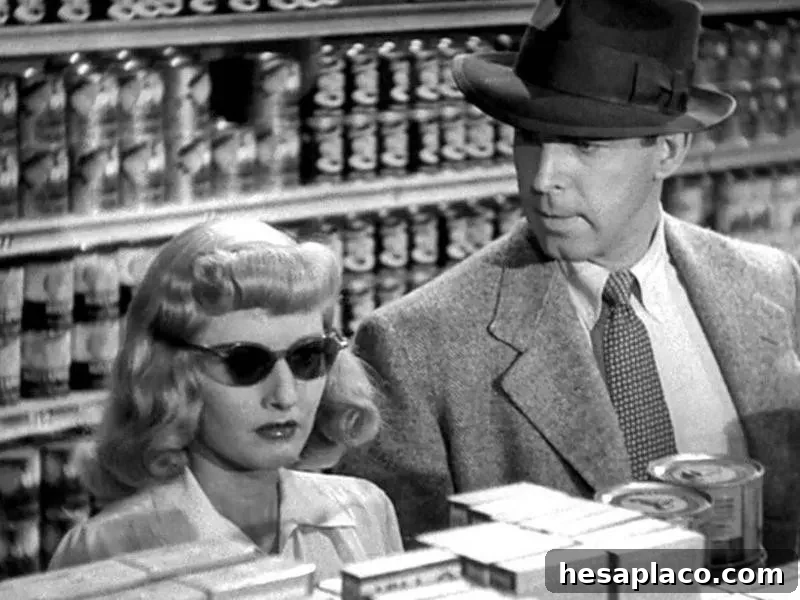
tomandlorenzo / Twitter
Oscar year: 1945
Best Picture winner: Going My Way
Nominees included: Double Indemnity, Gaslight, Since You Went Away, Wilson
Budget: $980,000 • Box office: $5 million
Why it was a snub: Billy Wilder’s Double Indemnity is a cornerstone of film noir—taut, stylish, and brutally effective. It earned multiple nominations but left the ceremony empty-handed, while a sentimental musical-drama swept the night.
23. Pulp Fiction (1994)
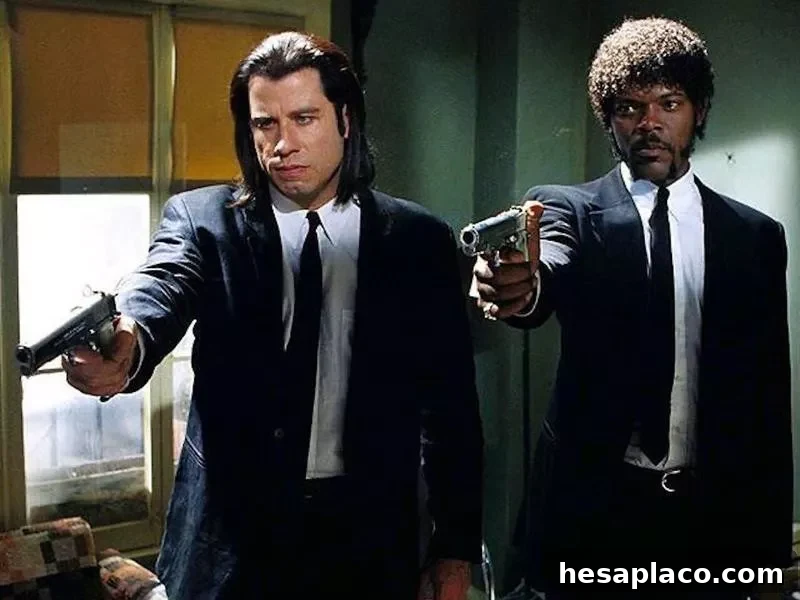
90srandomstuff / Twitter
Oscar year: 1995
Best Picture winner: Forrest Gump
Nominees included: Pulp Fiction, Four Weddings and a Funeral, Quiz Show, The Shawshank Redemption
Budget: $8–8.5 million • Box office: $213.9 million
Why it was a snub: Quentin Tarantino’s Pulp Fiction reshaped independent cinema and influenced a generation of filmmakers. Though it won for screenplay, many viewers still argue it deserved Best Picture over the more conventional winner.
22. A Streetcar Named Desire (1951)
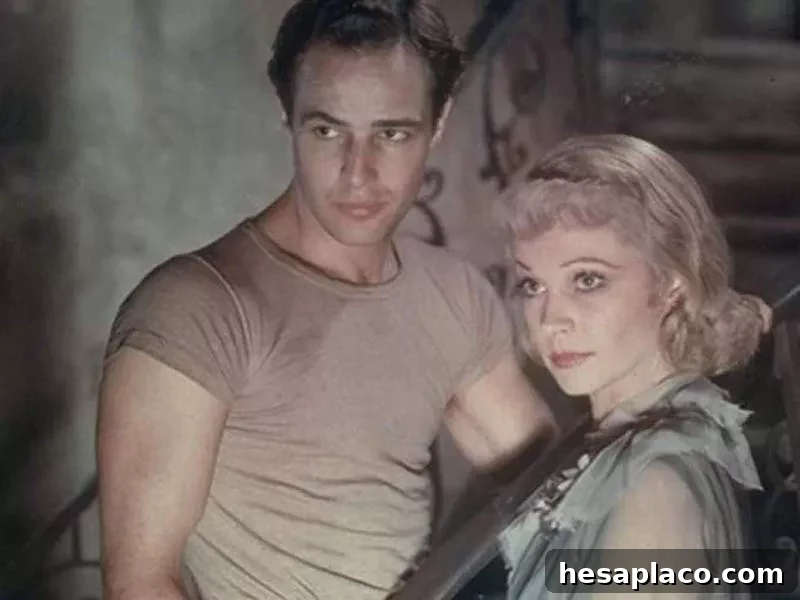
Classic48296113 / Twitter
Oscar year: 1951
Best Picture winner: An American in Paris
Nominees included: A Streetcar Named Desire, Decision Before Dawn, A Place in the Sun, Quo Vadis
Budget: $1.8 million • Box office: $8 million
Why it was a snub: Marlon Brando’s electric performance as Stanley Kowalski is one of cinema’s most iconic, and the film’s raw intensity makes it a timeless dramatic achievement that many feel should have been honored as Best Picture.
21. Inglourious Basterds (2009)
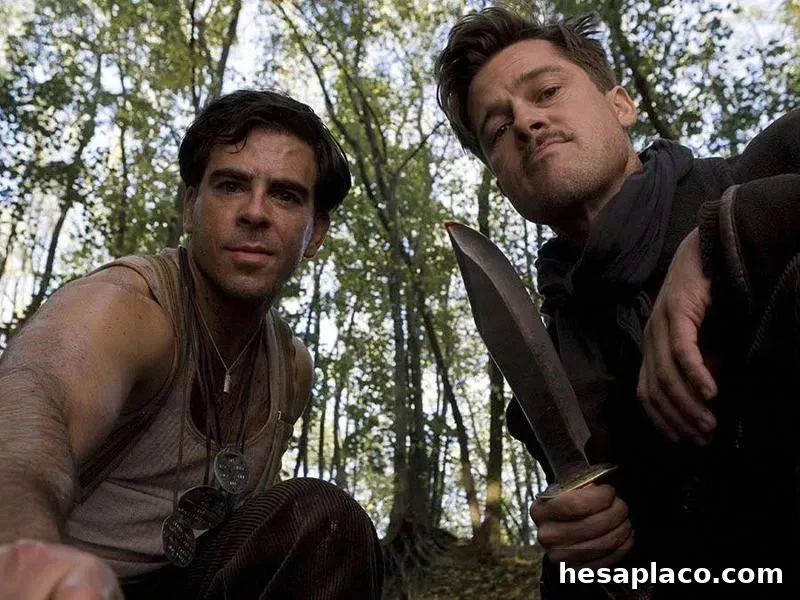
Variety / Twitter
Oscar year: 2010
Best Picture winner: The Hurt Locker
Nominees included: Inglourious Basterds, Avatar, The Blind Side, District 9, An Education, Precious, A Serious Man, Up, Up in the Air
Budget: $70 million • Box office: $321.5 million
Why it was a snub: Quentin Tarantino’s audacious, sprawling WWII reimagining displayed bold direction, memorable characters, and daring dialogue. Though The Hurt Locker earned deserved honors, many argue Tarantino’s film deserved the top prize.
20. E.T. the Extra-Terrestrial (1982)
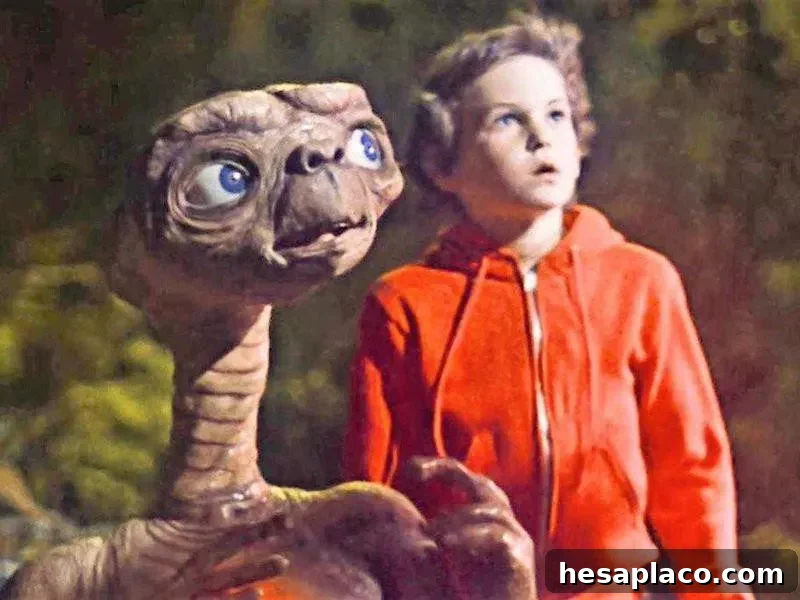
landofthe80s / Twitter
Oscar year: 1983
Best Picture winner: Gandhi
Nominees included: E.T., Missing, Tootsie, The Verdict
Budget: $10.5 million • Box office: $792.9 million
Why it was a snub: E.T. became the world’s highest-grossing film at the time and touched audiences with warmth, wonder, and technical achievement. A beloved family sci-fi favorite, it stands out as a film that might have deserved the Academy’s top honor.
19. Apocalypse Now (1979)
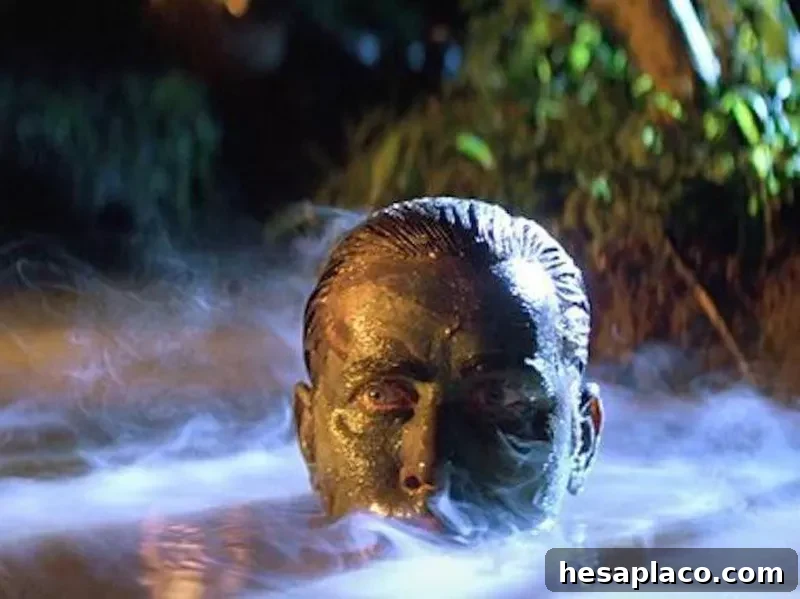
HulsamenRuan / Twitter
Oscar year: 1980
Best Picture winner: Kramer vs. Kramer
Nominees included: Apocalypse Now, All That Jazz, Breaking Away, Norma Rae
Budget: $31 million • Box office: $100–150 million
Why it was a snub: Francis Ford Coppola’s Vietnam epic is a landmark of filmmaking — ambitious, hallucinatory, and profoundly influential. Kramer vs. Kramer connected with viewers on a different emotional level, but many film historians place Apocalypse Now among the era’s greatest achievements.
18. The Color Purple (1985)
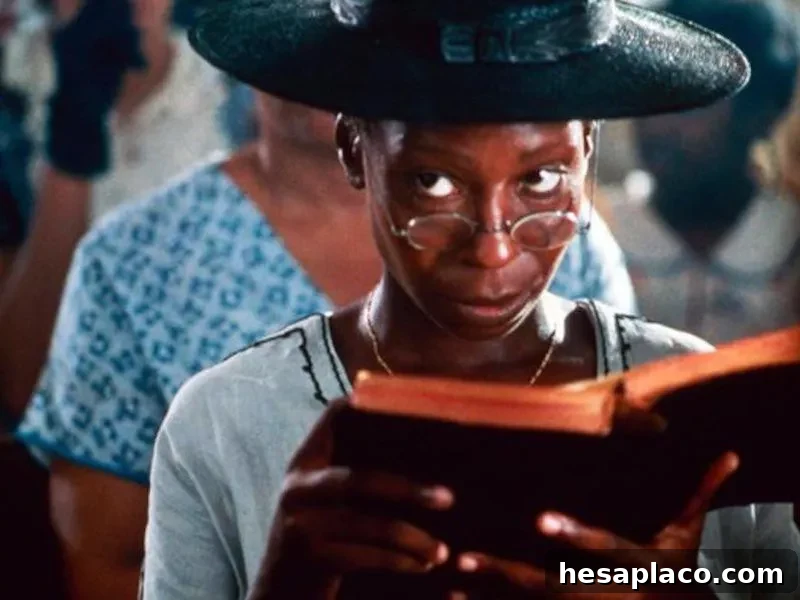
amblin / Twitter
Oscar year: 1986
Best Picture winner: Out of Africa
Nominees included: The Color Purple, Kiss of the Spider Woman, Prizzi’s Honor, Witness
Budget: $15 million • Box office: $142 million
Why it was a snub: The Color Purple offered a powerful adaptation of Alice Walker’s novel with profound cultural resonance and moving performances. Its omission as Best Picture winner remains a sore point for many viewers who value its social and artistic significance.
17. Bonnie and Clyde (1967)
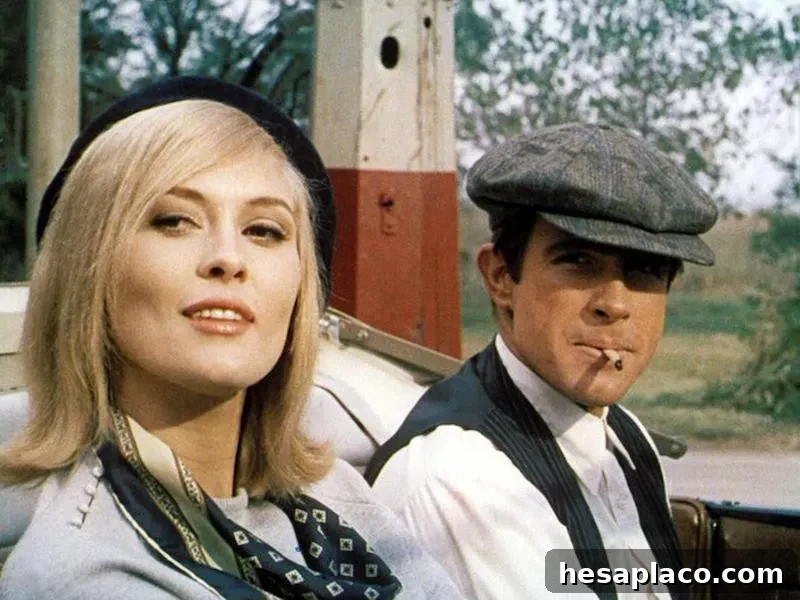
JRTaraborrelli / Twitter
Oscar year: 1968
Best Picture winner: In the Heat of the Night
Nominees included: Bonnie and Clyde, The Graduate, Doctor Dolittle, Guess Who’s Coming to Dinner
Budget: $2.5 million • Box office: $70 million
Why it was a snub: Bonnie and Clyde broke stylistic and thematic ground and presaged the bold filmmaking of the 1970s. Its radical approach to realism and violence marked a turning point in American movies, making its loss a major moment in Oscars history.
16. It’s a Wonderful Life (1946)
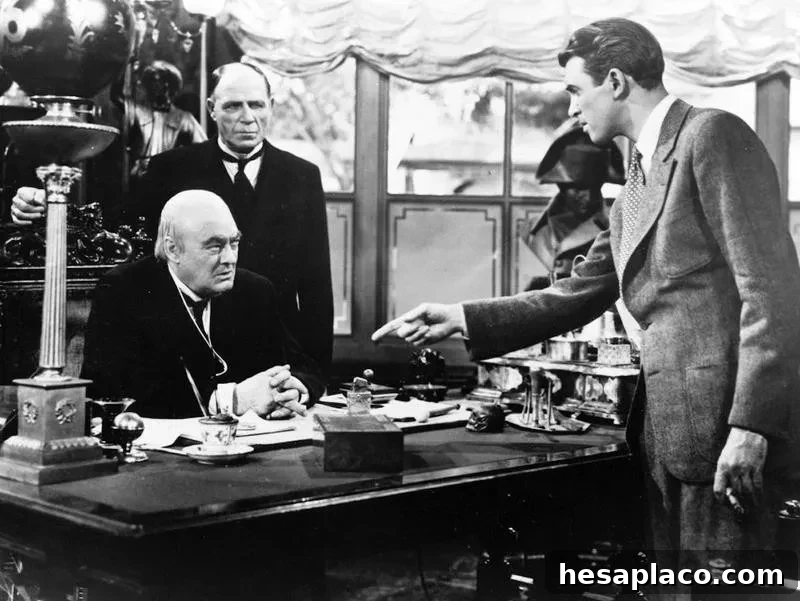
ChadWigmore / Twitter
Oscar year: 1947
Best Picture winner: The Best Years of Our Lives
Nominees included: It’s a Wonderful Life, Henry V, The Razor’s Edge, The Yearling
Budget: $3.18 million • Box office: $3.3 million
Why it was a snub: Frank Capra’s holiday classic has become a cultural touchstone for its emotional warmth and moral clarity. Though The Best Years of Our Lives was a worthy winner in its time, It’s a Wonderful Life ultimately achieved greater and more lasting affection.
15. The Exorcist (1973)
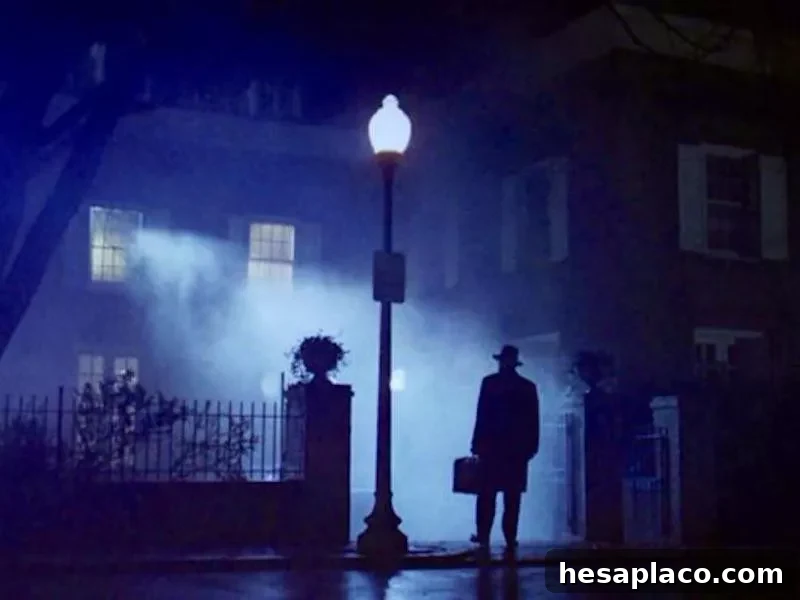
Gallifrey_GaryK / Twitter
Oscar year: 1974
Best Picture winner: The Sting
Nominees included: The Exorcist, American Graffiti, Cries and Whispers, A Touch of Class
Budget: $12 million • Box office: $441.3 million
Why it was a snub: The Exorcist terrified audiences and critics alike and expanded the emotional and thematic possibilities of horror. As one of the earliest horror films nominated for Best Picture, its loss to a lighter caper drama felt like a missed opportunity to honor the genre’s reach.
14. Moneyball (2011)
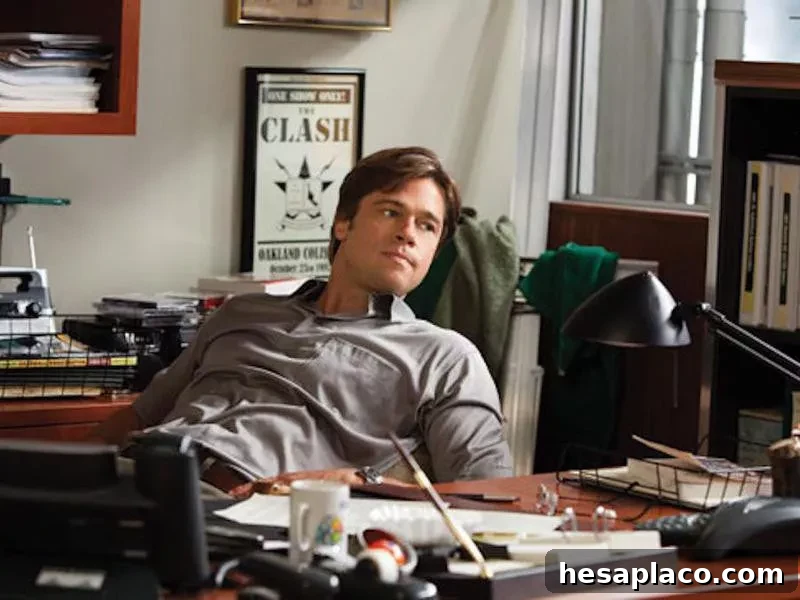
NewWaveAndPunk / Twitter
Oscar year: 2012
Best Picture winner: The Artist
Nominees included: Moneyball, The Descendants, Extremely Loud & Incredibly Close, The Help, Hugo, Midnight in Paris, The Tree of Life, War Horse
Budget: $50 million • Box office: $110.2 million
Why it was a snub: Moneyball combined sharp storytelling, a contemporary sports theme, and strong performances from Brad Pitt and Jonah Hill. While The Artist charmed voters with its novelty, many felt Moneyball represented superior modern filmmaking craftsmanship.
13. Born on the Fourth of July (1989)

innoquous / Twitter
Oscar year: 1990
Best Picture winner: Driving Miss Daisy
Nominees included: Born on the Fourth of July, Dead Poets Society, Field of Dreams, My Left Foot
Budget: $17.9 million • Box office: $161 million
Why it was a snub: Oliver Stone’s searing Vietnam-era drama delivered a powerful lead performance from Tom Cruise and tackled difficult national conversations. Its loss to a gentler drama left many critics and viewers disappointed.
12. The Lord of the Rings: The Two Towers (2002)
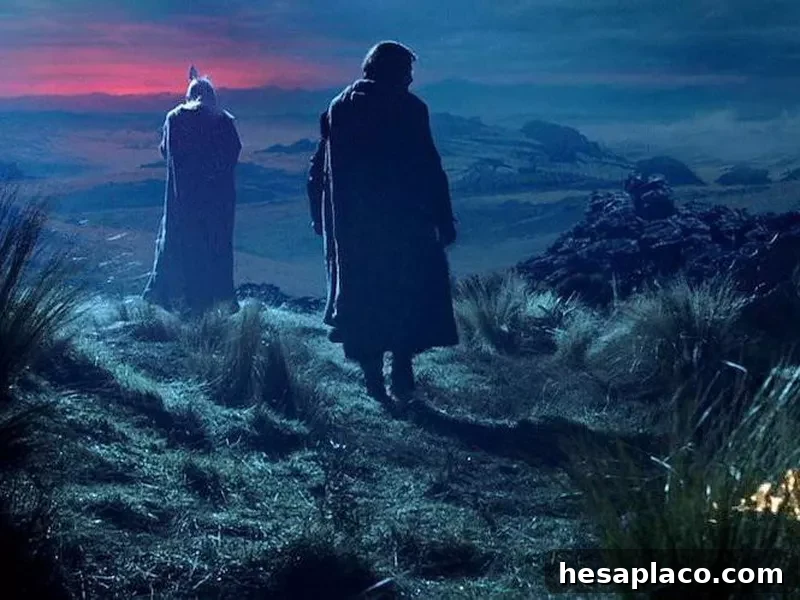
MovieLandscapes / Twitter
Oscar year: 2003
Best Picture winner: Chicago
Nominees included: The Two Towers, Gangs of New York, The Hours, The Pianist
Budget: $94 million • Box office: $947.5 million
Why it was a snub: The Two Towers is often regarded as the strongest installment of Jackson’s trilogy for its epic scale and emotional stakes. Chicago’s win signaled a brief revival of the musical at the Oscars, but many fans felt the middle chapter of Tolkien’s adaptation was the year’s true achievement.
11. Who’s Afraid of Virginia Woolf? (1966)
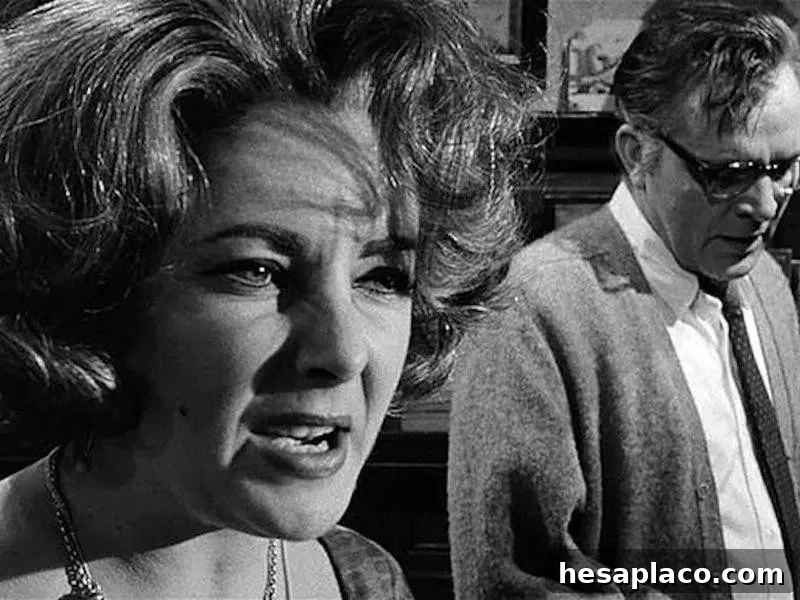
jafreeyusop / Twitter
Oscar year: 1967
Best Picture winner: A Man For All Seasons
Nominees included: Who’s Afraid of Virginia Woolf?, Alfie, The Russians Are Coming, The Sand Pebbles
Budget: $7.5 million • Box office: $33.7 million
Why it was a snub: Mike Nichols’ incendiary adaptation showcases fierce performances from Elizabeth Taylor and Richard Burton and remains a landmark of stage-to-screen drama. Its intensity and craft have outlasted the more staid winner for many viewers.
10. A Star is Born (2018)

Variety / Twitter
Oscar year: 2019
Best Picture winner: Green Book
Nominees included: A Star is Born, Black Panther, BlacKkKlansman, Bohemian Rhapsody, The Favourite, Roma, Vice
Budget: $36 million • Box office: $436.2 million
Why it was a snub: Bradley Cooper’s revival of A Star is Born resonated widely for its music, chemistry, and emotional honesty. The film was an awards frontrunner that ultimately lost to Green Book amid debates about campaigning and voter trends.
9. Raiders of the Lost Ark (1981)
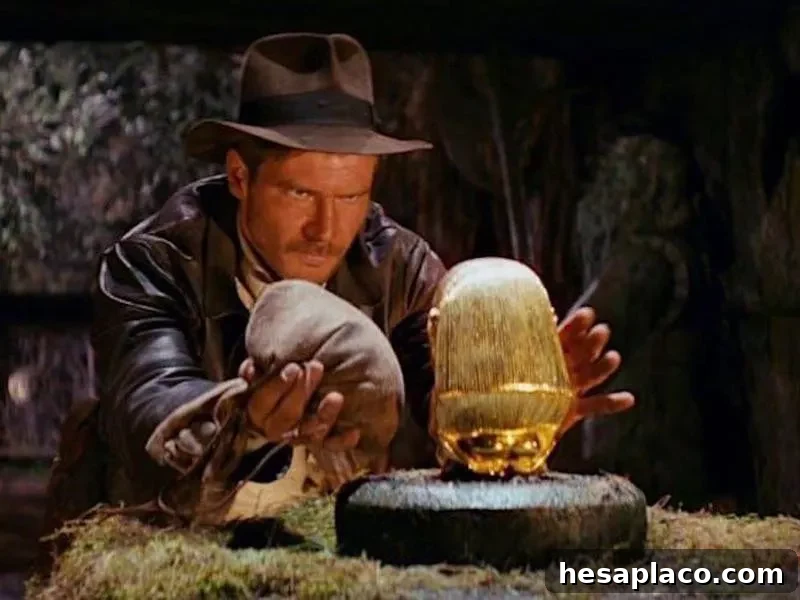
rejectnation / Twitter
Oscar year: 1982
Best Picture winner: On Golden Pond
Nominees included: Raiders of the Lost Ark, Chariots of Fire, Atlantic City, Reds
Budget: $20 million • Box office: $389.9 million
Why it was a snub: Spielberg’s Indiana Jones gave audiences a new kind of adventure movie: exhilarating, perfectly paced, and culturally indelible. Its loss to a quieter drama surprised many fans and critics.
8. Fargo (1996)
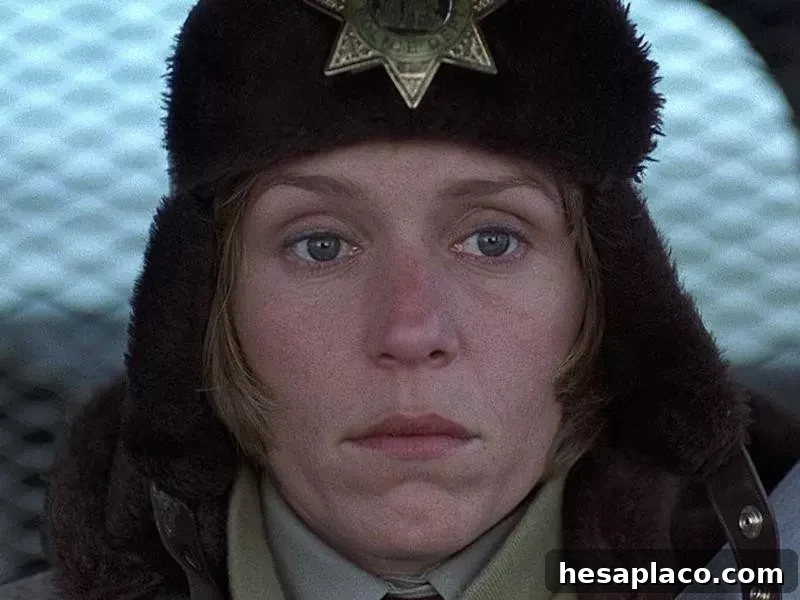
IndieWIre / Twitter
Oscar year: 1997
Best Picture winner: The English Patient
Nominees included: Fargo, Jerry Maguire, Secrets & Lies, Shine
Budget: $7 million • Box office: $60.6 million
Why it was a snub: Fargo’s dark humor, originality, and Frances McDormand’s breakout lead performance make it one of the decade’s standout films. The English Patient is admired by many, but Fargo’s cultural footprint is distinct and influential.
7. Raging Bull (1980)
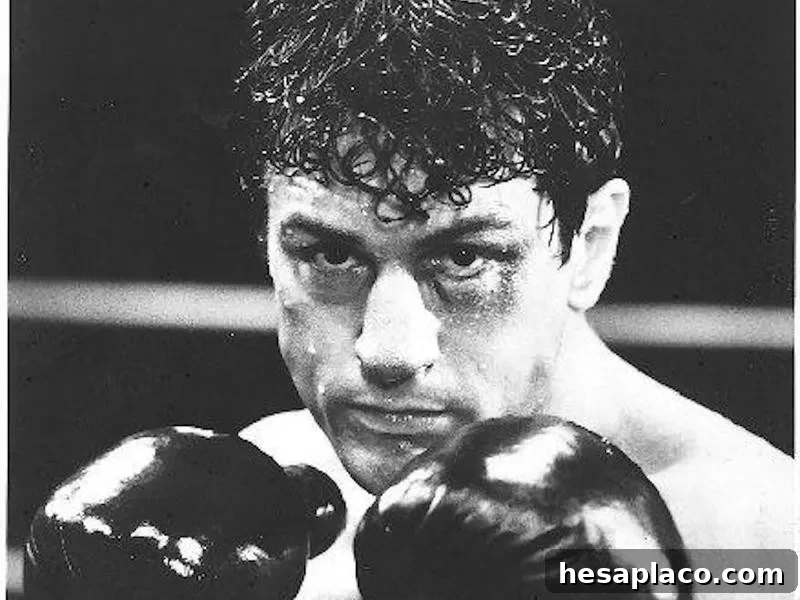
dallasnews / Twitter
Oscar year: 1981
Best Picture winner: Ordinary People
Nominees included: Raging Bull, Coal Miner’s Daughter, The Elephant Man, Tess
Budget: $18 million • Box office: $23.4 million
Why it was a snub: Scorsese’s visceral, stylistically daring portrait of Jake LaMotta is now widely regarded as one of the greatest American films. While De Niro won Best Actor, many feel the film as a whole deserved Best Picture recognition.
6. Brokeback Mountain (2005)
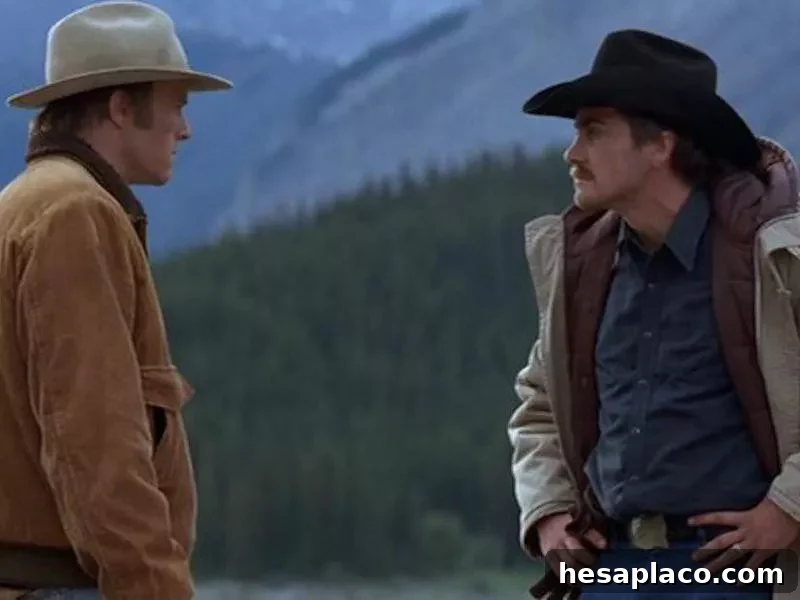
FilmstoFilms_ / Twitter
Oscar year: 2006
Best Picture winner: Crash
Nominees included: Brokeback Mountain, Capote, Good Night and Good Luck, Munich
Budget: $14 million • Box office: $178.1 million
Why it was a snub: Ang Lee’s intimate, heartbreaking story of forbidden love resonated deeply with critics and audiences and won Lee Best Director. Many saw Crash’s victory as an upset that overlooked Brokeback Mountain’s emotional power and cultural significance.
5. Get Out (2017)
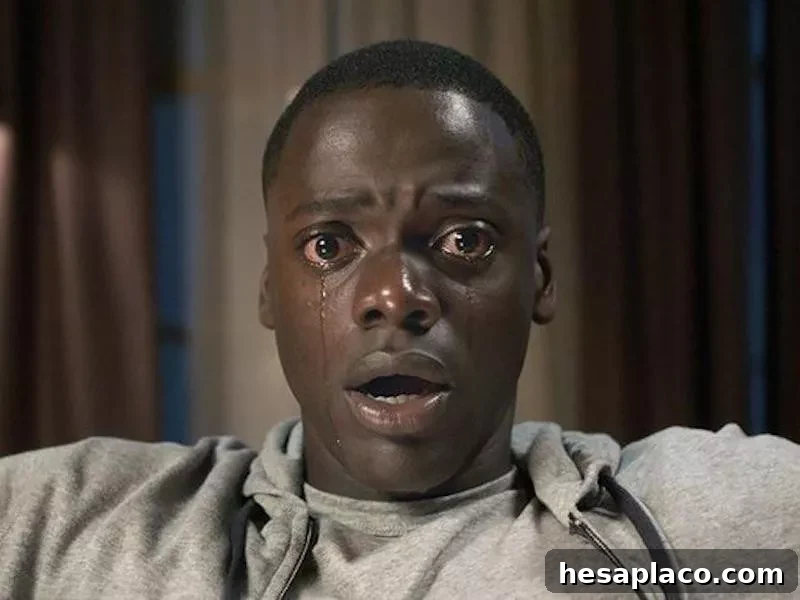
bernardofalopes / Twitter
Oscar year: 2018
Best Picture winner: The Shape of Water
Nominees included: Get Out, Call Me by Your Name, Dunkirk, Lady Bird, Phantom Thread, The Post, Three Billboards
Budget: $4.5 million • Box office: $255.4 million
Why it was a snub: Jordan Peele’s debut blended horror, satire, and social commentary in a way few films had. Its originality and cultural impact led many to believe it was the rightful Best Picture winner that year.
4. Saving Private Ryan (1998)
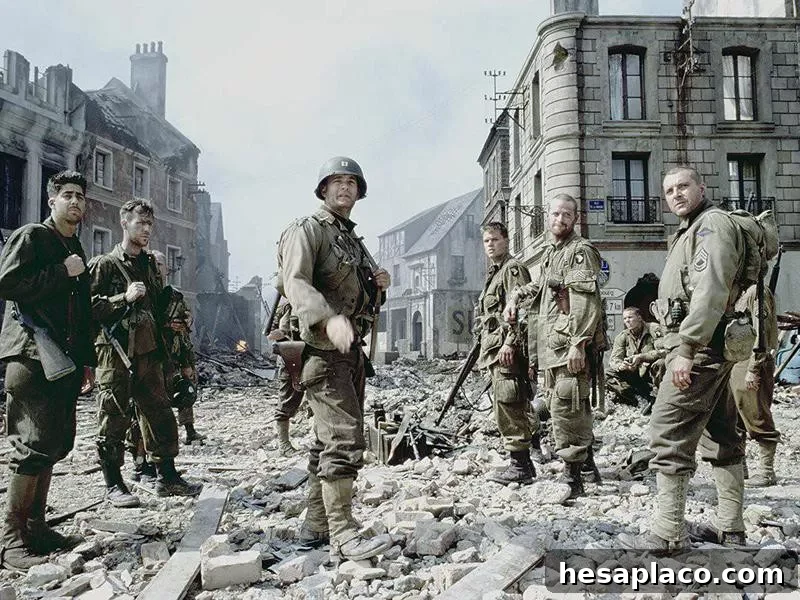
Iain_McDougall / Twitter
Oscar year: 1999
Best Picture winner: Shakespeare in Love
Nominees included: Saving Private Ryan, Elizabeth, Life is Beautiful, The Thin Red Line
Budget: $70 million • Box office: $482.3 million
Why it was a snub: Spielberg’s visceral World War II drama redefined the war film for modern audiences. While Saving Private Ryan earned Spielberg a Best Director win, many still view its loss in Best Picture as a campaign-driven upset.
3. The Social Network (2010)
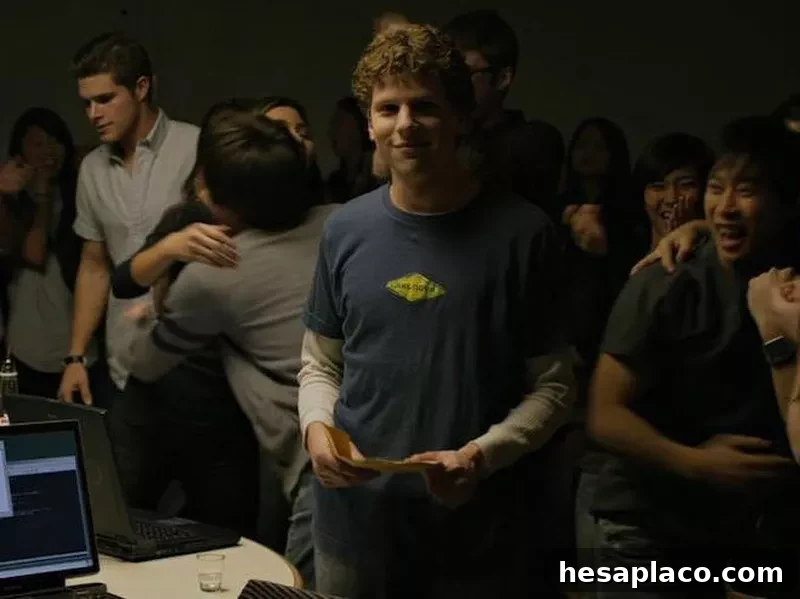
DiscussingFilm / Twitter
Oscar year: 2011
Best Picture winner: The King’s Speech
Nominees included: The Social Network, 127 Hours, Black Swan, The Fighter, Inception, The Kids Are All Right, Toy Story 3, True Grit, Winter’s Bone
Budget: $40 million • Box office: $224.9 million
Why it was a snub: David Fincher’s incisive chronicle of Facebook’s origins captured zeitgeist, sharp writing, and exemplary direction. Many critics regard The Social Network as one of the decade’s best films, making The King’s Speech’s victory feel like a safe, less daring choice.
2. Citizen Kane (1941)
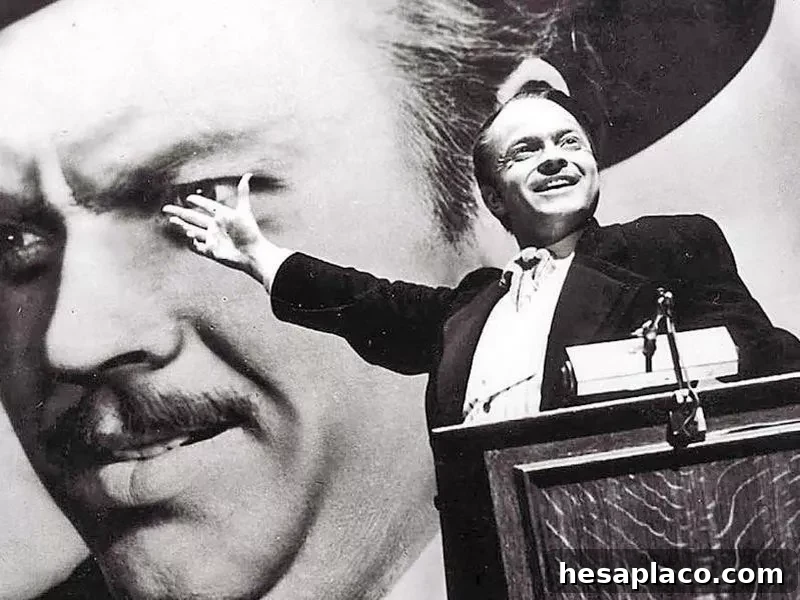
RICHARDLNEWBY / Twitter
Oscar year: 1942
Best Picture winner: How Green Was My Valley
Nominees included: Citizen Kane, The Maltese Falcon, Blossoms in the Dust, Here Comes Mr. Jordan, Suspicion, and others
Budget: $839,727 • Box office: $1.6 million
Why it was a snub: Often cited as the greatest film ever made for its innovation in narrative, cinematography, and editing, Citizen Kane failed to win Best Picture. Its loss remains one of the most famous Oscar upsets in cinema history.
1. Goodfellas (1990)
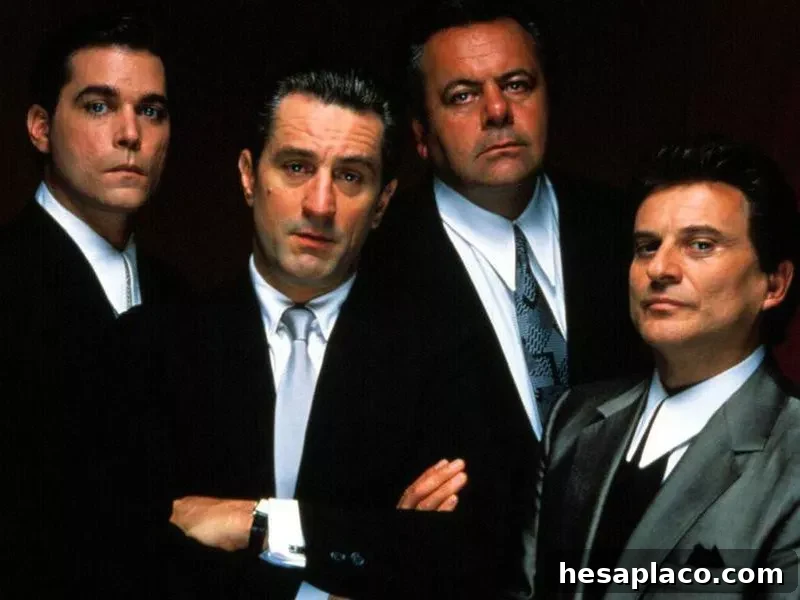
FilmForumNYC / Twitter
Oscar year: 1991
Best Picture winner: Dances with Wolves
Nominees included: Goodfellas, Awakenings, Ghost, The Godfather Part III
Budget: $25 million • Box office: $47.1 million
Why it was a snub: Martin Scorsese’s Goodfellas is frequently named among the greatest American films for its energy, direction, and cultural influence. Its loss to Dances with Wolves, and Scorsese’s defeat for Best Director, remains one of the most debated Oscar outcomes.
These selections reflect moments when the Academy chose winners that, to many observers, didn’t align with cinematic legacy, cultural impact, or critical consensus. The Oscars celebrate achievements in film, but history often rewrites the record: films that once lost the top prize later emerged as enduring masterpieces.