Some materials command prices so high that even gold seems modest by comparison. These substances come from unusual sources — deep underground, rare plants and animals, and even beyond Earth — and their value reflects extreme scarcity, difficult extraction, or unique scientific properties that make them irreplaceable. Below is a clear, SEO-friendly overview of some of the world’s most expensive materials and what drives their prices.
Iranian Beluga Caviar – $5.50 Per Gram

Credit: iStockphoto
Beluga sturgeon take many years—often close to a decade—to reach maturity, which keeps the supply of their roe extremely limited. Decades of overfishing and habitat loss further reduced populations, so high-end tins of Beluga caviar can cost more than a gourmet meal. Buyers pay for a rare biological product whose production is constrained by the sturgeon’s slow growth and conservation pressures.
Saffron – Around $20 Per Gram
Credit: Canva
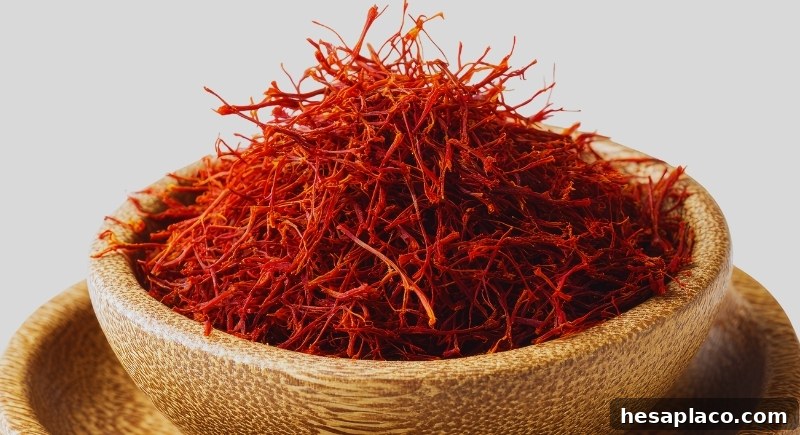
Saffron comes from the tiny stigmas of the Crocus sativus flower, and each blossom yields only three delicate threads. Harvest requires careful handpicking at just the right moment, making the process labor-intensive and time-sensitive. Beyond its culinary uses—adding color, aroma and flavor—saffron has a long history in traditional remedies. Because thousands of flowers are needed to produce an ounce, saffron sits in a class of its own among spices.
Gold – $87.06 Per Gram
Credit: Wikimedia Commons
Gold remains a benchmark for value and finds use across industries: electronics, dentistry, aerospace, and ornamental jewelry. Its conductivity, resistance to corrosion, and malleability keep demand steady. Market prices shift with geopolitical events, currency moves, and investor sentiment, but gold consistently ranks among the most sought-after everyday commodities. Even in culinary presentation, edible gold leaf is used to signal luxury.
Caterpillar Fungus – Up To $110 Per Gram
Credit: Wikimedia Commons
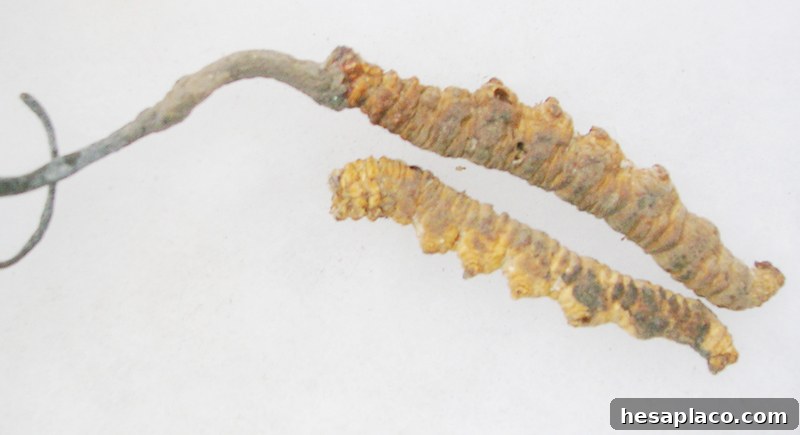
Known as Ophiocordyceps sinensis, the so-called caterpillar fungus forms when a parasitic fungus invades certain caterpillars and fruiting bodies emerge from the host. Collectors in high-altitude regions spend long, challenging days searching for these fungi during a short harvest season. Demand stems from centuries of use in traditional medicine, and in some Himalayan communities, selling this fungus represents a substantial portion of household income. Limited supply and difficult harvesting conditions keep prices elevated.
Rhodium – $152.72 Per Gram
Credit: Wikimedia Commons
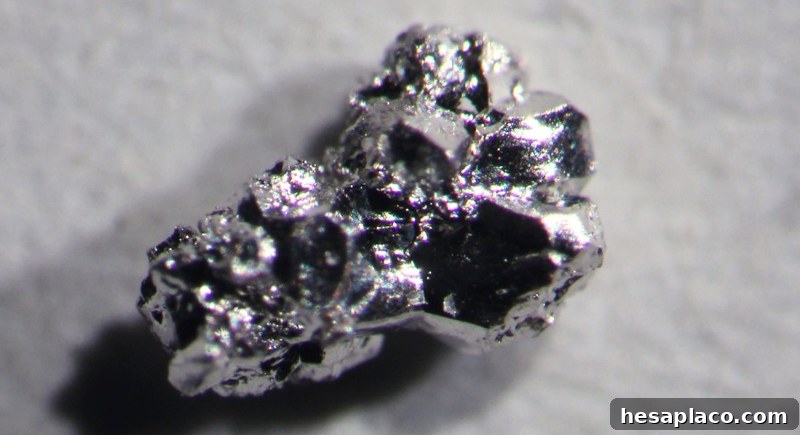
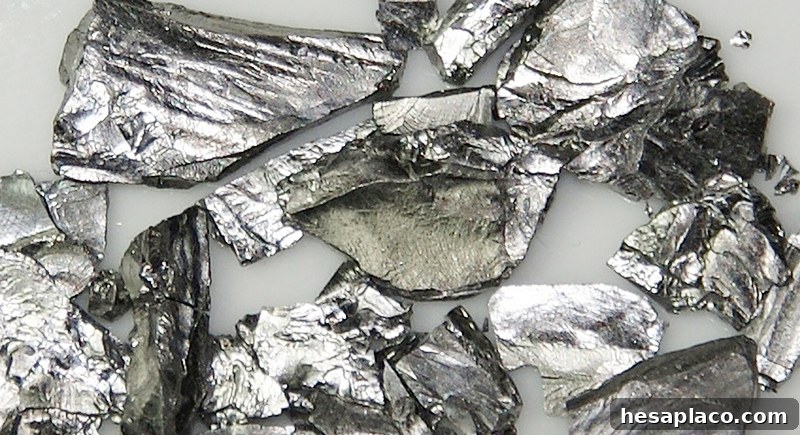
Rhodium is a rare platinum-group metal used extensively in catalytic converters to reduce automotive emissions. Its high industrial demand, combined with limited global production, makes rhodium one of the most expensive industrial metals. The element’s bright finish and corrosion resistance also make it useful as a thin plating for jewelry, adding to overall demand.
Painite – $300,000 Per Gram
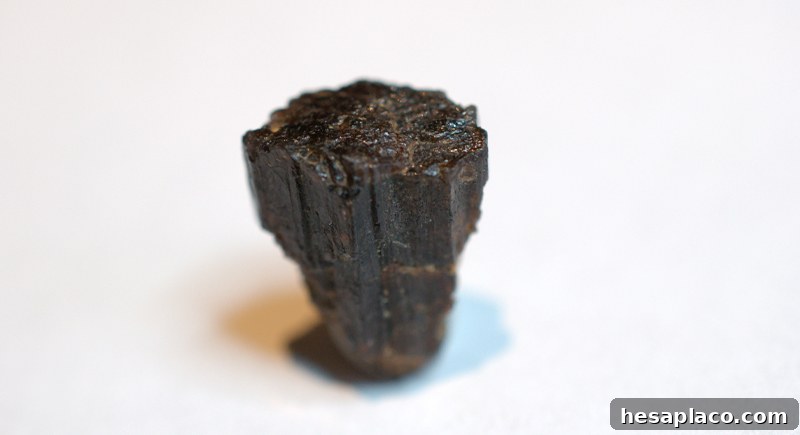
Credit: Wikimedia Commons
For many years, painite was known from only a few crystals, and mineralogists initially misidentified it as a variety of sapphire. Occurrences in Myanmar expanded the known supply, but painite remains extraordinarily rare. Collectors and museums prize even tiny samples, and gem-quality pieces command exceptionally high prices due to their scarcity and interest among specialists.
Red Diamonds – $5 Million Per Gram
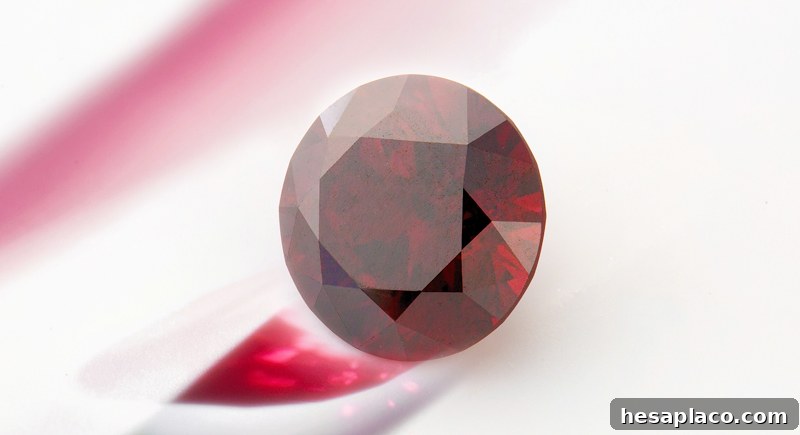
Credit: Wikimedia Commons
Red diamonds are among the rarest colored diamonds. Only a few dozen natural red diamonds have been documented, and most are very small. Their red appearance likely results from unusual distortions in the crystal lattice during formation that alter how light is absorbed and transmitted. When a larger red diamond surfaces, it typically draws intense auction interest and can sell for extraordinary sums.
Californium-252 – $27.8 Million Per Gram
Credit: Instagram
Californium-252 is a man-made radioactive isotope produced in specialized nuclear reactors and particle accelerators. It is manufactured only in microscopic quantities, but its intense neutron emission makes it valuable for specific applications such as starting up nuclear reactors, certain medical therapies, and industrial radiography. Production, shielding, transport, and strict regulatory controls all add to the material’s very high cost.
Nitrogen Atom-Based Endohedral Fullerenes – $137 Million Per Gram
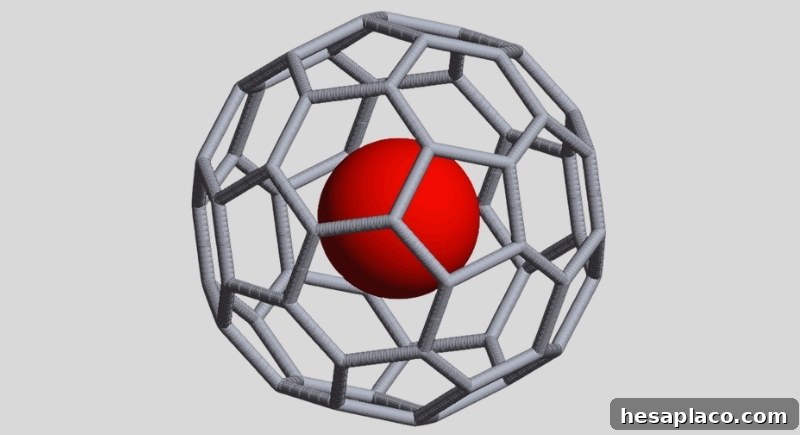
Credit: Wikimedia Commons
Endohedral fullerenes trap single atoms—such as nitrogen—inside a carbon cage, producing exceptionally stable quantum systems. Researchers are exploring their potential for ultra-precise timekeeping and quantum technologies. The stability of the trapped atom’s signal could allow atomic-clock-level accuracy in far smaller devices, which explains the intense scientific interest and the high cost of producing these specialized molecules in pure form.
Antimatter – $59.8 Trillion Per Gram

Credit: Instagram
Antimatter, produced in particle accelerators in vanishingly small amounts, tops lists of the most expensive substances. Current global production is measured in fractions of a nanogram per year, and creating antimatter requires enormous energy and complex equipment. When antimatter meets matter, both convert to energy, which is why it is considered for theoretical spacecraft propulsion and advanced energy research. Containment requires magnetic traps to prevent contact with ordinary matter, and the extreme cost of generation and storage keeps antimatter far beyond commercial reach.
Across this range of materials, a few consistent themes explain their high prices: extreme rarity, difficult or dangerous extraction, intense labor requirements, unique scientific or industrial utility, and high demand from collectors, industries, or researchers. Although price tags differ wildly—from a few dollars per gram to nearly unimaginable sums—the value of each item reflects how scarce and irreplaceable it is in its context.