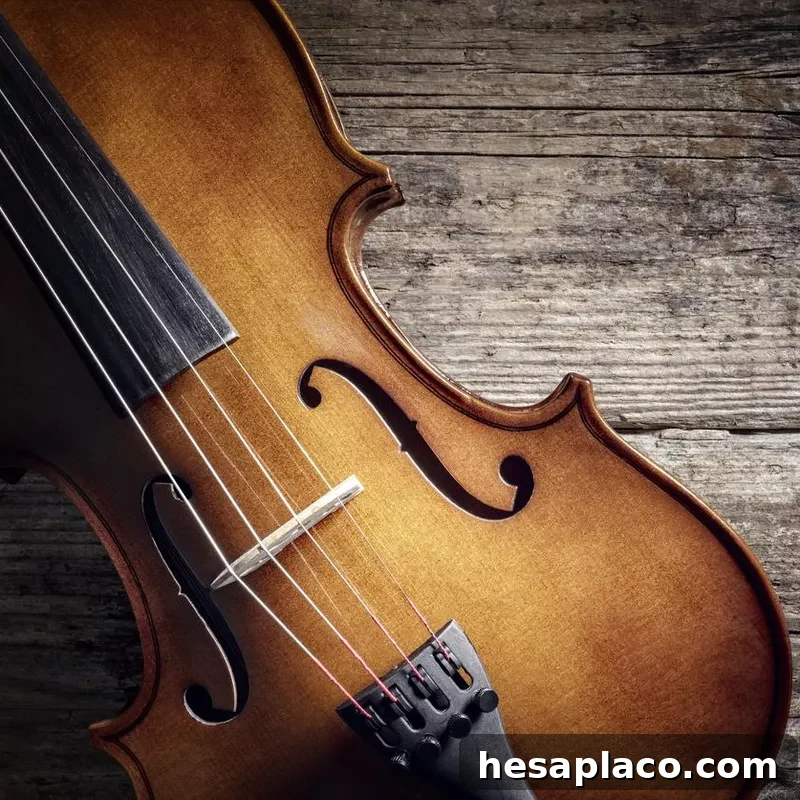
Drum roll, please. Investing in rare and antique musical instruments can add a unique and potentially profitable dimension to your collection. Violins, cellos, guitars, pianos and other crafted instruments can appreciate significantly in value—if you know what to look for.
Kerry Keane, a musical instrument consultant at Christie’s in New York, tells Forbes there are six key factors that determine an instrument’s worth: maker, craftsmanship, condition, provenance, market freshness (how recently similar instruments have been available) and current desirability. These elements together shape long-term value rather than quick returns.
Expect to hold these instruments for years. For example, a Stradivari or Guarneri bought in 1990 could have tripled in value over three decades, according to the Stradivari Society. Below is a list of some of the most valuable musical instruments, ranked roughly from lower to higher prices realized.
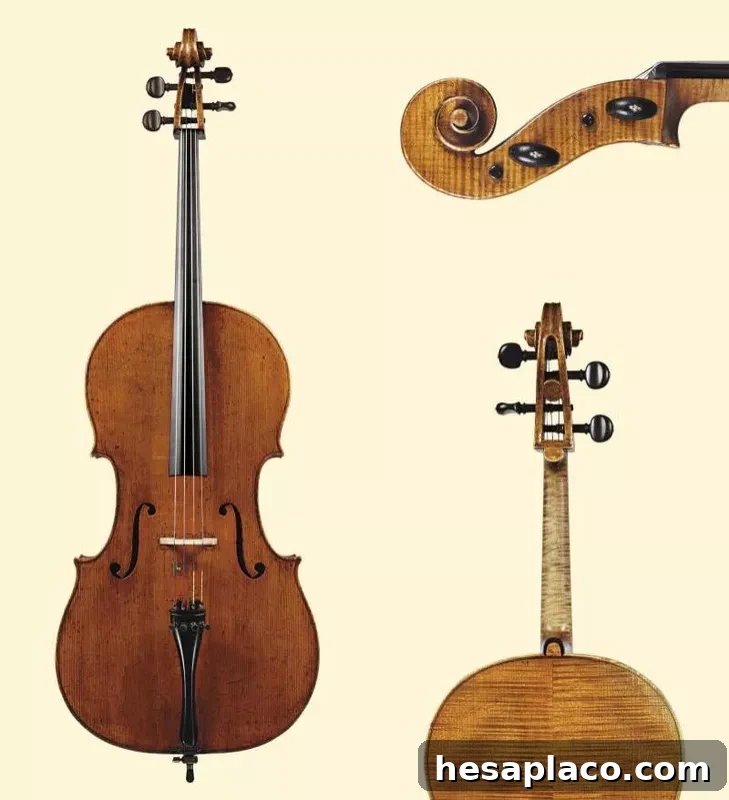
16. Gennaro Gagliano Violoncello
Christie’s
Year sold: 2009
Price: $362,500 (auction)
Made around 1765 by the Gagliano family in Naples, this violoncello—an early form of the modern cello—is highly regarded for its craftsmanship. Gagliano instruments are sometimes overshadowed by other Italian makers, but this cello is considered among the best-made instruments from its era.
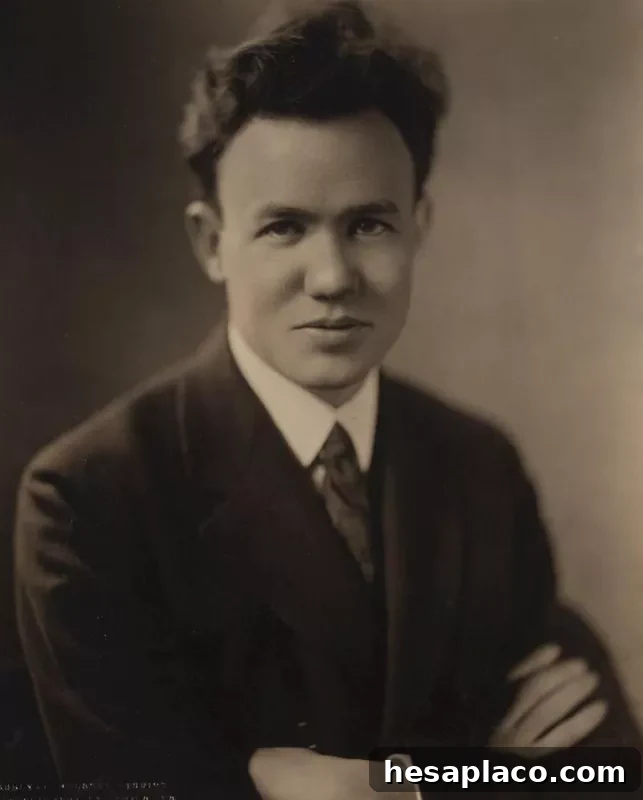
15. Verne Q. Powell No. 365 Flute
Wikipedia / Library of Congress
Year sold: 1987
Price: $414,000 (auction)
Verne Q. Powell sought to build the world’s finest flutes, moving from silver to gold and eventually experimenting with platinum. His No. 365, a 14K gold instrument first made in 1928 and later showcased at the 1939 New York World’s Fair, was purchased after the fair by flutist William Kincaid. In 1987 collector Stuart Pivar bought it at auction.
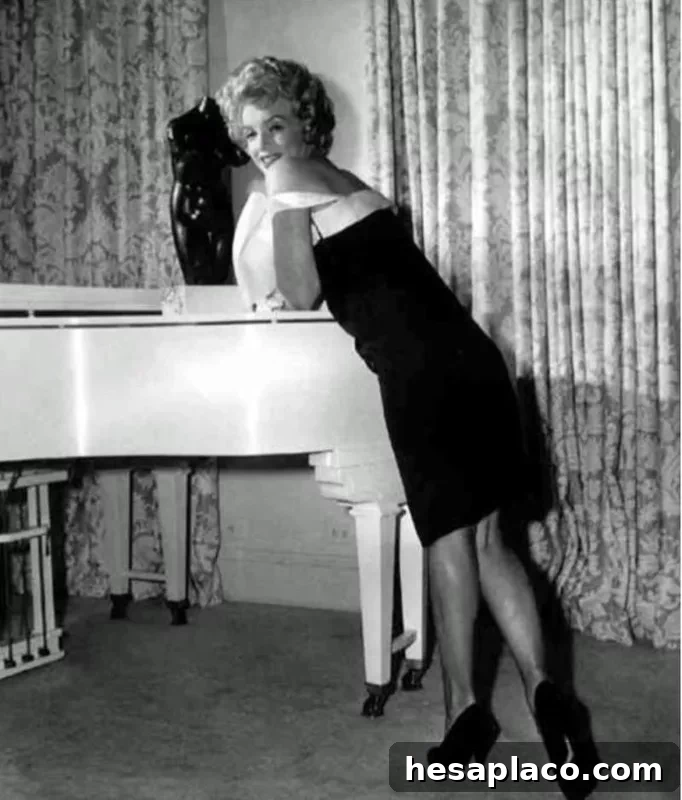
14. Marilyn Monroe’s Baby Grand Piano
The Marilyn Monroe Collection
Year sold: 1999
Price: $662,500 (auction)
Originally owned by Marilyn Monroe’s mother, Gladys, this baby grand later came into Marilyn’s possession after she located and bought it back. The instrument’s sentimental provenance increased its appeal despite visible wear. The buyer was singer Mariah Carey.
13. Eric Clapton’s “Blackie” Stratocaster
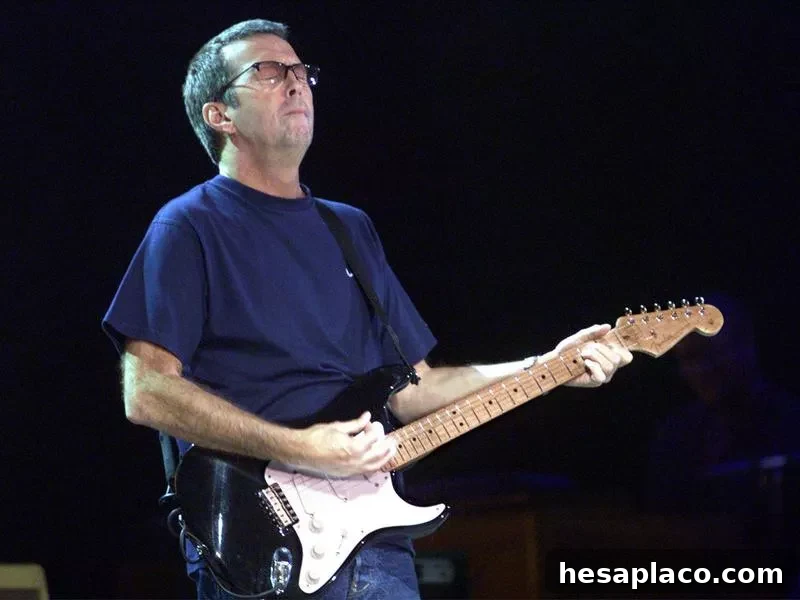
Uwe Lein / AP Photo
Year sold: 2004
Price: $959,500 (auction)
“Blackie” is a composite Fender Stratocaster Clapton assembled from the best parts of three 1950s guitars and customized by luthier Ted Newman Jones. Despite heavy wear—chips, scratches and burns—it became an iconic instrument closely linked to Clapton’s career and stage sound.
12. “Ex-Havemeyer” Guadagnini Cello
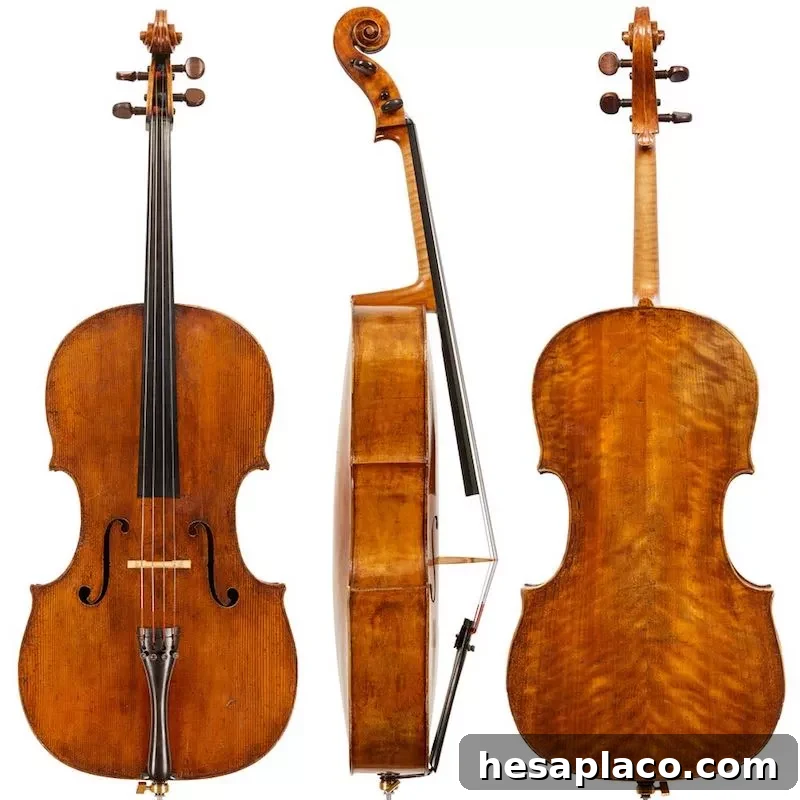
Tarisio
Year sold: 2016
Price: $1.5 million (auction)
Giovanni Battista Guadagnini built around 40 cellos during his career, producing instruments prized for their focused sound and clarity. The “ex-Havemeyer” cello dates to around 1743 and is slightly smaller than modern cellos, but its tone and rarity make it highly sought after at auction.
11. Ringo Starr’s Ludwig Drum Kit
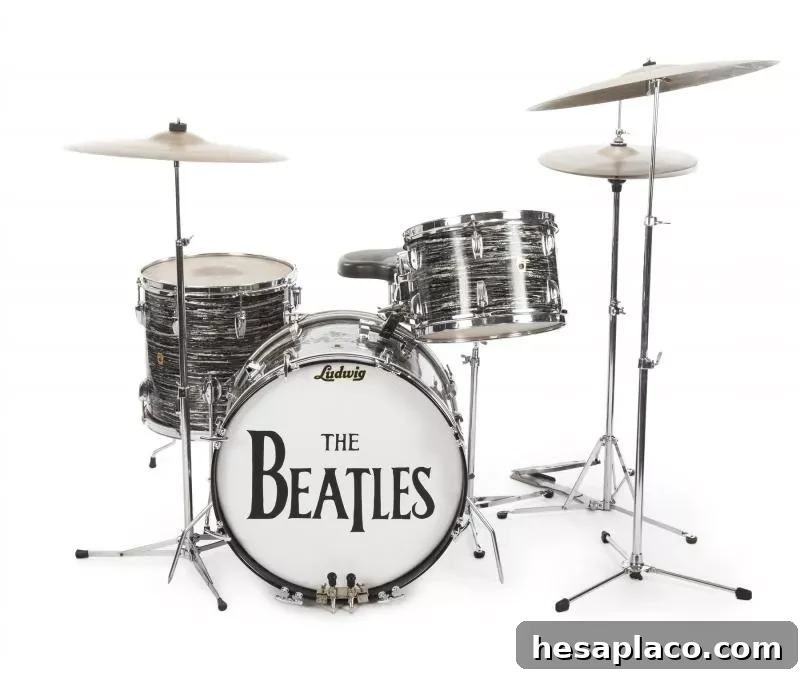
Julien’s Auctions
Year sold: 2015
Price: $2.1 million (auction)
Purchased by Ringo Starr in 1962 and used in hundreds of performances, this oyster black pearl Ludwig kit played on early Beatles hits. Jim Irsay, the Indianapolis Colts owner and Beatles collector, bought the set at auction to add to his collection of Beatles memorabilia.
10. John Lennon’s Steinway Model Z
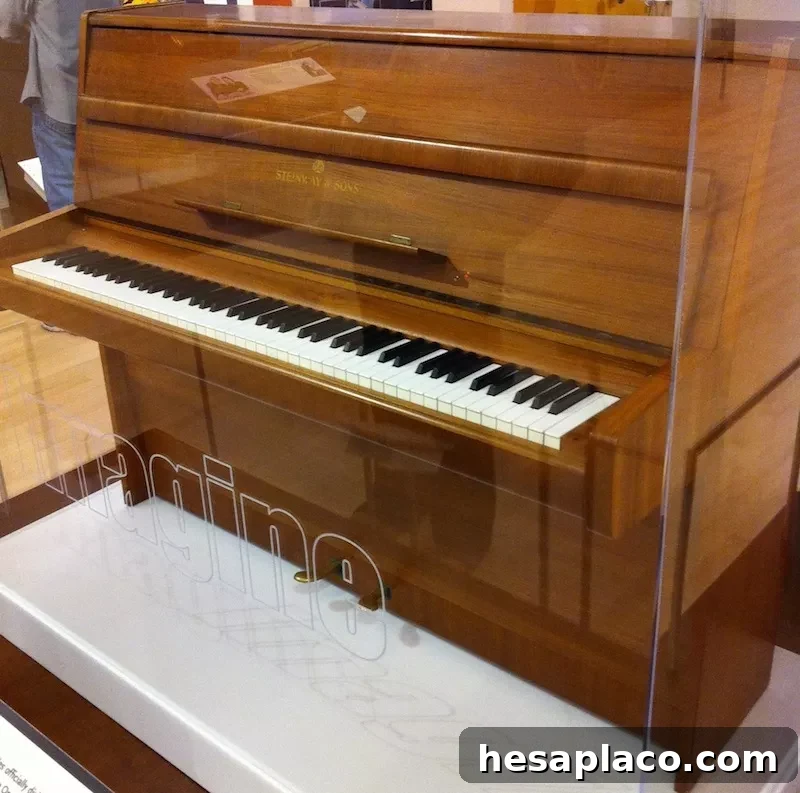
Wikimedia Commons
Year sold: 2000
Price: $2.37 million (auction)
Plain and unadorned, John Lennon’s brown Steinway Model Z gains its value from provenance. Lennon bought it in 1970 and used it to compose “Imagine.” In 2000 George Michael purchased the piano at auction and later donated it to the Beatles Story museum in Liverpool.
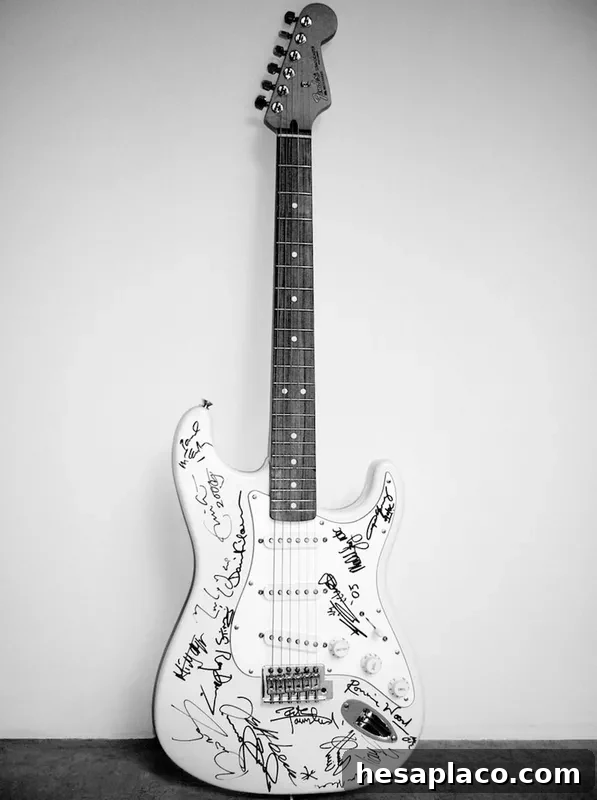
9. “Reach Out to Asia” Fender Stratocaster
Fender Wiki
Year sold: 2005
Price: $2.7 million (auction)
The instrument’s price derived from the many famous autographs that cover it—signatures from artists including Paul McCartney, Eric Clapton, Mick Jagger and others—rather than from unique tonal qualities. It was auctioned to benefit tsunami relief through the “Reach Out to Asia” charity.
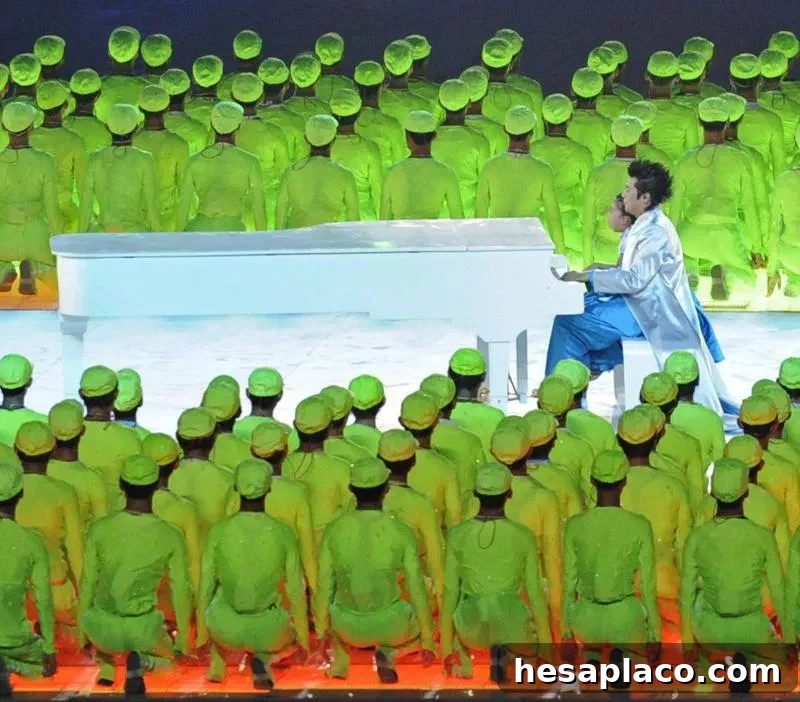
8. Heintzman Crystal Piano
Thomas Kienzle / AP Photo
Year sold: 2008
Price: $3.22 million (auction)
Built by Heintzman for the 2008 Beijing Olympics, this fully transparent crystal piano showcased both sound and inner mechanics. Lang Lang performed on a Heintzman at the opening ceremony for a worldwide audience, and shortly after the Games this futuristic instrument was sold to an anonymous bidder.
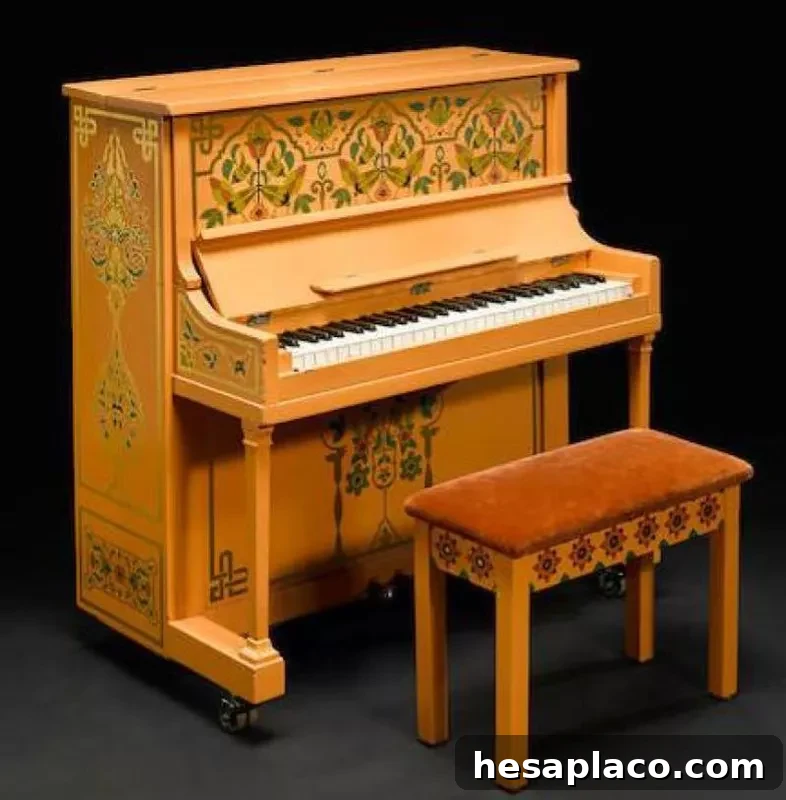
7. “Casablanca” Piano
Bonhams
Year sold: 2014
Price: $3.4 million (auction)
Used on the set of the classic film Casablanca, this compact upright piano is associated with the memorable “As Time Goes By” scene. Likely made around 1927, it has only 58 keys—30 fewer than a modern upright—but carries strong cinematic provenance that drove its auction price.
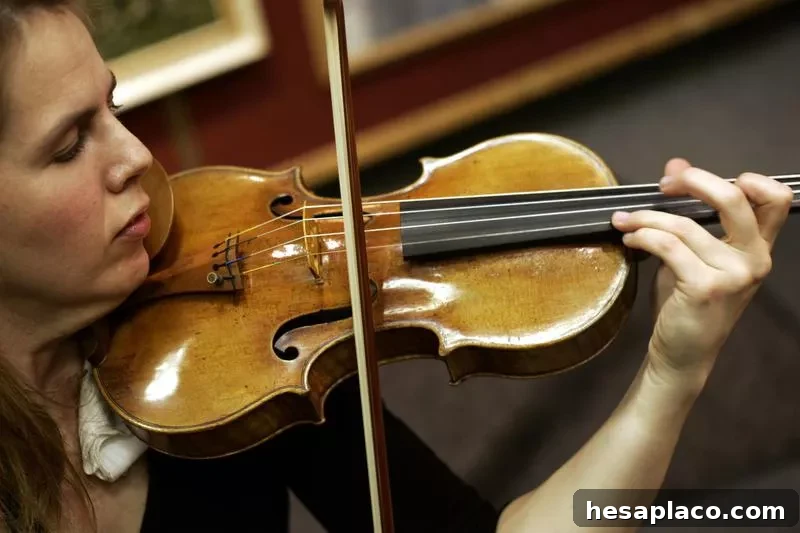
6. Stradivari “The Hammer” Violin
Lefteris Pitarakis / AP Photo
Year sold: 2006
Price: $3.544 million (auction)
Antonio Stradivari crafted “The Hammer” in 1707. Its recorded ownership dates to Swedish collector Christian Hammer in the 19th century. In the 1990s the violin was loaned to Japanese soloist Kyoko Takezawa, who played it as her primary instrument for years. Its rarity and exceptional condition helped secure a top price at Christie’s.
5. David Gilmour’s 1969 Fender Stratocaster
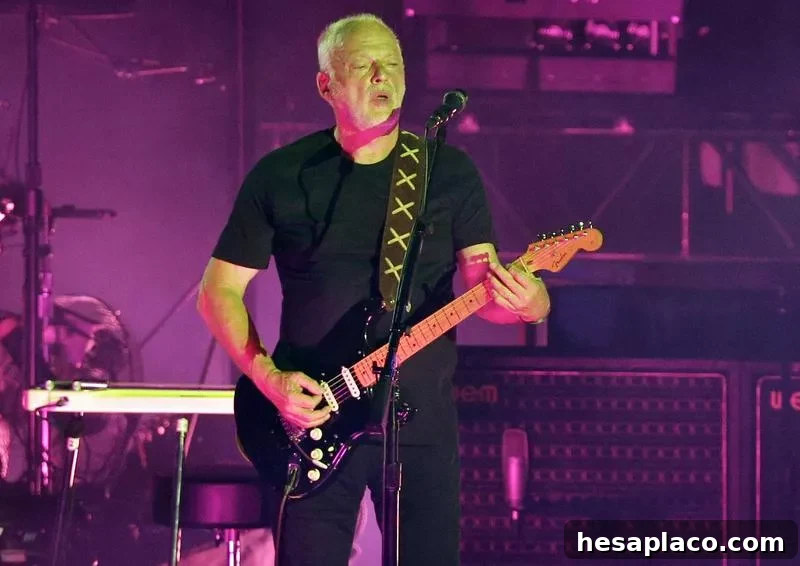
Gregorio Borgia / AP Photo
Year sold: 2019
Price: $3.975 million (auction)
Played by Pink Floyd’s David Gilmour on iconic recordings like “Comfortably Numb” and “Money,” this black 1969 Stratocaster set a record as one of the highest-priced guitars. Jim Irsay purchased it and many other famous instruments at Gilmour’s extensive auction, raising funds for environmental causes.
4. Countess of Stainlein, Ex-Paganini Cello
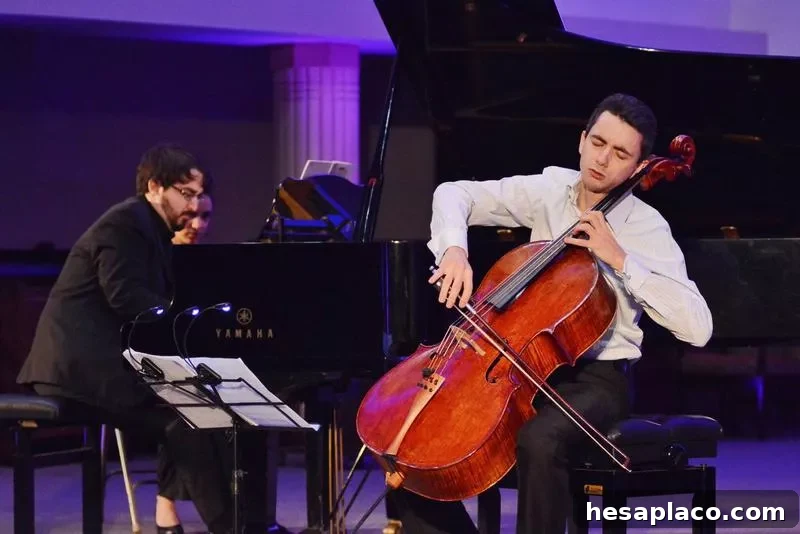
stephanetetreault.com
Year sold: 2012
Price: $6 million+ (private sale)
Made by Stradivari in 1707, this cello passed through notable hands including Nicole Paganini and Bernard Greenhouse. After decades of careful stewardship, the Greenhouse family sold the instrument to a patron of the arts, who then lent it to young cellist Stéphane Tétreault.
3. Vieuxtemps Guarneri Violin
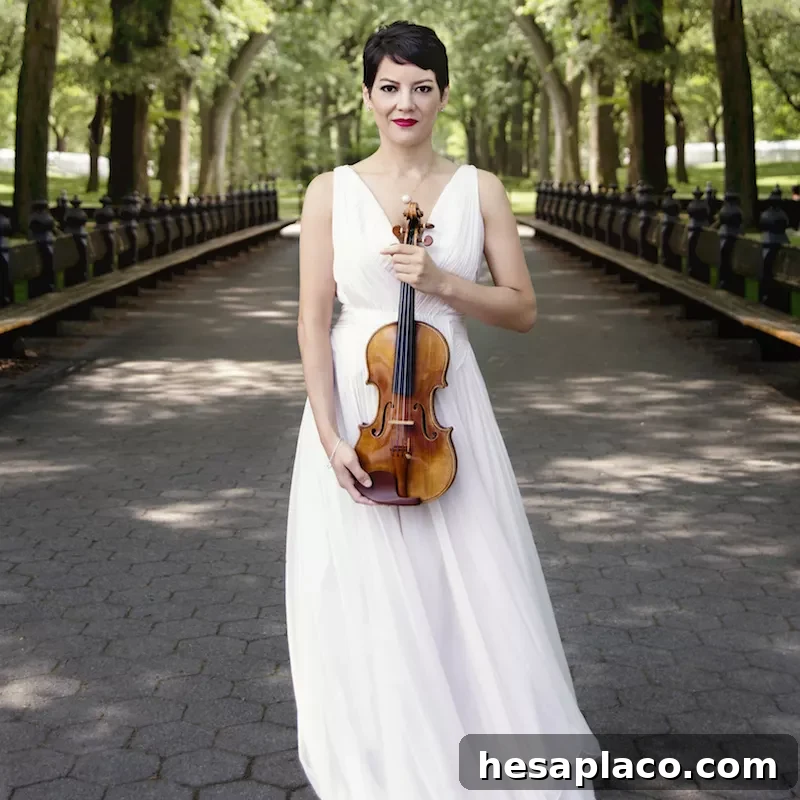
anneakikomeyers.com
Year sold: 2014
Price: $16 million (private sale)
Built around 1741 by Giuseppe Guarneri and named for Belgian virtuoso Henri Vieuxtemps, this violin is widely regarded as one of the most valuable in existence. After centuries of careful use and preservation, it sold to an anonymous buyer who later loaned it to American soloist Anne Akiko Meyers for her lifetime.
2. Duport Stradivari Cello
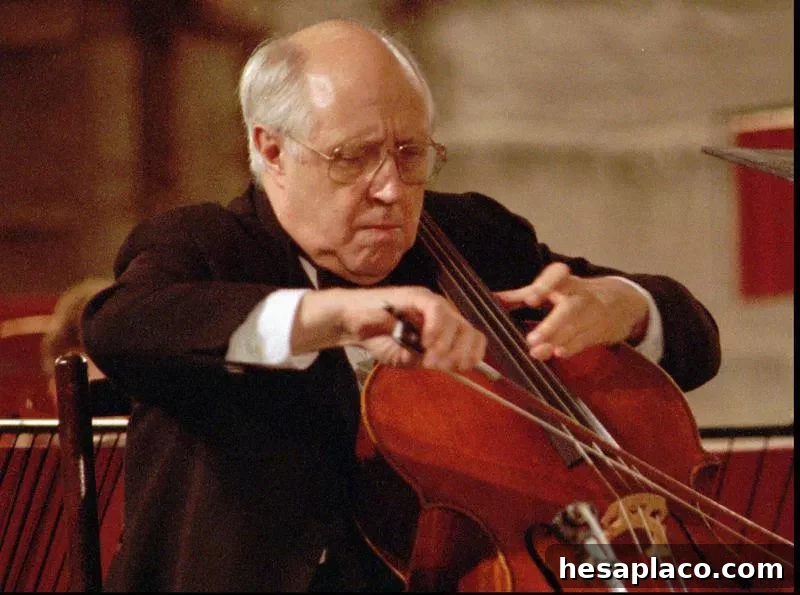
Misha Japaridze / AP Photo
Year sold: 2007
Alleged price: $20 million (reported)
Stradivari crafted this cello in 1711. It was famously played by the Duport brothers around 1800–1819. Anecdotes claim Napoleon once handled the instrument, leaving visible dents from his boots. Mstislav Rostropovich owned and performed on this cello from 1974 until his death; some reports later suggested a multi-million-dollar sale, though accounts of its current ownership have varied.
1. MacDonald Stradivari Viola
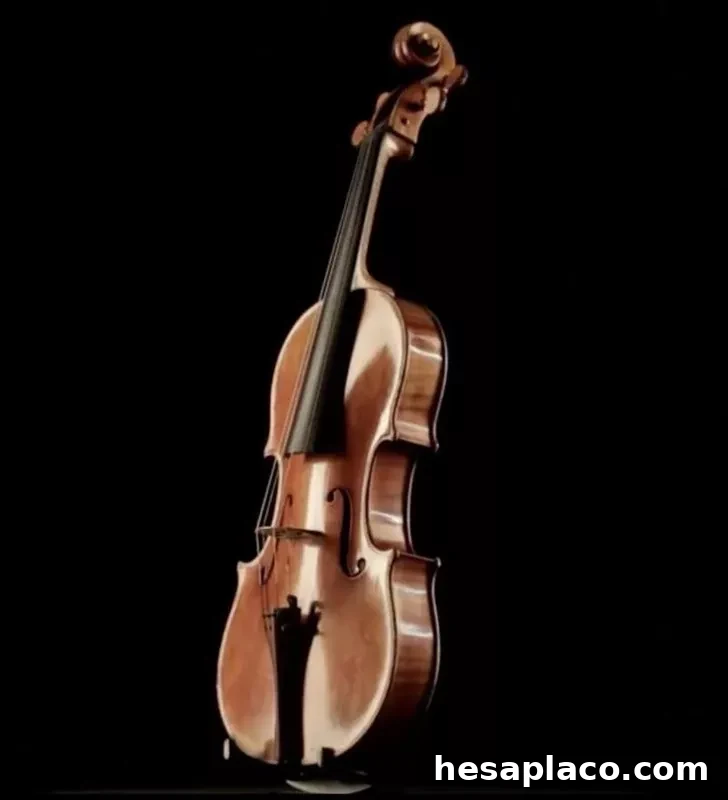
Sotheby’s
Year: 2014
Asking price: $45 million (unsold at auction)
Made by Antonio Stradivari around 1719 during his “Golden Period,” the MacDonald viola is one of only about ten violas he produced. Owned for decades by Philips, which purchased it in 1964 for violinist Peter Schidlof of the Amadeus Quartet, the instrument later came to market with an extraordinary asking price but failed to sell at auction. Its rarity and association with Stradivari make it one of the most coveted instruments in the world.
Collecting fine instruments requires patience, expertise and careful preservation. Provenance, maker and condition are the strongest determinants of value, and historically notable instruments often grow most in worth over long holding periods.