
For most people, $500 is a meaningful amount. Who wouldn’t be thrilled if their employer gave them an extra $500 each month?
We asked financial advisors, money managers, and everyday savers for their best strategies to free up an additional $500 a month. Most suggestions require discipline and small lifestyle changes, but none are out of reach. There’s no single miracle trick that instantly adds $500 to your savings, but combining several practical moves makes the goal achievable for many households.
Below are proven, actionable ways to save or earn an extra $500 a month. Implementing several of these tips together will make reaching that target far easier.
Try Reverse Budgeting

Most experts recommend automating savings through payroll deductions and recurring transfers. Danielle Desir of the travel savings site Thought Card endorses automation but also recommends a manual technique called reverse budgeting.
With reverse budgeting, instead of preassigning every dollar to a spending category, you move surplus funds into savings as soon as a purchase comes in under budget. For example, if utilities are budgeted at $100 but the bill is $85, immediately transfer the $15 difference into savings. If you walk instead of taking transit and save $3, move that $3 to savings right away.
These micro-savings often go unnoticed, but tracked and acted upon consistently they compound quickly. Treat every small saving like a deposit—over time those tiny transfers add up to significant monthly contributions.
Never Spend a $5 Bill

Research shows people tend to spend less when using cash. If you use cash regularly, set aside every $5 bill you receive as change. Store them in a jar and deposit the total into savings monthly, quarterly, or once a year. You can also save $5 bills all year and use the balance for holiday shopping instead of charging purchases to a card.
Round Up Purchases
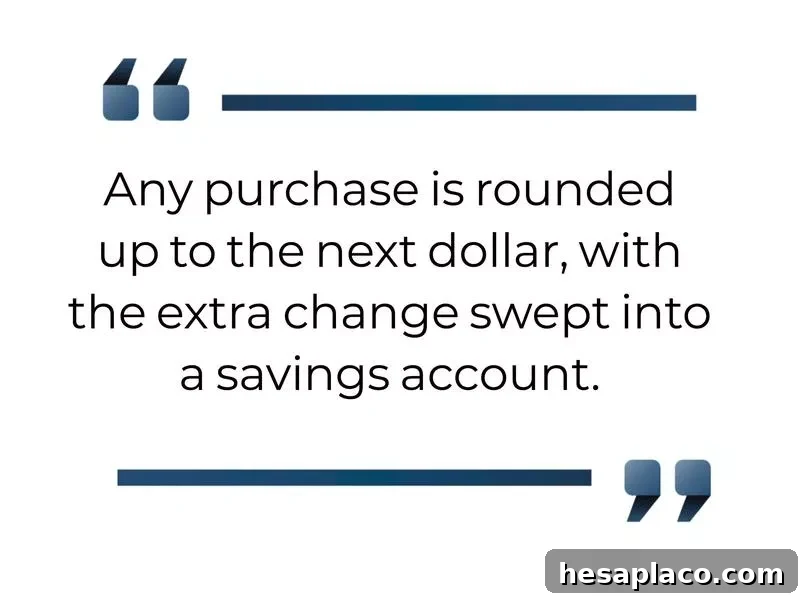
Many banks and fintech apps offer a round-up feature that rounds each debit-card purchase to the next dollar and moves the spare change into a savings or investment account. For instance, a $3.43 purchase would be rounded to $4.00, with $0.57 transferred to savings automatically. If your bank doesn’t provide this, third-party apps offer similar services and can consolidate round-ups from multiple cards.
Sell Unused Items

Many homes are cluttered with items that are rarely or never used. If you haven’t used something in six months to a year, consider selling it. One advisor sold a child’s unused swing for $70 in a week—do that several times and $500 becomes quite achievable. Likewise, hobbies often come with recurring costs; if equipment sits unused, selling it can free cash and reduce ongoing spending.
Raise Your Auto Insurance Deductible

Increasing your car insurance deductible can lower monthly premiums. For many drivers, raising a deductible from $250 to $500 saves around $14 per month; moving to a $1,000 deductible could save about $30 per month. Keep the extra savings aside so you could cover the higher deductible if needed, and comparison-shop your policy regularly—people who seek new quotes often save hundreds annually without reducing coverage.
Buy Generic Brands

Store or generic brands are typically about 10 percent cheaper than name brands. For a household spending $500 a month on groceries, switching to quality store brands could save approximately $50 monthly. Many retailers stand behind store-brand quality with satisfaction guarantees, making this a low-risk way to cut grocery bills.
Use Your Freezer to Reduce Food Waste

Food waste is expensive. One common strategy is to freeze perishable items before they spoil: steam or blanch vegetables like potatoes, cabbage, carrots, and squash and store them in the freezer for later use. Plan meals that reheat well—stews, meatloaf, and casseroles are great because they taste good reheated and save time. Using the freezer strategically reduces grocery waste and stretches your food budget.
Compost Kitchen Scraps for Garden Value

Common kitchen scraps can be repurposed to enrich your garden. Banana peels dry and make excellent natural fertilizer; used coffee grounds and brewed tea bags increase soil acidity for flowering plants; citrus peels can deter some pests; crushed eggshells add calcium. Reusing these materials reduces the need to buy commercial fertilizer and helps maintain a healthy garden at minimal cost.
Check Your Mobile Data Usage
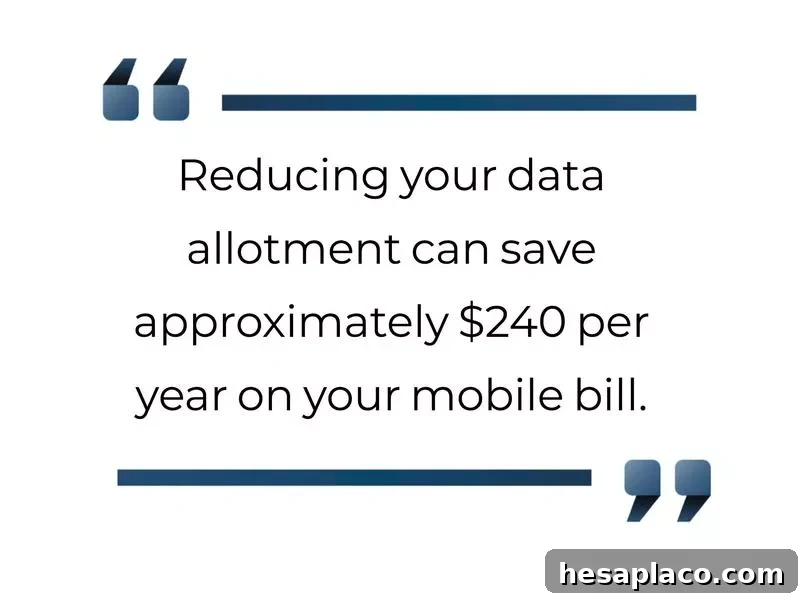
Many smartphone users pay for more data than they use. Tracking data usage for a month with monitoring apps can reveal wasted allotments. Switching to a smaller plan can save roughly $20 monthly on average, or about $240 per year. Review your plan regularly and adjust as needed to avoid overpaying.
Switch to a Credit Union

Bank fees—out-of-network ATM charges, overdraft fees, and monthly maintenance fees—add up. Credit unions often charge lower fees or none at all, and many people qualify to join at least one. Moving checking to a credit union can eliminate unnecessary fees and save hundreds per year for typical account users.
Cut the Cable Cord

Cancelling cable and using a combination of an antenna for local channels and streaming services like Netflix or other affordable alternatives can reduce monthly entertainment costs. Many households save $50 to $100 a month by ditching cable, and some find they watch less TV overall and opt for more focused, higher-quality viewing.
Drink Less—or Drink at Home

Alcohol served in bars and restaurants carries very high markups. Cutting back on drinking out—or preparing drinks at home—can produce substantial weekly savings. Even one drink out per day adds up quickly; reducing or eliminating that habit can free up dozens to hundreds of dollars each month.
Reconsider an Unused Gym Membership
Gyms rely on automatic monthly dues and the fact many members don’t regularly attend. If you actively use your gym several times a week, keep it. If you rarely go, consider alternatives: pay-as-you-go punch passes, rotating free trial classes at studios, or outdoor workouts. The average gym membership costs around $58 per month, so cancelling an unused membership can save nearly $700 a year.
Host an Exchange Student

Hosting an exchange student can provide a stipend that offsets household costs. Some hosts receive substantial monthly support that, after additional food and household expenses, can still net more than $500 per month while offering a cultural and educational experience for both host family and student.
Combining a few of these strategies—small structural changes, conscious spending, and occasional extra income—can make the goal of saving an extra $500 per month realistic. Start with easy wins like switching brands, checking insurance and mobile plans, and automating small transfers; then tackle larger steps like selling unused items or hosting a student. Over time, these habits add up into meaningful financial progress.