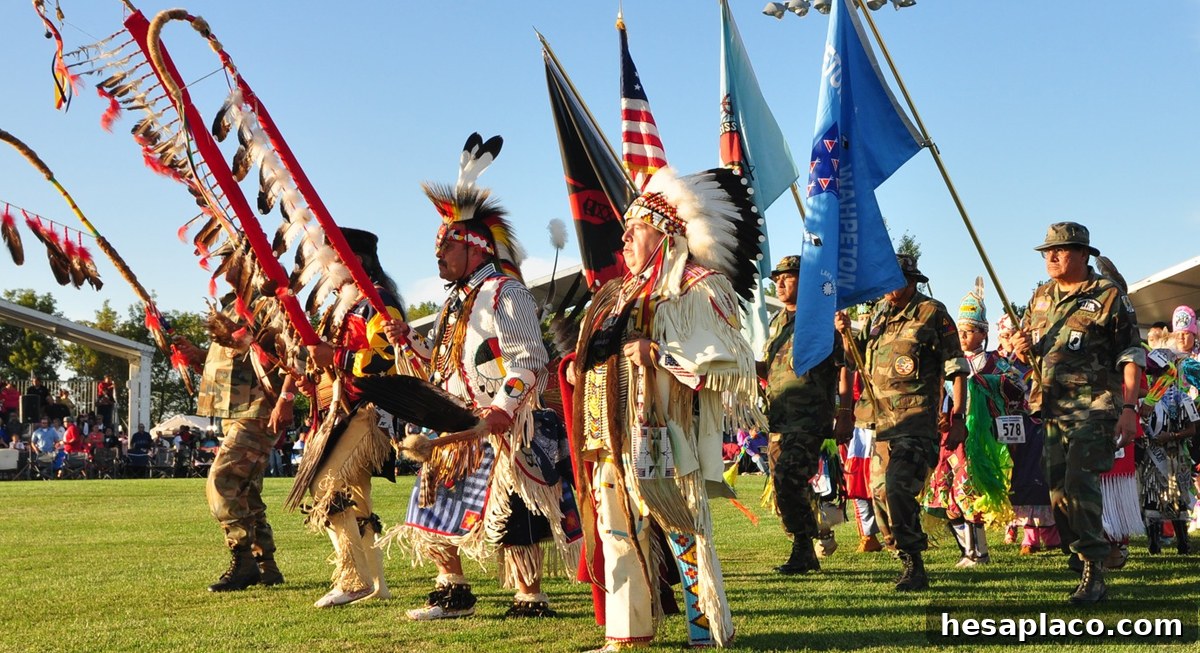
Most people wouldn’t expect a tribe located between Minnesota’s suburbs and its frozen lakes to rank among the wealthiest communities in the United States. Yet the Shakopee Mdewakanton Sioux Community (SMSC) rewrote that expectation. Through legal victories, skilled casino management, and long-term planning, the tribe converted modest beginnings into substantial wealth, political influence, and an expansive record of philanthropy.
Below is a clearer look at how the SMSC became one of the richest Native American tribes and how it uses that wealth.
Casino Revenue Transformed a Small Community
Credit: Wikimedia Commons
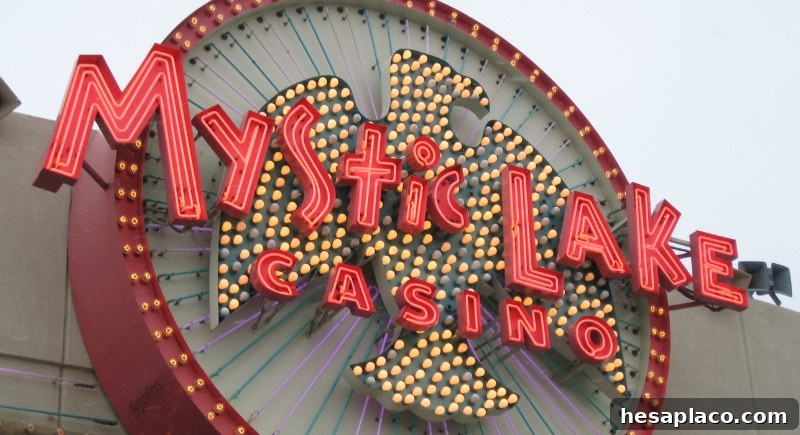
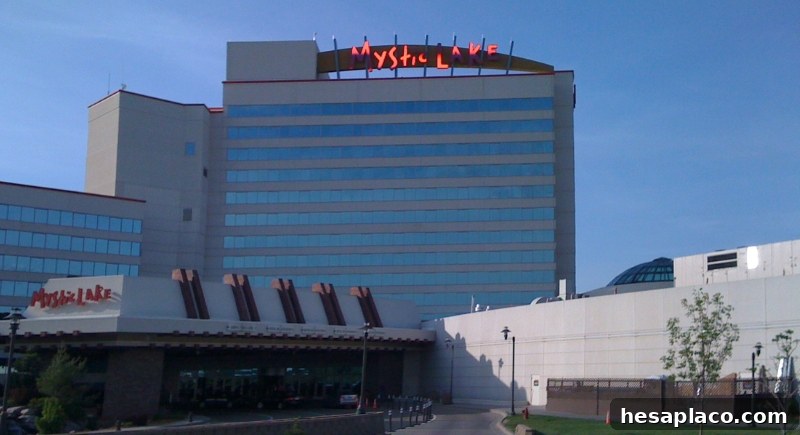
The opening of Mystic Lake Casino in 1992 marked a turning point. What began as a modest bingo operation grew into a major gaming and hospitality destination drawing visitors from across the Twin Cities region and beyond. At peak performance, Mystic Lake’s revenue has approached roughly $1 billion per year, making it the economic engine that transformed the SMSC’s financial standing.
Generous Per-Capita Payments to Members

Credit: Getty Images
With fewer than 500 enrolled members, the SMSC has the capacity to distribute significant income to individuals. Public filings and member disclosures have shown adult members receiving monthly distributions in the tens of thousands of dollars—reported around $84,000 per month in some documents—totaling more than $1 million annually. Because tribal sovereignty exempts many such payments from state income tax, the practical value of those distributions is even greater.
Unemployment Is Effectively Optional

Credit: Getty Images
The tribe’s unemployment figure has at times been described as near 100 percent, but that statistic reflects financial independence rather than economic distress. Former chairman Stanley R. Crooks acknowledged the number with a smile—employment among tribal members is largely voluntary because the tribe’s revenues provide for members’ basic needs and more.
Reservation Businesses Employ Many Non-Natives
Credit: Facebook
Mystic Lake Casino and other SMSC enterprises are major regional employers. The tribe runs a variety of businesses—gaming, hospitality, retail, and food—which make the SMSC the largest employer in Scott County. The majority of employees are not tribal members, so the tribe’s enterprises play a central role in the local labor market and economy.
Philanthropy on an Industrial Scale

Credit: Getty Images
The SMSC has directed hundreds of millions of dollars to charitable causes and community development. Cumulative donations have exceeded $325 million, spanning tribal programs, education, health care, and disaster relief. In 2010 alone, the tribe’s charitable giving—reported at $28.5 million—surpassed contributions from some major Minnesota corporations, demonstrating the scale and ambition of its philanthropy.
Financial Support for Other Tribes
Credit: Wikipedia
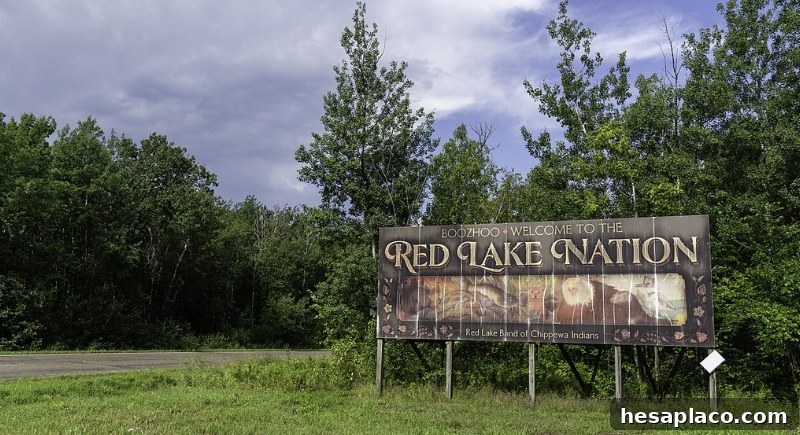
Rather than hoarding resources, the SMSC has helped other Native nations pursue economic development. It has issued loans and provided capital—totaling hundreds of millions—to tribes such as the Red Lake Nation to support their own gaming operations and enterprises. These loans are framed as strategic investments that promote broader economic stability across Indian Country.
Political Giving Secures a Voice in Policy
Credit: Getty Images
Since the 1990s, the SMSC has contributed to political campaigns and advocacy efforts—totaling more than $3 million over time—to back candidates and policies that protect tribal sovereignty and the legal framework for gaming. This political engagement grants the tribe access to decision-makers and helps shape legislative debate on taxation, land rights, and regulatory matters.
Active Lobbying and Regulatory Engagement
Credit: pexels
Beyond campaign donations, the SMSC invests in lobbying to protect its interests and sovereignty. The tribe actively monitors federal and state policy discussions—especially those related to online gaming, jurisdiction, and regulatory frameworks—and participates in shaping rules that affect tribal enterprises.
Advocacy That Influenced Federal Law

Credit: Canva
Tribal advocacy contributed to meaningful legal changes. For example, the 2013 reauthorization of the Violence Against Women Act included provisions expanding tribal criminal jurisdiction to allow tribes to prosecute certain crimes committed by non-Native perpetrators against Native victims. This change was the result of long-term efforts to address safety, jurisdictional gaps, and sovereignty concerns.
Gaming Success Rooted in Legal Precedent

Credit: Getty Images
Tribal gaming’s modern rise followed key court decisions. The Supreme Court’s ruling in Bryan v. Itasca County removed certain state taxation powers over reservation property and opened legal pathways that helped tribes develop gaming enterprises. The SMSC capitalized on that environment to build Mystic Lake and related businesses.
Strategic Location Near the Twin Cities
Credit: Wikimedia Commons
The SMSC reservation lies just outside the Minneapolis–Saint Paul metro area, a proximity that reliably feeds customers to Mystic Lake. As the suburbs expanded, travel time and convenience improved for local residents and visitors alike, making the casino a convenient entertainment option and reducing the need for costly advertising to build a customer base.
Consistent Leadership and Long-Term Vision
Credit: Alchetron
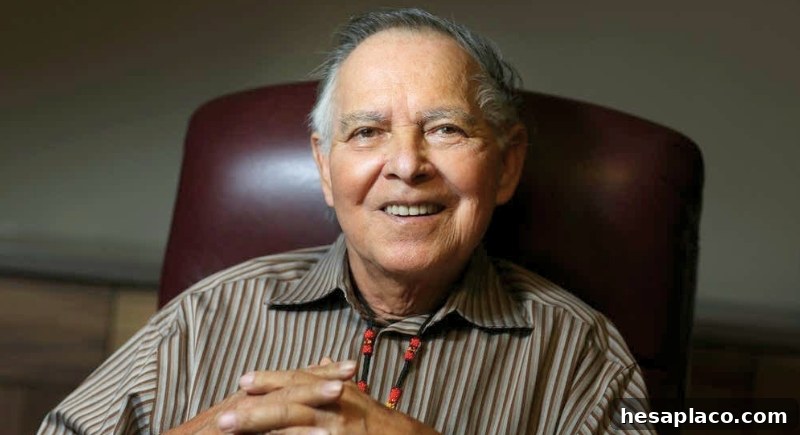
Leadership continuity helped the tribe realize its goals. Stanley R. Crooks chaired the SMSC from 1992 until 2012, guiding the tribe through Mystic Lake’s development and emphasizing sovereignty, governance, and prudent investment. That steady leadership provided the institutional framework needed to manage rapid growth responsibly.
Investing in Health, Nutrition, and Food Security
Credit: Youtube
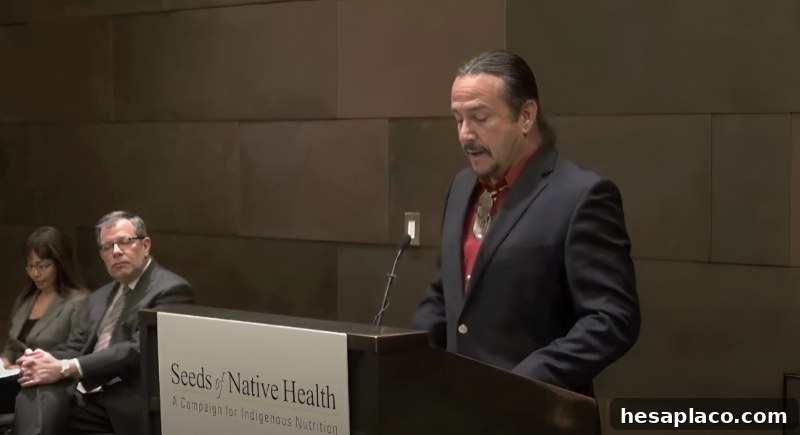
The SMSC has broadened its focus beyond gaming to address long-term community health. Initiatives include Mazopiya, a natural foods market, and Seeds of Native Health, a multi-million-dollar effort targeting food insecurity and better nutrition across Indian Country. These programs reflect a shift toward sustainability and preventive health investments.
Shaping Agricultural and Nutrition Policy
Credit: Instagram
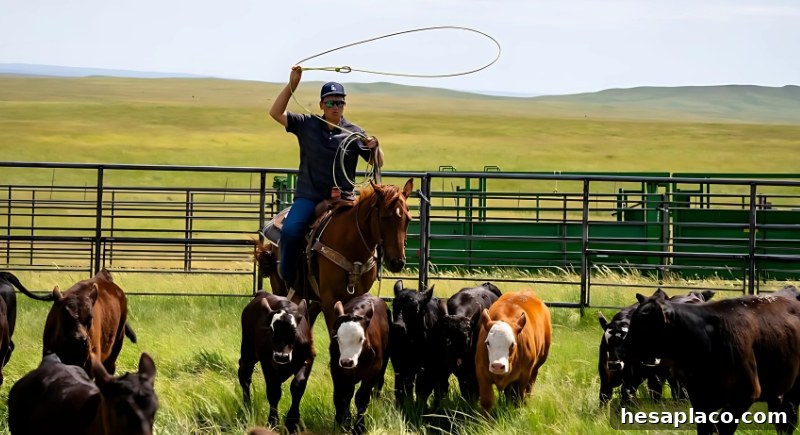
The SMSC helped create the Native Farm Bill Coalition to ensure tribal priorities are considered in federal farm and nutrition policy. By funding research and advocacy, the tribe has worked to secure access to programs addressing land use, nutrition assistance, and sustainable agriculture for Native communities.
Diversifying Beyond Gaming for Long-Term Stability
Credit: Wikimedia Commons
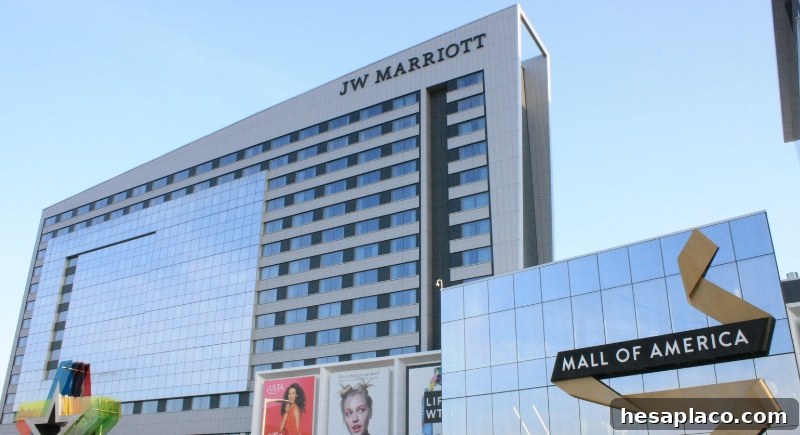
While gaming provided the initial wealth, the SMSC is actively diversifying to protect future prosperity. Investments have included hospitality partnerships and commercial ventures—such as involvement with the J.W. Marriott at the Mall of America—intended to broaden revenue streams and build durable assets that will support the community beyond the gaming industry.