
Interviews can feel intimidating. Sitting across from one person—or a panel—who can influence your future makes it difficult to think clearly and express yourself well.
Your resume may get you an interview, but the interview usually decides whether you get the job. That puts a lot of weight on what you say and how you say it in a limited time.
Often, the reason promising candidates don’t get hired isn’t a lack of qualifications but awkward or careless answers at critical moments. Avoiding certain common phrases and habits can help move you from a generic applicant to a serious finalist.
Set the Right Tone
When an interviewer offers you a drink, don’t reply with a casual “I’m fine.” Even if you decline, respond politely: “No, thank you. I’m all set for now.” Adding “thank you” is a small change that makes your response sound more professional and respectful, and it sets a positive tone for the rest of the meeting.
Don’t Overdo It
Claiming to be a “perfectionist” is cliché and often counterproductive. Employers hear it too often, and it raises red flags: perfectionism can slow productivity, make someone avoid risk, or suggest they’re inexperienced in handling constructive feedback. Be honest about areas for growth instead—admitting a realistic weakness shows maturity and a willingness to learn.
Careful Not to Seem Lazy
Saying you’re “comfortable” in a role can be misread as complacency. Employers want people who can perform tasks reliably but also take on challenges and grow. Emphasize that you’re capable of the job while expressing a desire to learn new skills and tackle responsibilities that push you.
Shooting Yourself in the Foot
Independence is valuable, but telling an interviewer you prefer minimal supervision may suggest you struggle with collaboration or following direction. Make it clear you can work autonomously when needed but also take guidance and contribute well to a team.
Offer Your Expertise
When asked about your experience, don’t repeat your resume verbatim—use the opportunity to demonstrate clear communication and social skills. Explain your role, the impact of your work, and how you interact with clients or colleagues. This shows you can articulate your value beyond the written page.
Don’t Let Them See You Sweat
Nervousness is normal, but announcing “I’m really nervous” can amplify the feeling and distract the interviewer. Focus on appearing composed and confident. If you feel anxious, take a measured pause before answering—calmness projects competence.
Fight Filler Words
Filler words like “um,” “like,” and “you know” weaken your delivery. Practice concise answers and allow short pauses to gather your thoughts. Clear, thoughtful speech makes the most of the limited time you have to make a strong impression.
Be Like George Washington
Don’t lie about skills or experience. Falsely claiming abilities can backfire if you’re asked to demonstrate them or put on a trial day. If you lack direct experience in a task, describe a related skill or process you know and emphasize your eagerness to learn.
Don’t Bad Mouth Your Boss (or Your Current Job)
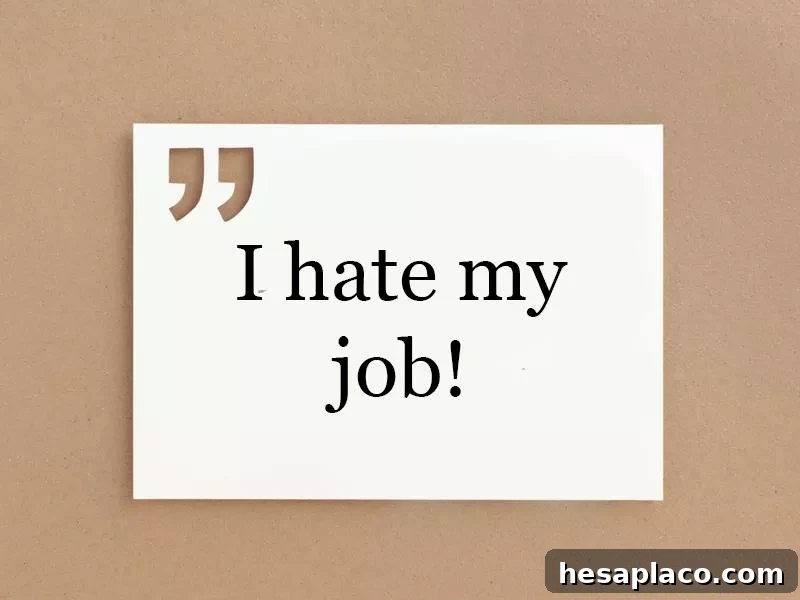
Speaking negatively about a prior employer or role makes you seem unprofessional and raises concerns about loyalty. Frame your reason for leaving around growth, new challenges, or the desire to expand your skills rather than grievances or complaints.
Speak Plainly
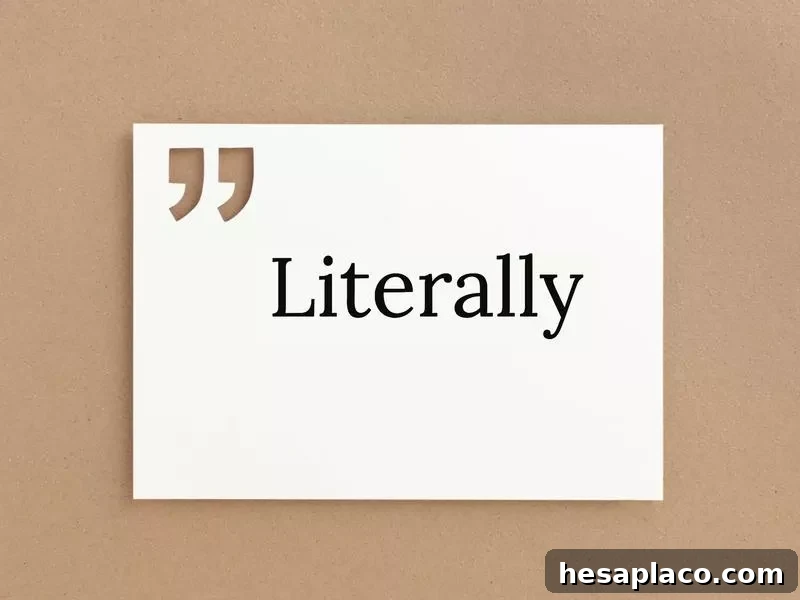
Avoid unnecessary modifiers like “literally.” Such words often add little value and can sound exaggerated. Use clear, accurate language and straightforward examples to communicate your experience and achievements.
Chat Up Your Actual Interests
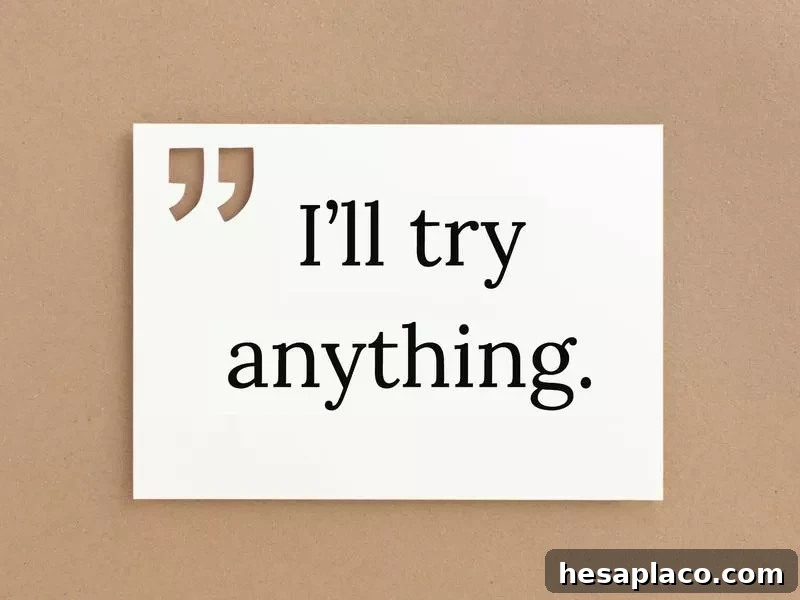
Saying “I’m willing to try anything” might come across as unfocused. It’s fine to be open to new responsibilities, but explain why you think you’ll succeed in unfamiliar areas—cite transferable skills or related experience to make your openness credible.
Don’t Seem Too Eager to Please
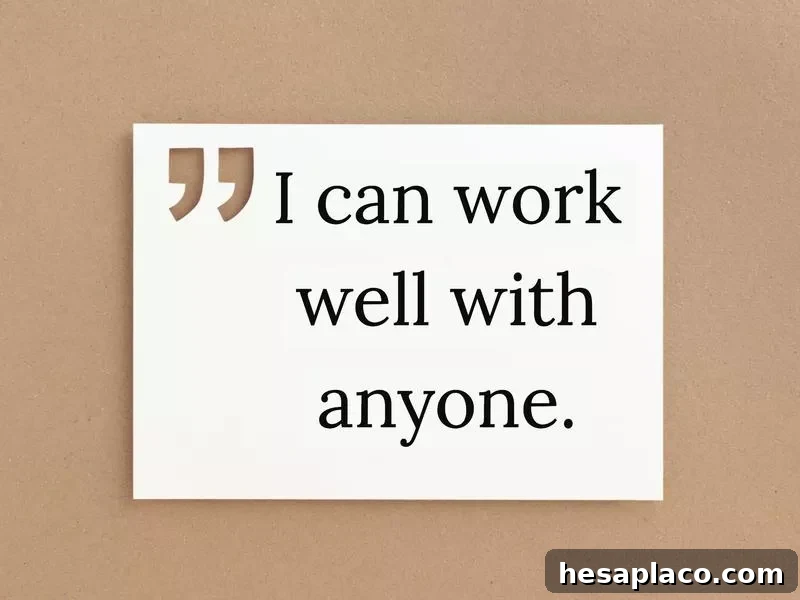
Claiming you get along with everyone sounds insincere. Instead, describe the type of colleagues or work environment where you perform best. Being honest about your fit helps employers assess whether you’ll thrive on their team.
This Should Be Obvious
You don’t need to bluntly state you want the job. Show enthusiasm through relevant examples, strong answers, and thoughtful questions. Demonstrated interest is more persuasive than a direct declaration.
Don’t Confuse Priorities
Your ability to do the job matters much more than whether pets are allowed in the office. Asking about bringing a pet to work in an initial interview can make you seem unfocused. Save such practical questions for later stages once mutual interest is established.
Keep It Professional
Avoid overly casual phrases like “you guys.” Interviews demand a professional tone. While friendliness is fine, maintain language that reflects respect and formality until you know the company culture well.
Don’t Seem Desperate
Expressing desperation—“I need a job”—is off-putting. Let your qualifications and examples speak for your fit. Employers prefer confident candidates who choose the role, not applicants who seem desperate for any position.
Don’t Be Clueless
Research the role before the interview. You won’t be expected to know every detail, but you should understand core responsibilities and required skills. Showing up unprepared suggests disinterest and weakens your candidacy.
Be Specific
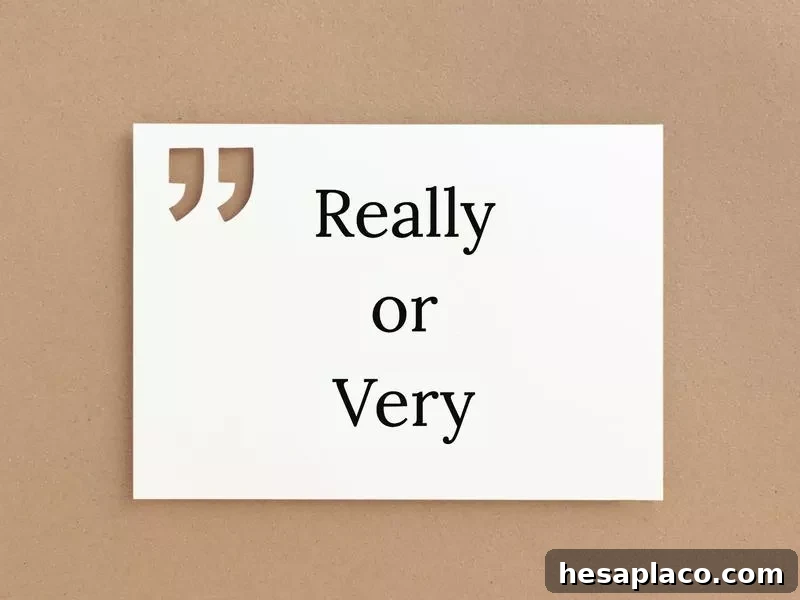
Avoid vague adjectives like “very” or “really.” Instead of “I’m a very good writer,” say “I developed strong writing skills through my journalism experience,” and give a concrete example. Specifics make your strengths believable and memorable.
Show Ambition Not Ambivalence
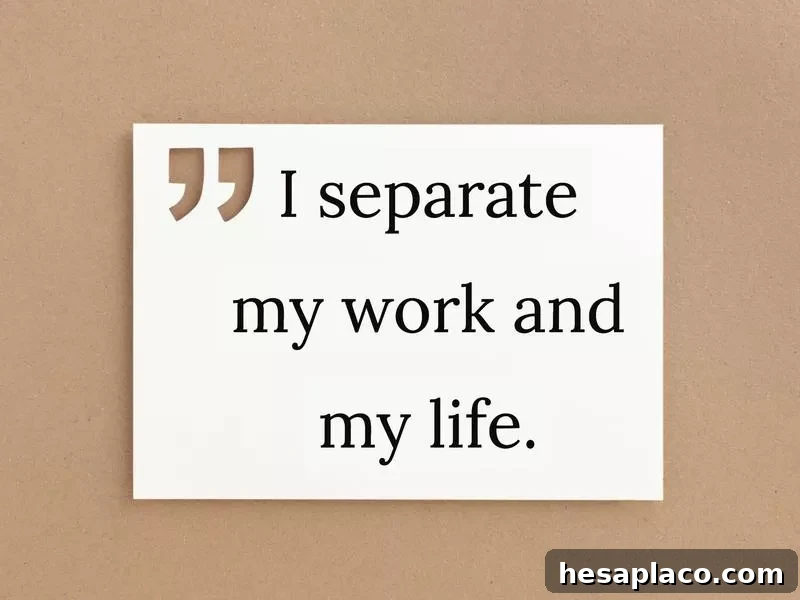
Convey that you’re willing to invest time and effort when needed. While work-life balance is important, employers also want assurance that you’ll commit extra effort when the job requires it. Demonstrate flexibility and a readiness to support team goals.
Emphasize Specific Skills
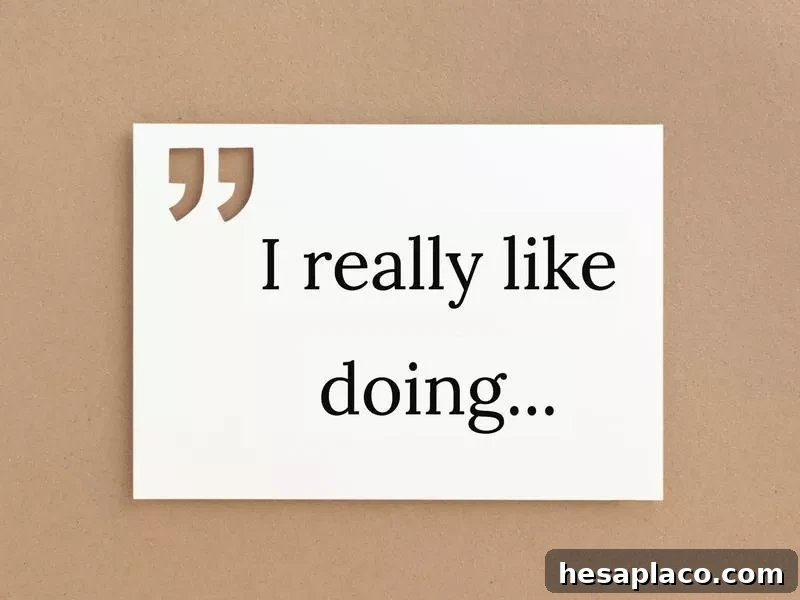
Rather than saying you “like” certain tasks, highlight what you do well and why. Explain how your strengths will benefit the company. Concrete skills and results matter more than general preferences.
Don’t Ask About Money
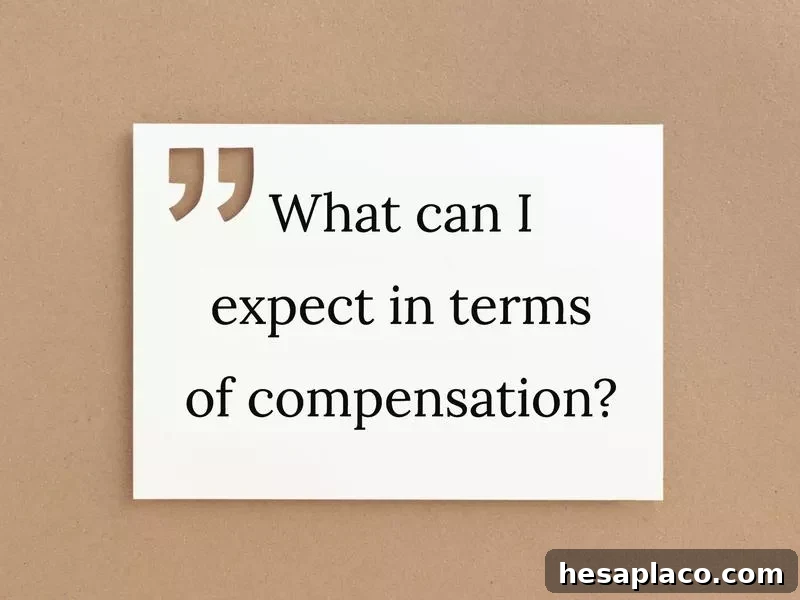
Questions about salary during an initial interview appear presumptive. The first meeting is about fit and mutual interest. Save compensation discussions for later stages or wait for the interviewer to bring it up.
Or Scheduling
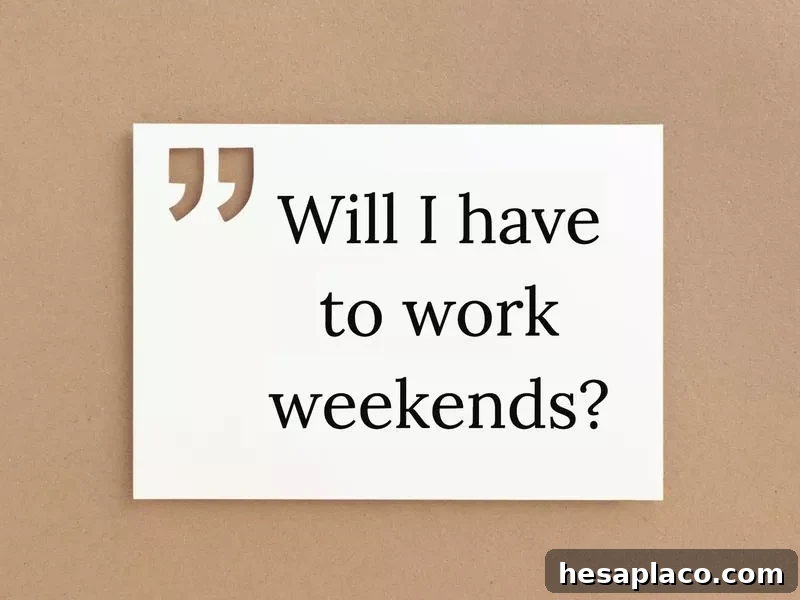
Schedule concerns—work hours or weekend availability—are usually best discussed after the employer has expressed interest. Raising them too early can suggest you’re unwilling to be flexible. Only ask about scheduling if it would create an unavoidable conflict.
Leave Small Stuff for Later
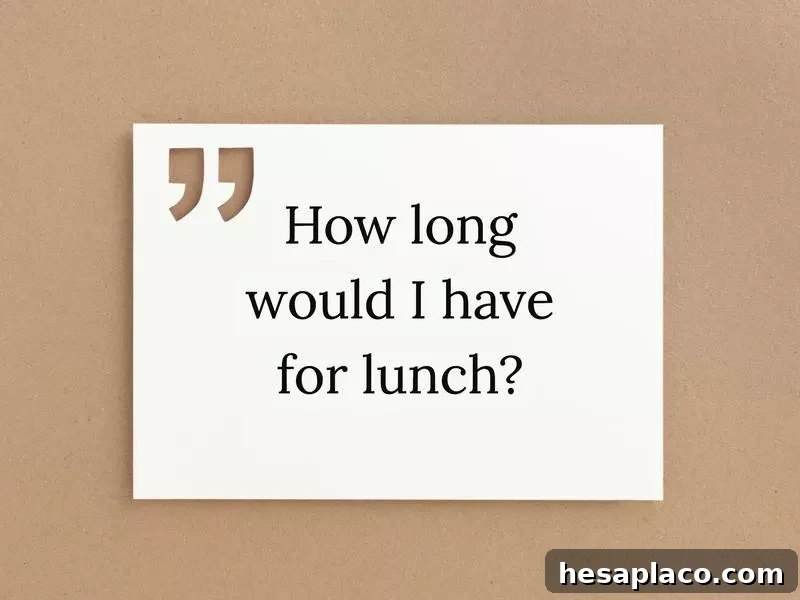
Questions about benefits, vacation days, and break times are typically premature in a first interview. Focus initially on role responsibilities, impact, and fit. Employment details can be addressed in later conversations when both sides have a clearer interest.
Don’t Be Bland
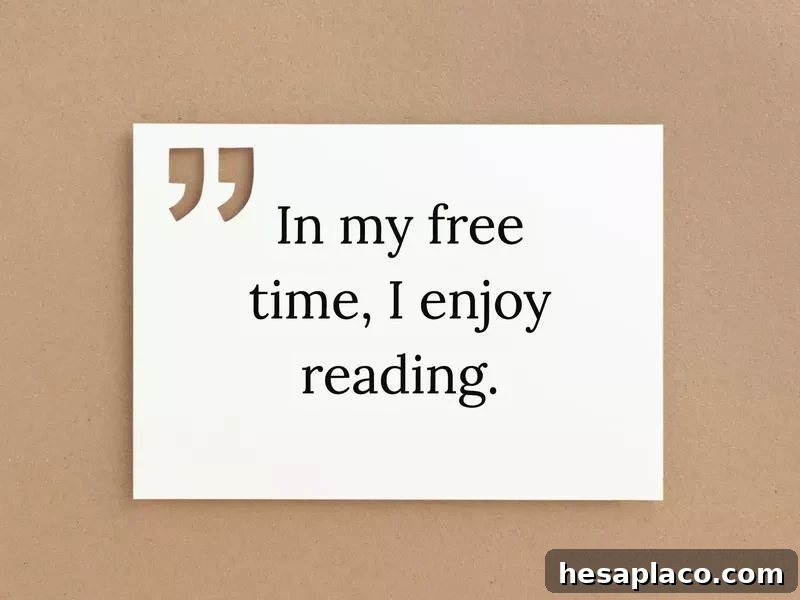
When asked about hobbies, avoid generic answers like “reading.” Be specific: what genres do you read, which trails do you hike, or what sports do you play? Detailed answers are more engaging and can help build rapport with the interviewer.
Don’t Be Negative
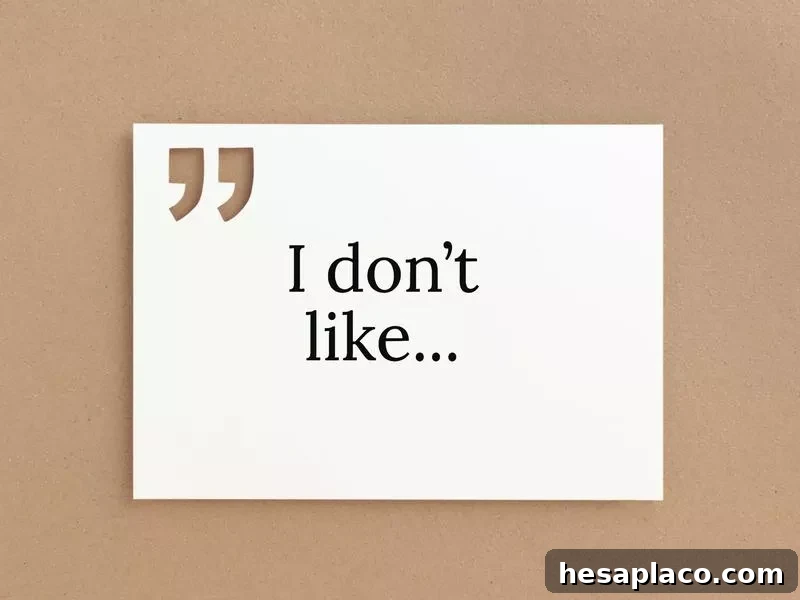
Negative comments about tasks, prior roles, or interests leave a lasting negative impression. Even if you’ve had poor experiences, phrase them constructively and emphasize what you learned or how you grew from those situations.
Don’t Be Late
Arrive about 10–15 minutes early. Being late signals unreliability and makes a poor first impression. If an unavoidable delay occurs, call ahead to notify the interviewer. A prompt heads-up is better than surprising them at the last minute.
Keep It Formal
Use professional phrasing like “I should inform you…” rather than overly casual expressions. Formal language shows you respect the situation and can adapt your communication to a workplace setting.
Don’t Get Too Personal
Share personal details only if they’re relevant to the job. Oversharing can make interviewers uncomfortable. Keep stories concise and focused on how they illustrate your professional strengths or how personal circumstances affect your availability.
The Kiss of Death
Always come prepared with at least one thoughtful question for the interviewer. Asking about the company, team dynamics, or key performance metrics shows curiosity and preparation. Saying you have no questions can make you seem disengaged.
Always Send a Follow-Up Email
After the interview, send a brief thank-you email to express appreciation and reiterate one or two points about why you’re a good fit. Keep it concise—just a short note of gratitude and a single sentence highlighting your fit or enthusiasm. A follow-up leaves a final positive impression and demonstrates professionalism.