
Have you ever felt like you say the wrong thing at work? You share a big idea with your boss or a colleague and instead of the excitement you hoped for, they stare blankly, unsure what you mean.
Your idea might be brilliant, but the way you present it can make the difference between success and failure. Word choice, tone, and confidence shape how others perceive your competence. Phrases like “uhm,” “I just,” or “I’m sorry” may be part of casual speech, but in professional settings they can undermine your authority and make you seem less capable.
Don’t worry — with a few mindful changes to your language, you can communicate more confidently and strengthen your professional presence. Below are 39 commonly used phrases to avoid at work, with clear reasons and better alternatives to help you present yourself more professionally.
Phrase No. 1: Uhh, Umm, Like
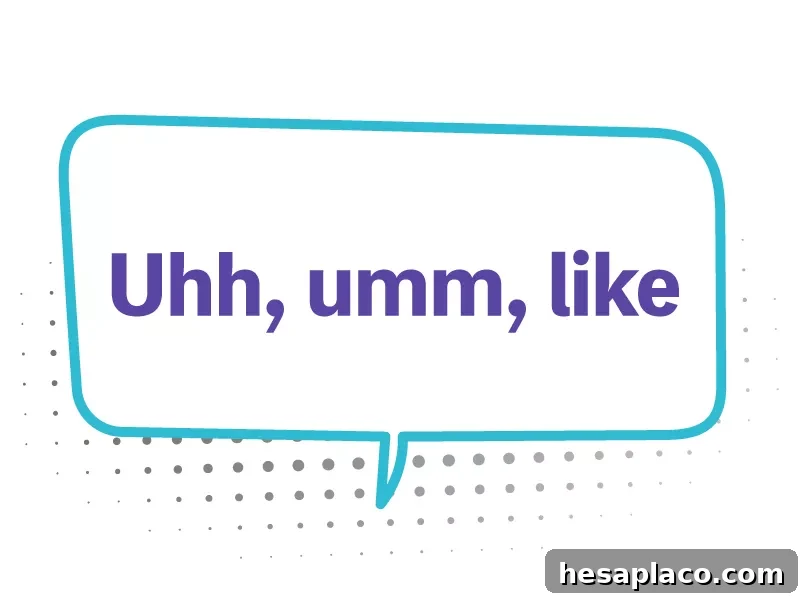
Filler words are common in casual conversation but should be minimized at work. They make you sound uncertain and distract from your message. Use shorter sentences, pause deliberately to collect your thoughts, and focus on clear, confident statements.
Phrase No. 2: I Hate to Bother You, But …
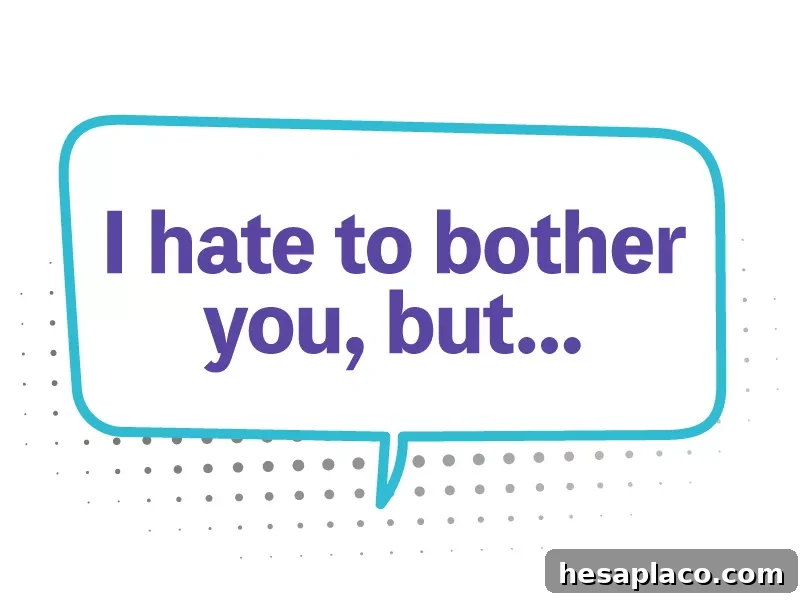
You are not necessarily bothering someone when you ask a job-related question. Phrases that apologize in advance cede control and make it easier for others to dismiss your request. Instead say, “Excuse me, do you have a few minutes to discuss something?” or “When you have a moment, I’d like to talk about X.” These are polite but assertive.
Phrase No. 3: I Just …
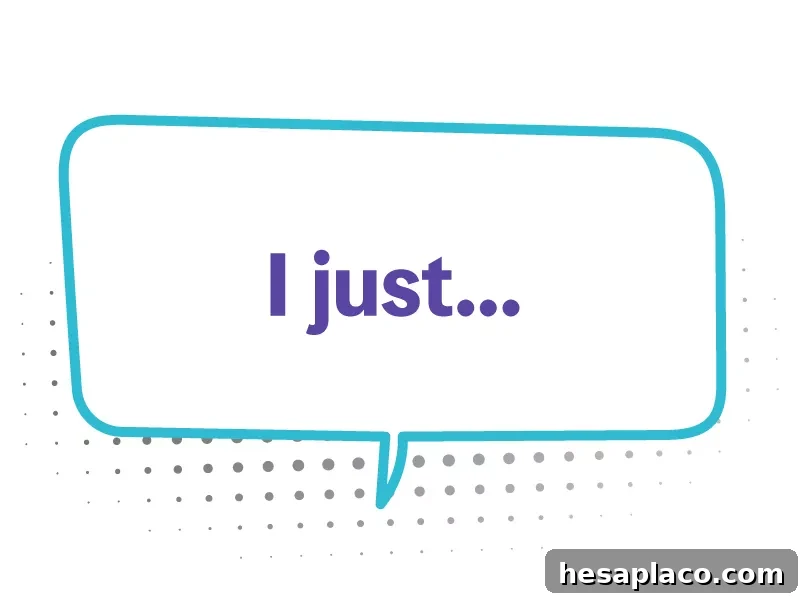
Beginning a sentence with “I just” minimizes your point and sounds like an unnecessary apology. Remove “just” to be more direct and authoritative. Being concise doesn’t make you rude — it makes you clear and professional.
Phrase No. 4: Is That OK?
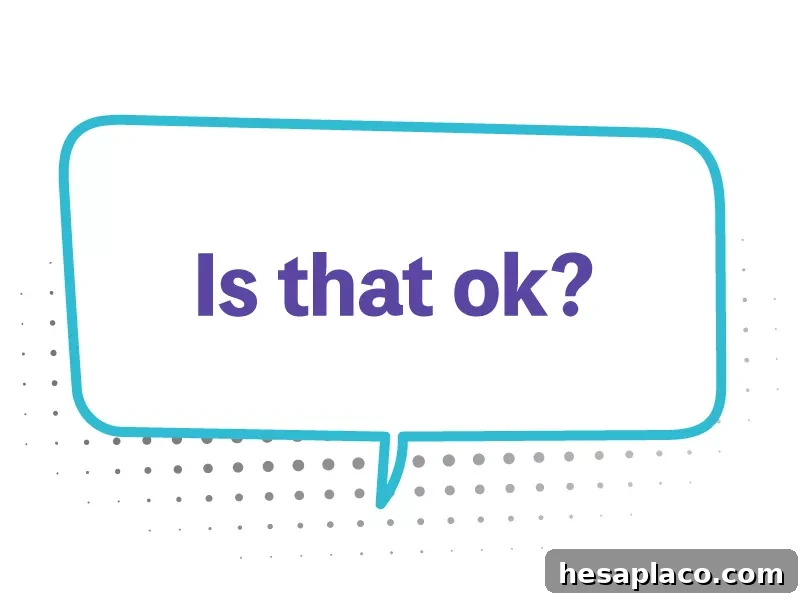
Tagging requests with “Is that OK?” can make you sound insecure. Instead of turning statements into questions, close with: “Let me know if you have any questions.” That wording invites feedback while preserving your confidence.
Phrase No. 5: As a Matter of Fact
This phrase is often longer than necessary and can sound pretentious. Use “actually” when you need to correct something; it’s shorter and clearer.
Phrase No. 6: I’m Sorry, But …
Apologizing for routine requests or for doing your job undermines your value. Replace “Sorry for interrupting” with “Thank you for taking the time to speak with me.” You remain polite without sounding subservient.
Phrase No. 7: It’s Not My Fault
Blaming others or distancing yourself from problems looks defensive and uncooperative. Instead ask how you can help resolve the issue. Team-oriented problem solving reflects leadership and professionalism.
Phrase No. 8: At This Point in Time
This phrase is wordy filler. Say “now” or “currently” to keep your communication clean and direct.
Phrase No. 9: That’s Not My Job
While boundaries are important, responding with “that’s not my job” sounds negative and unhelpful. Discuss priorities with your manager instead: ask which tasks should be prioritized or whether responsibilities can be adjusted.
Phrase No. 10: You’re Wrong
Directly telling someone they’re wrong can be confrontational. A more constructive approach is: “I disagree — here’s why. What do you think?” That invites dialogue while asserting your viewpoint.
Phrase No. 11: I Don’t Know
Admitting you don’t know is honest, but offer alternatives: provide what you do know, propose where to find the answer, or direct the person to someone who can help. Helping move the conversation forward demonstrates resourcefulness.
Phrase No. 12: You Guys
A bit of formality improves professional credibility. Replace casual phrases like “you guys” with “the team,” “everyone,” or specific names when appropriate.
Phrase No. 13: I’m Available Any Time That’s Convenient for You
Claiming full availability isn’t always truthful and can lead to scheduling conflicts. State your actual availability and propose a few options to minimize back-and-forth and show organizational respect.
Phrase No. 14: That’s Impossible.
Responding “that’s impossible” shuts down creativity. Instead, outline constraints and offer alternative solutions or a plan for how it might be achievable.
Phrase No. 15: I Think …
“I think” weakens a statement. When appropriate, choose firmer language like “I believe” or simply state your point confidently. Positive self-talk helps eliminate tentative phrasing.
Phrase No. 16: This Might Sound Stupid, But …
Prefacing an idea with self-deprecation undermines it. If you value the idea, present it with enthusiasm — confidence makes others more likely to listen.
Phrase No. 17: Am I Making Sense?
Asking this can reveal insecurity. If you need confirmation, end with “I look forward to your feedback” or pause and invite questions. That conveys assurance while staying open to input.
Phrase No. 18: Basically
Cut filler words that add no value. Terms like “basically” or “essentially” often dilute your message. Be concise and precise; people appreciate clarity.
Phrase No. 19: In the Process of
Swap passive or roundabout phrases for action verbs. Instead of “in the process of training,” say “I am training the new employees.” Active language shows ownership and capability.
Phrase No. 20: Hopefully, I’ll Be Able to Get It Done
“Hopefully” weakens commitments. If timing is uncertain, be transparent about your workload and offer a realistic completion date. That builds trust and manages expectations.
Phrase No. 21: I’m Worried
It’s normal to feel concern, but telling your manager you’re worried can make you appear unprepared. Frame concerns as specific risks and propose mitigation steps instead.
Phrase No. 22: I Guess
“I guess” suggests uncertainty. If you’re unsure, qualify your comment with facts or say, “Based on X, I recommend…” Confident phrasing builds credibility.
Phrase No. 23: Would You By Any Chance
Overly tentative requests can invite being overlooked. Be polite but clear: state what you need and why, and ask directly for help or approval.
Phrase No. 24: I Could Do That
This phrase can sound noncommittal. If you intend to take it on, show enthusiasm and confirm next steps. Clear commitment makes collaboration smoother.
Phrase No. 25: I’m No Expert, But …
Prefacing advice with self-doubt reduces your credibility. If you have useful insight, present it confidently while acknowledging where you might not have full expertise.
Phrase No. 26: What If We Tried
Framing proposals as tentative questions can make them easier to dismiss. Present ideas clearly and confidently, then invite feedback to refine them collaboratively.
Phrase No. 27: I Can’t
Rather than a blunt “I can’t,” say “I won’t be able to do that by X” or “I can do this if we reprioritize Y.” This shows boundaries without closing off solutions.
Phrase No. 28: I’m Confused
Instead of saying you’re confused, request clarification: “Could you walk me through that part?” or “Can you provide more detail on X?” That signals curiosity and engagement rather than helplessness.
Phrase No. 29: I Need
“I need” can come across as needy or demanding. Phrase requests as required resources or next steps: “To complete this, I’ll need X by Y.” That communicates what’s necessary without sounding dependent.
Phrase No. 30: Why Me?
Reacting like a victim when assigned tasks damages perceptions of readiness and leadership. Instead, ask about expectations and offer how you’ll approach the work.
Phrase No. 31: I Never
Absolute denials such as “I never said that” or “I never saw the memo” can signal inflexibility. Own what you can and clarify misunderstandings constructively.
Phrase No. 32: That’s Good Enough
Accepting mediocrity undermines ambition and standards. Aim for excellence and encourage improvements when possible; this reflects dedication and leadership.
Phrase No. 33: I’ll Try
“I’ll try” sounds noncommittal. Replace it with “I will” or “I can” when you intend to follow through, or specify constraints and propose alternatives if you cannot.
Phrase No. 34: Whatever
Indifferent responses like “whatever” suggest disengagement. Show professional interest by acknowledging choices and explaining your preference when relevant.
Phrase No. 35: That’s Kind of What I Mean
Hedging phrases like “kind of” dilute your message. Be precise: restate or clarify your point directly to reinforce confidence and clarity.
Phrase No. 36: I Think It Could Work, Except
Using “except” to soften disagreement often just delays clarity. If you disagree, state your concern respectfully and suggest an alternative. Being candid and kind is more effective than hedging.
Phrase No. 37: I Hope to Hear From You Soon
In emails, show confidence by saying “I look forward to hearing from you” rather than “I hope,” which can sound uncertain. Confident closings reinforce professionalism.
Phrase No. 38: This Will Only Take a Minute
Vague time estimates can be frustrating. Be specific about how long a task will take: “Will this take 20 minutes or 45 minutes?” Clear expectations respect everyone’s time.
Phrase No. 39: I Don’t Have the Time to Do That
Saying you don’t have the time can sound dismissive. Offer a solution: propose priorities, negotiate deadlines, or suggest an alternative resource. That shows you’re in control and collaborative.
Small language shifts can transform how others perceive you at work. Replace tentative, apologetic, or vague phrasing with clear, action-oriented, and respectful alternatives. Over time, these changes will help you sound more confident, be taken more seriously, and open opportunities to lead and influence.