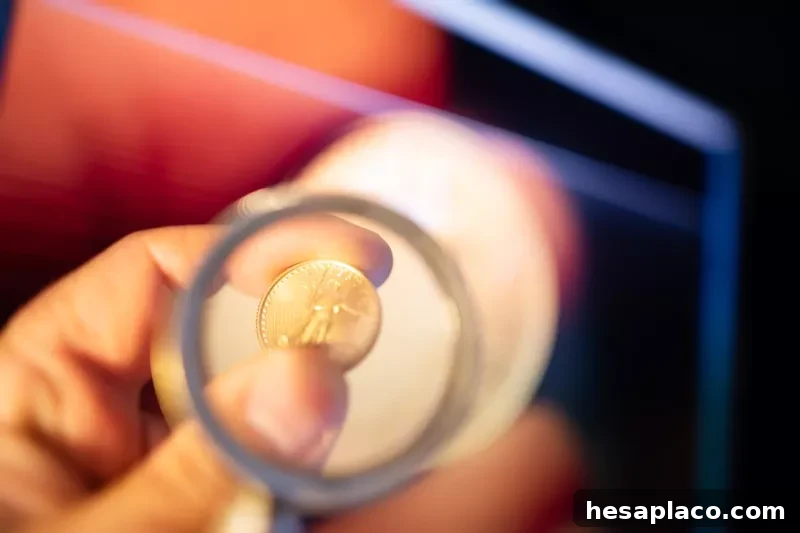
The United States has issued many coins and paper bills over its history that are no longer in circulation. Some of these pieces are highly valuable to collectors, while others are appealing entry points for those just getting into currency collecting.
From fractional notes and small silver “fish scale” coins to rare high-denomination banknotes and gold issues, these discontinued U.S. coins and bills (presented roughly from least to most expensive) illuminate changing economic conditions, technology, and public needs across American history.
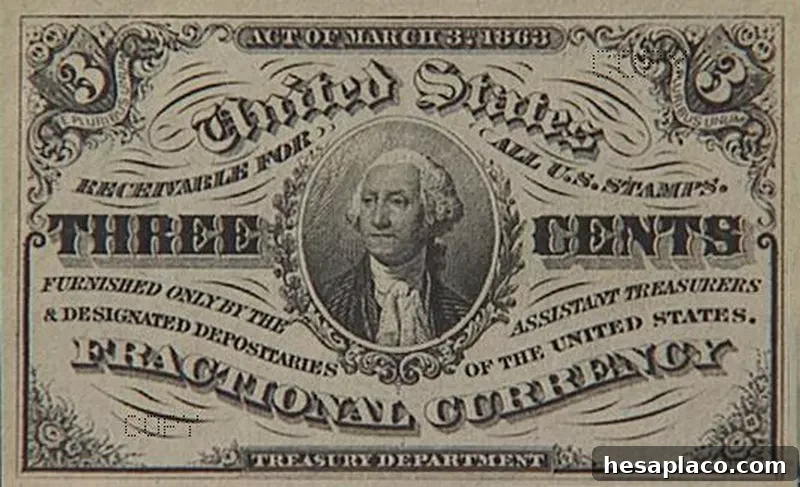
3-Cent Note
Wikipedia
Years used: 1862–1876
Current value: $10–$200
Summary: During the Civil War, coin hoarding led to a shortage of small change. The government issued fractional currency, including the 3-cent note featuring George Washington. These small notes temporarily replaced coins for everyday transactions.
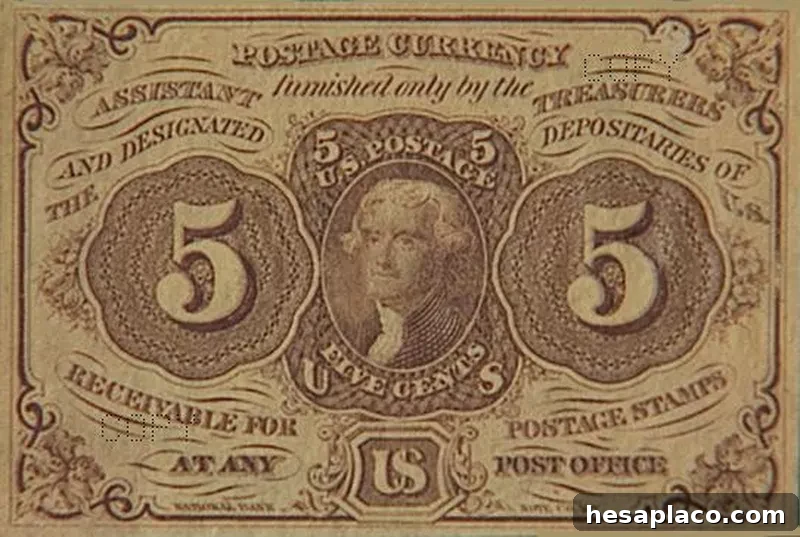
5-Cent Note
Wikimedia Commons
Years used: 1862–1876
Current value: $10–$200
Summary: Also part of the Civil War-era fractional currency, the 5-cent note served as small change for everyday purchases—enough to buy basic groceries at the time.
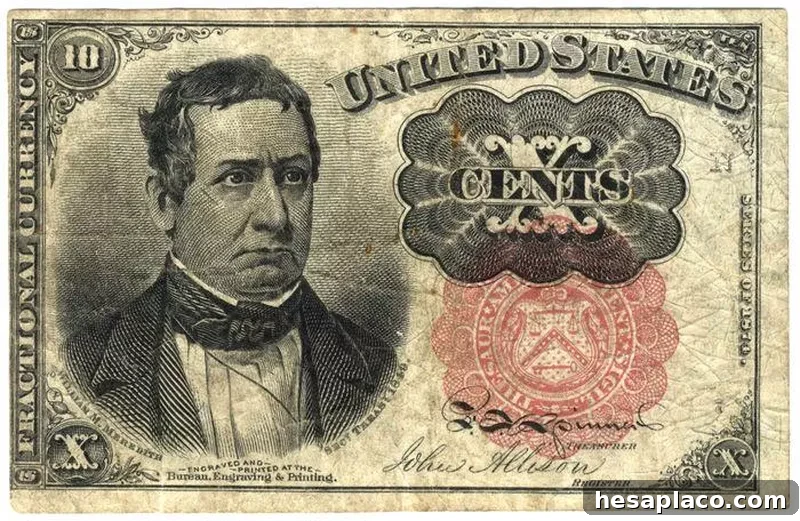
10-Cent Note
Wikipedia
Years used: 1862–1876
Current value: $10–$200
Summary: These small “paper coins” or “postage currency” lacked serial numbers and were smaller than regular notes. The 10-cent fractional note shows William M. Meredith, a mid-19th-century Secretary of the Treasury.
15-Cent Note
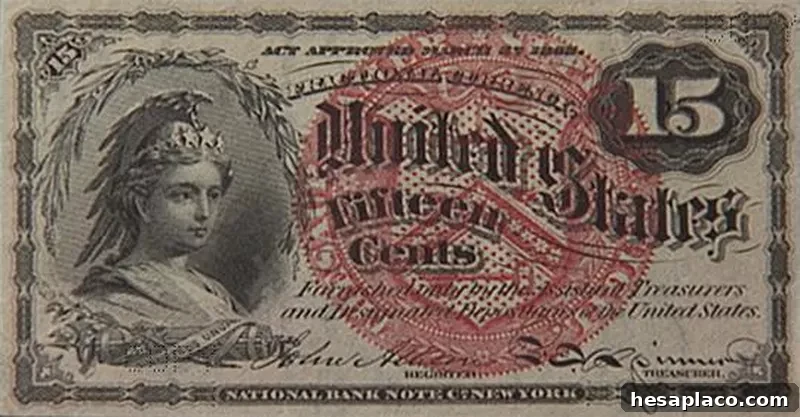
Wikipedia
Years used: 1862–1876
Current value: $10–$200
Summary: These fractional notes were commonly called “shinplasters.” They circulated heavily during and after the Civil War but lost most of their purchasing power by the late 19th century.
25-Cent Note
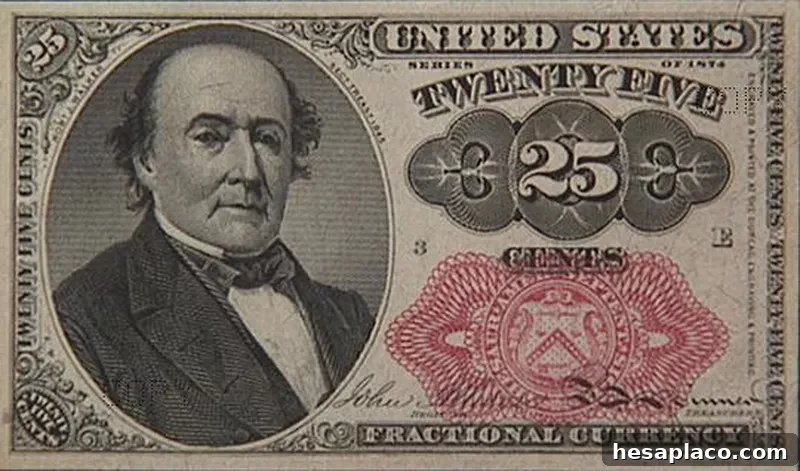
Wikipedia
Years used: 1862–1876
Current value: $10–$200
Summary: Fractional currency like the 25-cent note helped distinguish paper change from postage stamps, which were also accepted in trade during the shortage of small coins.
50-Cent Note
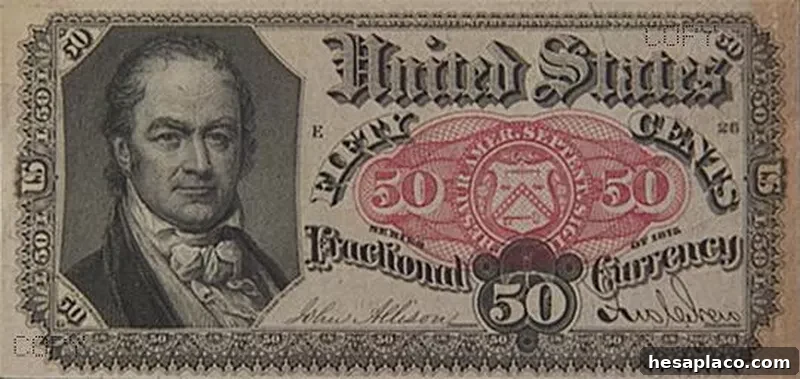
Wikipedia
Years used: 1862–1876
Current value: $10–$200
Summary: The 50-cent fractional note, the highest-denomination fractional issue, shows William H. Crawford. Most fractional currency was redeemed and destroyed once coinage shortages ended; only a small percentage survives in collections.
3-Cent Nickel
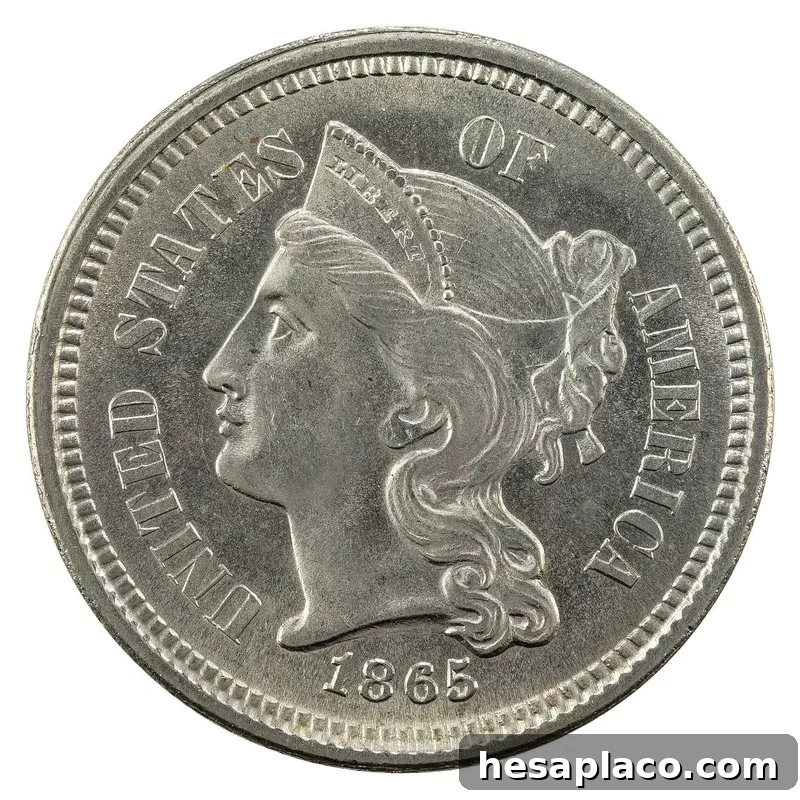
Wikipedia
Years used: 1865–1889
Current value: $15–$250
Summary: The three-cent nickel addressed postal rate changes and coin-production costs. Although called a “nickel,” the coin contains mostly copper; the name reflected its lighter, paler appearance compared with large cents.
Trime (Three-Cent Silver)
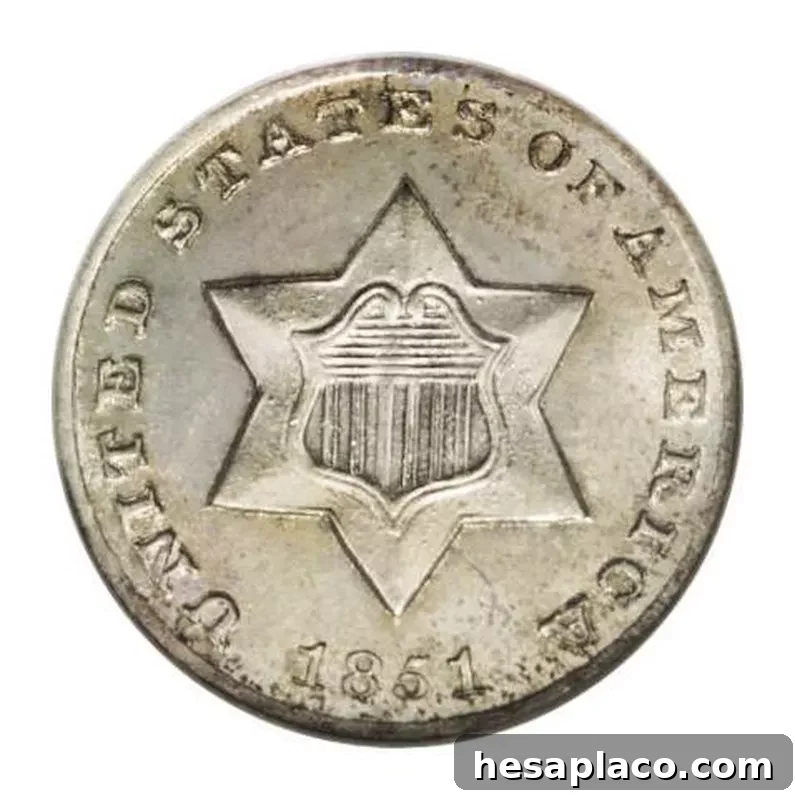
Wikipedia
Years used: 1851–1873
Current value: $25–$600
Summary: Nicknamed “fish scales” for their tiny size, these three-cent silver coins were 75% silver and originated during the Gold Rush. They became less common after Congress adjusted silver content and coinage standards.
20-Cent Piece
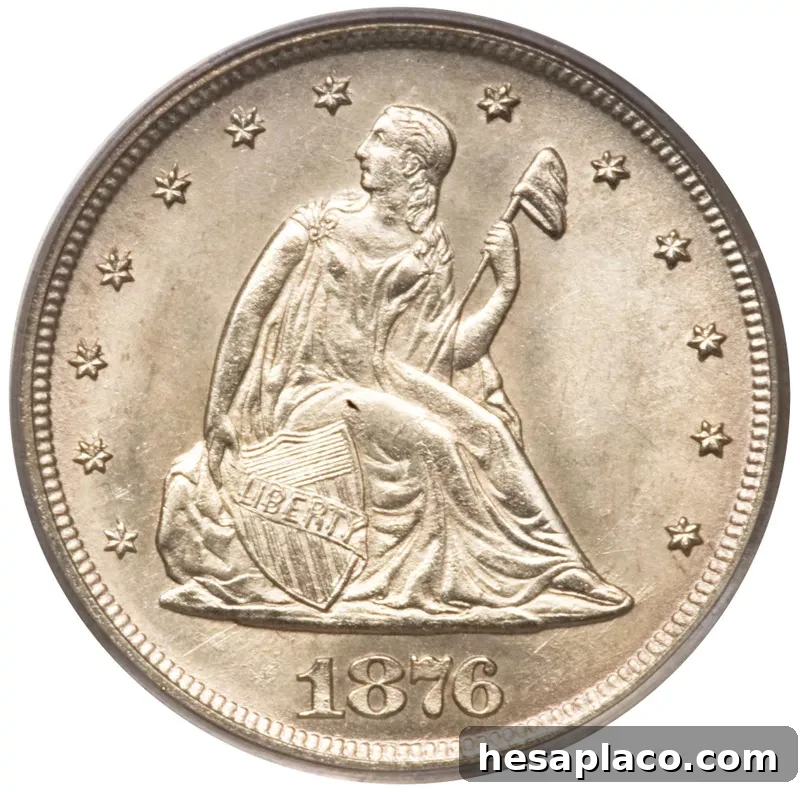
Wikipedia
Years used: 1875–1878
Current value: $229–$1,029
Summary: The 20-cent coin was short-lived because it resembled the quarter closely in size, causing confusion. Proposed to ease small-change shortages out West, it never achieved lasting popularity and many were melted down.
$500 Bill
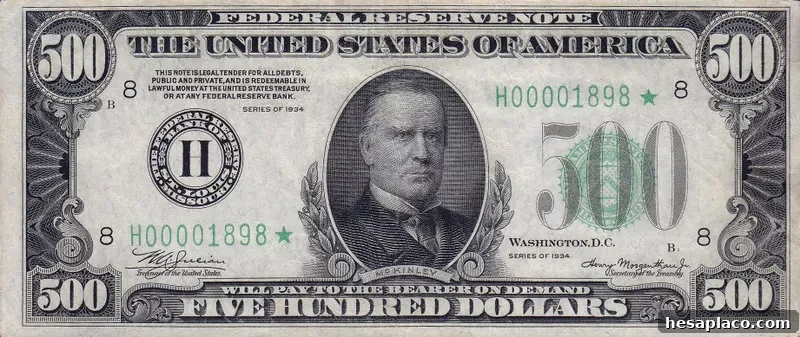
Wikipedia
Years used (Federal): 1861–1969
Current value: $550–$1,600
Summary: State-issued $500 notes existed in the 18th century, but federal issues began in 1861. Although discontinued in 1969, they remain legal tender. Fewer than 75,000 of some series survive, making them chiefly items for collectors.
3-Dollar Piece
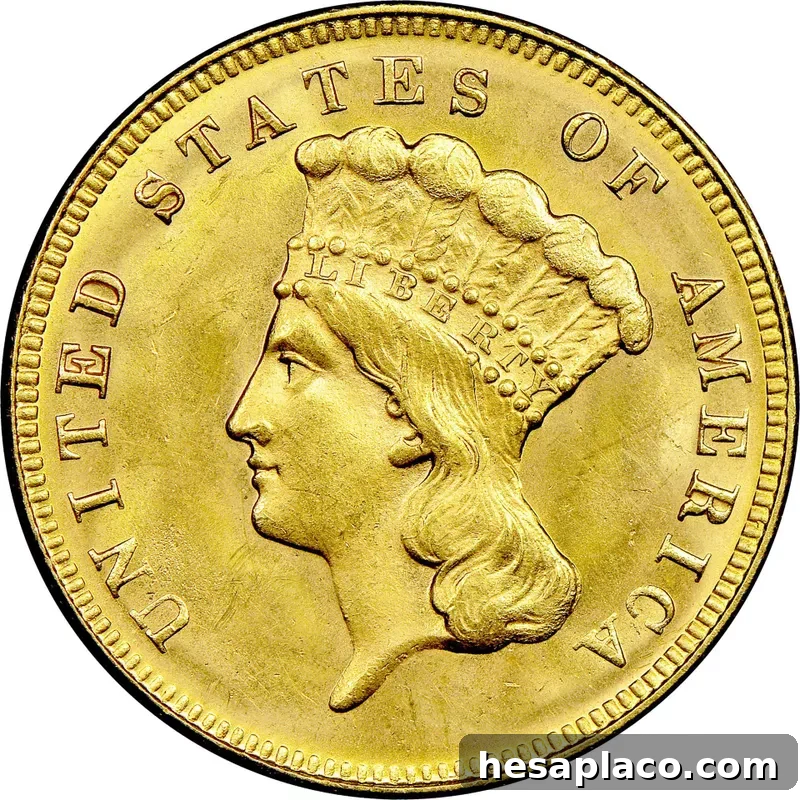
Wikipedia
Years used: 1854–1889
Current value: $700–$3,500+
Summary: The three-dollar gold coin was useful for buying postage—first-class stamps cost three cents—so a single coin could buy many stamps. Only a modest number were minted over its life, making certain dates scarce.
Half Dime
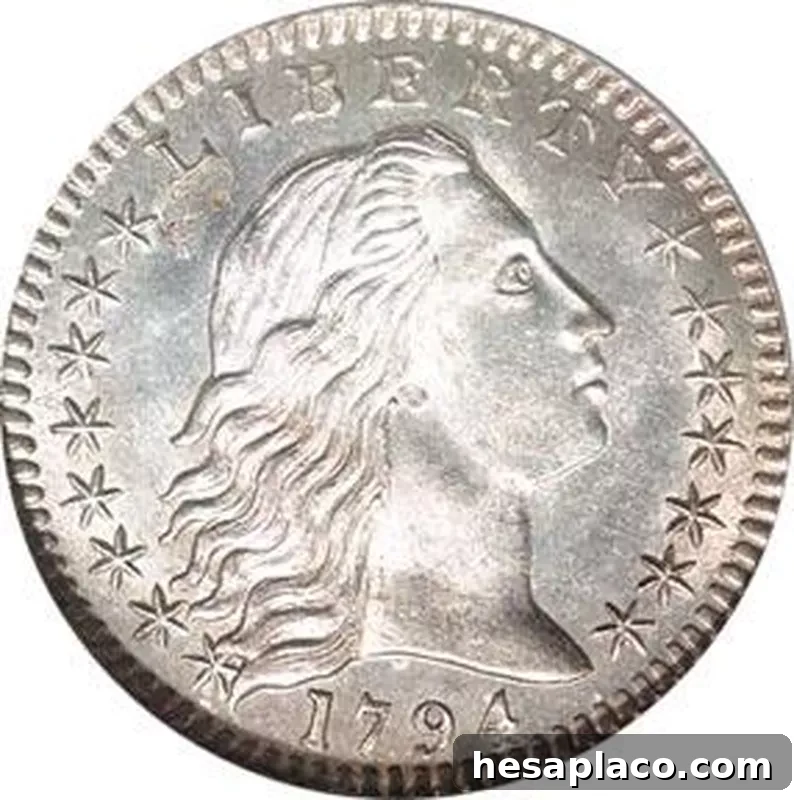
Wikipedia
Years used: 1792–1873
Current value: $15–$4,500
Summary: The half dime (or “half disme”) was a small silver coin and among the first struck by the U.S. Mint. As nickel coinage became common, silver minuscule denominations like the half dime were phased out.
Half Eagle
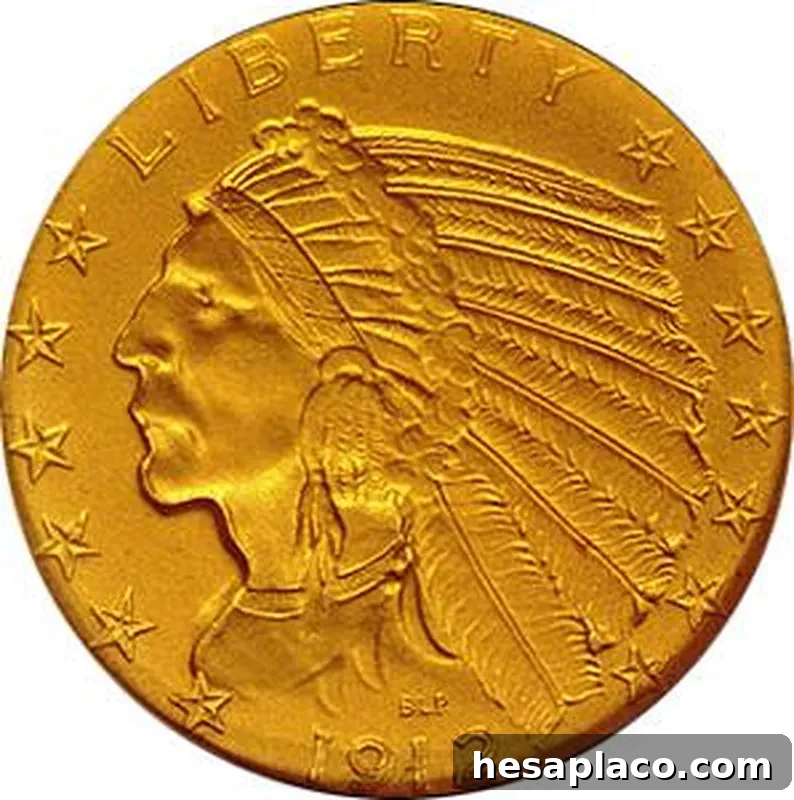
Wikipedia
Years used: 1795–1929
Current value: $650–$6,795
Summary: The half eagle was the first U.S. gold coin with a $5 face value. Examples struck at certain branch mints (Dahlonega, Charlotte, Carson City) and earlier dates are scarcer and more valuable to collectors.
Eagle
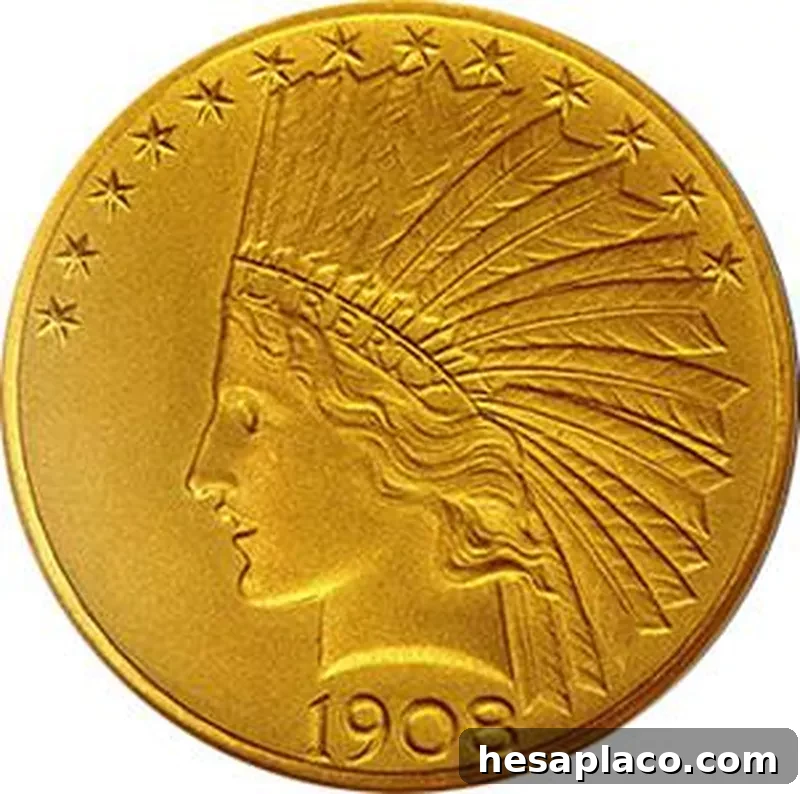
Wikipedia
Years used: 1792–1933
Current value: $1,000–$7,500
Summary: The gold eagle carried a $10 face value. Gold coins were withdrawn from circulation in 1933; later commemorative and bullion issues used other metals and distinct designs for collectors and investors.
$1,000 Bill
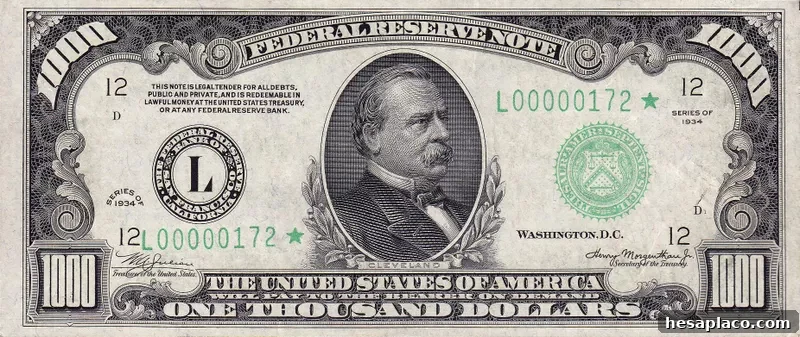
Wikipedia
Years used (Federal): 1861–1969
Current value: $5,000–$12,000
Summary: The last $1,000 bills were printed in 1945 and officially discontinued in 1969. Their removal was partly due to infrequent use and concerns about illicit transactions. Some series portray Grover Cleveland; others featured Alexander Hamilton in earlier issues.
Half Cent
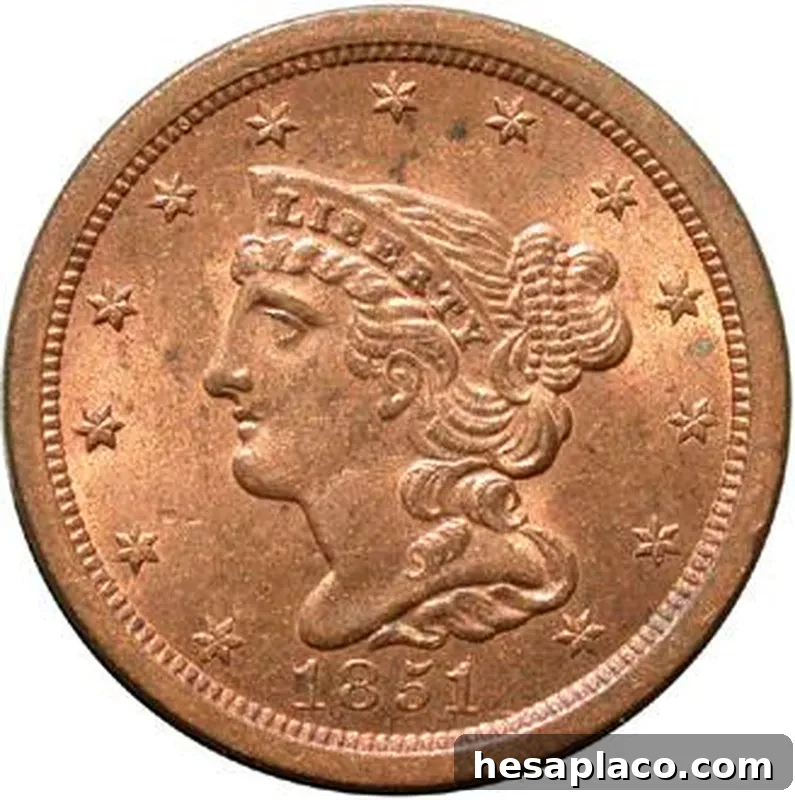
Wikipedia
Years used: 1793–1857
Current value: $42–$17,250+
Summary: The half cent is the smallest-denomination U.S. coin ever minted (one two-hundredth of a dollar). Struck in copper, it served everyday commerce in the early republic; surviving specimens are rare and sought after.
$5,000 Bill
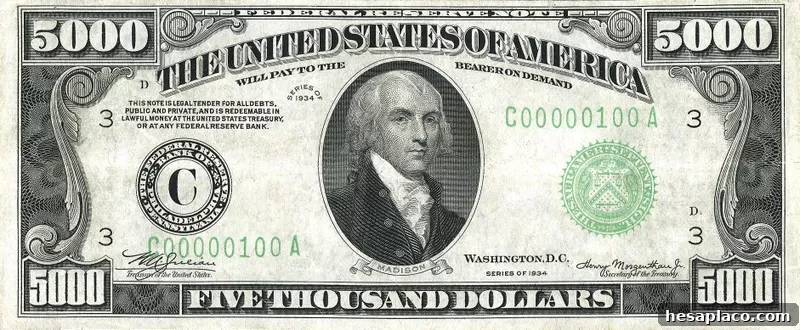
Wikipedia
Years used (Federal): 1861–1969
Current value: $30,000–$100,000
Summary: Fewer than 400 $5,000 notes remain, most in museums or private collections. Because they were rarely used in daily commerce, many surviving examples are in uncirculated condition and command high auction prices.
Large Cent
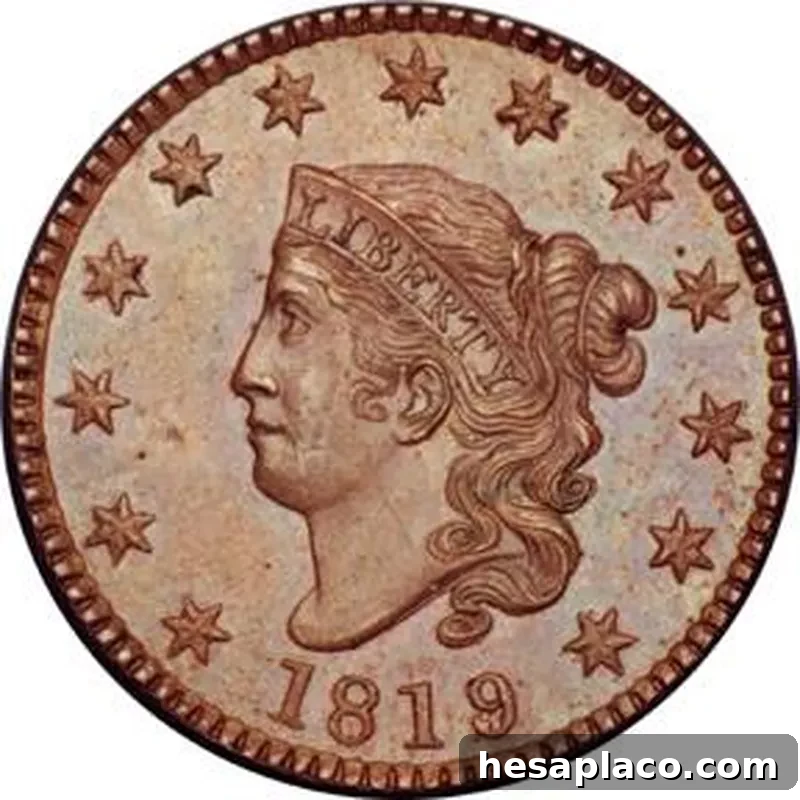
Wikipedia
Years used: 1793–1857
Current value: $20–$125,000
Summary: Known today simply as large cents, these pennies were about the size of a half dollar. They were among the earliest and most widely produced U.S. coins; surviving examples from certain years and in high grade can be extremely valuable.
$10,000 Bill
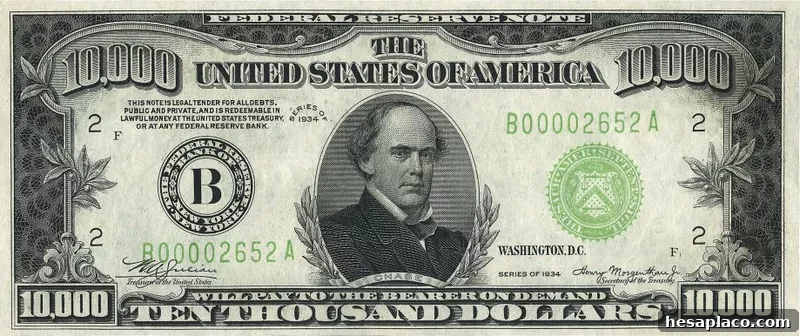
Wikipedia
Years used: 1918–1969
Current value: $30,000–$140,000
Summary: The $10,000 bill features Salmon P. Chase and was rarely used by average Americans. Only a few hundred survive today, making them prized by collectors and historical institutions.
Gold Dollar
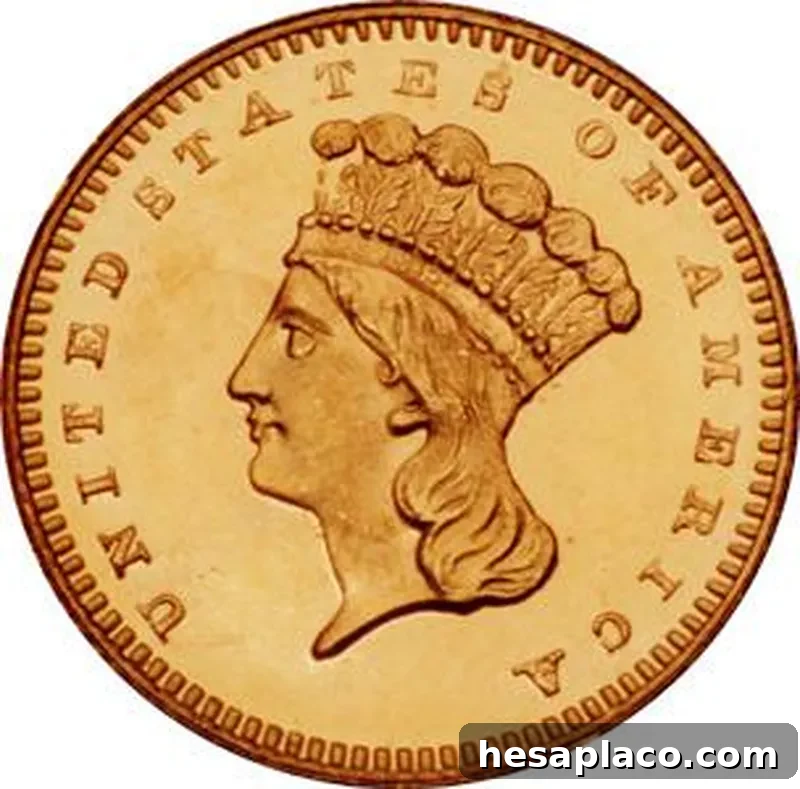
Wikipedia
Years used: 1849–1889
Current value: $200–$275,000
Summary: Introduced around the California Gold Rush, the gold dollar lost favor as coinage standards changed and much of the series was hoarded or melted during the Civil War. By the late 19th century the denomination was discontinued.
Quarter Eagle
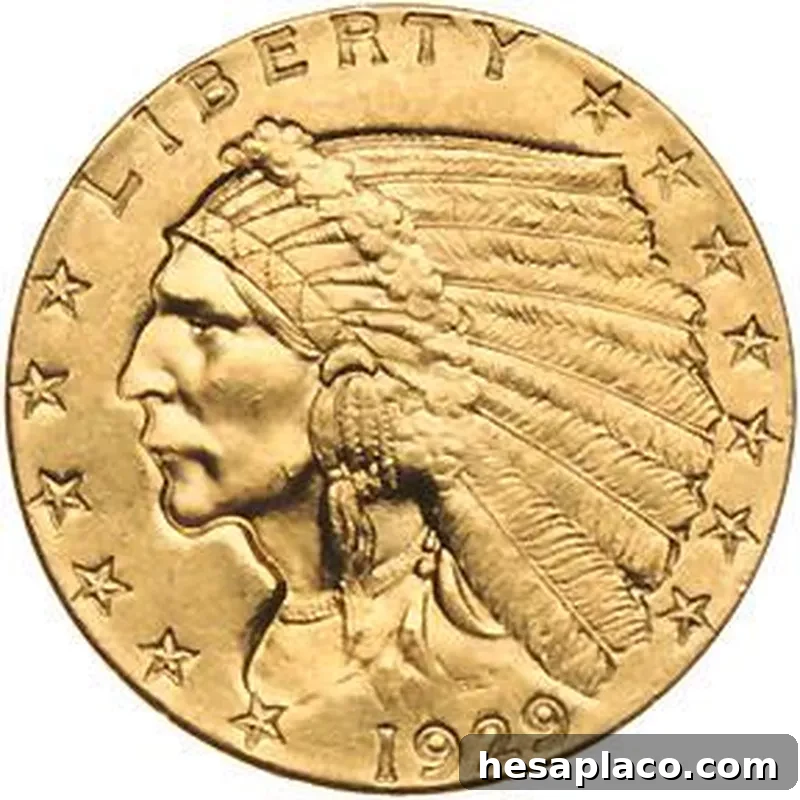
Wikipedia
Years used: 1796–1933
Current value: Up to $2.4 million
Summary: The $2.50 gold quarter eagle underwent design and composition changes, especially in 1834 when many earlier pieces were melted and reissued with less gold. Early dates and mint marks make some examples extremely valuable today.
Double Eagle
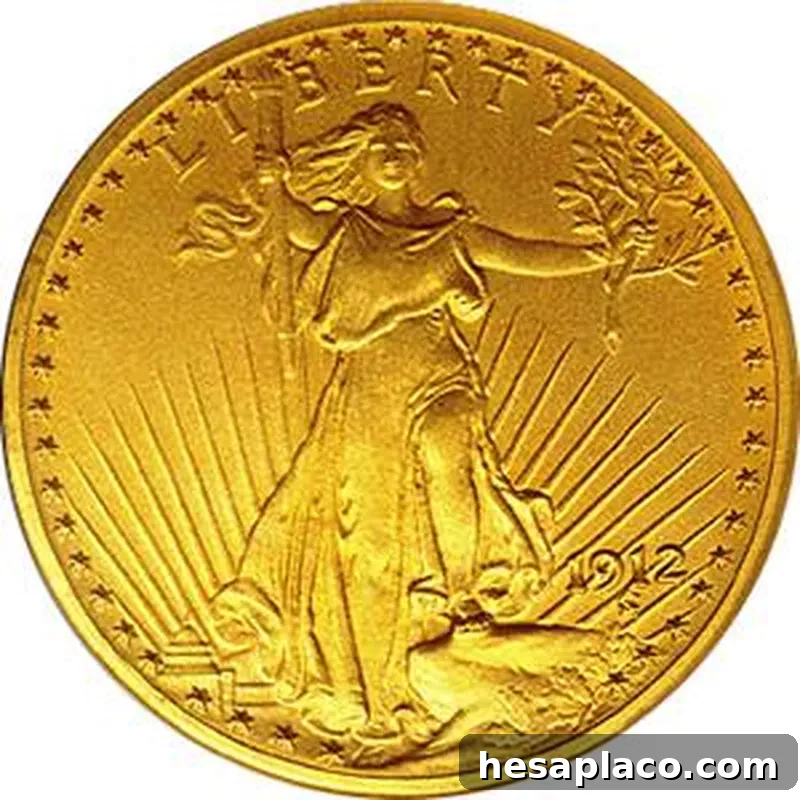
Wikipedia
Years used: 1849–1933
Current value: Record sales up to $18.8 million
Summary: The $20 double eagle, struck in 90% gold, is among the most famous and valuable U.S. coins. The Saint-Gaudens design is especially prized. Many were withdrawn after 1933 when private gold ownership laws changed; a few extremely rare examples have set world records at auction.
$100,000 Bill
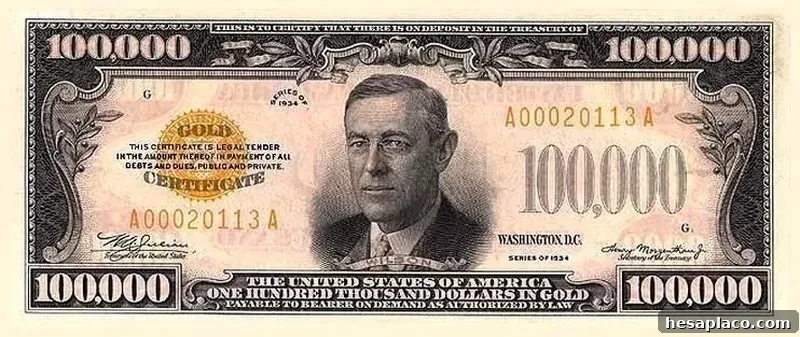
Wikipedia
Years used: 1934–1969
Current value: N/A
Summary: The $100,000 gold certificate was never released for public use; it facilitated large transactions between Federal Reserve Banks. Private ownership is prohibited, and copies held by the Treasury and archives are essentially priceless from a collector standpoint.
These discontinued coins and banknotes reflect changing monetary policy, technology, and economic pressures across American history. Collectors prize certain dates, mint marks, and preservation conditions, and even modestly priced examples tell stories about daily life, commerce, and crisis in past eras.