
Selling a home can be stressful. On average, sellers wait about 2.8 months between listing a property and closing the sale. More than 30 percent temporarily remove their home from the market during the process. Sellers typically hold around 1.9 open houses and receive just 2.5 offers on average—one of those offers is likely to fall through, according to a Zillow Group report. While many homeowners accept whatever offer comes at the end, some are pleasantly surprised when their property sells for more than the original asking price.
Starting a Bidding War
Selling above the list price isn’t just luck. The October 2016 Zillow report on homebuying trends found common behaviors among sellers who achieved sales two percent or more above list price. Realtors also use specific strategies to generate competitive offers. Achieving a sale above list price means the seller and buyer took deliberate steps to remove obstacles and create strong demand.
Below are the actions homeowners who sold above list price commonly took, along with practical tips to maximize your chances of receiving top offers.
Figure Out What Your Home Is Worth
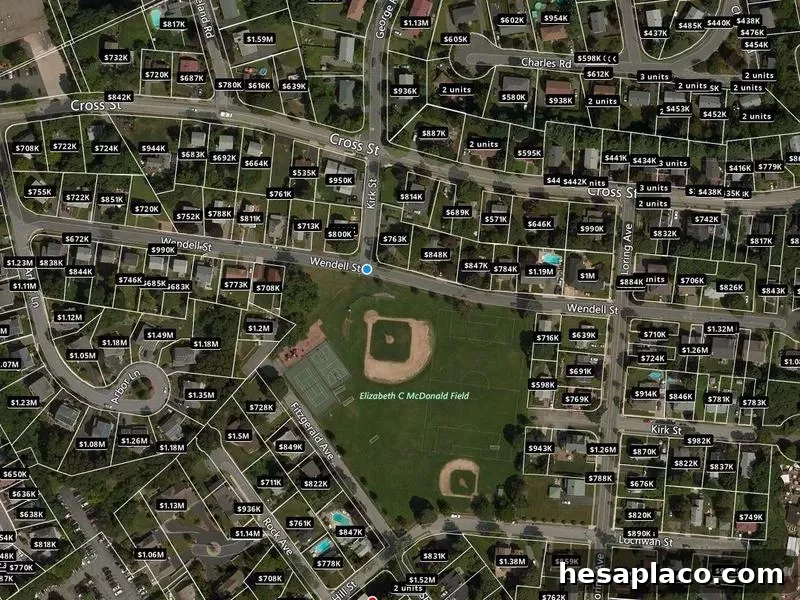
Websites, including Zillow and Trulia, let you see estimated home values on a local map. Zillow
Preparation matters. Zillow reports that 71 percent of homeowners who sold above list price researched the local market in advance. They talked with neighbors, consulted real estate agents and recent buyers, checked online valuation tools, and 31 percent hired an appraiser for an accurate valuation. Understanding market conditions and comparable sales before you list helps you set a price that attracts serious buyers while leaving room for competitive offers.
Hire An Agent

Getty Images
One of the strongest predictors of selling above list price: using an agent. Ninety percent of sellers who achieved above-list sales worked with an agent. They didn’t pick the first person they found—68 percent interviewed at least two agents and reviewed each candidate’s recent sales and local reputation. A knowledgeable, well-connected agent can position your home effectively, attract qualified buyers, and negotiate better terms.
Pay For A Preemptive Inspection
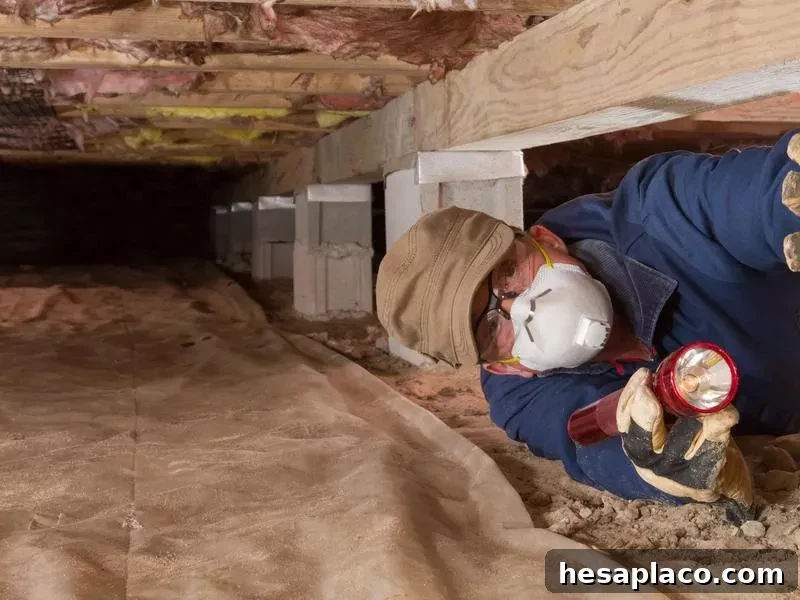
Getty Images
Hiring a home inspector before listing uncovers issues that could derail a sale. Fixing major maintenance items—such as a roof, plumbing, or electrical problems—reduces the risk buyers will back out after inspection. This matters because buyers paying a premium typically insist on inspections: in 86 percent of above-list sales, buyers ordered inspections before closing. Addressing concerns up front makes your sale more reliable and appealing.
Make Updates
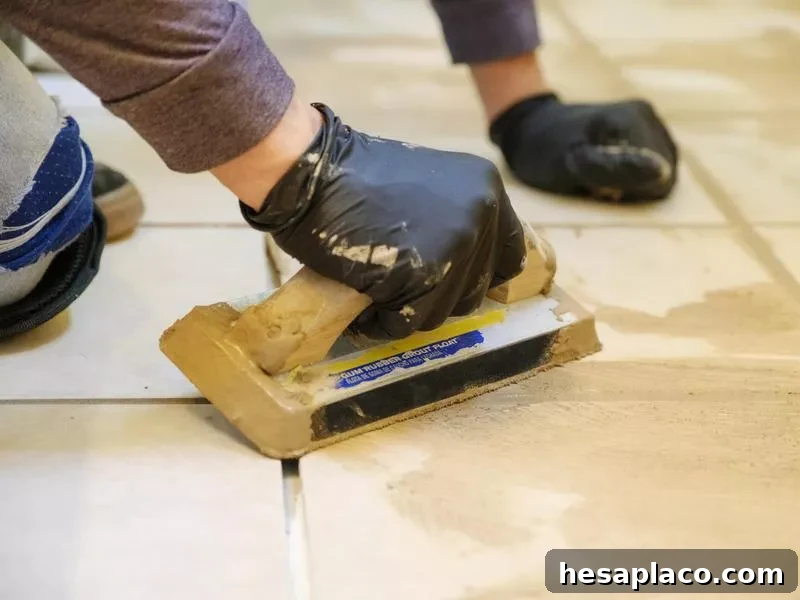
Getty Images
Sellers who earned higher offers were 50 percent more likely to have completed meaningful updates. Upgrades to kitchens and roofs were particularly common; these sellers were 20 percent more likely to update kitchens and roofs and 8 percent more likely to update bathrooms. Cosmetic or minor deferred-maintenance issues can push buyers to make lower offers, while well-executed, high-impact updates can justify stronger bids.
Don’t Skimp On Maintenance
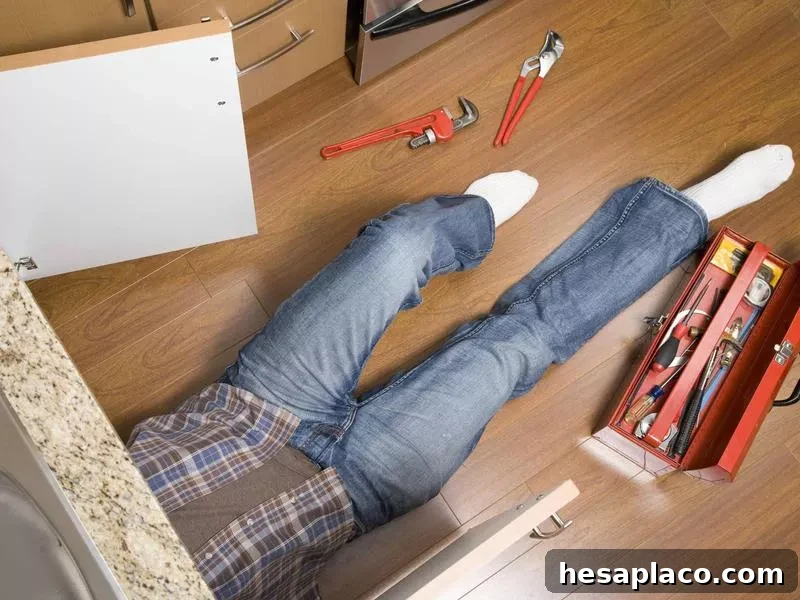
Getty Images
Buyers notice small signs of neglect—uneven landscaping, a dripping faucet, or rusty gutters can suggest larger problems. Basic maintenance boosts curb appeal and buyer confidence. Simple tasks like pruning shrubs to let in light, touching up paint on the front door, or repairing visible wear can make a big difference: first impressions matter, and buyers often form opinions within seconds of entering a house.
Online Appeal Is The New Curb Appeal
Zillow
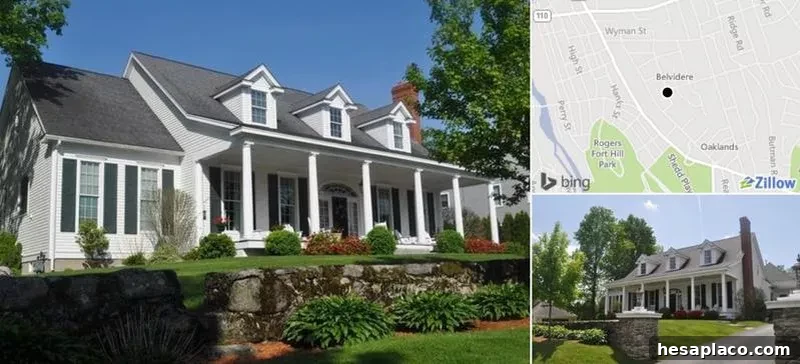
Today, buyers decide whether to tour a home based on online listings. High-quality photography, virtual tours, and video—sometimes including drone footage—can dramatically increase interest. Investing in professional photos and staging for your listing helps your property stand out and draws more showings from serious buyers.
Dust Off The 35mm Camera

Getty Images
Professional photography matters. While some sellers try to save money by taking their own photos, top agents and photographers warn that professional images can make a huge difference in perceived value. If you take photos yourself, avoid cell phone snapshots, shoot at times of day when light flatters the rooms, and never use direct flash for interiors. High-quality images attract more viewings and better offers.
Set the Stage

Getty Images
Professional staging helps buyers envision living in the space. In the Zillow report, 26 percent of sellers who received offers above list price had paid for staging. Stagers declutter, arrange furniture to highlight flow and function, and choose neutral accents that appeal to a broad audience. Sellers should be prepared to pack or store personal items so the home shows at its best.
Take Control Of The Process
Getty Images
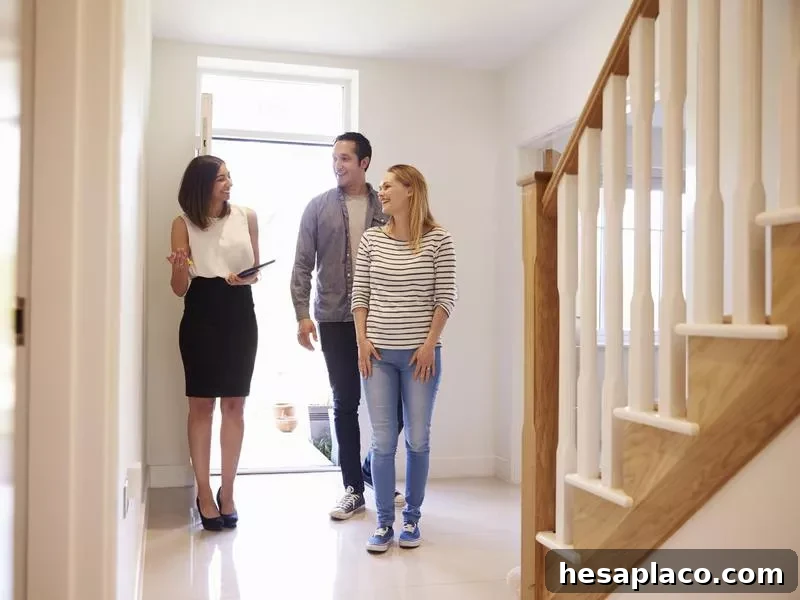
Among sellers who achieved above-asking offers, 82 percent held at least one open house. When initial efforts didn’t deliver the desired result, 26 percent pulled their listing and reintroduced it later to restart interest. You don’t need a bidding war to exceed list price—27 percent of these sellers got a single strong offer, while 24 percent received four or more offers. Being proactive—adjusting strategy, timing, or presentation—can lead to better outcomes.
Be Counterintuitive
Strategic pricing can spark competition. Pricing a home slightly below market—commonly five to ten percent under—can attract more interest and sometimes trigger a bidding war that pushes the final price above market value. However, this approach depends on local market conditions. In overheated markets it can still work, but in cooling markets or places with stretched affordability, sellers should be cautious: pricing too low can backfire, leaving sellers disappointed if the expected premium doesn’t materialize.
In short, selling above list price usually results from preparation, smart investments, and strategic marketing: know your market, hire the right agent, address maintenance and inspection concerns, invest in impactful updates and presentation, and price with purpose. These steps remove obstacles and create the conditions buyers need to compete for your home.