
Skills don’t disappear overnight, but demand for them can steadily decline as automation, AI, and shifting habits reshape how we work and live. Many abilities that once felt essential are now used less often or reserved for niche contexts. If your role depends on any of these 15 fading skills, consider how to adapt so your expertise remains valuable.
Manual Data Entry

Credit: Getty Images
Entering numbers and records by hand used to be a routine office task. Today, intelligent automation tools—from workflow platforms to AI assistants—handle repetitive data tasks faster and with fewer errors. Organizations increasingly implement systems that sync data in real time, reducing the need for dedicated data-entry roles and shifting human work toward exception handling and analysis.
Basic Customer Support Responses

Credit: Getty Images
Routine customer inquiries that once required an entire support team are increasingly resolved by automated systems. Chatbots, virtual agents, and AI-driven help centers triage and often resolve common questions without human intervention, leaving people to handle complex cases, relationship-building, and strategic problem-solving.
Typing Fast

Credit: Getty Images
High words-per-minute scores remain impressive, but autocorrect, predictive text, and accurate voice-to-text have reduced the practical need for blazing typing speed. Many people now interact primarily through touchscreens, voice, or short-form interfaces, so raw typing speed is less important for everyday productivity.
Developing Film

Credit: pexels
Analog film processing has largely been overtaken by digital photography and smartphone cameras, which offer instant capture and AI-assisted editing. While analog techniques remain valued in art and education for their tactile qualities, most photographers and consumers prefer the speed and flexibility of digital workflows.
Simple Website Coding

Credit: Canva
Building a basic website used to require manual HTML, CSS, and JavaScript. Modern site builders and AI-driven platforms let users create polished sites from simple prompts, shifting professional focus toward architecture, integrations, accessibility, and business logic rather than routine front-end coding tasks.
Memorizing Phone Numbers

Credit: iStockphoto
Remembering phone numbers was once a basic skill. Now, smartphones automatically store and back up contacts, so most people rarely commit numbers to memory. While this is convenient, it can present problems in situations where devices are unavailable or during emergencies.
Bookkeeping by Hand

Credit: Getty Images
Manual ledger-keeping has given way to cloud accounting software that automates calculations, invoicing, and reporting. Tax authorities accept digital filings and advisory services now emphasize interpretation, planning, and strategy, while routine reconciliations become increasingly automated.
T9 Texting

Credit: Getty Images
The keypad-based predictive typing system that helped early mobile users is now largely obsolete. Modern smartphones use full keyboards, swipe input, and advanced autocorrect, and many younger users have never relied on multi-tap texting.
Reading Paper Maps

Credit: pexels
Traditional map-reading and route planning have been largely replaced by navigation apps that provide real-time traffic, turn-by-turn directions, and rerouting. While map skills are still useful in certain contexts, most daily navigation no longer requires the ability to interpret paper charts.
Screen Printing by Hand
Credit: Canva
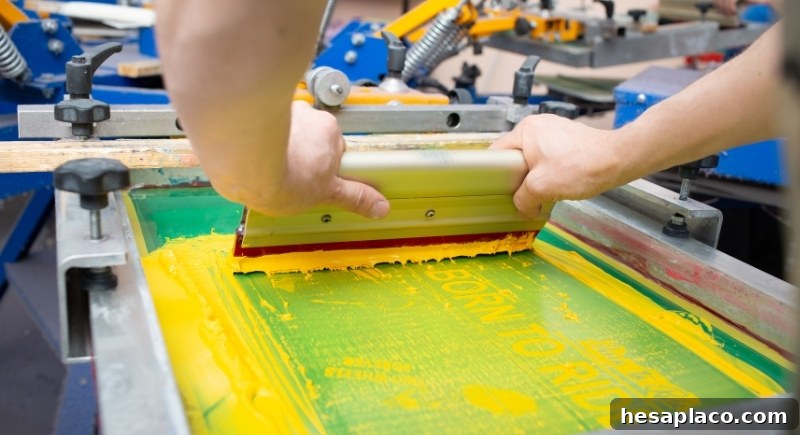
Handcrafted screen printing remains an artisanal craft, but print-on-demand services and digital printing have made mass production simple and affordable. As a result, manual screen printing is now more often a niche creative practice than a mainstream production method.
Basic Graphic Design

Credit: Getty Images
Fundamental design tasks that once required specialist software are now accessible through intuitive tools and AI-assisted templates. Platforms enable non-designers to create visuals quickly, while professional designers focus more on strategy, storytelling, brand cohesion, and complex projects that require nuanced judgement.
Sales Pitches In-Person

Credit: Getty Images
Consumers research products online before visiting stores, and many buying decisions are shaped by reviews, videos, and AI-driven recommendation systems. In-person sales still matter for certain high-touch or complex purchases, but routine persuasion has moved online and into automated channels.
Cursive Writing

Credit: Getty Images
Once a standard part of schooling, cursive is now optional in many education systems. With keyboards and touchscreens dominating written communication—and signatures increasingly digital—cursive has become a specialty skill valued primarily for historical documents, personal style, or artistic purposes.
Operating a Manual Transmission

Credit: Canva
Driving a stick shift was once a common skill; now, automatic and electric vehicles dominate the market. Manual transmissions are offered on fewer models, and many drivers never learn to use them, making the ability to operate a manual car less widespread than in past generations.
Using Encyclopedias

Credit: Canva
Printed encyclopedias were once treasured reference sets in many homes. Today, online encyclopedias, search engines, and AI assistants provide faster access to information, rendering heavy reference volumes largely decorative. While authoritative print editions still exist, they’re rarely used for everyday research.