
Land ownership can be far more surprising than people often imagine. Across the globe, vast tracts of land are controlled not only by governments but by monarchs, religious institutions, Indigenous nations, private companies, and a few very wealthy individuals. The owners and stewards of these lands are not always the names you would expect, and their holdings reflect a wide range of histories, economies and management philosophies.
Handbury Group
Credit: Wikimedia Commons
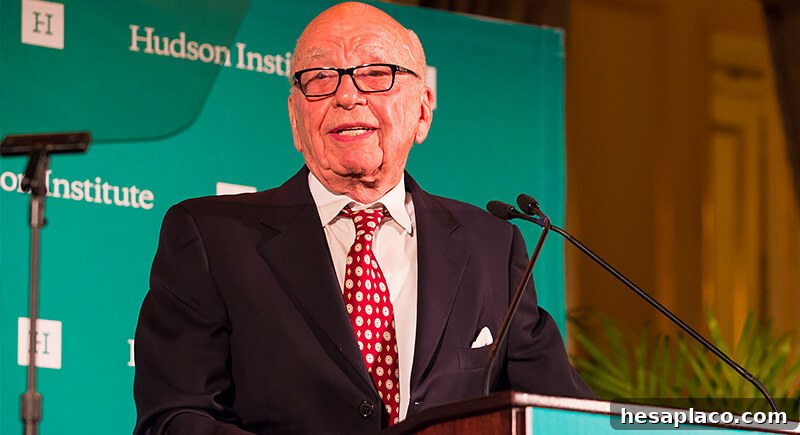
In South and Western Australia, the Handbury Group manages roughly 13 million acres of grazing country. Associated with members of Rupert Murdoch’s extended family, the group operates enormous cattle stations known for long-term productivity. Their holdings grew over generations through steady expansion and investment in pastoral operations across varied Australian landscapes.
Jumbuck Pastoral Company
Credit: Facebook
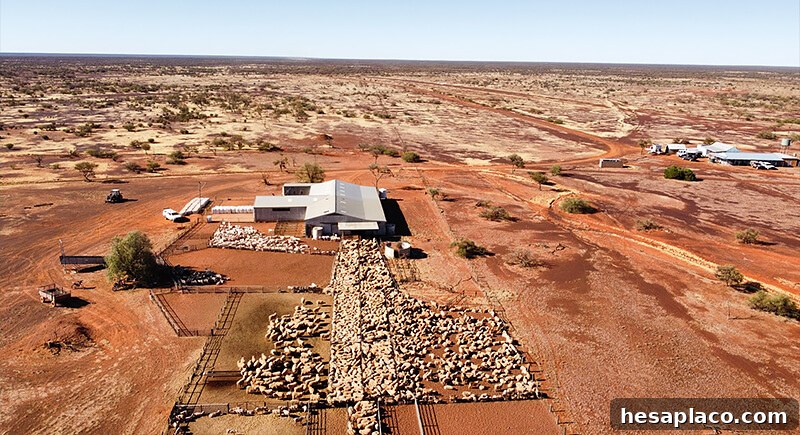
Founded in the late 19th century, Jumbuck Pastoral Company remains among Australia’s largest wool producers. The MacLachlan family oversees about 12.8 million acres across multiple states, focusing primarily on Merino sheep bred for international markets. Combining generational knowledge with contemporary land and animal management, Jumbuck continues to play a significant role in regional economies and community life.
North Australian Pastoral Company
Credit: Facebook
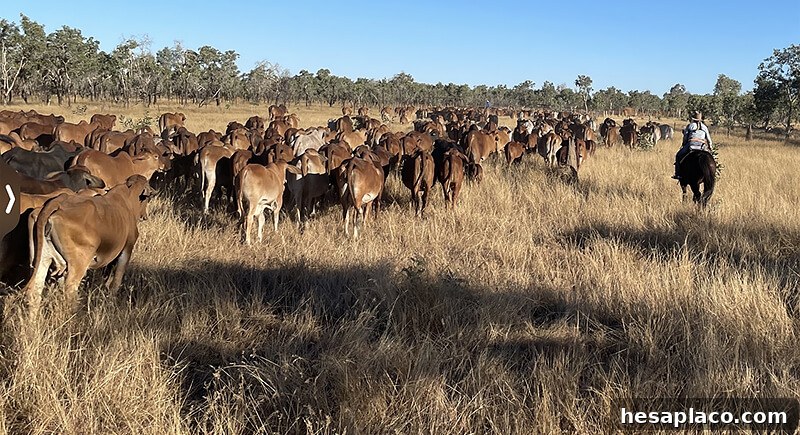
The North Australian Pastoral Company controls approximately 14.8 million acres across Queensland and the Northern Territory. Established in 1877, it is one of Australia’s oldest and largest beef producers. The company invests in research into soil, water and grazing practices to sustain production on some of the country’s most challenging rangelands, aiming to balance productivity with long-term land stewardship.
Australian Agricultural Company
Credit: Facebook
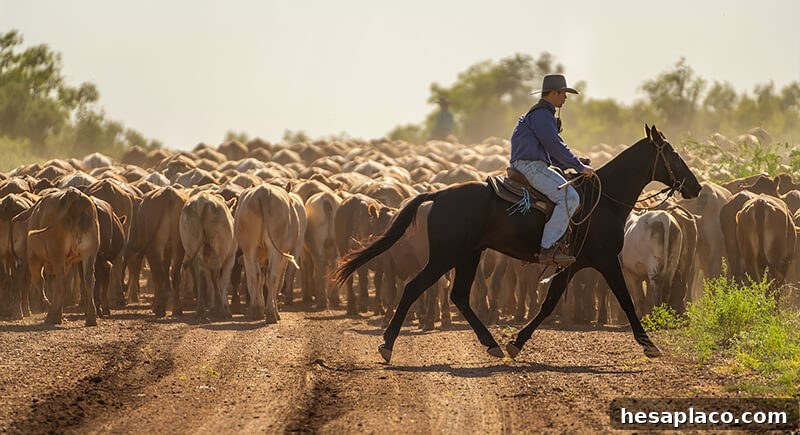
The Australian Agricultural Company (AACo) began in 1824 as a sheep operation and has evolved into one of the world’s largest beef producers. Its holdings cover around 15.8 million acres, with many remote stations equipped with airstrips to facilitate movement and logistics. Major international investors, including British financier Joe Lewis, have significant stakes; AACo links extensive outback ranching to global meat markets while investing in innovations that support large-scale pastoralism.
Mudanjiang City Mega Farm
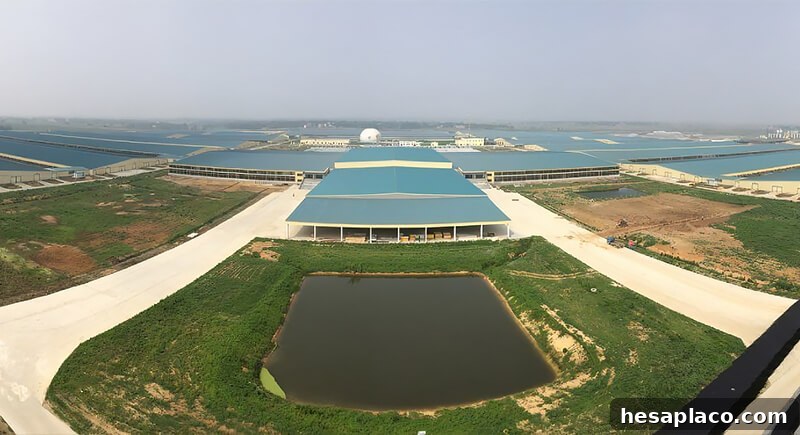
Credit: Reddit
In Heilongjiang Province in northeastern China, a major joint venture involving Russian and Chinese investors has created one of the world’s largest dairy operations. Hosting roughly 100,000 cows, the enterprise produces hundreds of millions of liters of milk annually—an expansion driven by changing trade patterns and growing regional demand for dairy products. The scale of the farm illustrates how cross-border investment and policy shifts can reshape agricultural production.
Inuvialuit People of Canada
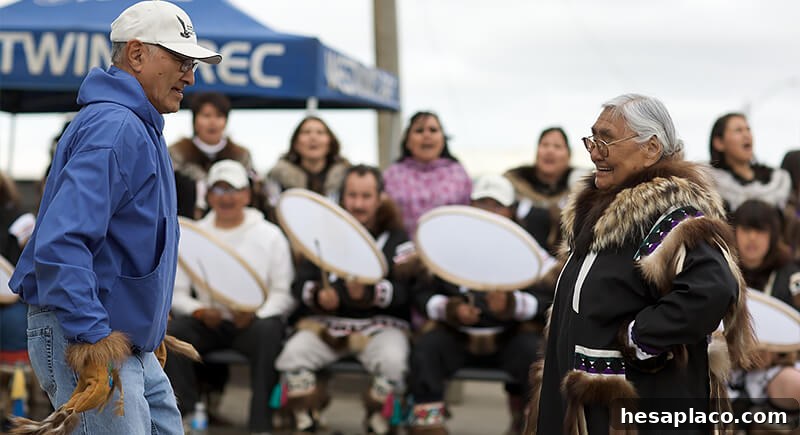
Credit: Facebook
The Inuvialuit of Canada achieved a landmark settlement in 1984, regaining stewardship of approximately 22.5 million acres of Arctic land. The agreement returned control of coastal and island territories in what is now the Northwest Territories, giving the Inuvialuit rights and responsibilities that blend resource development with environmental protection and cultural preservation. Their management emphasizes sustainable use and the maintenance of traditional livelihoods.
Gina Rinehart
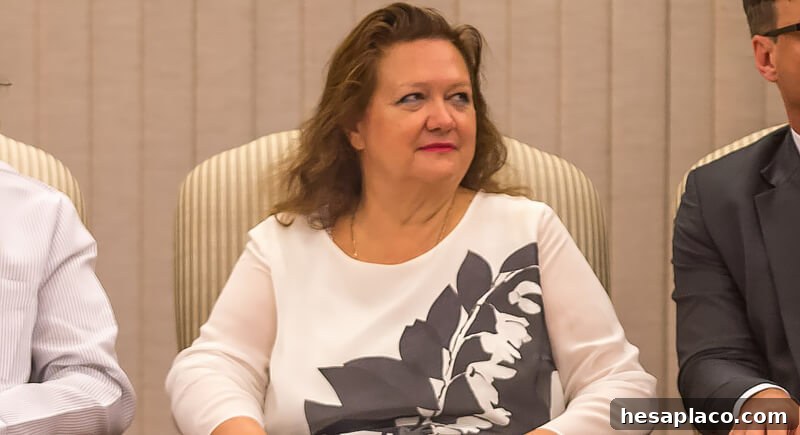
Credit: Wikimedia Commons
A prominent Australian businessperson, Gina Rinehart controls around 22.7 million acres used largely for cattle production. While her wealth originated in mining, acquisitions have expanded her agricultural portfolio to include some of the country’s largest cattle stations. These properties supply beef for export markets and demonstrate how private capital can transform rural landscapes and regional economies through large-scale investment.
Inuit People of Nunavut
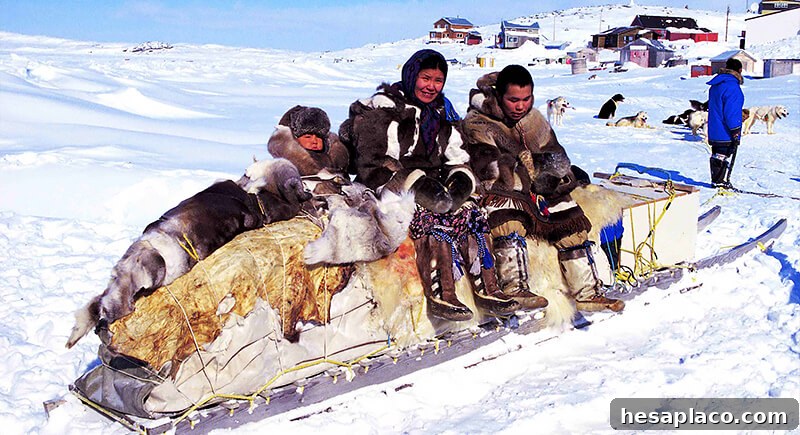
Credit: Wikimedia Commons
The 1993 Nunavut Land Claims Agreement granted the Inuit ownership and management rights over approximately 87.5 million acres in northern Canada. The agreement established Nunavut as a self-governing territory, providing local control over land, minerals and wildlife management. Inuit governance combines traditional decision-making practices with contemporary legal and administrative structures to support communities across an immense Arctic region.
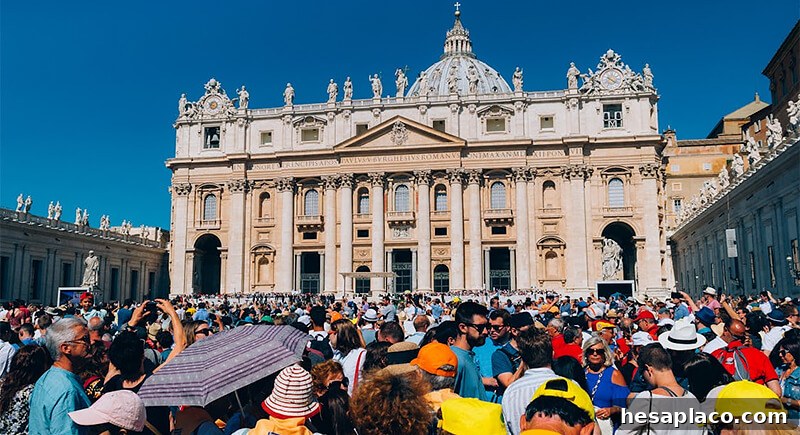
The Catholic Church
Credit: pexels
The Catholic Church is estimated to hold roughly 177 million acres worldwide, encompassing cathedrals, schools, hospitals, farms and urban real estate. Much of this land has been accumulated over centuries through donations, bequests and institutional growth. These properties underpin a global network of religious, educational and humanitarian work, reflecting a unique combination of spiritual influence and long-term property stewardship.
King Charles III and the British Royal Family

Credit: Wikimedia Commons
As the constitutional monarch and symbolic head of the Commonwealth, King Charles III is associated with territories that collectively span about 6.6 billion acres—nearly one-sixth of the world’s land area. These holdings include countries and territories that are part of the Commonwealth and lands held in trust by the Crown. This arrangement is rooted in centuries of history and constitutional practice, and it reflects political and symbolic ties rather than direct private ownership in the modern sense.
These examples highlight how landholdings around the world result from diverse legal arrangements, historical processes and contemporary economic forces. From Indigenous land settlements that restore stewardship and cultural rights, to family-owned pastoral empires, multinational agricultural enterprises and religious institutions with centuries of accumulated property, the patterns of ownership reveal complex relationships between people, place and power.