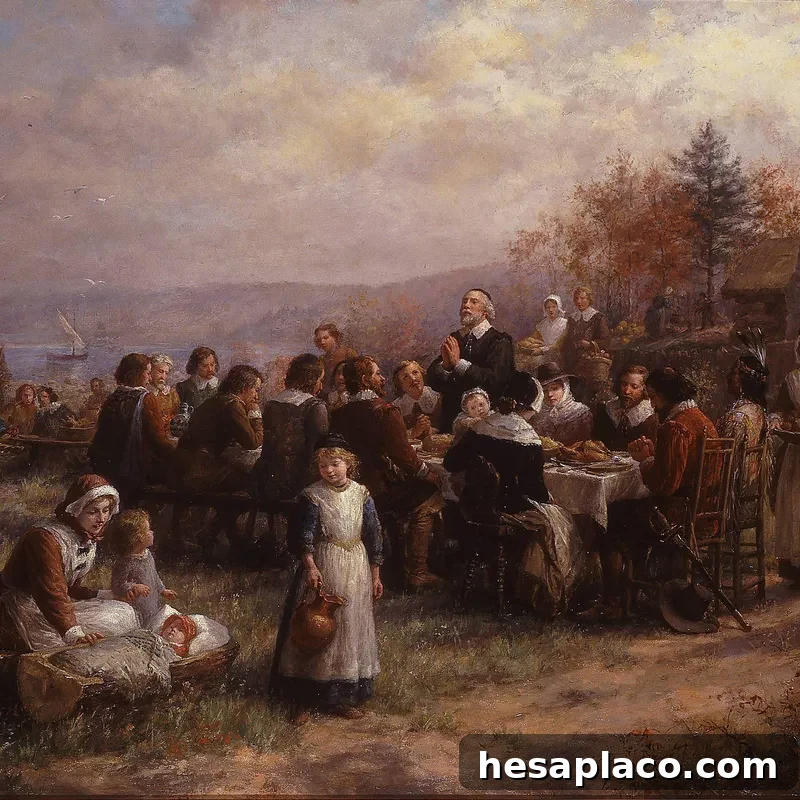
We learned a simplified version of the Thanksgiving story as children: the Pilgrims landed at Plymouth Rock in 1620, friendly Native Americans helped them, and they celebrated together with a feast like the holiday we observe today. While elements of that narrative are true, many details are exaggerated, inaccurate, or outright false. Below are common myths about Thanksgiving and the historical facts that provide a fuller, more accurate picture.
1. Europeans and North American History
RickyBennison / Wikimedia Commons
Myth: North American history begins with the arrival of Europeans, especially the Pilgrims.
The Truth About Europeans and North American History
Internet Archive Book Images / Flickr
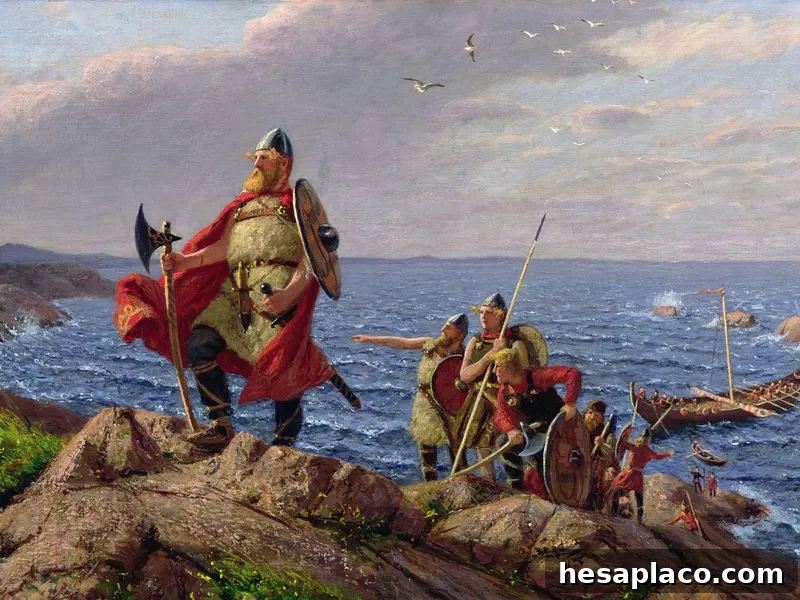
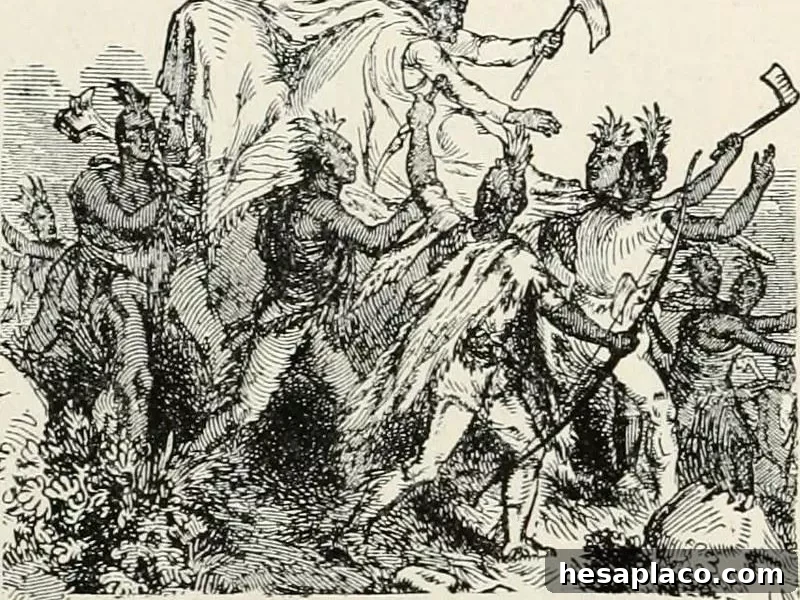
Fact: Indigenous peoples populated North America long before Europeans arrived. Native American communities have lived on the continent for at least 12,000 years, and likely far longer. Europeans visited centuries earlier than the Pilgrims: legends of voyages such as Saint Brendan’s occur in medieval accounts, and Viking exploration under Leif Erikson reached areas like Vinland (modern Newfoundland) around the 10th century. The Vikings did not establish lasting settlements there and reported hostile encounters with Indigenous peoples.
2. The First European Settlers
Baptista Boazio / Wikimedia Commons
Myth: The Mayflower Pilgrims were the first Europeans to settle in North America.
The Truth About the First European Settlers
Internet Archive Book Images / Wikimedia Commons
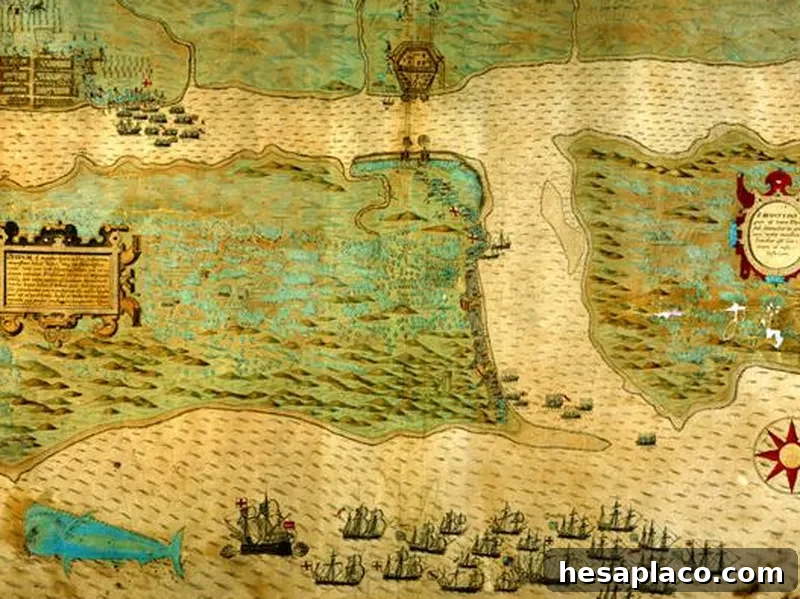
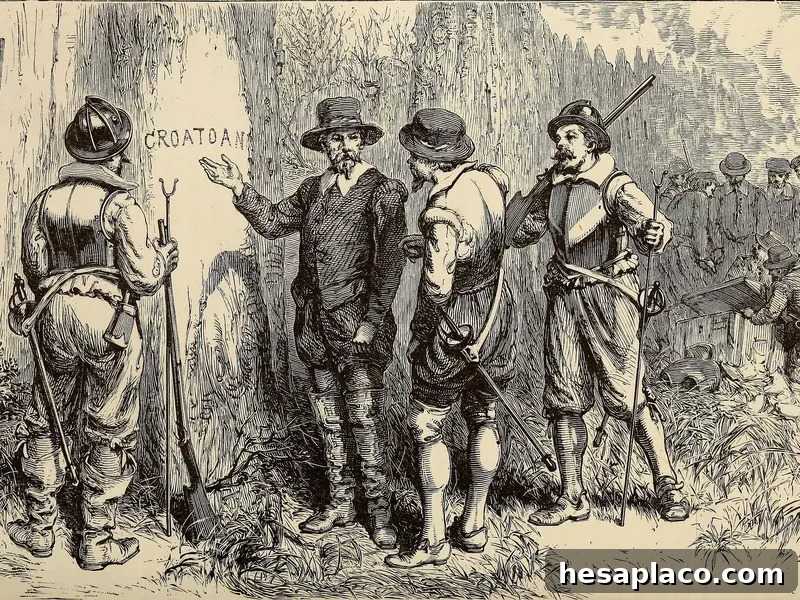
Fact: The Pilgrims were not the first permanent European settlers on the continent, and the earliest European colonies were not always in the northeast. Spanish settlers founded St. Augustine, Florida, in 1565, which is the oldest continuously inhabited European-established city in what is now the United States. The English attempted earlier colonies, including Roanoke in 1585 and Jamestown in 1607. The Mayflower arrived later, in 1620.
3. The Mayflower ‘Pilgrims’
Internet Archive Book Images / Flickr
Myth: The passengers of the Mayflower were always called “Pilgrims.”
The Truth About the Mayflower ‘Pilgrims’
Internet Archive Book Images / Flickr
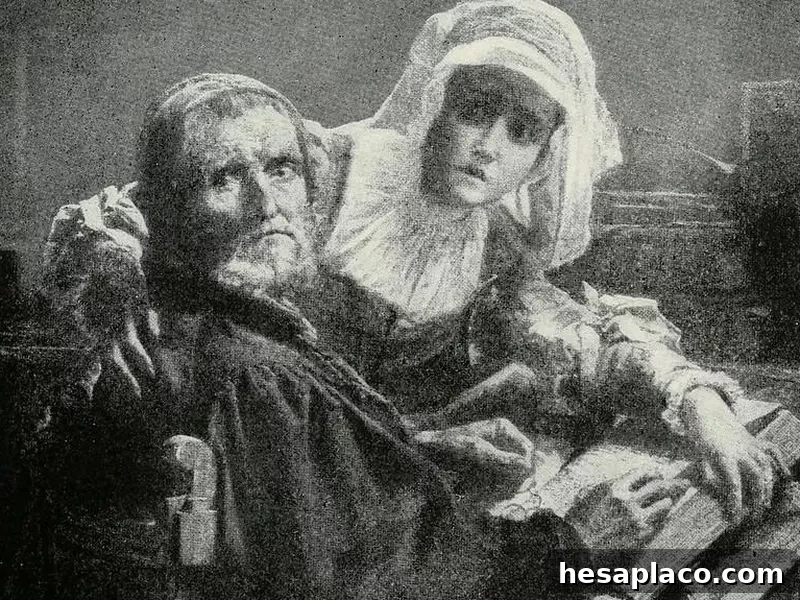
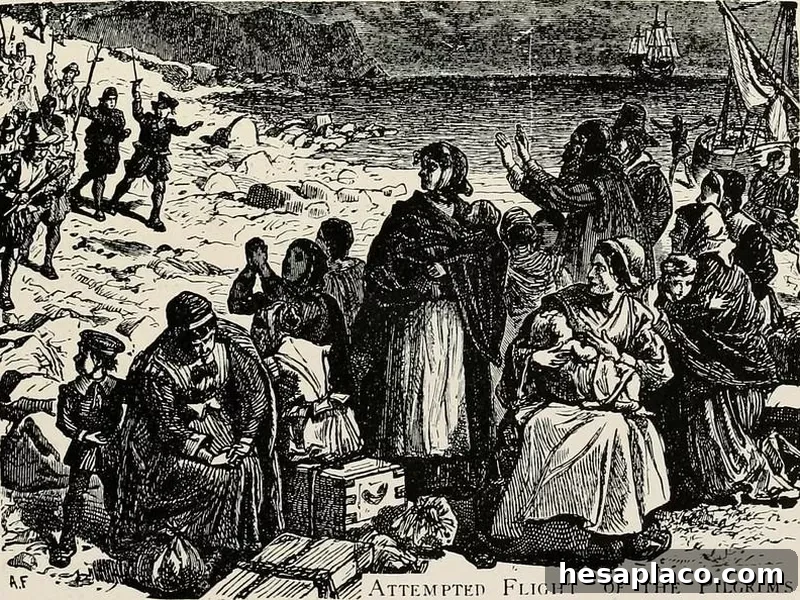
Fact: The people who traveled aboard the Mayflower called themselves Separatists or “Saints.” The label “pilgrim” — someone on a religious journey — was applied later and popularized in the early 19th century. Governor William Bradford used the term in his writings, but it was not the everyday self-description of the group at the time.
4. Why the Pilgrims Came to North America
DcoetzeeBot / Wikimedia Commons
Myth: The Pilgrims left England solely for religious freedom in North America.
The Truth About Why the Pilgrims Came to North America
Internet Archive Book Images / Flickr
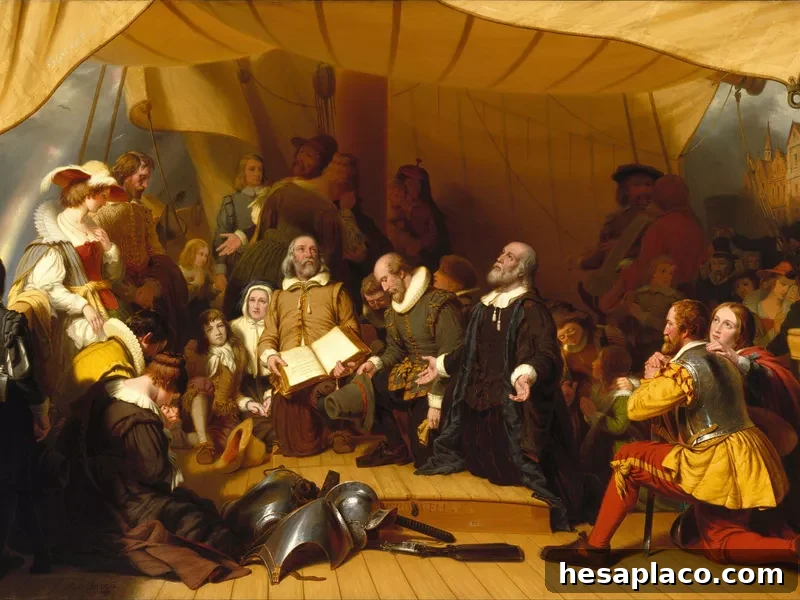
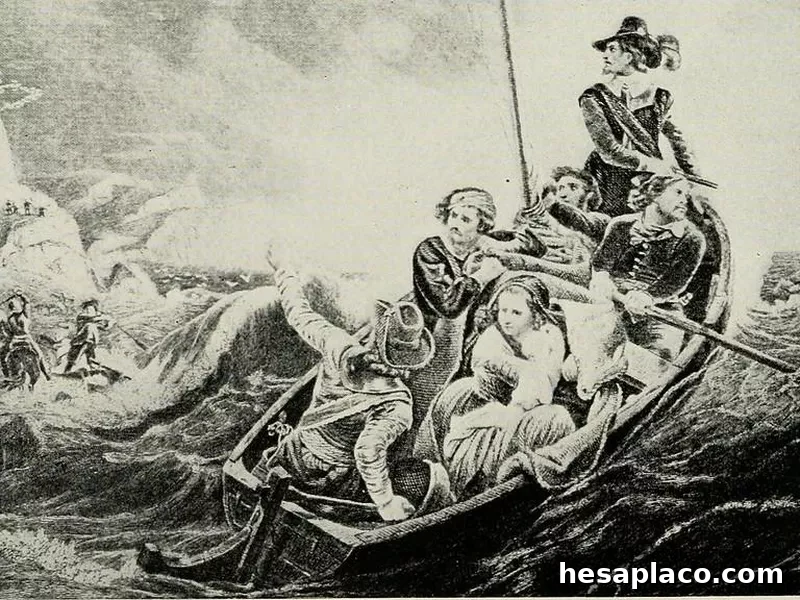
Fact: The Separatists did seek freedom from the Church of England, but they initially relocated to the Netherlands for about a decade before deciding to leave Europe entirely. Economic factors, such as a downturn in the wool and cloth trades, played a significant role in their decision to undertake the transatlantic voyage.
5. The Mayflower Landing
Rhonda McCloughan / Wikimedia Commons
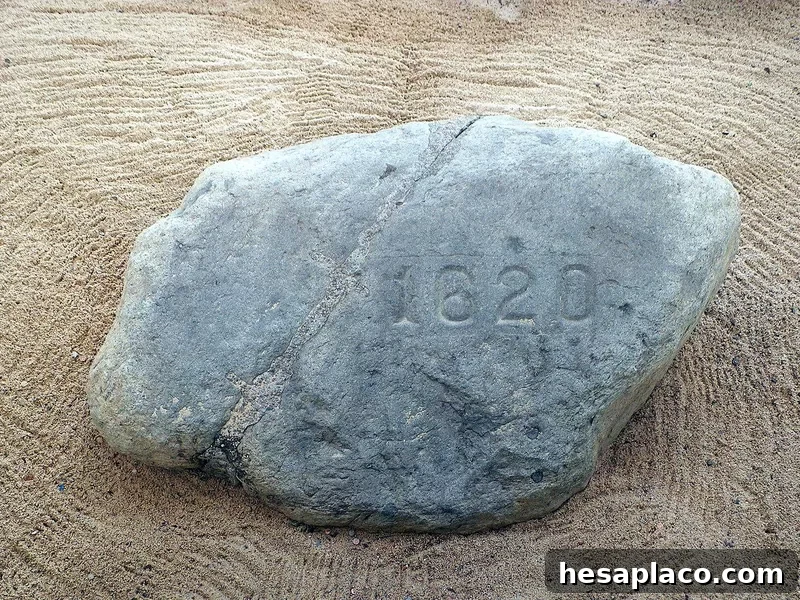
Myth: The Mayflower landed at Plymouth Rock immediately upon arrival.
The Truth About the Mayflower Landing
Pilgrim Hall Museum / Wikimedia Commons
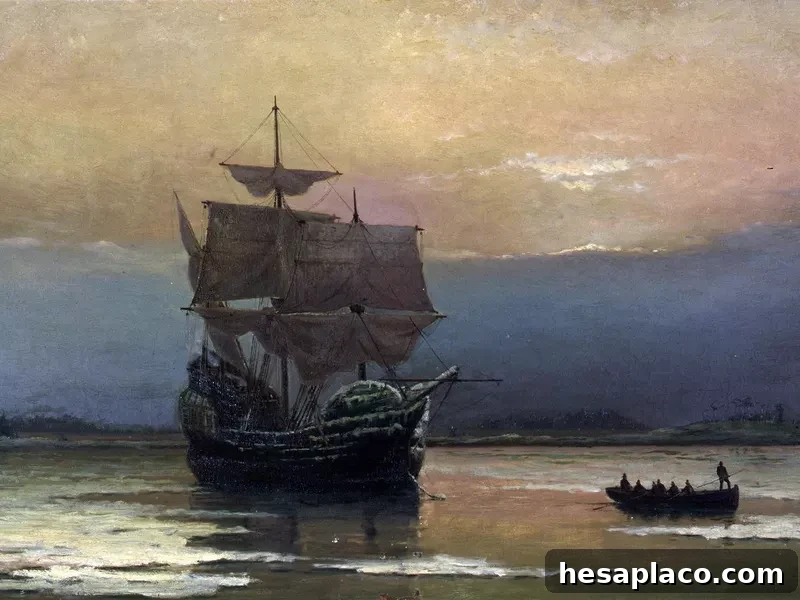
Fact: The Mayflower first anchored in Provincetown Harbor, about 26 miles from Plymouth. The passengers signed the Mayflower Compact while still aboard ship. They spent several weeks exploring and surveying the coast before relocating to what became New Plymouth.
6. A First-Time Meeting
Internet Archive Book Images / Wikimedia Commons
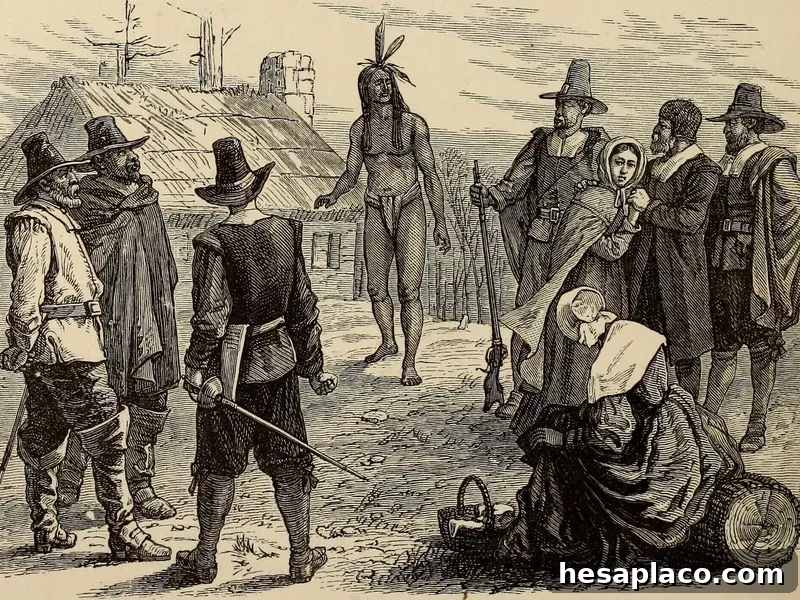
Myth: The arrival of the Pilgrims marked the first contact between Europeans and the Wampanoag.
The Truth About a First-Time Meeting
Internet Archive Book Images / Flickr
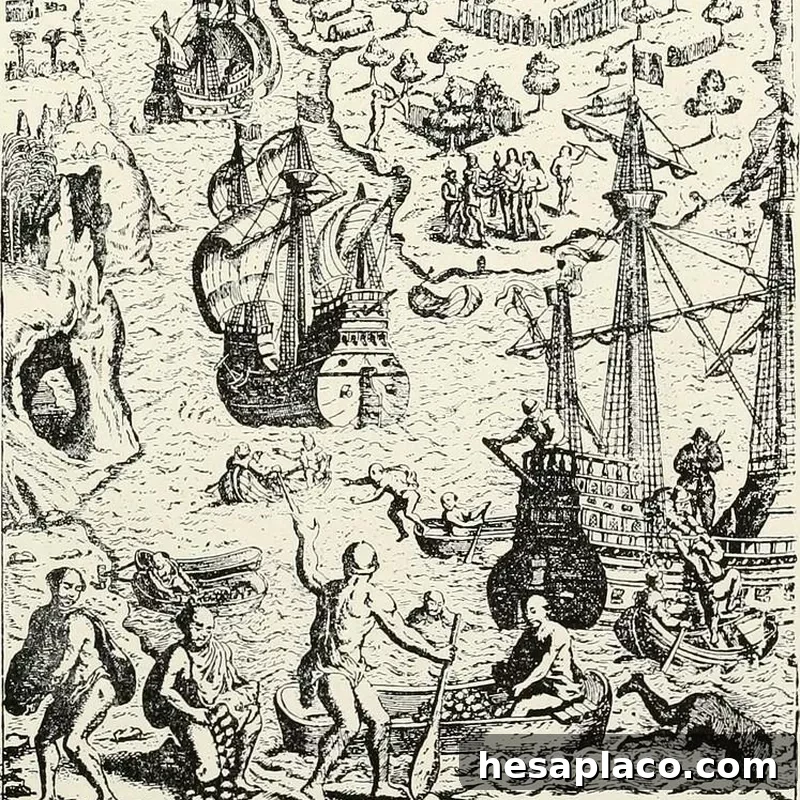
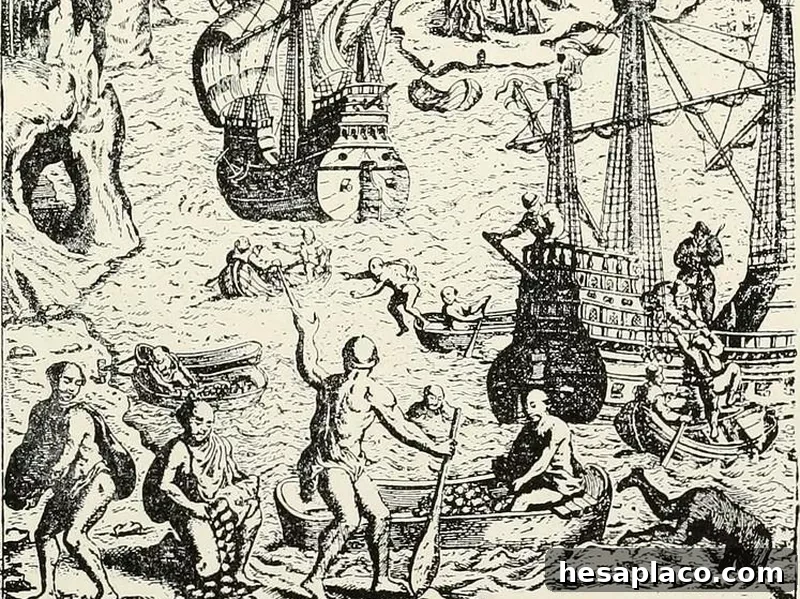
Fact: The Wampanoag had prior exposure to Europeans, and in the years before the Pilgrims’ arrival, disease cascades brought by earlier European contact decimated large portions of the Wampanoag population. This loss weakened the tribe and influenced their decisions to form alliances with newcomers as a strategy for survival amid regional pressures.
7. Native American Offerings
Getty Images
Myth: All members of the Wampanoag tribe welcomed and willingly assisted the Pilgrims.
The Truth About Native American Offerings
Flickr
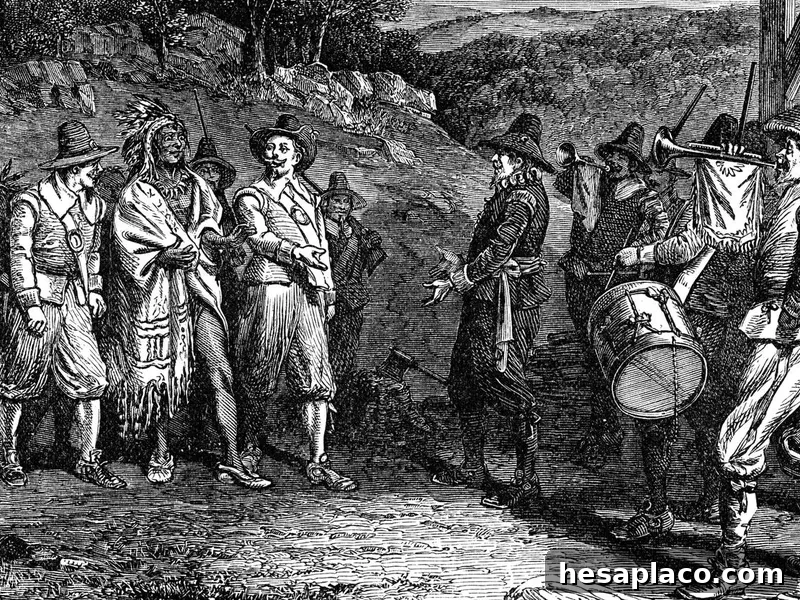
Fact: Not everyone in the Wampanoag community supported aiding the newcomers. Years of contact with Europeans, who brought disease and conflict, had created deep wariness. Chief Massasoit (Ousamequin) chose to establish a relationship with the Pilgrims as a tactical move to protect his people from rival tribes and to manage the unfolding threats posed by European colonization. Over time, colonial expansion eroded Wampanoag territory and autonomy, and many suffered displacement, death, or enslavement.
8. The Lesson of Thanksgiving
Pixnio
Myth: The Pilgrims taught Native Americans about the idea of Thanksgiving.
The Truth About the Lesson of Thanksgiving
Getty Images
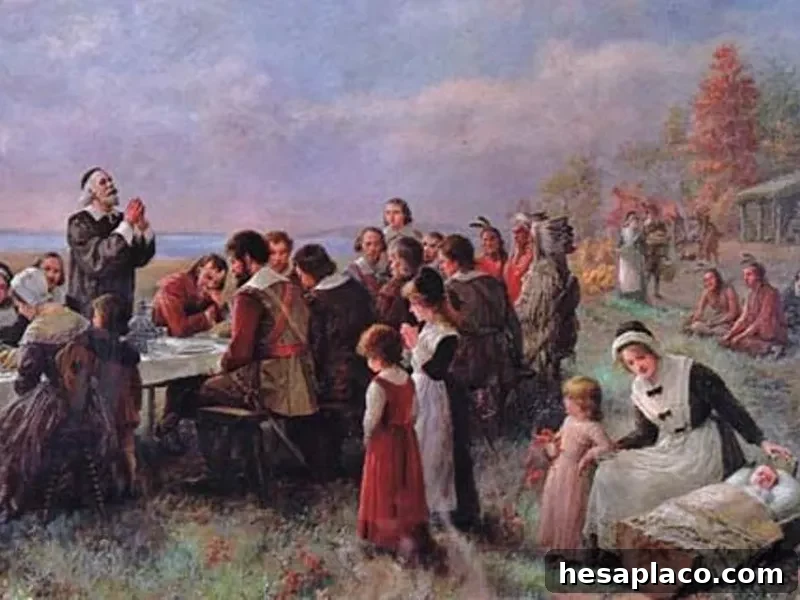
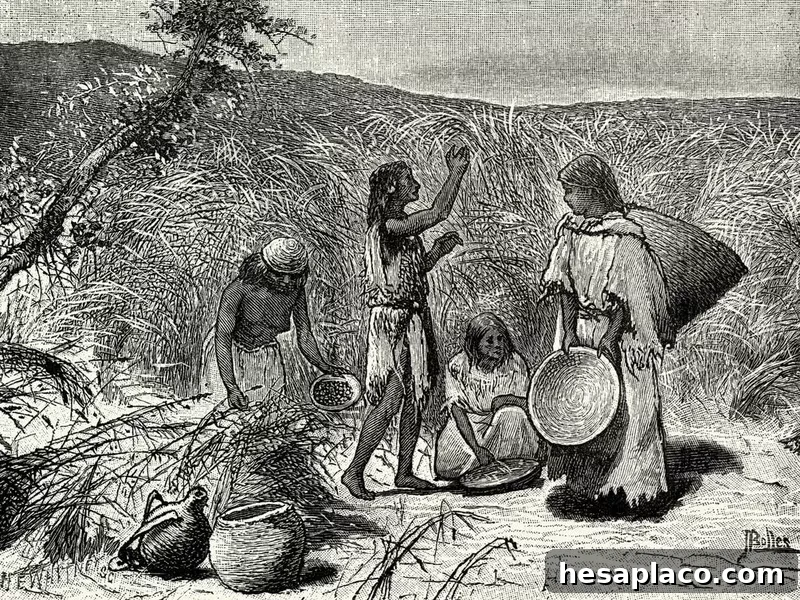
Fact: The harvest celebrations and thanksgiving rituals we associate with Indigenous cultures predated European arrival by centuries. The modern national holiday called Thanksgiving evolved much later, in the 19th century, and drew on a mix of historical memory, religious observance, and civic ritual. The Pilgrims did not “introduce” the concept of giving thanks to Native peoples.
9. Enlisting Squanto’s Help
Aaron Walden / Wikipedia
Myth: Squanto (Tisquantum) unambiguously helped the Pilgrims and was generously rewarded.
The Truth About Enlisting Squanto’s Help
Fæ / Wikipedia
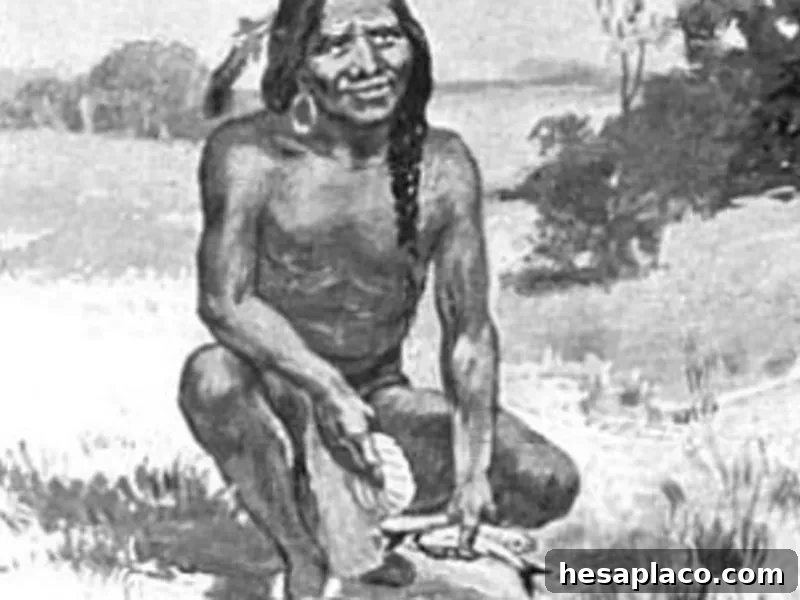
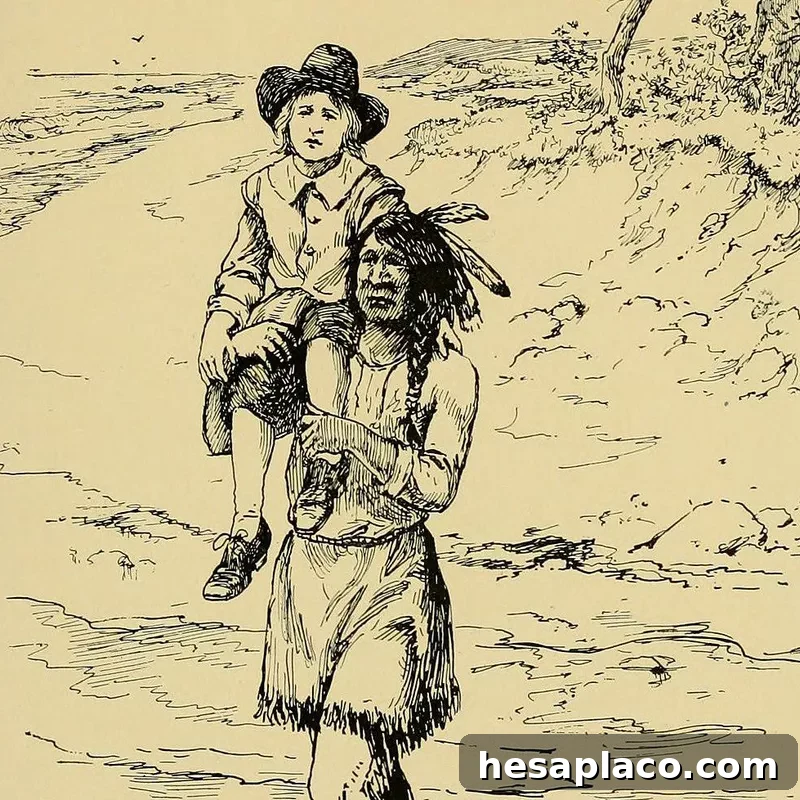
Fact: Squanto did teach the Pilgrims agricultural methods and served as an interpreter and intermediary, which was crucial to the colony’s survival. Historical records suggest his motives were complex; some accounts portray him as attempting to gain influence among both the English and the Wampanoag. He fell out of favor with some Wampanoag leaders and died a few years after the Pilgrims’ arrival.
10. The ‘First’ Thanksgiving
Bartonellison / Wikipedia
Myth: The Pilgrims celebrated the first Thanksgiving in North America.
The Truth About the ‘First’ Thanksgiving
Getty Images
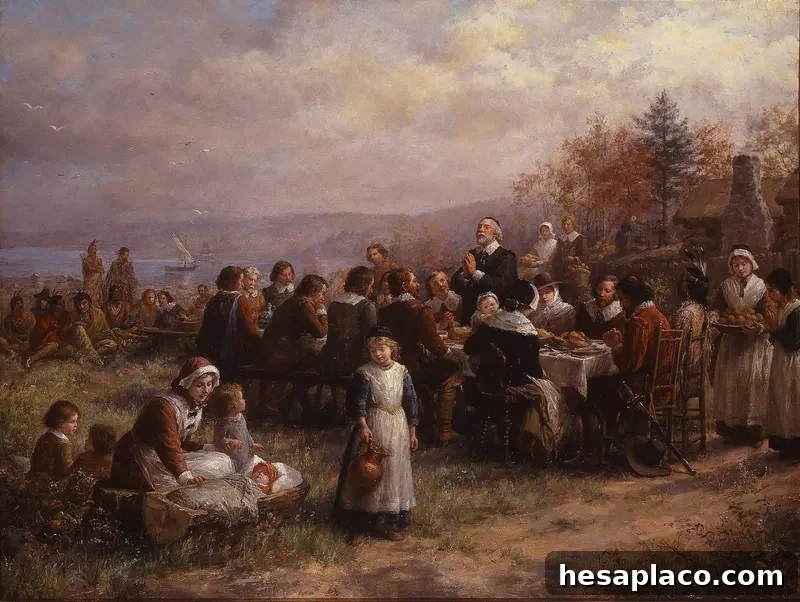
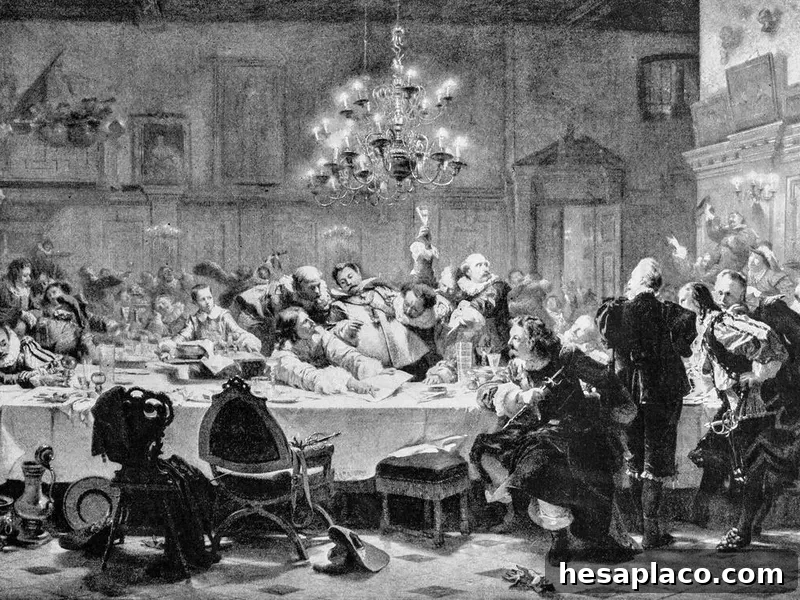
Fact: The Pilgrims held a multi-day harvest celebration after their first successful harvest, which included gunfire that drew Wampanoag people to the settlement. This event is often described as a “first Thanksgiving,” but it differed from later Thanksgiving observances; for the Pilgrims, days of “thanksgiving” were normally solemn days of prayer. Earlier European settlements—such as the Spanish in St. Augustine in 1565—also held thanksgivings and harvest ceremonies, so the Plymouth event was not the continent’s first celebratory observance.
11. The Thanksgiving Feast
Getty Images
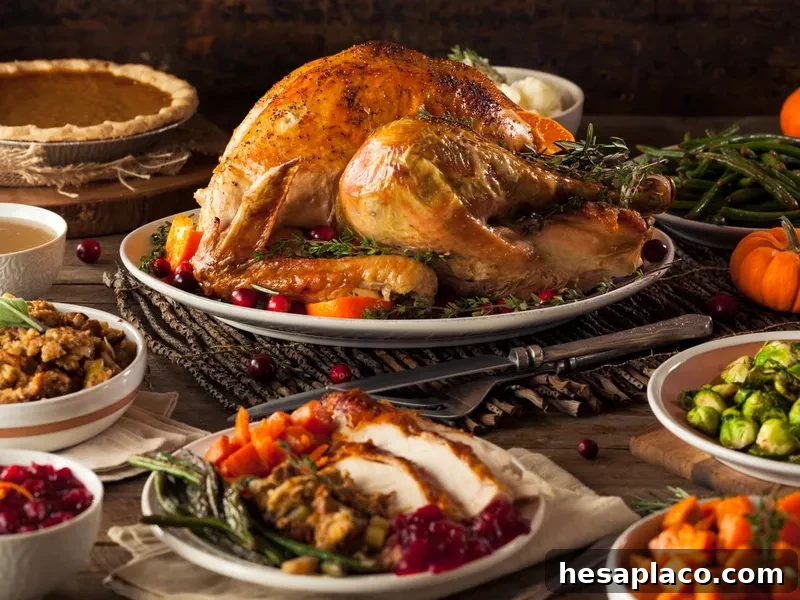
Myth: The Pilgrims ate turkey with all the traditional side dishes we serve today.
The Truth About the Thanksgiving Feast
Jean Louis Gerome Ferris / Library of Congress
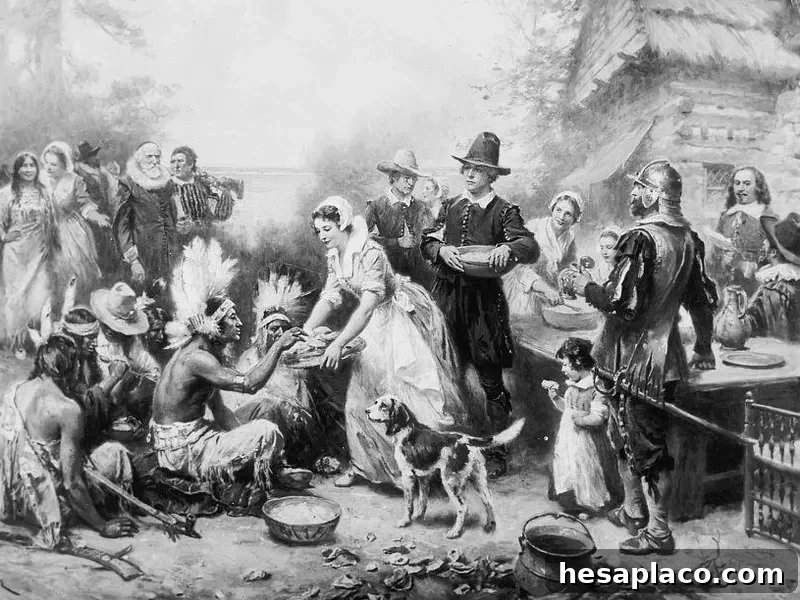
Fact: Contemporary accounts list venison and various wildfowl among the foods served at the Plymouth celebration, but they do not provide a complete menu. Staples like corn, potatoes, and cranberries were not part of the English settlers’ typical diet yet. The event reportedly lasted three days and involved many activities, but the familiar modern Thanksgiving menu is a later cultural development.
12. A Peaceful Coexistence
Internet Archive Book Images / Flickr
Myth: The English and the Wampanoag continued to live together peacefully after the early years.
The Truth About a Peaceful Coexistence
Magnus Manske / Wikipedia
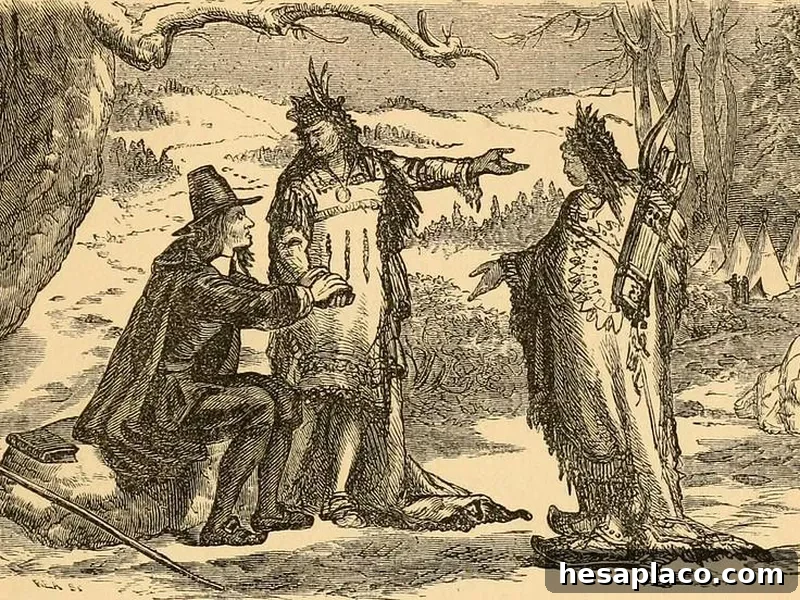
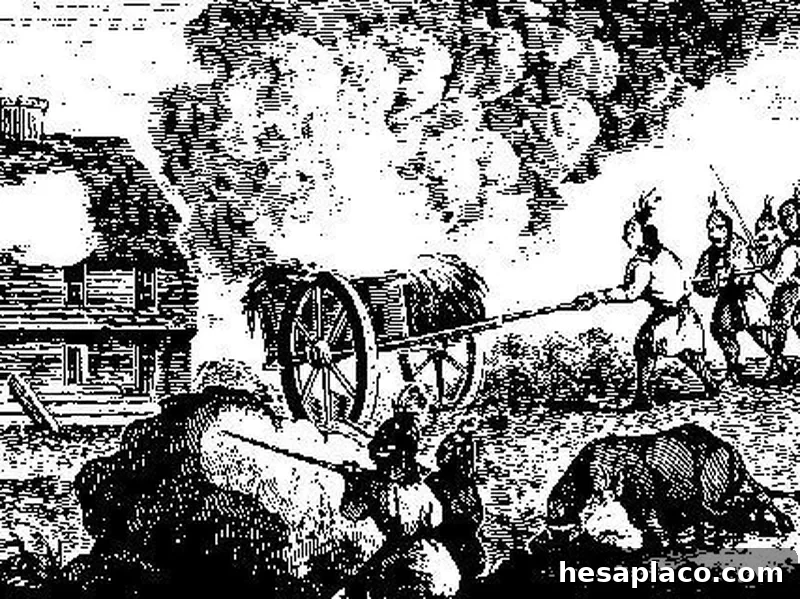
Fact: Initial peace between the colonists and the Wampanoag lasted only a few years. As colonial populations expanded and competed for land and resources, tensions escalated. Missionary efforts and changing power dynamics contributed to conflict, culminating in large-scale violence such as King Philip’s War (1675–1678), which devastated Indigenous communities and ended with harsh reprisals against Native leaders and survivors.
13. Selling the Thanksgiving Story
Diogenes99 / Wikimedia
Myth: The Pilgrims were the first Americans and the primary founders of American identity.
The Truth About Selling the Thanksgiving Story
Daderot / Wikimedia Commons
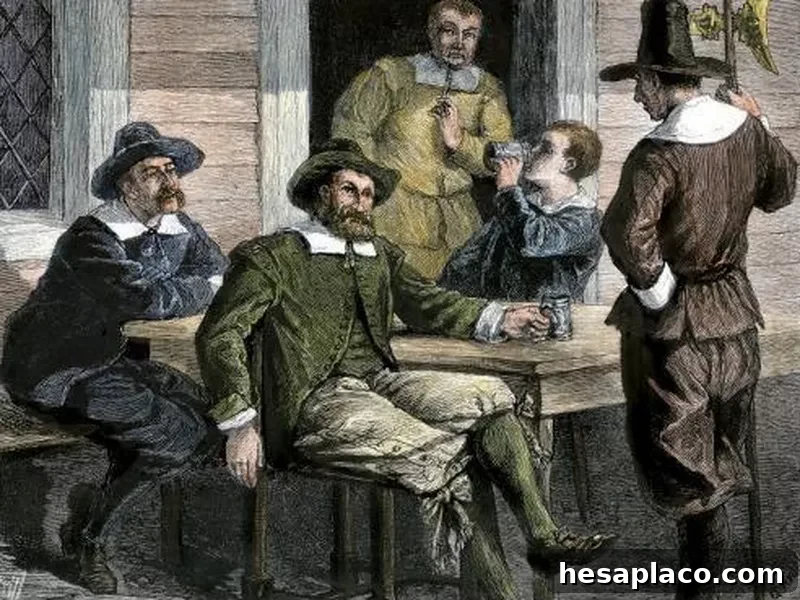
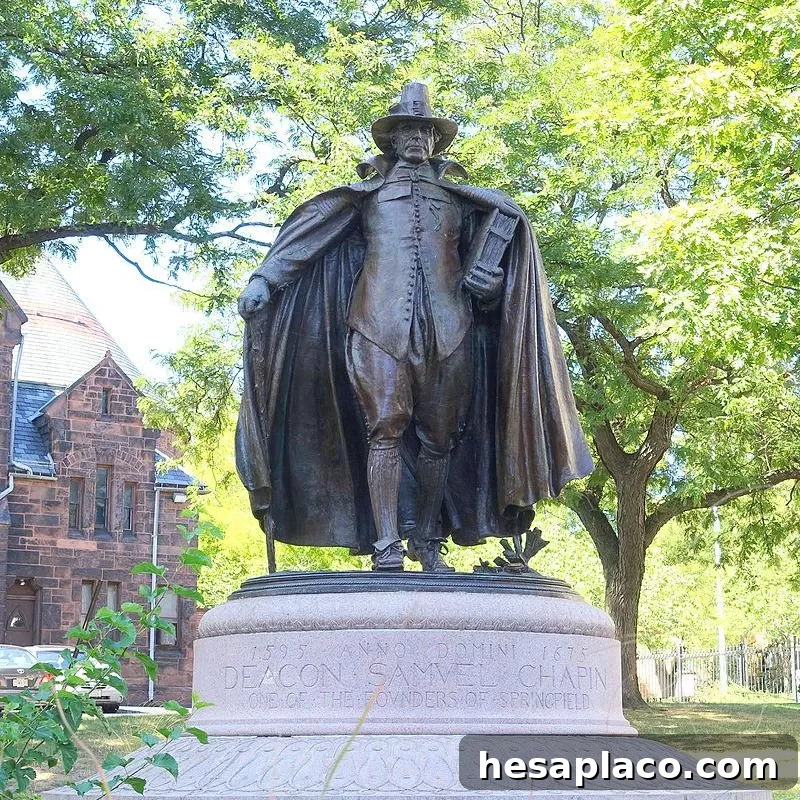
Fact: By the late 18th century and into the 19th, descendants and local boosters promoted the Pilgrim story to cultivate a distinctly American origin myth and to encourage tourism in New England. This selective memory shaped the popular narrative that positioned Pilgrims as emblematic founders, though it omits many other peoples and events in early American history.
14. A National Holiday
Bob3Studios / Wikimedia Commons
Myth: Thanksgiving has been a national holiday since 1621.
The Truth About a National Holiday
Hohum / Wikimedia Commons
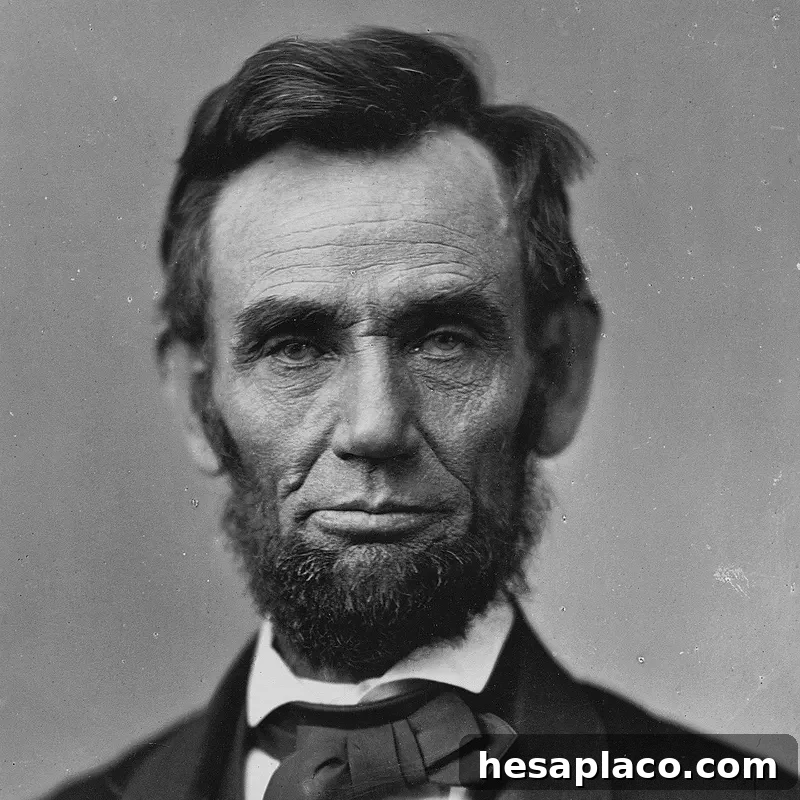
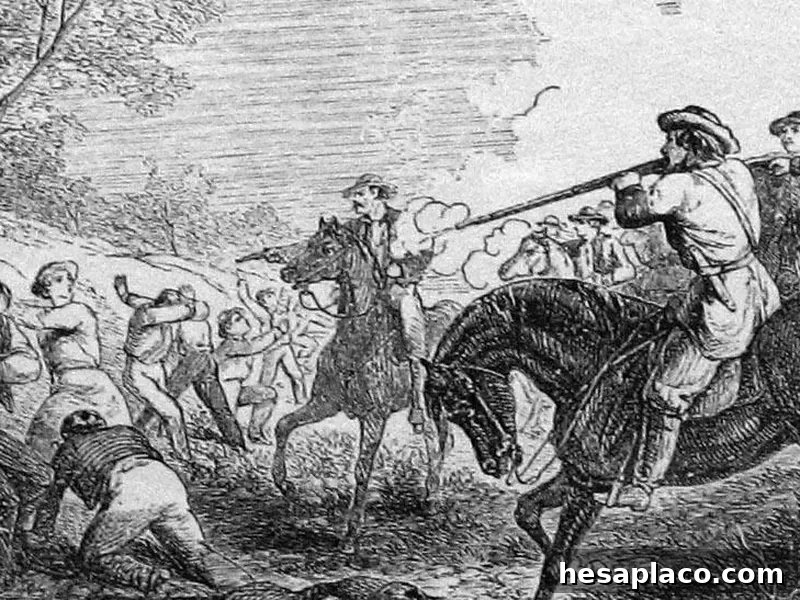
Fact: Thanksgiving did not become an official national holiday in the United States until 1863, when President Abraham Lincoln proclaimed a national day of Thanksgiving amid the Civil War as a means to help unify the country.
15. The Fate of the Wampanoag
Internet Archive Book Images / Flickr
Myth: The Wampanoag are extinct.
The Truth About the Fate of the Wampanoag
Shaun C. Williams / Wikimedia Commons
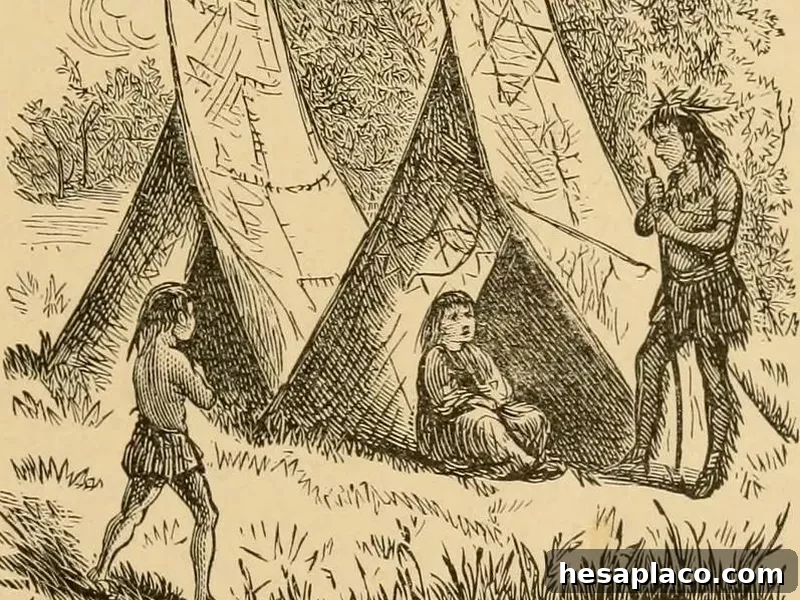
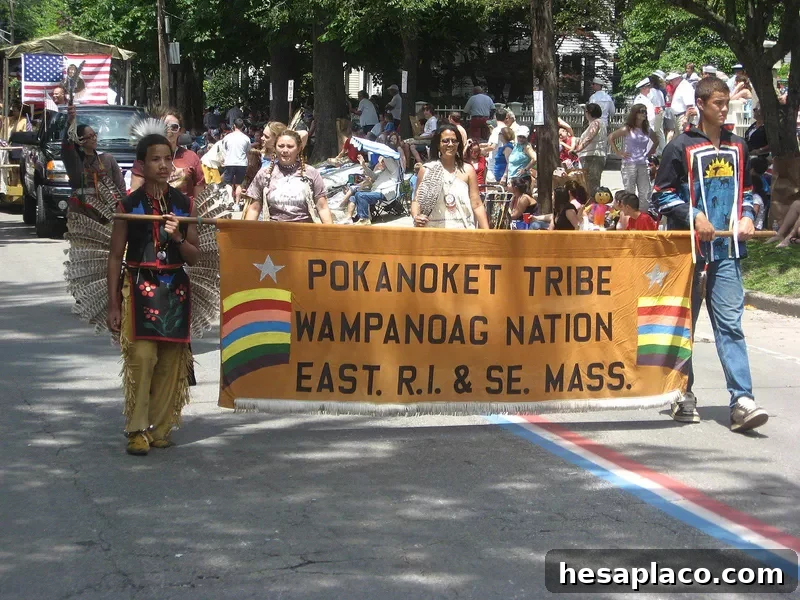
Fact: The Wampanoag people survived centuries of disease, violence, and displacement and continue to live in Massachusetts and eastern Rhode Island today. Contemporary Wampanoag communities maintain cultural traditions, governance, and community life, preserving their identity and history.