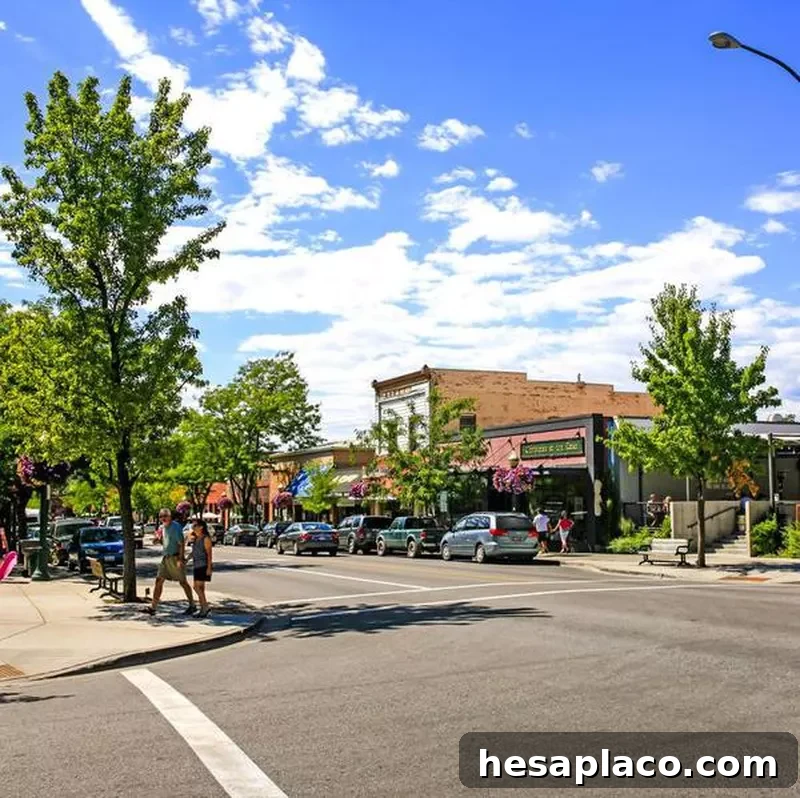
In recent years, stagnant wages and surging home prices have dimmed the appeal of many large metropolitan areas, prompting residents to seek more affordable, sustainable places to live and work. For example, a 2018 survey by Edelman found that 46 percent of San Francisco Bay Area residents were considering leaving California.
That migration away from big cities has opened opportunities for smaller metros to attract talent and modernize their local economies. From tech startups to tourism and manufacturing, many smaller cities now offer big-city amenities at lower costs. The Milken Institute’s 2018 Best-Performing Cities Report ranked the top small U.S. metros based on job and wage growth and other performance indicators. Below are the 18 small metros that topped the list, with a concise look at what makes each one distinctive.
18. Mankato–North Mankato, Minnesota
Getty Images
Population: 98,750
Unemployment rate: 2.4 percent
Notable industry: Health care
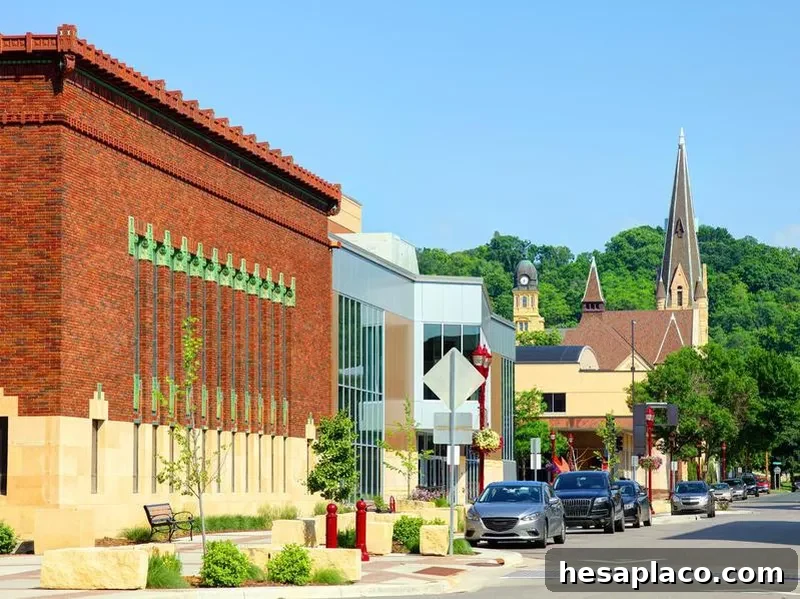
Mankato draws residents with abundant natural beauty and outdoor recreation—paved trails and a scenic river valley—alongside an affordable cost of living. Median property values are around $159,000, making housing attractive to families and businesses. Tourism is important, with venues ranging from large convention centers to smaller event spaces, while the largest employer is Taylor Corporation, a marketing solutions firm.
17. Bellingham, Washington
Getty Images
Population: 85,388
Unemployment rate: 4.5 percent
Notable industries: Tourism and education
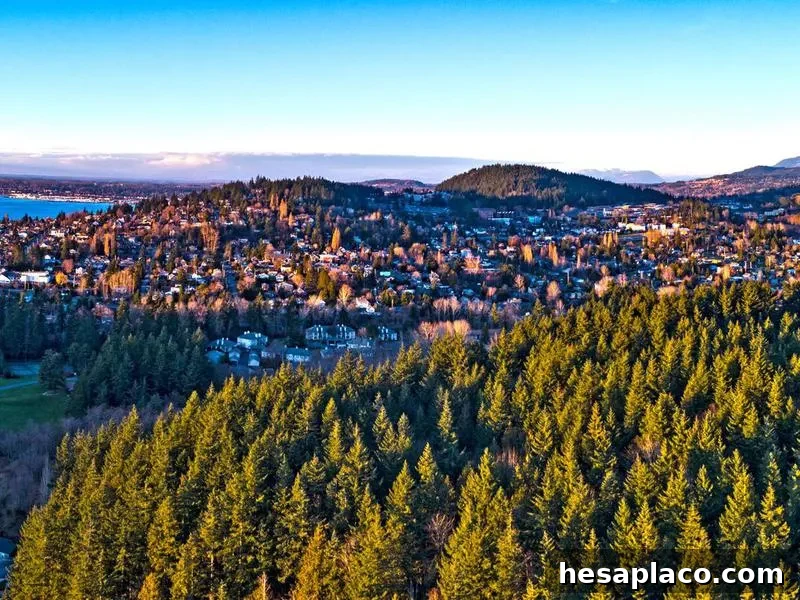
Located near the Canadian border, Bellingham is prized for its natural scenery and sustainability efforts. It’s a popular summer destination and college town with strong tourism, retail, arts and entertainment sectors. St. Joseph Hospital is the largest employer. Home values are relatively high for a smaller metro, with a median around $426,900.
16. Wenatchee, Washington

Getty Images
Population: 33,544
Unemployment rate: 5.1 percent
Notable industry: Agriculture
Wenatchee’s economy centers on agriculture and forestry, with a median household income near $45,000. Affordable housing and a scenic setting on the east side of the Cascades help attract residents. The metro hosts several annual festivals and features a notable retail presence—major employers include Walmart, Lowe’s and Home Depot.
15. Charlottesville, Virginia

Getty Images
Population: 46,487
Unemployment rate: 2.5 percent
Notable industries: Education and tourism
Charlottesville is known for its historic landmarks and a vibrant social scene anchored by a major university. The local economy is dominated by education and government jobs, and the area has a lively craft beverage scene—local businesses even collaborated to create an Ale Trail. Scenic surroundings and cultural amenities contribute to Charlottesville’s livability and tourism appeal.
14. Hilton Head Island–Bluffton–Beaufort, South Carolina
Getty Images
Population: 202,502
Unemployment rate: 3 percent
Notable industry: Tourism
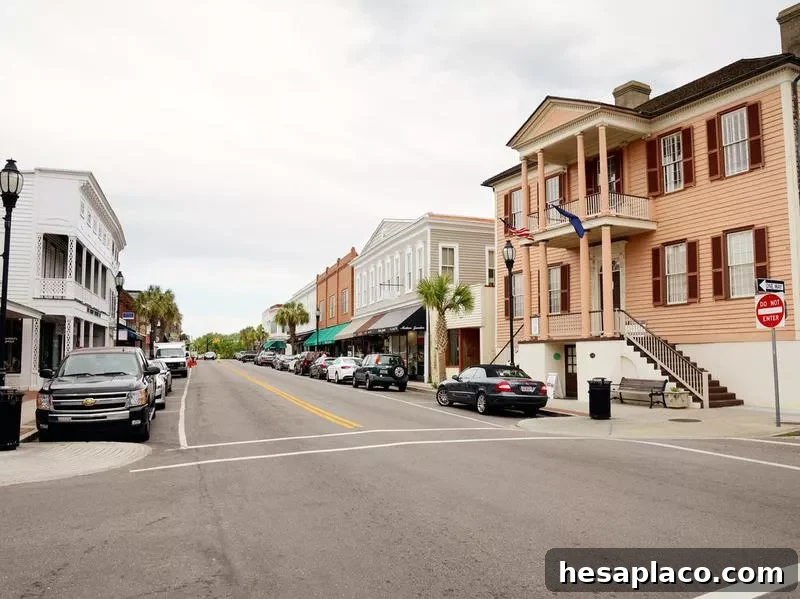
This coastal metro depends heavily on real estate, retail, health care and tourism. Median household income is around $70,000, and median home values are elevated in this strong market—roughly $437,200—reflecting the area’s desirability as a resort and second-home destination.
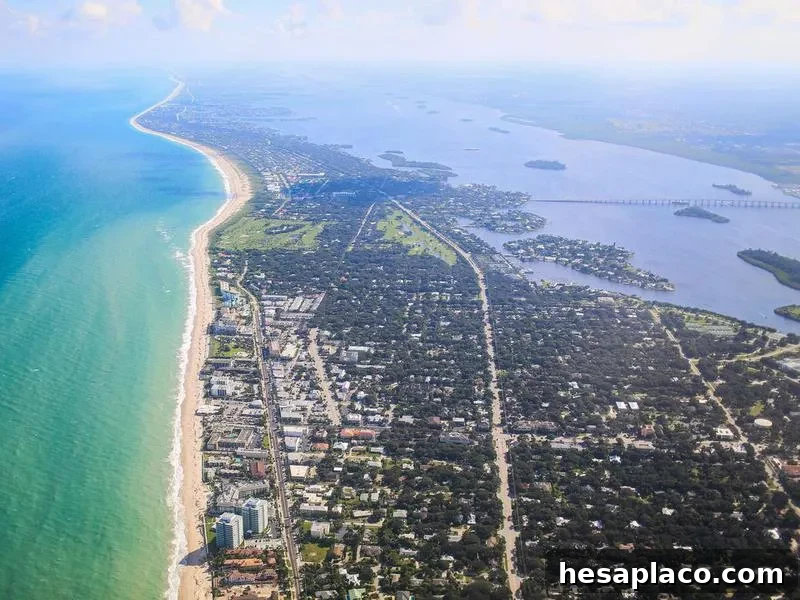
13. Sebastian–Vero Beach, Florida
Getty Images
Population: 145,342
Unemployment rate: 4.3 percent
Notable industry: Tourism
Sebastian–Vero Beach combines upscale residential neighborhoods, resorts and a compact downtown. Major employment comes from citrus agriculture, fishing, tourism and manufacturing. A significant local challenge is income inequality—the metro ranks among the highest for the gap between high-income and median-income residents.
12. Prescott, Arizona

Getty Images
Population: 41,468
Unemployment rate: 4.9 percent
Notable industry: Tourism
Prescott is known for its historic downtown and cultural scene. The metro’s economy relies heavily on a substantial retirement population, with employment concentrated in tourism and health care. Average home prices hover just above $350,000, making it appealing for those seeking a slower pace or to start a small business. Proximity to Sedona also supports a thriving arts community.
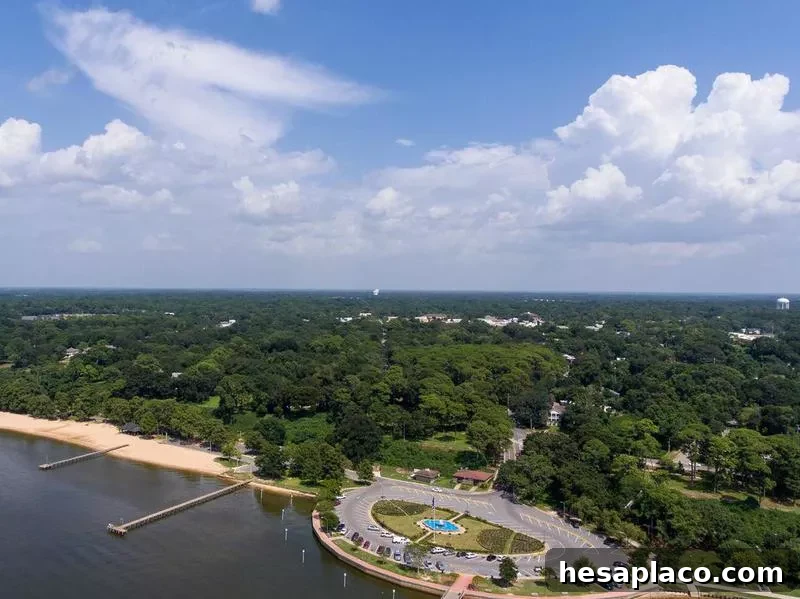
11. Daphne–Fairhope–Foley, Alabama
Getty Images
Population: 199,510
Unemployment rate: 3.6 percent
Notable industries: Real estate and retail
Located on Alabama’s Gulf Coast, this metro has seen strong one-year job growth, driven largely by small businesses and new technical and engineering positions. The region’s population has steadily increased over the past decade, and local leaders highlight eco-friendly measures to protect beaches and coastal resources.
10. Logan, Utah

Getty Images
Population: 49,957
Unemployment rate: 2.6 percent
Notable industry: Education and health care
Utah State University anchors Logan’s economy, with education and health care representing a meaningful share of local employment. The university is expanding practical training programs, including investments to build workforce skills in veterinary medicine. Affordable housing, a median household income around $52,974 and abundant natural attractions support high quality of life.
9. Albany, Oregon

Wikipedia
Population: 52,007
Unemployment rate: 4.3 percent
Notable industry: Manufacturing
Albany has seen rapid high-tech GDP growth and moved dramatically up the Milken rankings. Manufacturing, agriculture, fishing and public administration are major employers, with metal production representing a large share of manufacturing jobs. The metro is investing in logistics by repurposing industrial sites and has attracted tech companies such as Agility Robotics, which has pursued funding to develop bipedal robots.
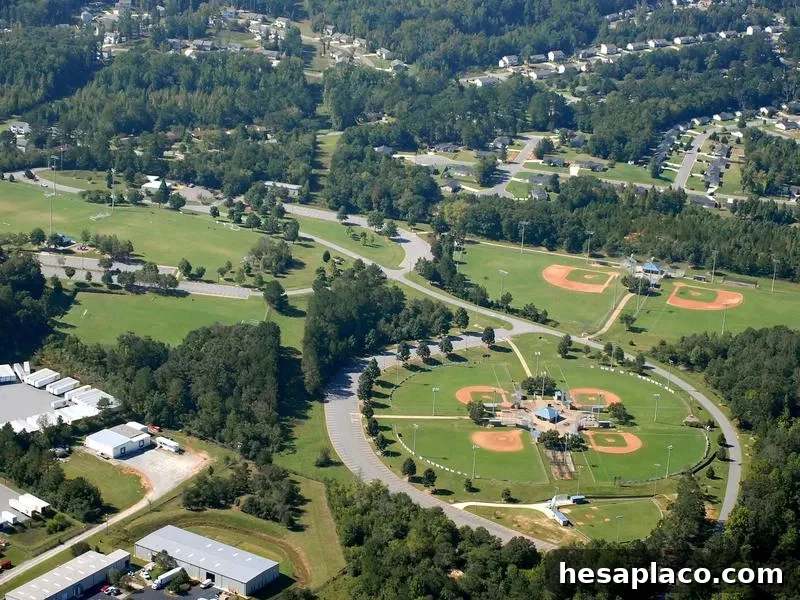
8. Athens–Clarke County, Georgia
accgov.com
Population: 122,292
Unemployment rate: 3.8 percent
Notable industry: Education
Athens benefits from a highly educated workforce centered on the University of Georgia, which employs more than 10,000 people and supports local innovation. University spin-offs have attracted significant research investment. Still, median household income remains under $50,000, and retaining younger residents who might migrate to nearby Atlanta is an ongoing challenge.
7. Medford, Oregon

Wikipedia
Population: 79,246
Unemployment rate: 4.6 percent
Notable industry: Commodities
Medford’s economy has diversified from timber into wine and cannabis, producing pronounced short-term job gains and rising the city’s ranking significantly. Median home prices are relatively affordable—around $270,000—prompting increased housing construction. The region’s growing retiree population and planned hospital expansions support continued demand for services and health care employment.
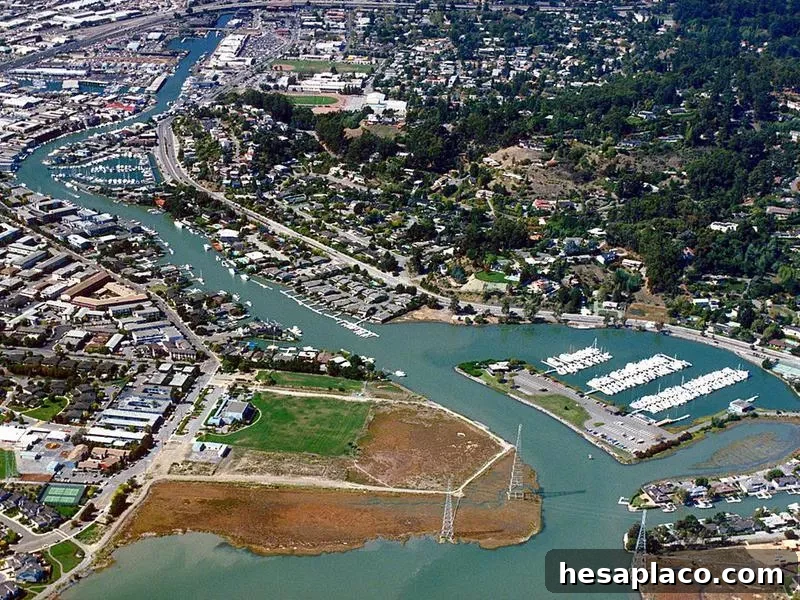
6. San Rafael, California
Wikipedia
Population: 59,180
Unemployment rate: 2.3 percent
Notable industry: Tech
Part of the greater San Francisco Bay Area, San Rafael benefits from proximity to regional strengths in biotech, computing and health care. The city is also pursuing clean energy development and has adjusted local policies to support certain entrepreneurs and new businesses. As with much of the Bay Area, housing affordability remains a persistent challenge.
5. Coeur d’Alene, Idaho
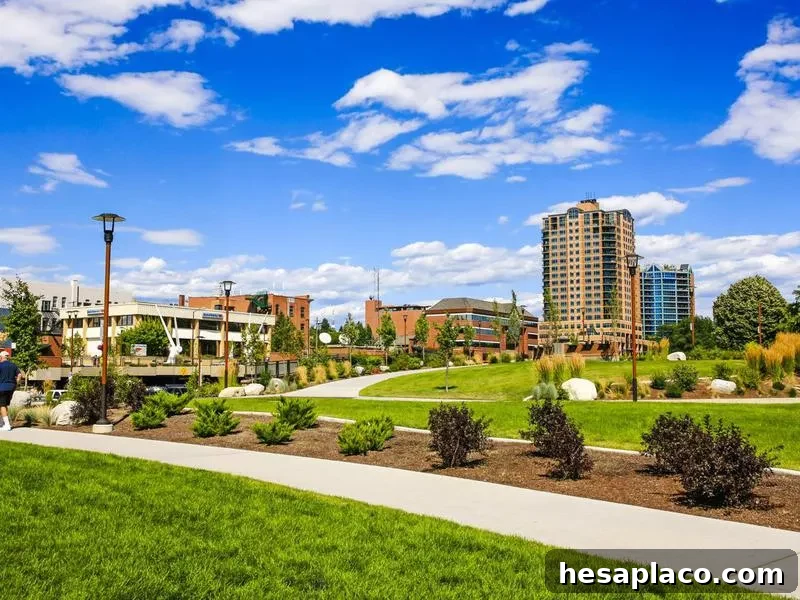
Getty Images
Population: 48,618
Unemployment rate: 3.3 percent
Notable industry: Tourism
Coeur d’Alene pairs scenic lakes and trails with a low cost of living, making it attractive to retirees and remote workers. Rapid housing permit growth and expanding broadband infrastructure aim to support population growth and new businesses. Local innovation spaces and improved internet access are helping entrepreneurs launch companies that could compete at larger regional scales.
4. Elkhart–Goshen, Indiana
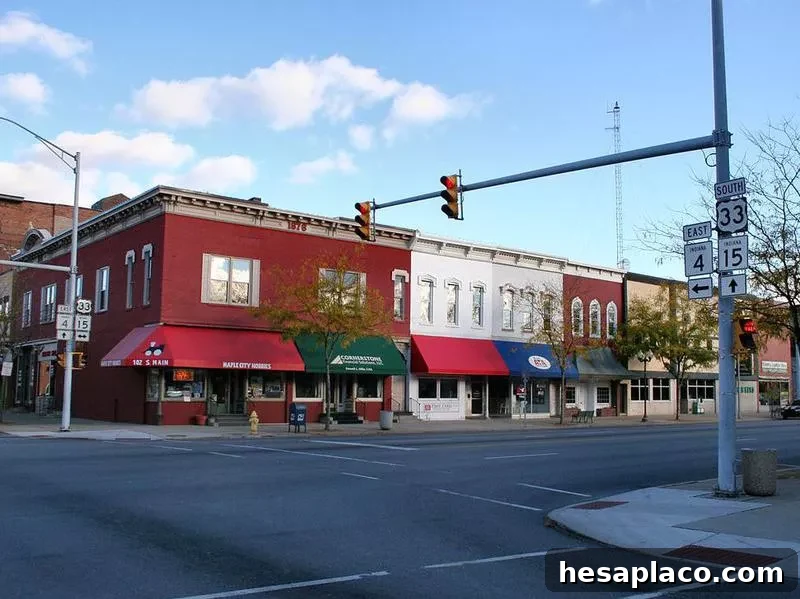
Wikipedia
Population: 52,662
Unemployment rate: 3.1 percent
Notable industry: RV manufacturing
Elkhart–Goshen has shown steady wage and job growth, in part due to a concentrated RV manufacturing cluster. Thor Industries, a leading RV manufacturer, employs thousands locally. Housing construction has increased to meet workforce demand, and significant infrastructure investments are expected to support further expansion.
3. Gainesville, Georgia
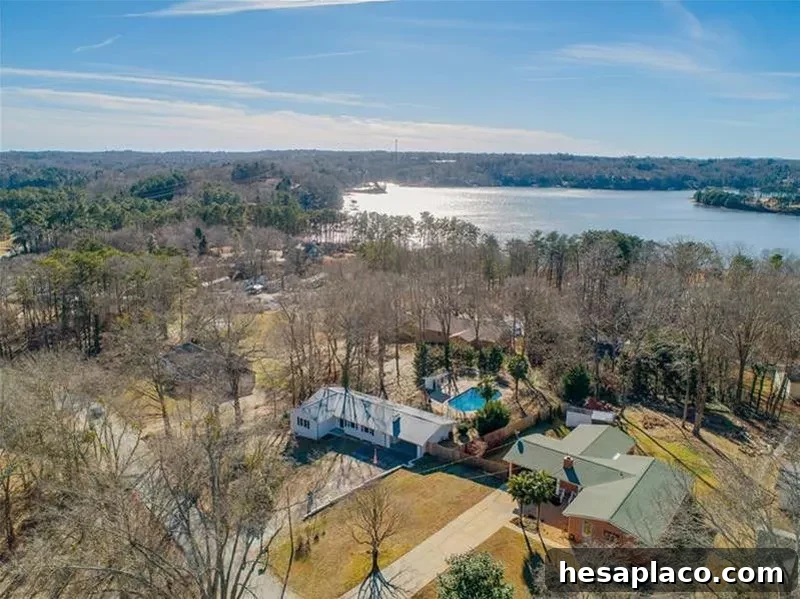
Realtor
Population: 37,291
Unemployment rate: 3.3 percent
Notable industry: Manufacturing
Gainesville’s manufacturing sector has attracted international investment and driven local economic growth. Companies from Turkey and Japan have expanded operations in the region. The local technical college has benefited from this growth, moving into a large new facility. Manufacturing-driven expansion has stimulated demand in housing and health care, while designated opportunity zones offer incentives for future investment.
2. St. George, Utah

Getty Images
Population: 79,995
Unemployment rate: 3.3 percent
Notable industry: Tourism
St. George offers affordable housing, growing health care services and strong tourism credentials, attracting retirees and startups alike. Investments have focused on senior living and medical facility expansion. Local colleges and startups benefit from proximity to natural assets—Zion National Park is a major regional draw—and the metro supports a thriving environment for businesses seeking a sustainable growth location.
1. Bend–Redmond, Oregon
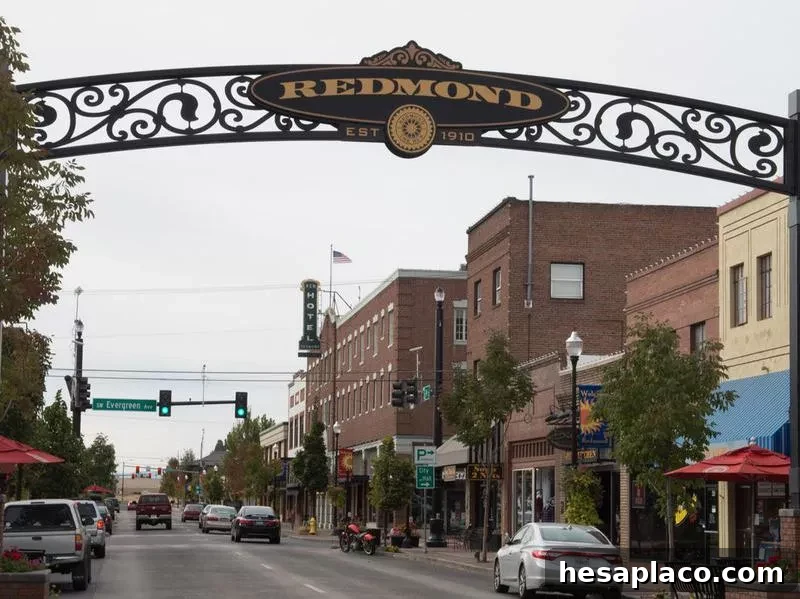
Getty Images
Population: 87,000
Unemployment rate: 3.6 percent
Notable industry: Tourism
For the third consecutive year, Bend–Redmond topped the Milken Institute’s small city rankings, leading in five-year job and wage growth. The metro has a substantial retiree population and significant non-wage income; St. Charles Medical Center is the largest employer. Bend also draws tech entrepreneurs and small businesses, supported by Oregon State University–Cascades’ innovation initiatives. While job growth and investment have accelerated, many workers in the metro remain in low-wage positions, a challenge local leaders continue to address.