
Burnout and chronic stress have become common features of modern working life. While personal responsibilities and individual circumstances matter, national labor laws, workplace culture and public policy also shape how much time people can realistically take to rest.
The global gap in work-life balance is striking. In some countries, employees receive generous paid vacation and public holidays. In others, workers have fewer than 20 paid days off per year, and in the lowest-ranking countries, paid time away from work barely reaches double digits.
Below are the countries with the least paid time off, based on average annual vacation days and public holidays. The United States appears much closer to the bottom than many people might expect.
Rankings and paid vacation-day data are based on a Resume.io study. Population figures are from World Population Review.
8. Lebanon (Tie)

minemero / Getty Images
Population: 5.4 million
Average vacation days: 17
Bottom line: Lebanon ranks among the countries with the least paid time off, with workers receiving an average of 17 paid days away from work each year. That total includes only two paid public holidays and about 15 paid leave days.
The country’s limited vacation policy exists against a backdrop of political and economic instability. Years of conflict, high unemployment, energy shortages and financial strain have made daily life difficult for many residents. In that environment, paid time off often becomes a lower priority than job security and basic economic survival.
8. Nigeria (Tie)
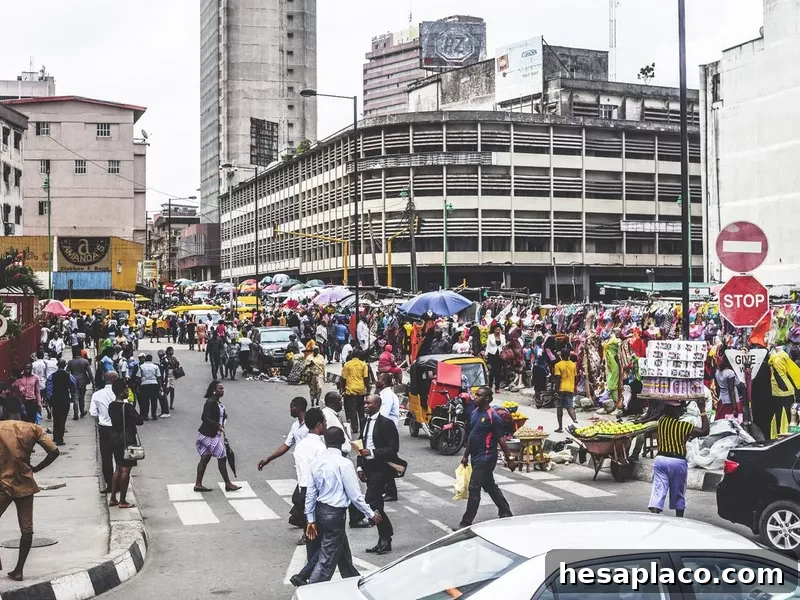
peeterv / Getty Images
Population: 220.8 million
Average vacation days: 17
Bottom line: Nigeria has one of Africa’s largest economies, with a gross domestic product of $440.8 billion, according to World Bank data. However, that economic size has not necessarily led to stronger vacation benefits for the average worker.
Wealth in Nigeria is unevenly distributed, and many people work in conditions where benefits are limited. While the country’s wealthiest citizens may be able to take extended trips and enjoy luxury travel, the average employee receives fewer than 20 paid days off per year.
8. Philippines (Tie)
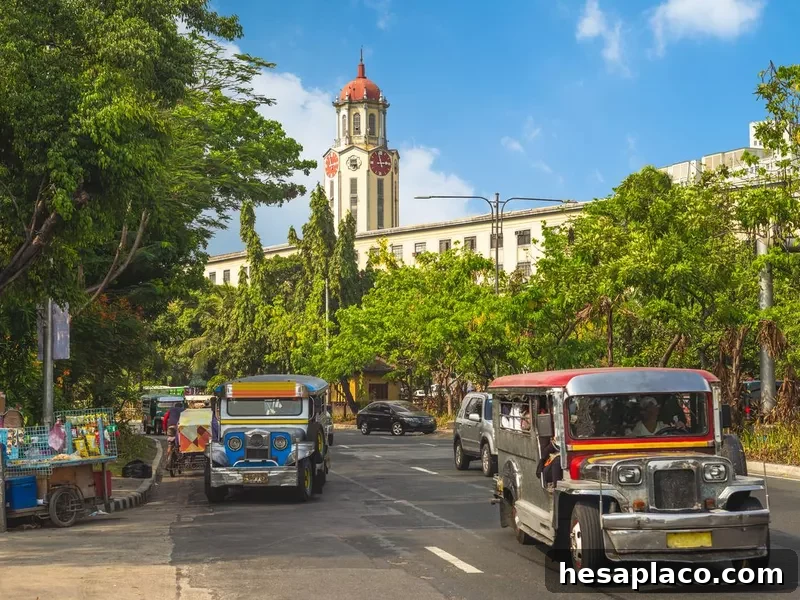
Jui-Chi Chan / Getty Images
Population: 116.3 million
Average vacation days: 17
Bottom line: The Philippines is known around the world as a tropical vacation destination, but many Filipino workers receive limited time to rest. Employees average about 17 paid days off per year, including 12 public holidays and five days of paid leave.
The country has a large manufacturing sector, and labor protections are not always applied evenly. In some workplaces, long hours and demanding schedules have helped expand production while leaving workers with relatively few opportunities for paid rest.
8. Taiwan (Tie)
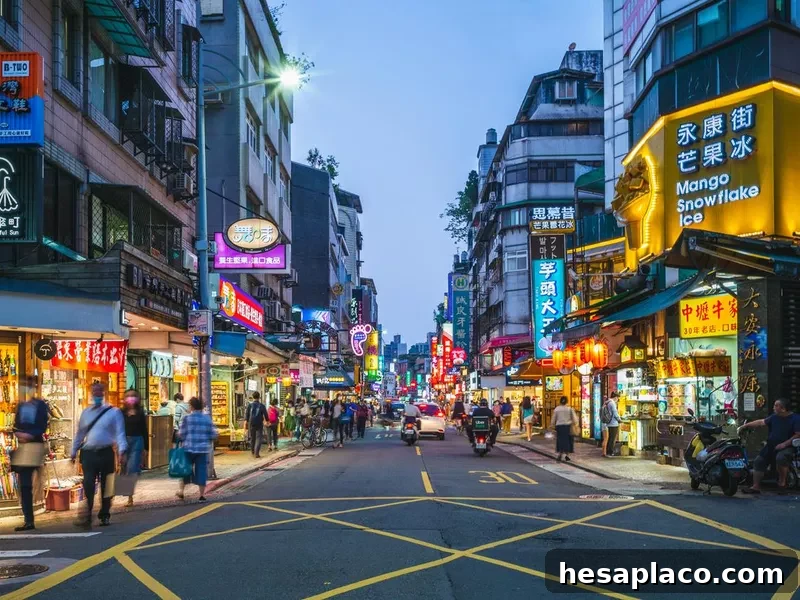
Jui-Chi Chan / Getty Images
Population: 23.9 million
Average vacation days: 17
Bottom line: Taiwan is often described as one of Asia’s major economic success stories. After World War II and the fall of the Japanese empire, it developed rapidly and became known for its strong healthcare system, advanced technology sector and high standard of living.
Even with these achievements, Taiwan ties for eighth place among countries with the least paid time off. Its workers receive an average of 17 paid days away from work each year, which is modest compared with countries that provide far more generous annual leave and public holidays.
7. China

axz66 / Getty Images
Population: 1.43 billion
Average vacation days: 16
Bottom line: China’s rapid economic rise has been powered in part by a demanding work culture and labor system that has often been criticized for failing to adequately protect workers. Reports of difficult factory conditions, long hours and wide income inequality help explain why China appears on this list.
Traditional workplace expectations can also discourage employees from questioning authority or asking for more time off. Similar pressures are seen in other East Asian countries, including South Korea and Japan, where overwork has been linked to serious health problems. In China, the average amount of paid time off is only 16 days per year.
6. Mexico

R.M. Nunes / Getty Images
Population: 128 million
Average vacation days: 14
Bottom line: Mexico is widely associated with warm hospitality, family life and a lively social culture. However, its paid time off policy is far less generous than its reputation for leisure might suggest. Workers average 14 paid days off per year, including six vacation days and eight public holidays.
A large share of Mexico’s workforce is part of the informal economy. These workers often live day to day without formal benefits, stable contracts or guaranteed paid leave. As a result, the country’s official vacation protections only cover a portion of the labor force, leaving many people with little practical access to paid rest.
5. Kiribati
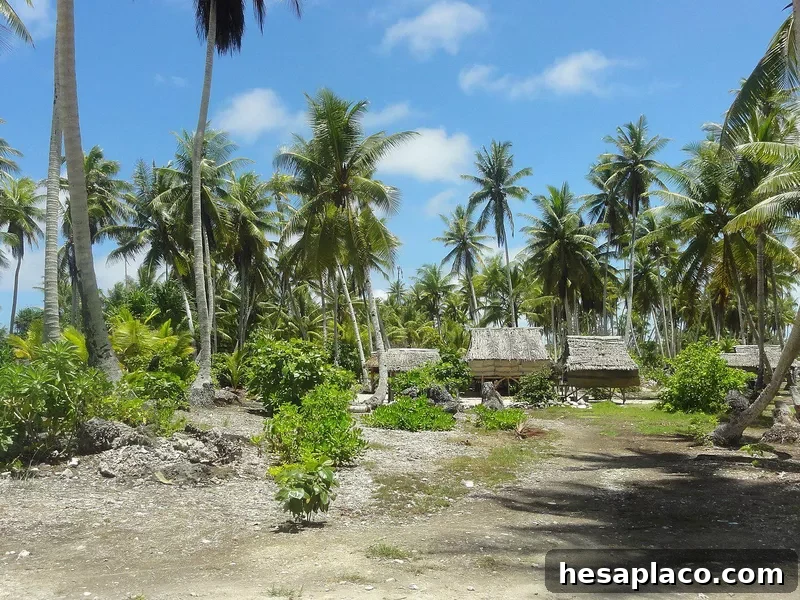
Erin Magee/DFAT / Wikimedia Commons
Population: 132,338
Average vacation days: 13
Bottom line: Kiribati is a small Pacific island nation with limited economic opportunities. Phosphate mining was once an important source of income, but the resource was heavily exploited and eventually depleted.
Although Kiribati is rich in natural beauty, many residents face poverty and a lack of stable employment options. These economic challenges affect workplace benefits, including paid vacation. When people are focused on earning enough to survive, demanding more vacation time is rarely realistic.
As a result, workers in Kiribati receive an average of just 13 paid days off per year.
4. Palau
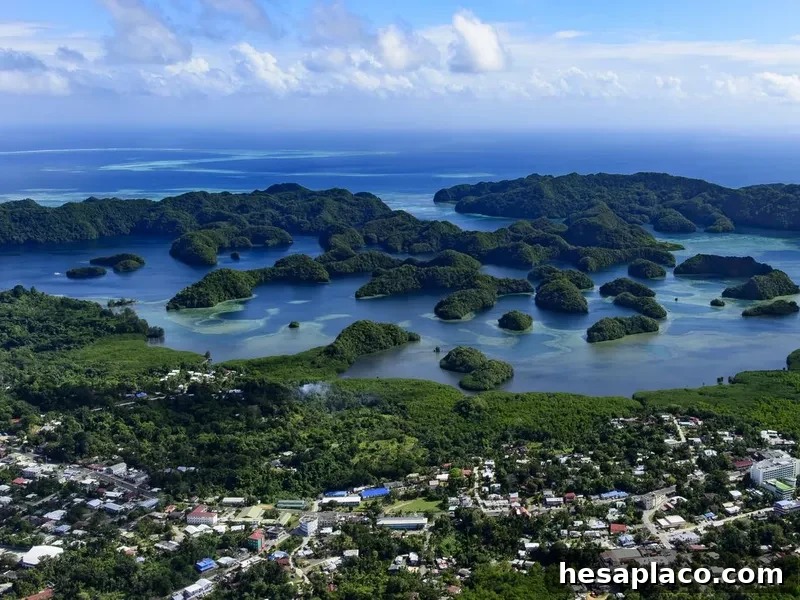
Norimoto / Getty Images
Population: 18,055
Average vacation days: 12
Bottom line: Palau is another small island nation with a narrow economic base. Its tourism industry is more developed than that of some neighboring Pacific countries, attracting divers and snorkelers with coral reefs, marine life and World War II wreck sites.
Even so, the work available to many residents is concentrated in agriculture and tourism. Both industries are known for long hours, seasonal pressure and limited days off. With an average of only 12 paid vacation days per year, Palau ranks among the lowest countries in the world for paid time off.
2. Nauru (Tie)
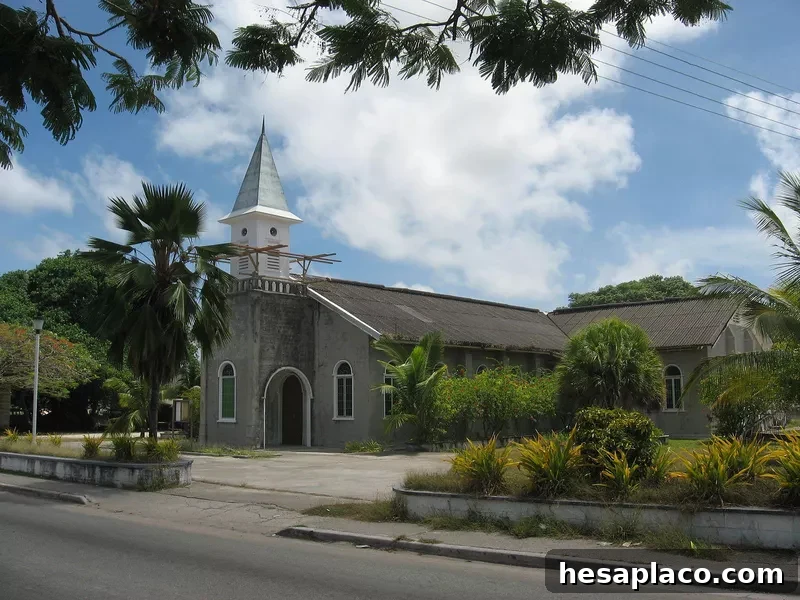
Vladimir Lysenko (I.) / Wikimedia Commons
Population: 12,826
Average vacation days: 10
Bottom line: Nauru, like Kiribati, once benefited from phosphate resources that were eventually exhausted. Today, the island nation faces limited economic opportunities and a small labor market.
The government is Nauru’s largest employer, which makes its limited vacation protection especially notable. Workers are not guaranteed paid annual leave in the same way employees are in countries with stronger labor laws.
Unless employees work for a company that voluntarily offers more generous benefits, they can generally expect paid time away from work only on the 10 public holidays observed throughout the year.
2. United States (Tie)

xavierarnau / Getty Images
Population: 339 million
Average vacation days: 10
Bottom line: Despite having the largest gross domestic product in the world, the United States is known for weak legal protections around paid time off. It is the only developed country without a national paid vacation requirement, which means paid leave is generally left to employers.
Some American workers do receive generous vacation packages, especially in full-time professional roles. However, that benefit is far from universal. Part-time workers, hourly employees and people in lower-wage industries often receive little or no paid vacation.
The average of 10 paid days off reflects public holidays rather than guaranteed vacation for all workers. In many industries, even those holidays are not automatically observed.
1. Federated States of Micronesia
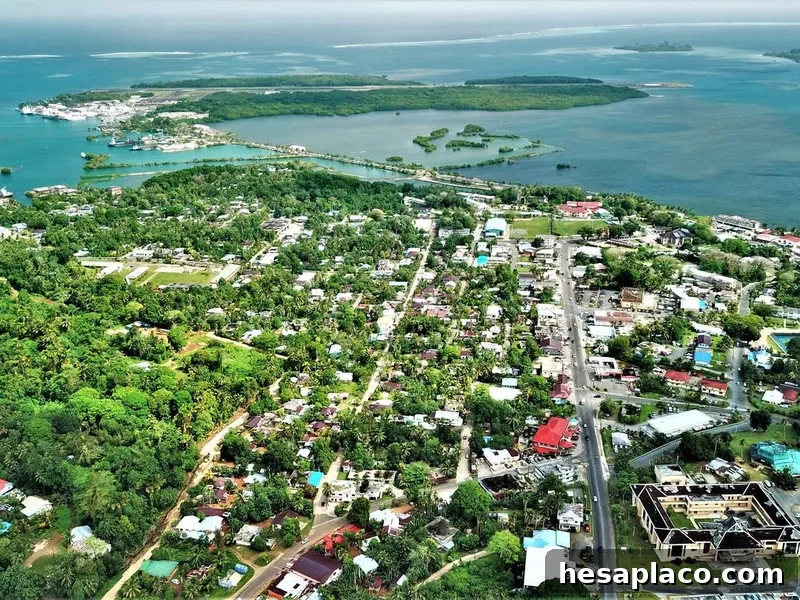
KKKvintage / Getty Images
Population: 114,480
Average vacation days: 9
Bottom line: The Federated States of Micronesia has the lowest average paid time off on this list, with only nine paid days per year. Like several other Pacific island nations, it faces economic challenges linked to limited land, few natural resources and a small domestic market.
Many people rely on informal work, subsistence farming or fishing to support themselves and their families. In these circumstances, taking time off can be financially difficult or even impossible.
Micronesia’s position at the bottom of the ranking highlights how closely paid vacation is tied to economic development, labor protections and the bargaining power of workers.