
Co-signing a loan may feel like a kindness, but it legally binds you to someone else’s debt—even if you never handle the money or the item it finances. If the primary borrower falls behind, lenders will pursue you just as aggressively. Your credit score can drop, your savings may be at risk, and your future borrowing power can be constrained. Because the consequences are serious and common, many financial advisors advise avoiding co-signing, even for close family or trusted friends.
You Don’t Own the Car, But You Owe the Debt

Credit: Getty Images
A common scenario involves co-signing for an auto loan. The primary borrower receives and uses the car, but you remain responsible if payments stop. You may not hold the title, your name might not appear on the registration, and you can have little control over how the vehicle is maintained, insured, or sold.
Parents Risk More Than Just Money

Credit: Getty Images
When parents co-sign for a child, their motive is usually to help. Yet the risks extend beyond the immediate loan. A co-signed obligation can reduce retirement savings, drain home equity, or limit the ability to support other children later on. Many people underestimate how much this can disrupt long-term financial planning and personal peace of mind.
Your Credit Will Take the Fall

Credit: Getty Images
Even a single missed payment by the borrower can harm your credit report. Lenders report delinquencies and balances to credit bureaus, and those marks show up on your file too. A lower credit score can make future applications harder and more expensive, since payment history is a major factor in scoring models and recovery may take years.
Locks Up Your Borrowing Room

Credit: Getty Images
Once you co-sign, the debt becomes part of your financial profile. Future lenders will include that obligation when calculating your debt-to-income ratio and making lending decisions. Large or long-term co-signed loans can disqualify you from new credit or force you into higher interest rates.
There Are Better Ways to Help

Credit: Canva
If the problem is weak credit, you can help without accepting legal liability. Offer to review their credit reports with them, point out errors, and explain which behaviors damage scores. Help them build a budget, set up automatic payments, or explore credit-builder products that don’t place your finances at risk.
You’re Taking On 100% Of the Risk

Credit: Getty Images
Co-signing does not split risk evenly. Legally, you are liable for the entire loan if the primary borrower defaults. Lenders will demand full repayment from you, including accrued interest, late fees, and any outstanding balance that remains after repossession or sale.
You Might Lose Thousands, Even If the Item Still Exists

Credit: Getty Images
Repossession rarely restores your financial position. Vehicles and other financed items depreciate quickly—new cars can lose a substantial portion of their value almost immediately—and damage, poor maintenance, or uninsured use can reduce resale value further. You might end up paying the remaining loan balance for an item that has little or no resale value.
Giving A Gift Sets Healthier Boundaries

Credit: Getty Images
If you have the means and truly want to help, consider a direct gift instead of co-signing. A gift limits your exposure to a fixed amount, eliminates legal liability for repayment, and reduces the chance of tension or resentment that unpaid obligations can cause. It also preserves clearer financial boundaries in personal relationships.
Hard To Monitor, Impossible to Control

Credit: Pressmaster
When you co-sign, you typically receive little or no account information from the lender. Statements, payment reminders, and balance updates usually go only to the primary borrower. That lack of transparency means you may not learn about missed payments until the problem has already damaged your credit or collection efforts begin.
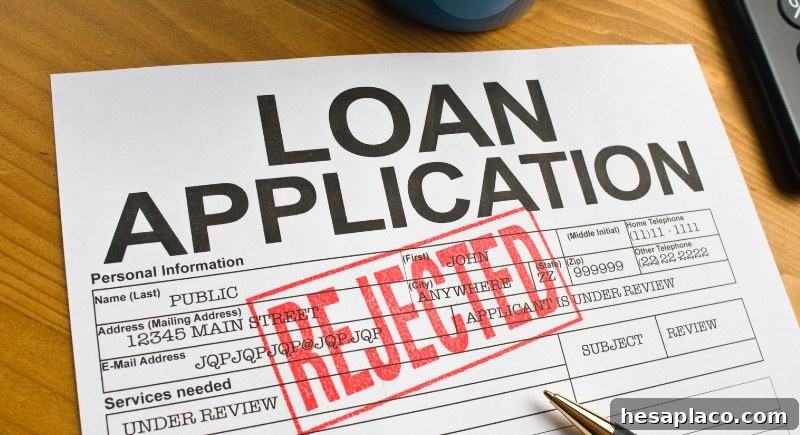
Even Small Obligations Can Haunt You for Years
Credit: Getty Images
Even modest co-signed loans can have long-term consequences. A few late payments on a small account can still affect your debt-to-income calculation and your creditworthiness. Lenders view all reported obligations when assessing new credit, so even small debts can limit options down the road.