
Small expenses add up faster than you might expect. Twenty dollars can disappear after a couple of takeout orders or an extra coffee. But small, consistent choices can create meaningful savings. Simple habits—packing lunch, canceling forgotten subscriptions, or using tap water—stack over time and add up without heavy effort.
Meal Prep Beats the Lunch Line

Credit: Getty Images
Packing your lunch instead of buying it every workday can save a surprising amount—often more than $2,000 a year for many people. You don’t need to prepare every meal to benefit; prepping a few lunches or dinners a week and using leftovers stretches groceries further and makes weekday meals quicker than waiting in line for takeout.
Use the Library for More Than Books

Credit: Canva
Modern libraries lend far more than books. Many offer tools, video games, museum passes, kitchen equipment and free community workshops. Some host repair cafés where volunteers help fix broken items. A library card can be one of the most valuable free resources in your budget toolkit.
Set Up Auto-Savings on Payday

Credit: Getty Images
Automating savings removes the temptation to skip it. Many banks let you split your paycheck or set up recurring transfers so a set amount moves to savings as soon as you’re paid. Behavioral research shows people save more consistently when the action happens automatically rather than being delayed by decision-making.
Switch to a Cheaper Phone Plan

Credit: Canva
Many people overpay for mobile features they rarely use. Low-cost carriers and prepaid plans can drastically reduce monthly bills—sometimes by half—without sacrificing necessary service. Reviewing and switching plans periodically can deliver substantial annual savings.
Drink Tap Water Instead of Bottled

Credit: pixelshot
Bottled water may be convenient, but it often costs many times more than tap water. In most areas, tap water is safe and far cheaper. Carrying a reusable bottle for home and travel cuts recurring costs and reduces plastic waste.
Embrace “No Spend” Days

Credit: pixelshot
Designate one or two days a week with no discretionary spending. These days encourage creativity with what you already own—using pantry staples, finishing leftover meals, or choosing free activities like a walk or a home board game. Small stretches of restraint can add up quickly.
Keep a Wishlist Instead of Buying Instantly

Credit: Getty Images
Impulse purchases often lose their appeal after a day or two. Add items you’re tempted to buy to a wishlist and wait 48 hours before deciding. You’ll avoid many unnecessary purchases, and sometimes retailers offer discounts on items left in carts or wishlists.
Use a Cash Budget for Weekly Spending

Credit: pexels
Withdrawing a set amount of cash for weekly personal expenses creates a clear spending boundary. People tend to spend more when they use cards rather than cash, so allocating physical money for incidentals can curb overspending and increase awareness of where your money goes.
Cut Unused Subscriptions Without Guilt

Credit: Canva
Auto-renewing services can silently drain your budget. Review statements regularly to find subscriptions you no longer use—extra streaming services, apps, or memberships—and cancel them. Stopping unused subscriptions is an easy win that increases available cash each month.
Skip the Drinks When Eating Out

Credit: Canva
Soft drinks, cocktails and wine look like small extras but add $3–$7 per meal. Choosing tap water or sharing a drink reduces the bill and cuts calories. When dining out multiple times a month, skipping beverages can free up a noticeable amount of money.
Shop Your Pantry Before Buying More

Credit: Canva
Before shopping, inventory what you already have. Treat the pantry like a mini store and plan meals around existing staples—rice, canned beans, pasta, and frozen vegetables can become quick dinners. Using what’s on hand reduces food waste and prevents buying duplicates.
Make a Habit of Comparing Prices

Credit: PeopleImages
A quick price check can prevent overspending. Compare prices online and in stores before purchasing, and watch for typical seasonal discounts—electronics and appliances often drop at predictable times of year. Simple comparison shopping saves money without much extra time.
Borrow Before You Buy

Credit: Getty Images
If you only need an item occasionally, consider borrowing from friends, neighbors, or community groups. Platforms like local lending circles, Buy Nothing groups, or Freecycle often have what you need for free. Borrowing prevents single-use purchases and saves space at home.
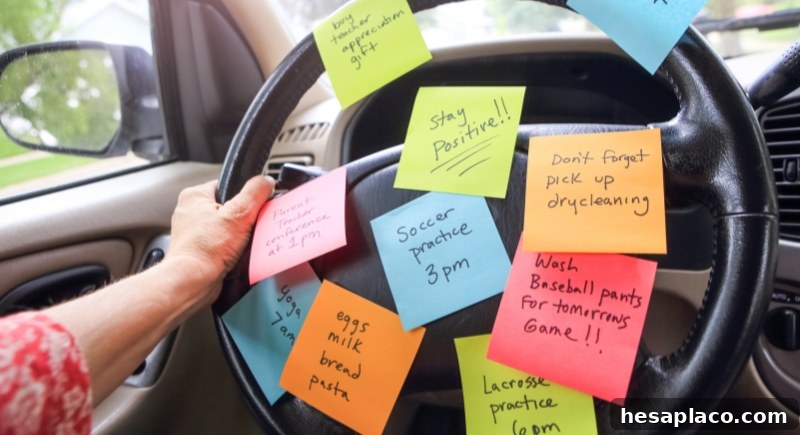
Batch to Save on Gas
Credit: Canva
Grouping errands into a single trip reduces miles driven and time spent in traffic. Combining stops and avoiding peak-hour travel can cut fuel costs and lower vehicle wear. Even small changes—one fewer round-trip per week—add up over a year.
Cook in Batches and Freeze Extras

Credit: Canva
Doubling recipes and freezing portions makes weeknight meals faster and cheaper than ordering takeout. Freezing soups, casseroles and cooked grains gives you ready-made meals for busy days, reduces food waste and ensures a low-cost alternative to delivery when time is tight.