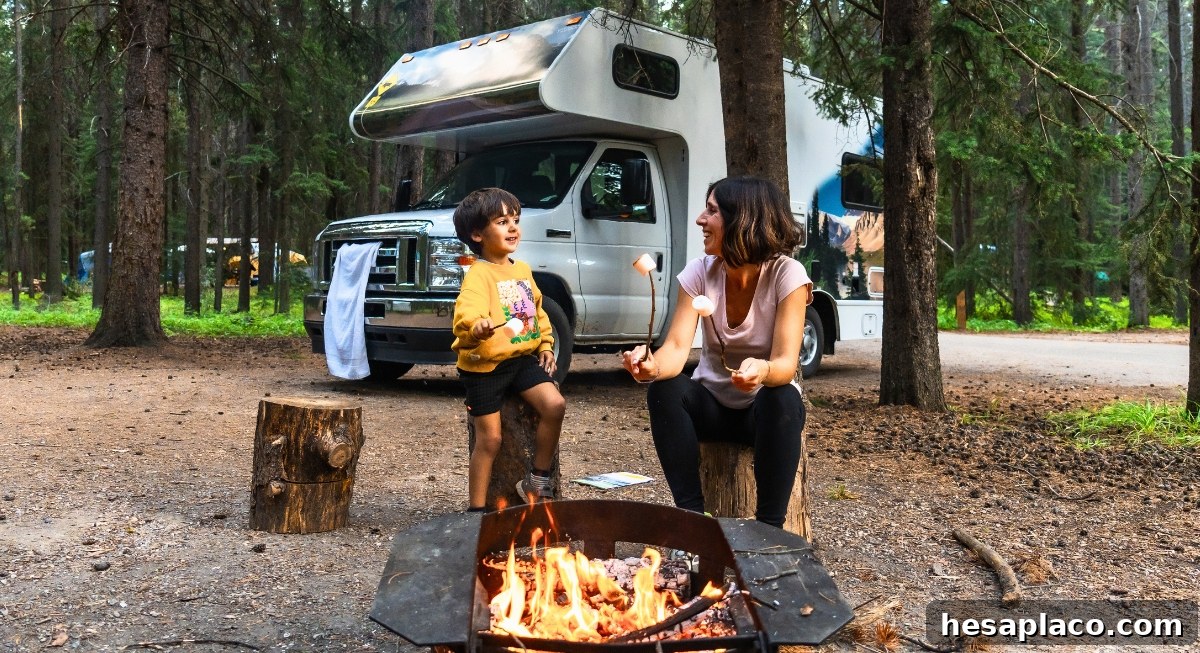
At some point, staying in one place stops working for certain people. The repetitive view and the fixed routine of a traditional home can start to feel more like a constraint than a comfort. Moving into an RV or adopting a mobile lifestyle is more than a change of scenery — it’s a shift in how you structure daily life. To thrive on the road you need new habits, practical adjustments, and a willingness to adapt.
Redefine What “Home” Means
Credit: Canva
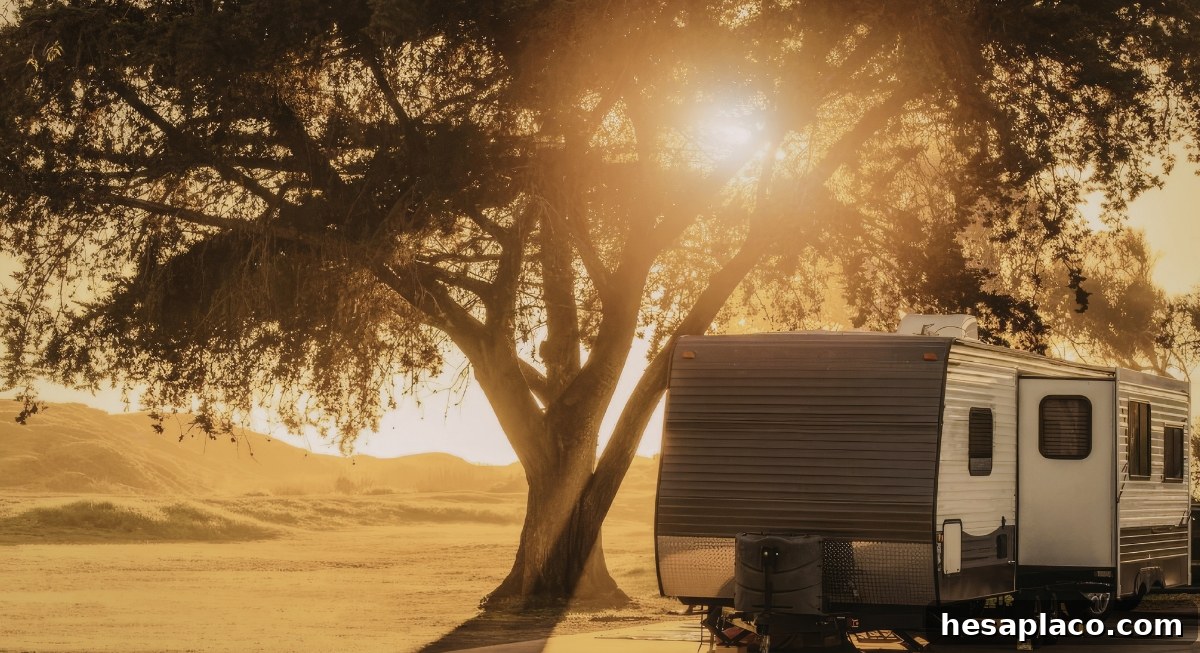
Home stops being a fixed location and becomes a consistent living environment that moves with you. Over the past two decades, more people have chosen mobile setups that allow them to relocate without disrupting daily routines. When your habits, schedule, and possessions are organized around a mobile life, staying in one place becomes an intentional choice instead of the default.
Let Go of Excess to Make Life on the Road Work
Credit: pexels
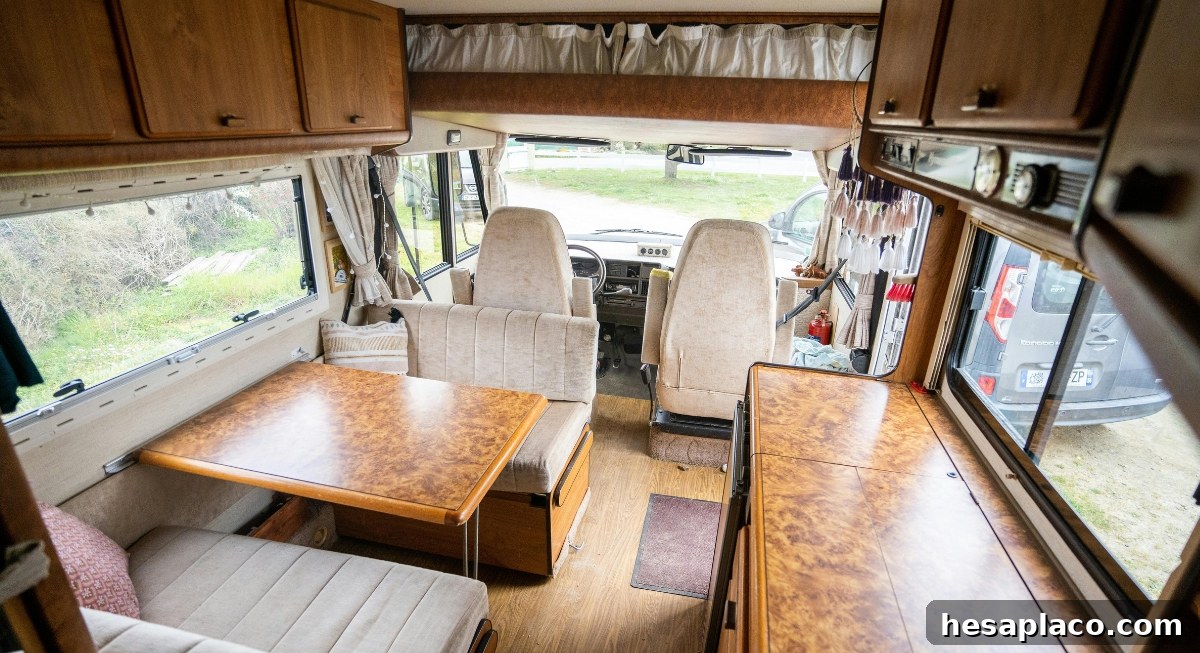
You can’t bring everything, so you have to decide what you actually use. Many people begin downsizing months in advance, sorting belongings into what stays and what goes. The goal isn’t merely to save space, but to reduce the amount of maintenance and decision-making. Fewer items mean fewer tasks, less upkeep, and fewer reasons to remain somewhere longer than you intend.
Stop Treating Travel Like a Special Occasion
Credit: Canva
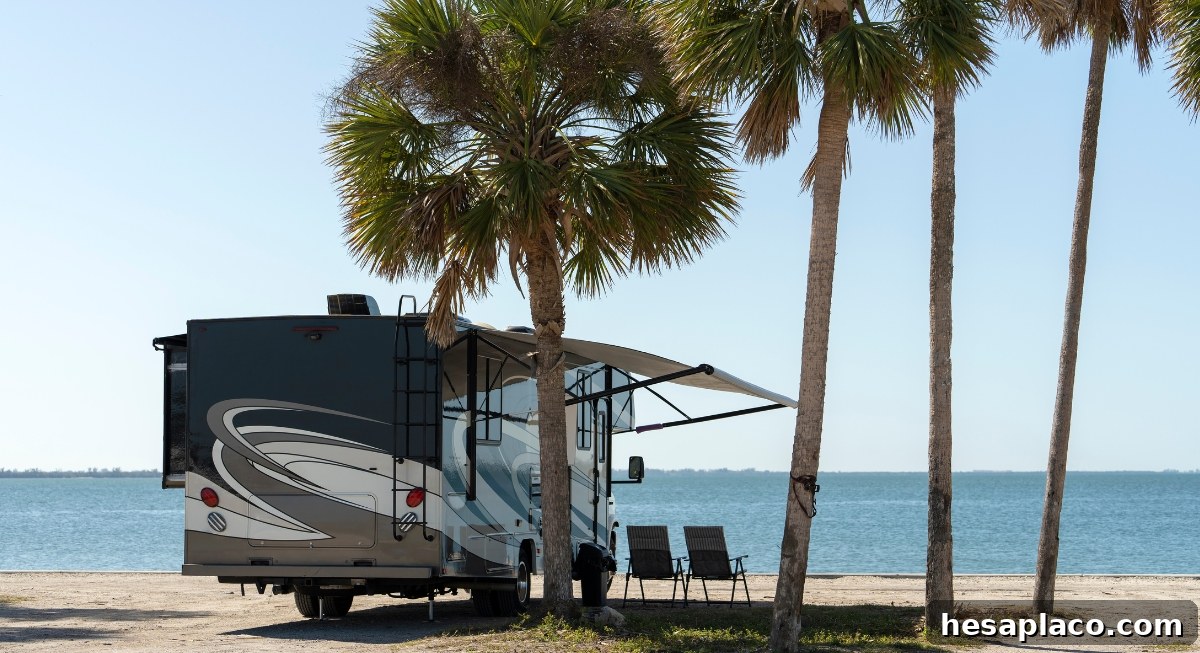
When changing locations becomes part of daily life, travel no longer feels like a rare event that must be perfectly scheduled. There’s no need to compress everything into a tight itinerary. You can linger in places that work, move on from those that don’t, and pass on plans without feeling like you missed out. With less pressure to optimize every minute, each stop becomes easier to enjoy.
Build a Budget That Supports Travel
Credit: Canva
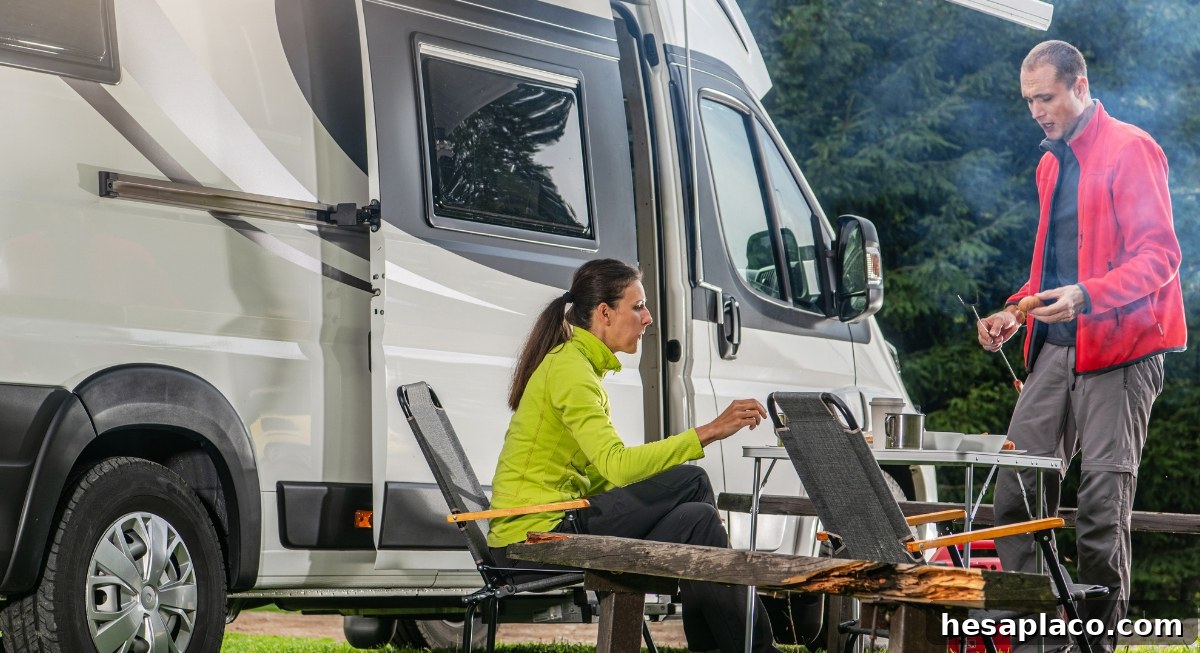
Without a permanent home base, spending shifts toward day-to-day needs. Instead of paying for unused property, expenses go toward fuel, campsites, food, and vehicle maintenance. Some people find they spend less overall, while others maintain or increase spending depending on how often they move and where they stay. The key difference is that costs become closely tied to how you live each day.
Choose Flexibility Over Fixed Plans
Credit: Canva
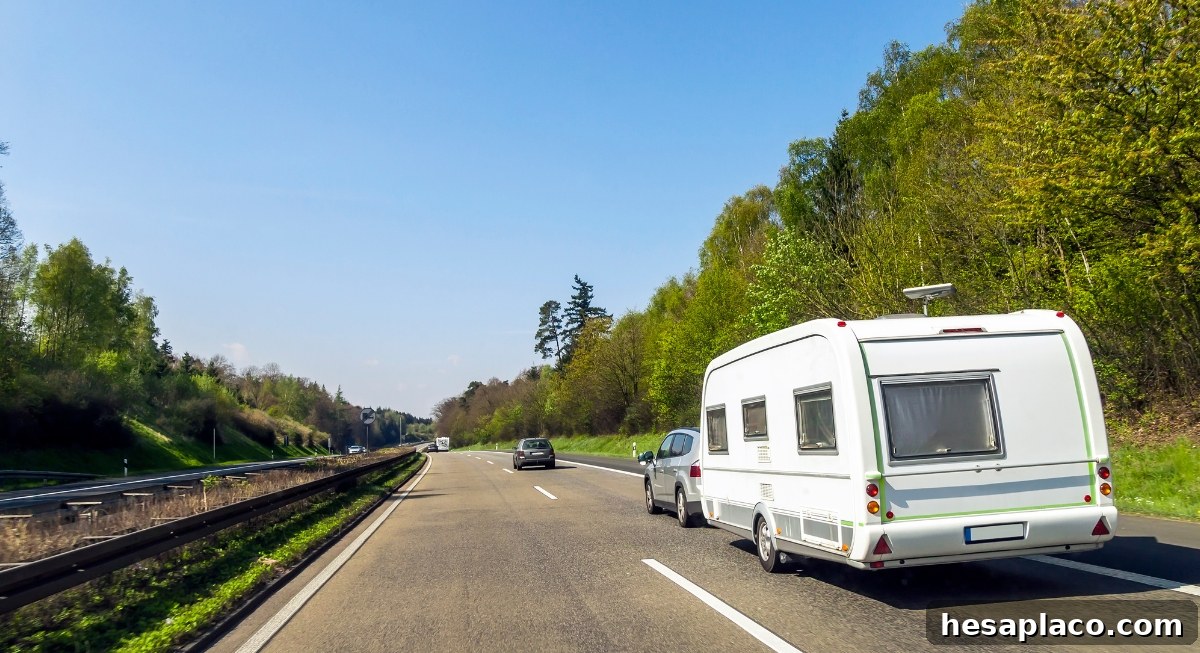
Planning still matters, but rigid schedules can create unnecessary limits. A flexible route works better than a fixed itinerary: weather changes, roads close, and unexpected opportunities appear. Being willing to adjust as you go simplifies decisions and reduces the need to constantly rewrite plans.
Learn to Live Comfortably in Small Spaces
Credit: Canva
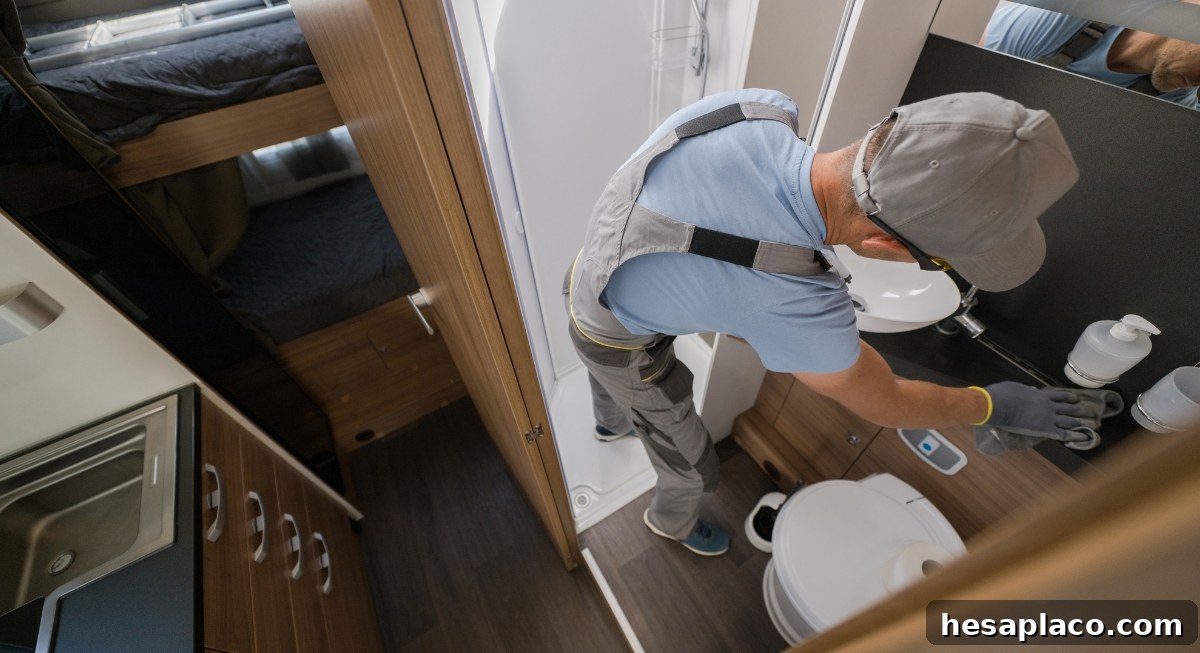
Limited space requires thoughtful organization. Storage should be arranged based on how often you use items, not just where they fit. Multipurpose gear, simple layouts, and clear systems make daily tasks easier. When everything has a designated place, the space stays functional and is easier to keep tidy and efficient.
Take Full Responsibility for Your Own Safety
Credit: Getty Images
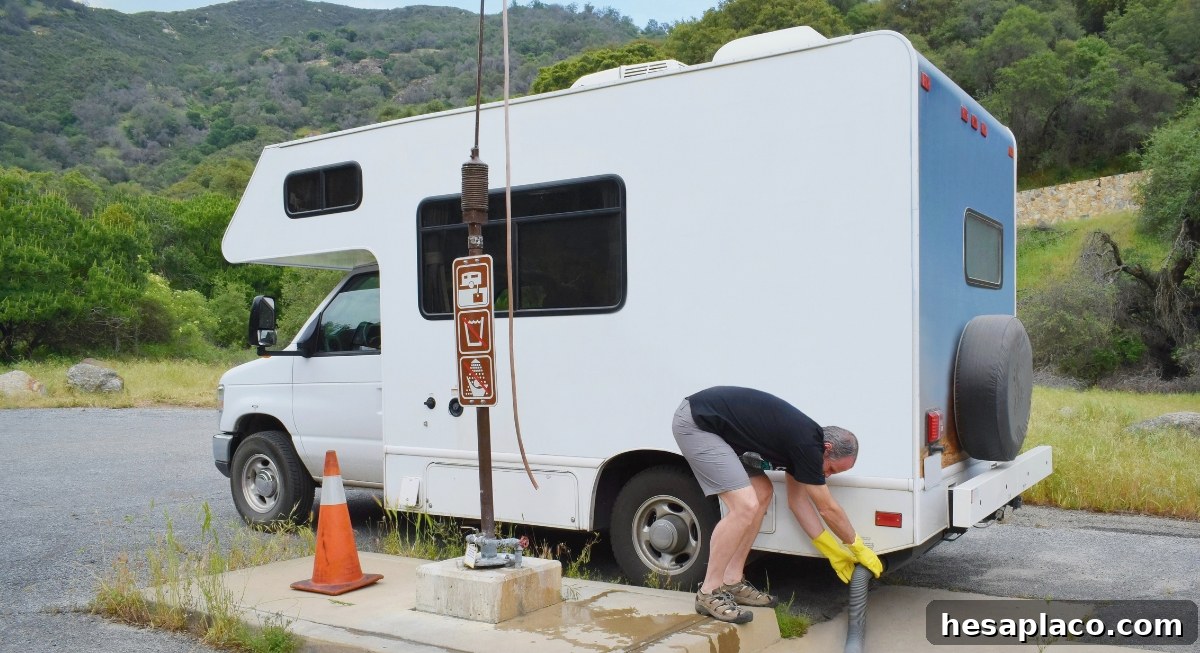
Life on the road means handling problems without a fixed support system. There’s no landlord or nearby backup, so basic maintenance knowledge, essential tools, and emergency supplies are crucial. Staying aware of your surroundings and learning to troubleshoot common issues will make this lifestyle safer and more sustainable over time.
Create Routines That Travel With You
Credit: Getty Images
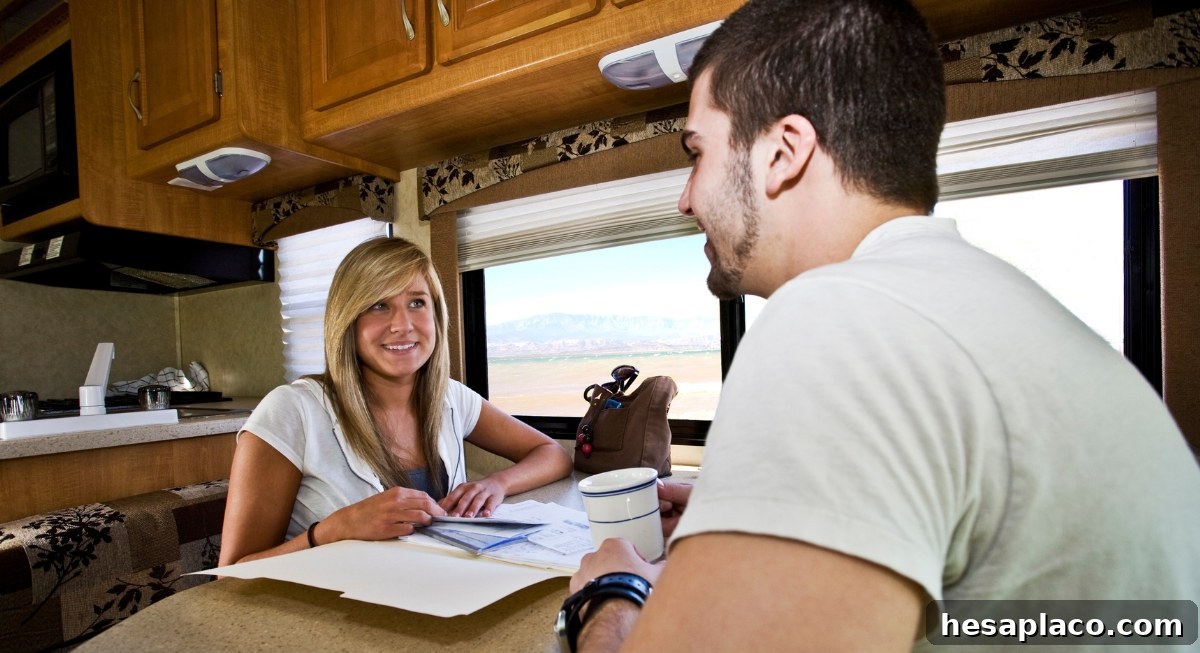
Frequent moves can disrupt structure if you don’t keep consistent habits. Simple routines — regular meals, daily walks, or a steady sleep schedule — create stability wherever you stop. Those habits make it easier to settle into new places without rebuilding your day from scratch.
Stay Connected Without Being Dependent on It
Credit: Canva
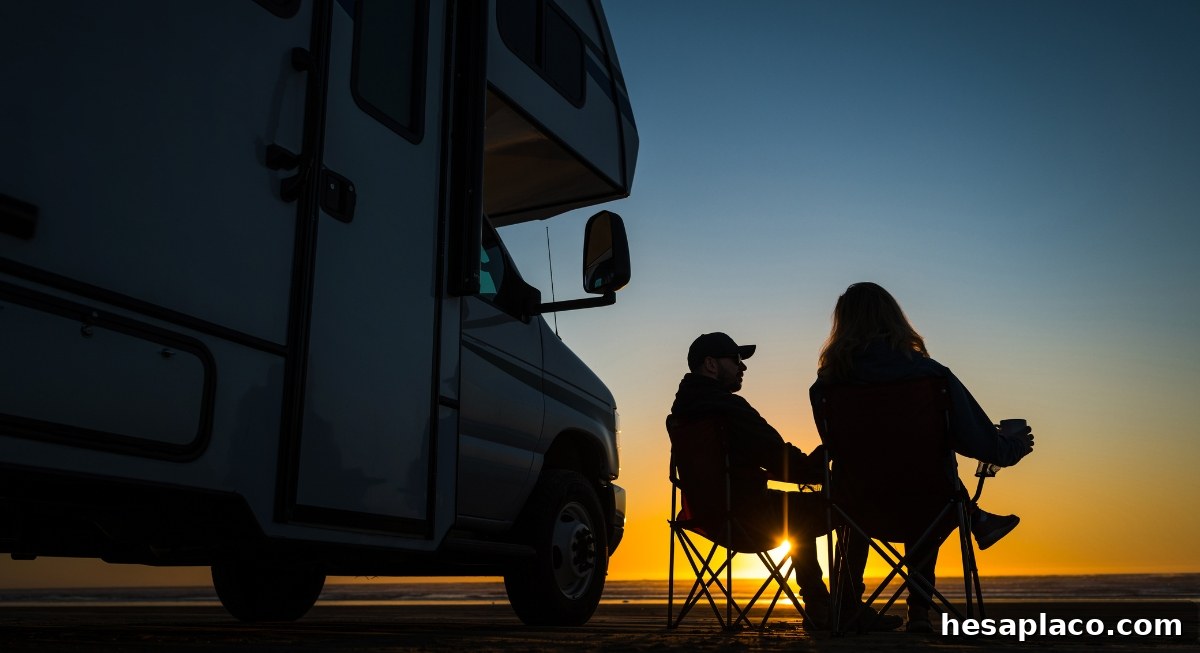
Reliable communication and internet access require planning. Many travelers rely on mobile hotspots, signal boosters, or offline downloads for areas with limited coverage. The objective is to remain reachable and manage logistics while avoiding total dependence on constant connectivity.
Slow Down Enough to Actually Experience the Road
Credit: Canva
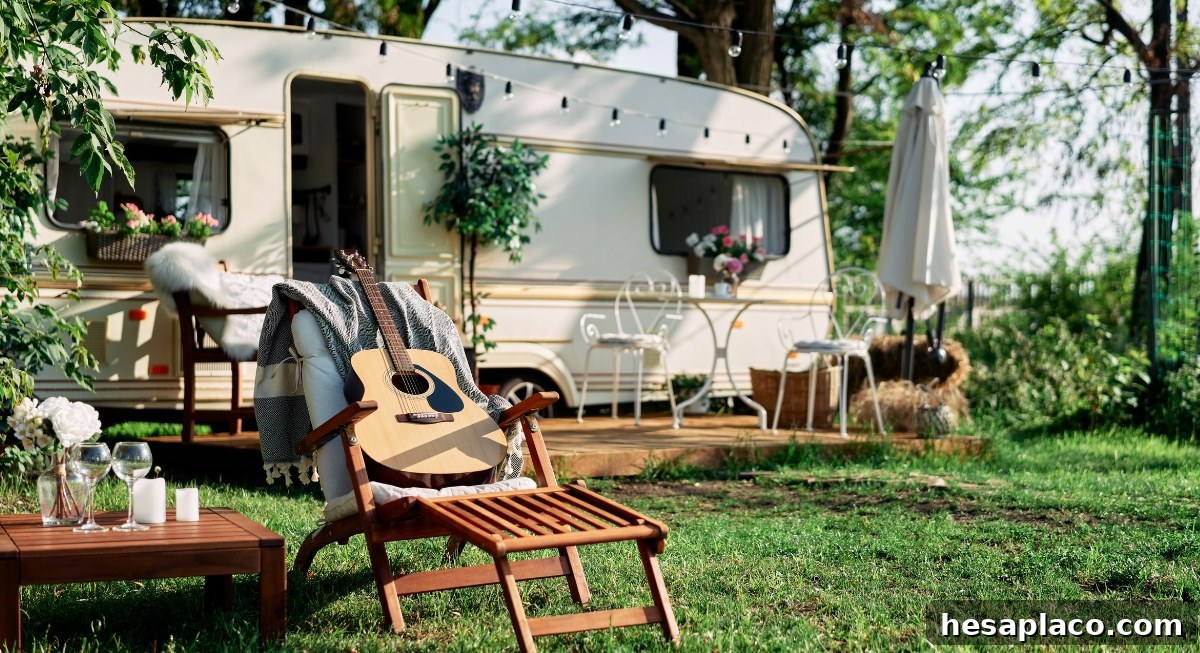
Because the option to move is always available, it’s easy to fall into a routine of constant travel. But frequent driving can become its own kind of restless habit. Staying put longer between moves and spacing out travel days creates a more manageable pace and lets you experience each location more fully. Taking time to settle in helps you appreciate the places you visit instead of simply passing through them.