
Deciding what to wear to work each day might seem trivial—after all, clothes are just clothes, right?
In reality, your wardrobe holds clues about your personality, priorities, and how you approach professional life. By taking a closer look at the items you choose to wear (and those you never touch), you can learn a lot about how you see yourself and how others might perceive you at work.
Your clothing can influence opportunities, first impressions, and even your confidence. Small changes in your closet can spark shifts in mindset that open doors to new professional possibilities. From color choices to styles and brands, the pieces you keep reveal who you are and who you might become.
Colors

Taking a good look at the colors found most often in your closet will teach you a lot about how you view yourself and your particular approach to your job. Getty Images
Marketers have long understood that color evokes predictable emotional responses—and the same applies when you wear those colors. The hues you favor can shape how you feel and how others react to you at work.
If you want to project authority and strength, black is a classic choice. Blue often signals calm creativity. Red and orange convey energy and positivity. Yellow broadcasts cheerfulness. Purple can suggest wealth or spiritual depth.
Conversely, a wardrobe dominated by whites, tans, and grays might suggest a reluctance to stand out or be noticed. Pay attention to the colors you reach for most often; they offer insight into how you view yourself and your role at work.
Unworn Clothes With the Tags Still On

We’re all guilty of buying something seemingly spectacular only to leave it sitting in our closet unworn with the tags still on. Getty Images
Most people have bought an item that looks perfect in the store, only to leave it hanging in the closet with the tags still attached. Sometimes the idea is to return it later; more often it just languishes unused.
If many pieces in your closet are unworn with labels on, it could signal that you envision a different professional or personal future but aren’t taking the steps to become it. You know what you want, yet you hesitate to follow through.
If those items still appeal, start wearing them. Choosing to use what you already own can shift your habits, reinforce follow-through, and help align your outward presentation with the goals you’ve imagined.
Overworn and Sentimental Clothes

It may be time to accept that you can now afford new suits and that particularly worn out one should no longer hold a place in your closet. Getty Images
Holding on to worn-out clothes or deeply sentimental items can keep you tied to the past. A suit you bought for your first job may hold memories, but if it’s faded, stained, or misshapen, it may no longer serve you professionally.
Letting go of overly sentimental or overly worn pieces doesn’t erase memories; it clears space for garments that better reflect who you are today and the professional image you want to project.
Not the Right Size

Getting your clothes slightly altered and tailored to fit you better could make all the difference in the world. Getty Images
Wearing garments that are too big or too small can indicate a mismatch between how you see yourself and who you actually are, and it may reflect underlying confidence issues.
Tailoring clothes to fit your body can transform how you feel—when clothing flatters your shape, you stand taller and feel more self-assured. That boost in confidence often carries over into better performance and clearer presence at work.
Pants vs Dresses
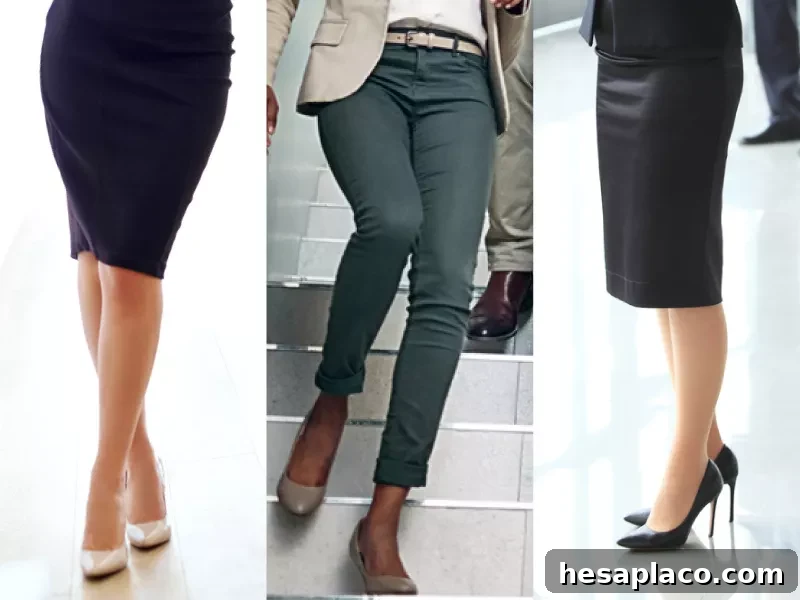
Whether or not you wear pants or dresses regularly may be very telling about how you feel in terms of your freedom to express yourself at work. Getty Images
The balance between pants and dresses in your wardrobe can reflect how comfortable you feel expressing different sides of yourself professionally. Women who prefer pants may find them empowering and practical, but the choice can also reflect an inclination to downplay sexuality in a professional context.
There’s no universal right or wrong—just useful information. Noticing these tendencies can help you decide whether you want to expand options to better match how you want to be seen at work.
Logos
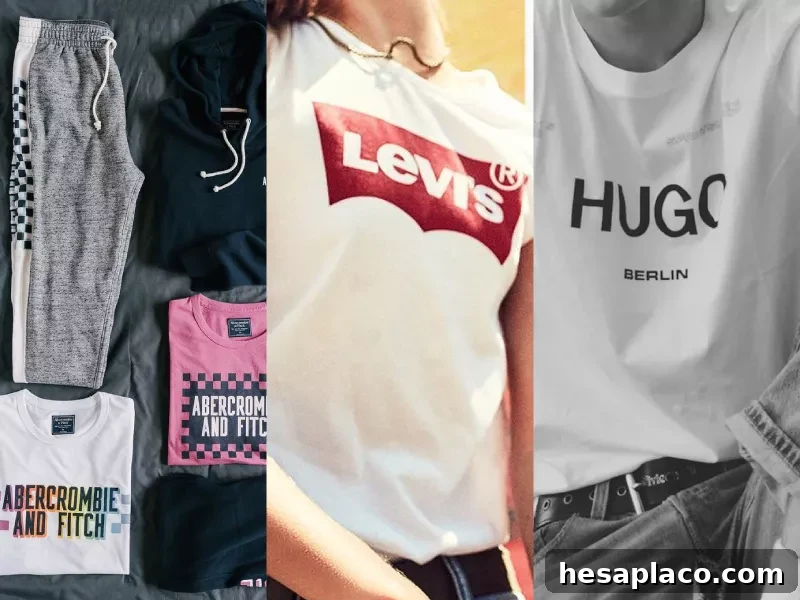
People who almost exclusively wear logos and hide behind obvious designer brands could be hiding their true identity. @abercrombie @levis @hugo_official
Designer logos can be stylish, but a closet dominated by obvious branding may suggest a tendency to hide behind labels rather than express a unique identity.
If you rely on large logos to build outfits, consider whether you feel fully comfortable being yourself at work. Reducing overt branding can help you develop a clearer personal style that feels authentic.
Duplicates
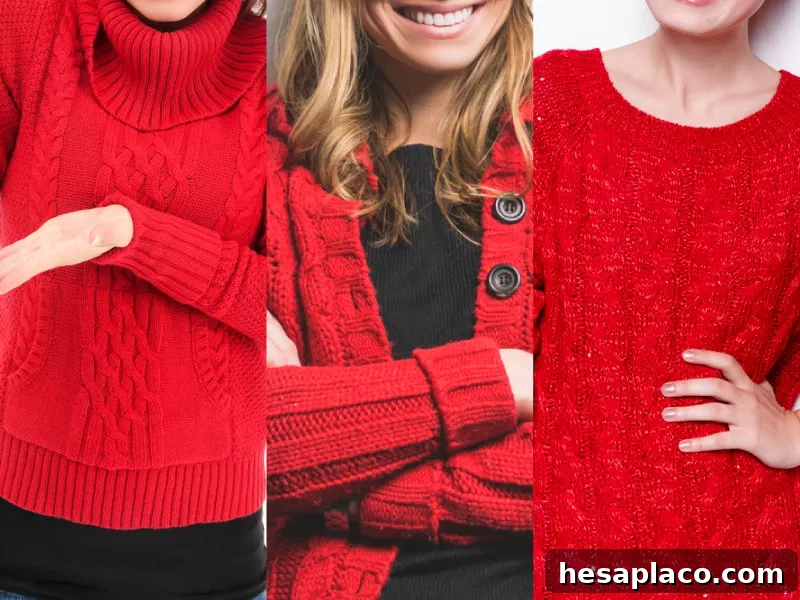
Getting stuck inside a routine can stifle creativity and make you lose some big-picture perspective. Getty Images
Wearing the same outfit repeatedly or keeping a rigid weekly lineup can point to a resistance to change. While routines can be comforting and efficient, excessive repetition may limit creativity and reduce the broader perspective useful for problem solving.
Introducing small variations—different accessories, a new color, or a slightly altered silhouette—can refresh your mindset and improve productivity by encouraging flexibility and new ways of thinking.
Too Casual or Too Dressy

The difference between casual clothes and dressy clothes can make a major difference in how you approach the world. Getty Images
The style spectrum—from casual to highly dressy—shapes how you engage with colleagues and clients. Structured business attire conveys authority and professionalism, while casual looks suggest approachability and ease.
Ideally, keep a wardrobe that reflects the style you spend most of your time in, but include at least a few options from the opposite end of the spectrum. That flexibility lets you step outside your comfort zone when needed and supports ongoing personal and professional growth.
Appropriate Age Range
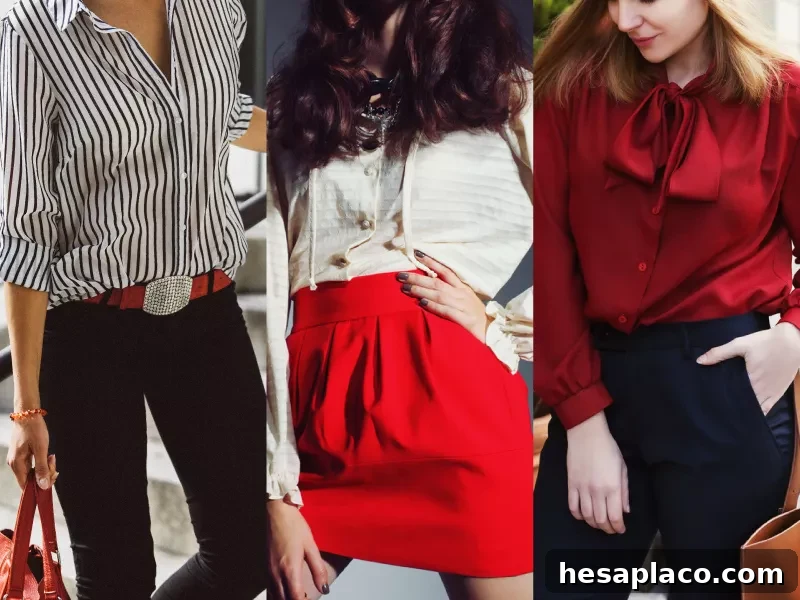
It’s especially important in a professional environment to dress appropriately for your age. Getty Images
In professional settings, dressing appropriately for your stage of life matters. This doesn’t mean following age stereotypes; it means choosing clothes that reflect the image you want to project.
If you want to appear energetic and youthful, there are tasteful ways to do so without appearing out of touch. Selecting outfits with career goals in mind—such as earning a promotion or impressing clients—helps you choose looks that are both age- and role-appropriate.
Secrets
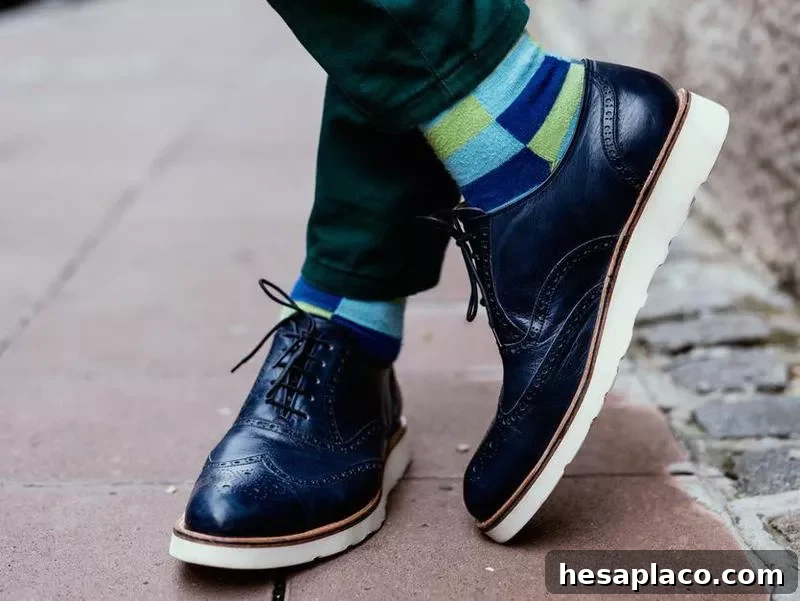
Wearing something that only you know you have on can give you a subconscious confidence boost. Getty Images
Wearing a hidden detail—an inside joke, a sentimental token, or a discreet accessory—can act like a private boost of confidence. It may be a small, secret reminder of who you are, and that quiet assurance can affect your posture and interactions.
These subtle boosts don’t need to be conspicuous; even small, private touches can help you feel steadier and more capable throughout the workday.
Quality

Quality clothes are a better overall investment since you can get much more wear out of them. Getty Images
Buying higher-quality clothing can feel expensive initially, but it often pays off. Well-made garments last longer, look better, and tend to fit and feel more comfortable—especially when tailored.
Quality pieces can raise your self-esteem and impact how others perceive you, which in turn can affect opportunities and success. Investing in fewer, better items that fit well and stand the test of time is often smarter than constantly replacing cheaper alternatives.