
Explore which U.S. states allow employers to review job applicants’ or employees’ credit histories. From the sunny shores of Hawaii to Illinois’s bustling urban centers, this guide summarizes state practices around credit checks so you can better understand how financial screenings might affect hiring decisions as you plan your next career move.
California

Credit: pexels
California permits employers to request credit reports for certain positions, most commonly those with managerial authority, fiduciary responsibilities, or jobs in law enforcement and finance. The state’s approach aims to balance individual privacy with employers’ legitimate interest in assessing whether an applicant can responsibly handle money or sensitive financial data.
Colorado

Credit: pexels
In Colorado, employers may obtain credit information for roles that involve financial duties or access to sensitive data. Credit checks are generally limited to positions where financial trustworthiness is relevant, such as finance, accounting, or IT roles handling confidential information.
Connecticut

Credit: flickr
Connecticut employers commonly review credit reports for positions in finance and other roles where handling money or financial decision-making is central. For many other jobs, credit checks are less common and typically not a routine hiring requirement.
Delaware
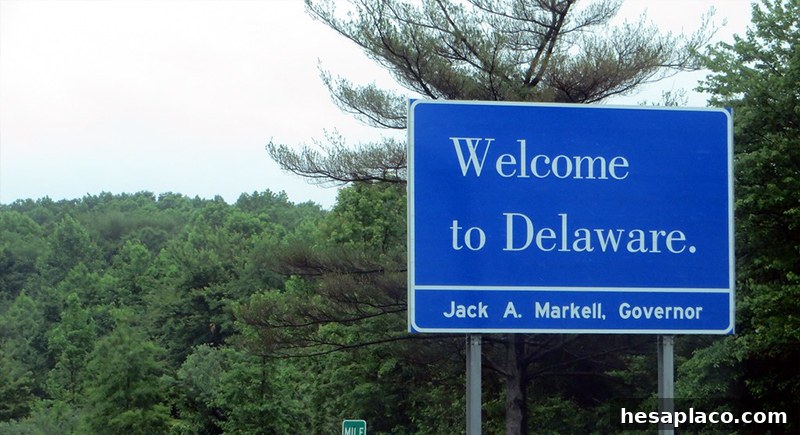
Credit: flickr
Delaware allows employers to access credit information for candidates, particularly when roles include financial responsibilities. While the law permits these checks, employers most often apply them where they are relevant to job duties, rather than as a blanket requirement for all positions.
Hawaii

Credit: pexels
In Hawaii, employers may review credit histories when the position requires handling money or other financial responsibilities. For roles that do not involve financial duties, credit checks are generally less relevant and less frequently used in hiring decisions.
Illinois

Credit: Wikimedia Commons
Illinois permits employers to access credit information, but in practice this is most often reserved for positions that require financial oversight or access to customer funds. Many other roles are exempt, so applicants for non-financial jobs are less likely to face credit screenings.
Maryland

Credit: flickr
Employers in Maryland may request credit reports, particularly for jobs with financial duties. While this can be a mandatory part of hiring for finance-related positions, many other occupations do not routinely require credit checks.
Nevada
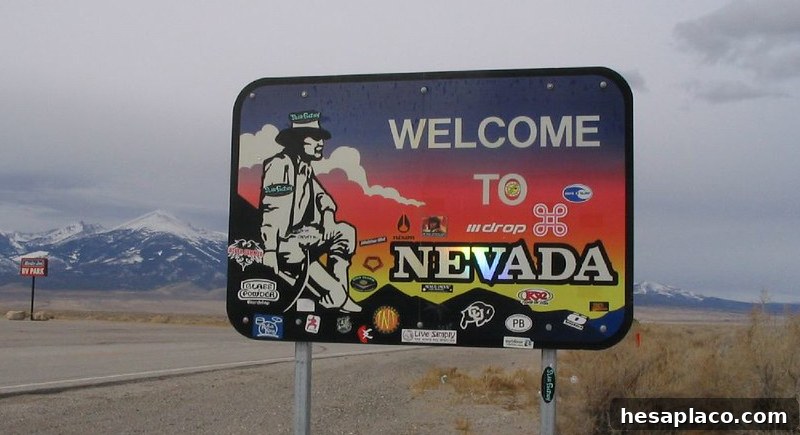
Credit: flickr
Nevada employers can access credit information and may consider it when evaluating candidates for finance-related roles. For most non-financial positions, credit checks are less common and typically have little influence on hiring decisions.
Oregon
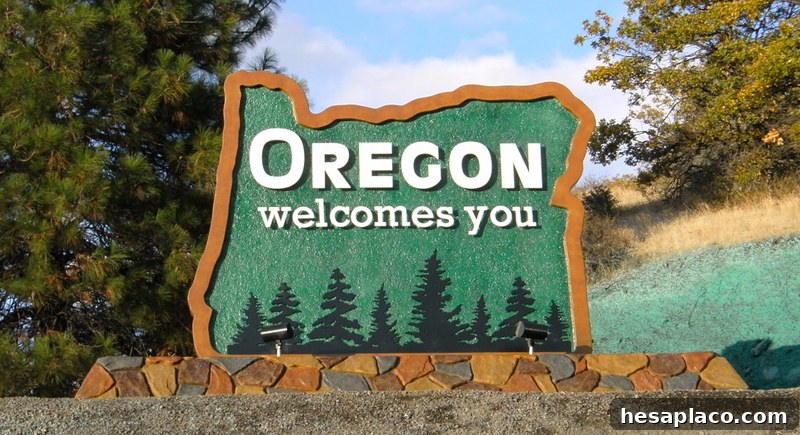
Credit: flickr
Oregon employers are likely to check credit histories for positions that involve handling money or financial decision-making. For positions without financial responsibilities, applicants are less likely to be subject to credit screenings and can typically focus on the state’s quality of life and vibrant communities.
Vermont
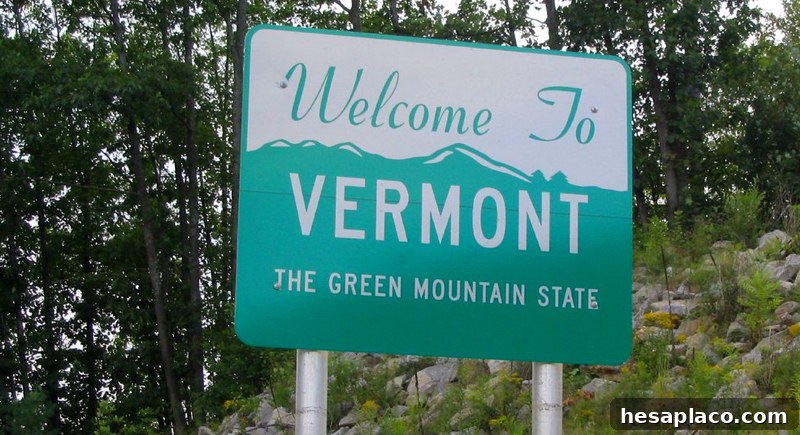
Credit: flickr
Vermont allows employers to obtain credit reports under defined legal conditions, particularly for finance-related roles. Employers typically reserve credit checks for positions where assessing financial responsibility is relevant to job performance.
Washington

Credit: Wikimedia Commons
Washington State’s rules permit employers to access credit information in contexts where a candidate’s financial history is pertinent to job duties, especially positions involving financial responsibilities. For most other roles, credit checks are less common, allowing applicants to focus on the region’s thriving tech sector, outdoor recreation, and diverse communities.
Note: Practices around employment-related credit checks vary by state and may change over time. Employers must also comply with federal laws such as the Fair Credit Reporting Act when obtaining and using consumer credit information. If you have concerns about how your credit history might affect hiring, consider discussing them with prospective employers or reviewing state-specific labor and consumer protection resources.