Of our five senses, smell has a uniquely powerful influence. The aroma of fresh-baked goods can instantly transport us back to childhood kitchens. Calming fragrances—found in lotions, candles and room sprays—help people relax and sleep. Conversely, foul or overpowering odors make us recoil and seek fresh air. Because scent triggers strong memories and emotions, companies increasingly use scent marketing to shape customer behavior and enhance environments.
Research suggests smells are highly memorable and can influence spending: customers are more likely to recall a scent, and pleasant aromas can increase time spent in a space and boost purchases. Scent marketing also supports brand recognition and loyalty by creating a consistent sensory identity across locations. From retail floors to hotel lobbies and airports, businesses deploy scent strategies to shape mood, encourage browsing, and reinforce brand image.
Four Types of Scent Marketing

Jacob Wackerhausen / Getty Images
Scent marketing typically falls into four categories: aroma billboards, thematic scents, ambient fragrances and signature scents. Aroma billboards are bold and pervasive, designed to capture attention like visual advertising. Signature scents are consistent fragrances used across a brand’s locations to create instant recognition. Thematic and ambient scents are subtler, tailored to specific departments or to create calming, inviting atmospheres.
Below are examples of businesses that use scent strategically to attract customers, reinforce brand image and influence behavior.
Burger King
Burger King
Type of business: Restaurant
Year founded: 1954
Headquartered: Miami, Florida
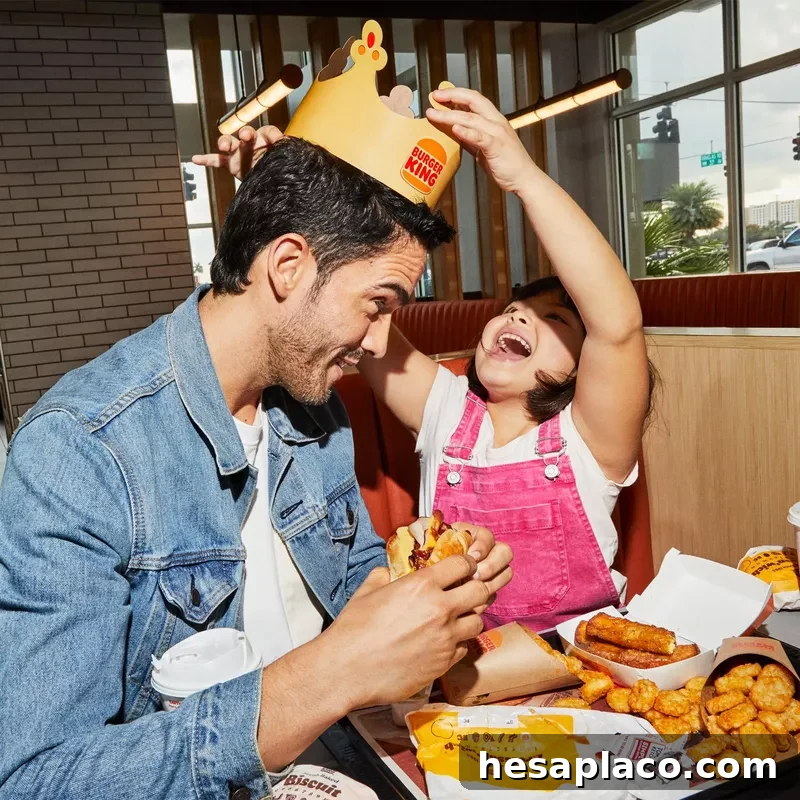
Burger King amplifies its flame-grilled burger aroma beyond the kitchen by pumping the charcoal-grilled scent into dining and nearby areas, creating a powerful craving trigger. The chain has even experimented with branded products that play on that distinctive grilled scent.
Abercrombie & Fitch
Abercrombie & Fitch
Type of business: Retail
Year founded: 1892
Headquartered: New Albany, Ohio
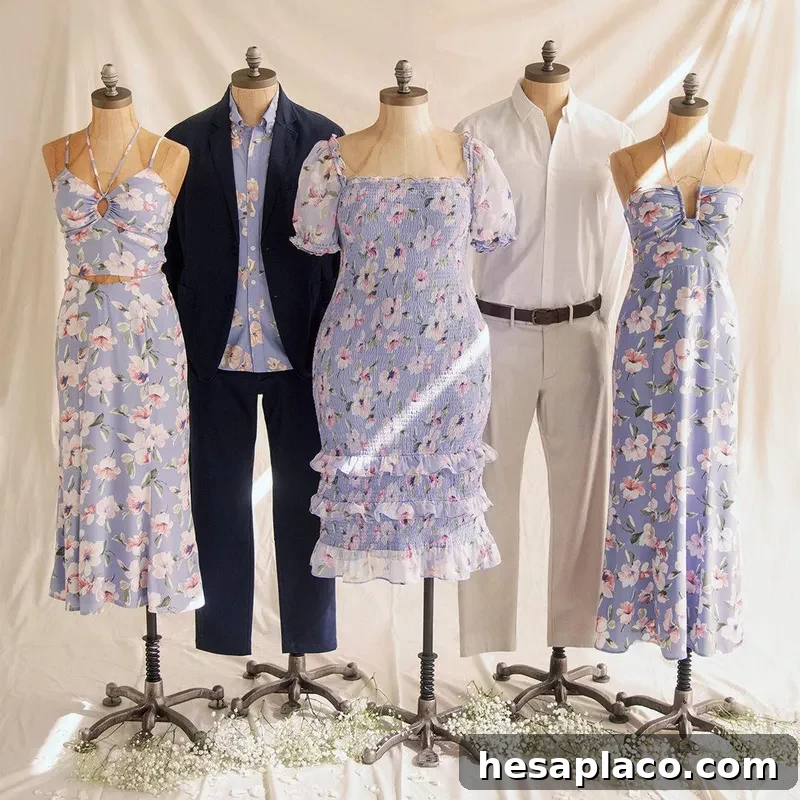
Abercrombie & Fitch uses a distinctive in-store fragrance—originally circulated by staff spraying their signature perfume—to enhance the brand atmosphere. Today the retailer deploys advanced scent-diffusion systems to maintain a consistent aromatic identity across stores.
Rolls-Royce
Rolls-Royce
Type of business: Automotive
Year founded: 1906
Headquartered: London, England
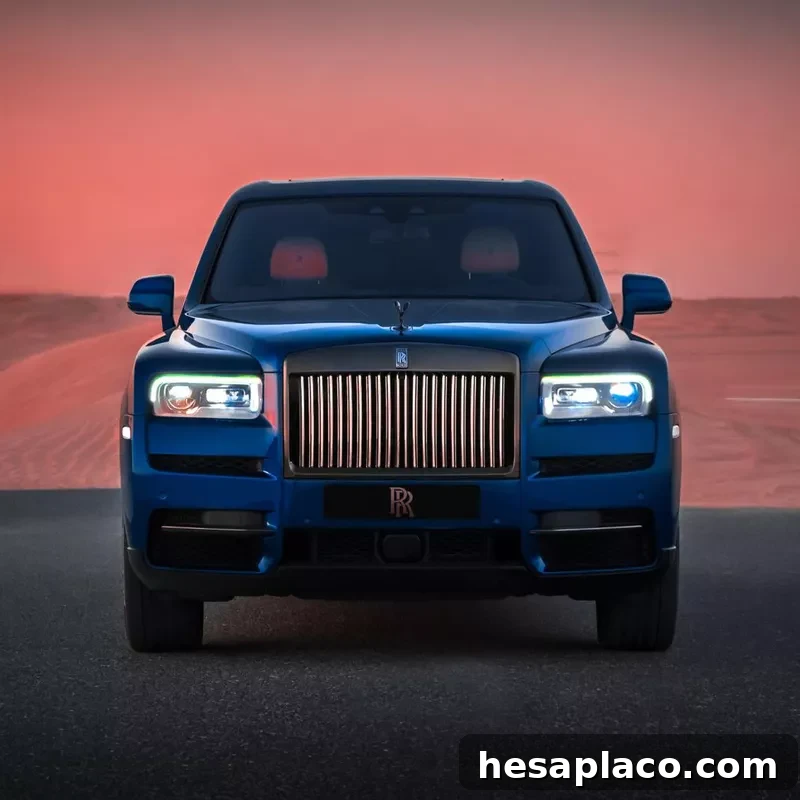
Luxury automakers like Rolls-Royce craft bespoke interior fragrances to complement premium materials such as hand-stitched leather and rich carpeting. These tailored scents enhance the perception of quality and exclusivity, reinforcing the sensory association of luxury and money.
Starbucks
Starbucks
Type of business: Restaurant
Year founded: 1971
Headquartered: Seattle, Washington
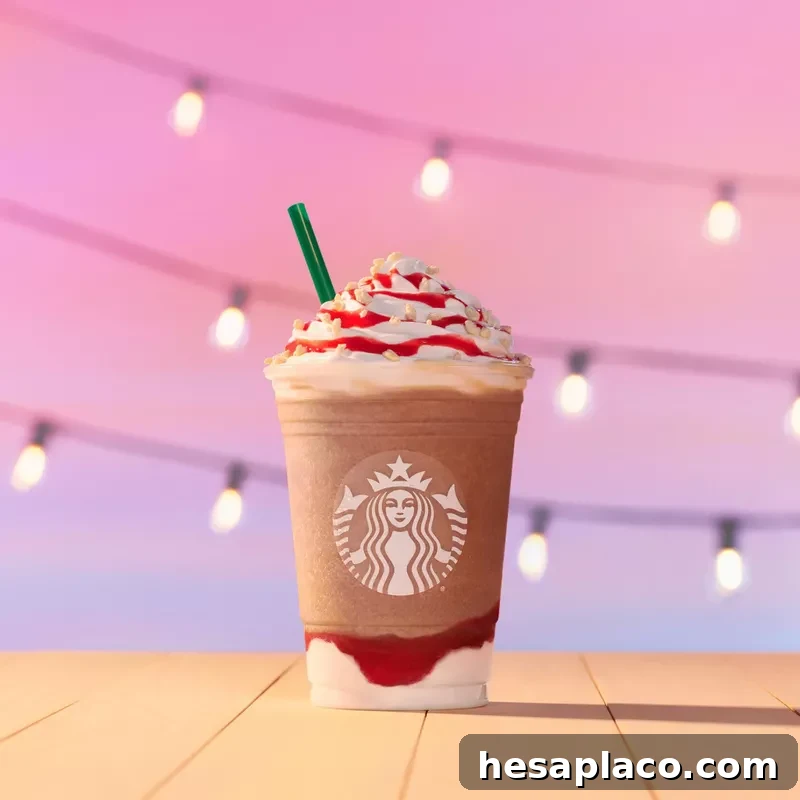
The aroma of freshly brewed coffee is central to Starbucks’ appeal. When food offerings began competing with coffee scents, the company introduced scent-diffusing techniques to preserve the coffee aroma as the dominant sensory cue, helping maintain the brand’s core identity.
Bloomingdale’s
Bloomingdale’s
Type of business: Retail
Year founded: 1861
Headquartered: New York
Department stores use targeted scents to shape shopper experience in different departments—coconut and suntan lotion in swimwear, baby powder in infant sections, and soft florals in lingerie—creating evocative micro-environments that encourage browsing and purchases.
Cineplex

Cineplex
Type of business: Entertainment
Year founded: 1999
Headquartered: Toronto, Canada
The buttery scent of popcorn is a staple of the movie-going experience. Theater chains diffuse that aroma throughout lobbies and corridors to stimulate appetite and increase concession sales.
Cinnabon
Cinnabon
Type of business: Restaurant
Year founded: 1985
Headquartered: Atlanta, Georgia
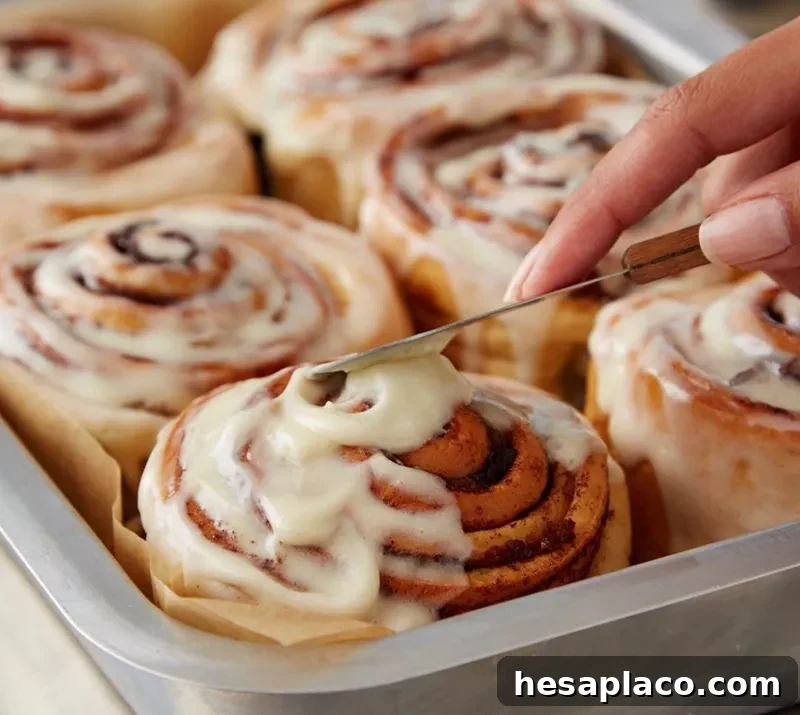
Cinnabon bakes fresh rolls frequently and positions ovens toward high-traffic areas so the warm cinnamon-and-icing smell carries through malls, drawing shoppers to the food court long before they see the storefront.
Samsung
Samsung
Type of business: Electronics
Year founded: 1938
Headquartered: Suwon-si, South Korea
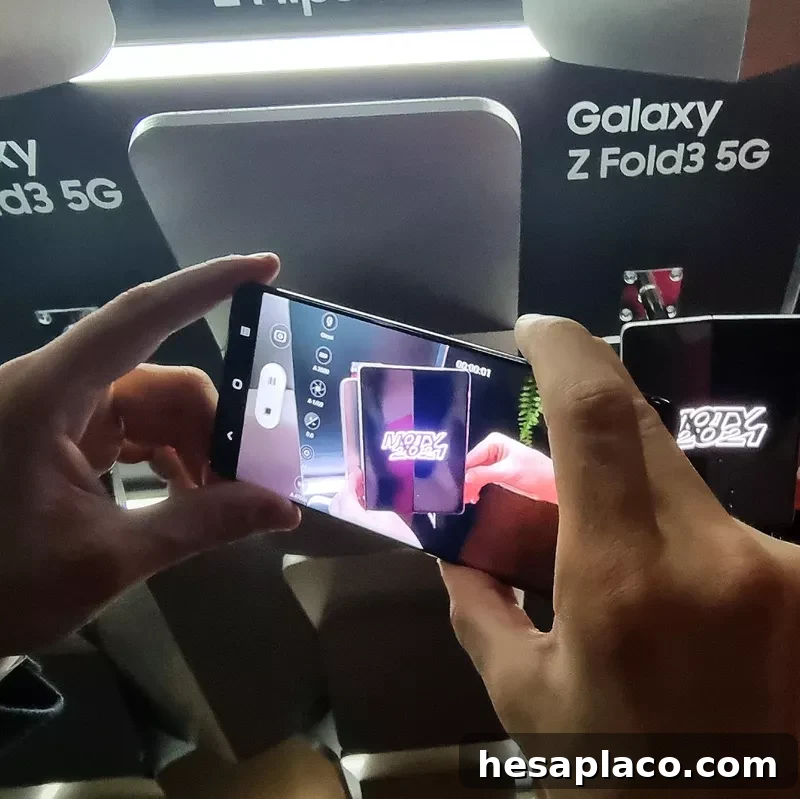
Samsung developed a signature corporate fragrance—described as fresh and fruity—to create a crisp, recognizable atmosphere in its showrooms and events. Simple, consistent scents are easier for the brain to process and can increase consumer spending.
Hyatt
Hyatt
Type of business: Hotel
Year founded: 1957
Headquartered: Los Angeles, California
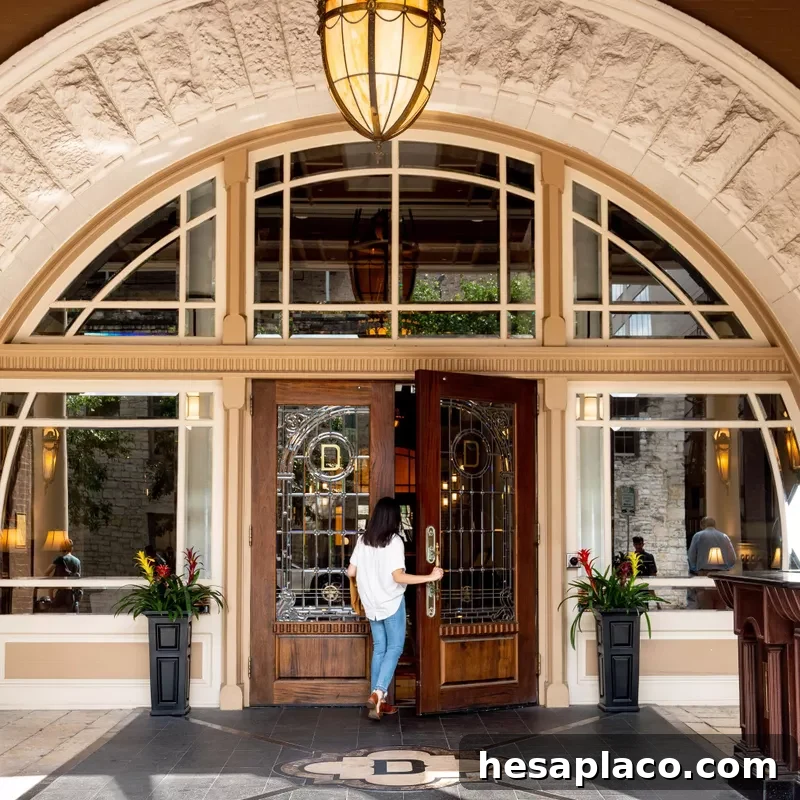
Hyatt uses a signature aroma called “Seamless,” a blend of blueberry, light florals, vanilla and musk, in many of its properties to create a calm, home-like guest experience.
The North Face
The North Face
Type of business: Retail
Year founded: 1968
Headquartered: Alameda, California
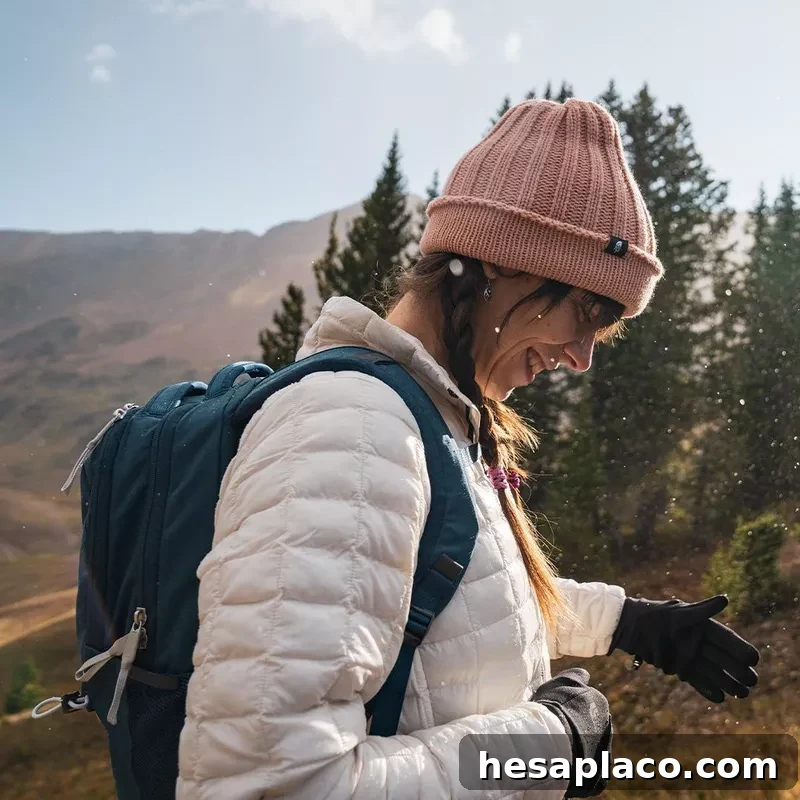
The North Face has used outdoor-inspired fragrances—notes of cedar, fir, earth and water—to evoke natural settings and help customers imagine using the brand’s gear in real outdoor adventures.
Caesars Palace Casino
Caesars Palace
Type of business: Casino
Year founded: 1966
Headquartered: Paradise, Nevada
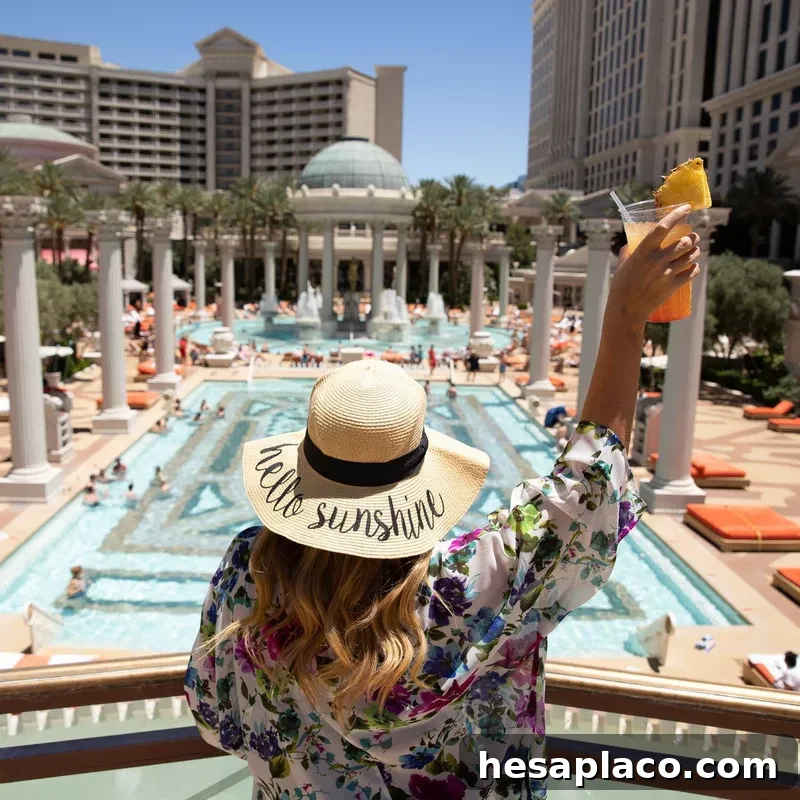
To counteract stale or smoky air and to create an inviting atmosphere, casinos add pleasant fragrances. Studies have shown that a welcoming scent can increase time spent and spending in gaming areas, and Caesars Palace blends floral, citrus and forest notes as part of its olfactory identity.
Hilton
Hilton
Type of business: Hotel
Year founded: 1919
Headquartered: McLean, Virginia
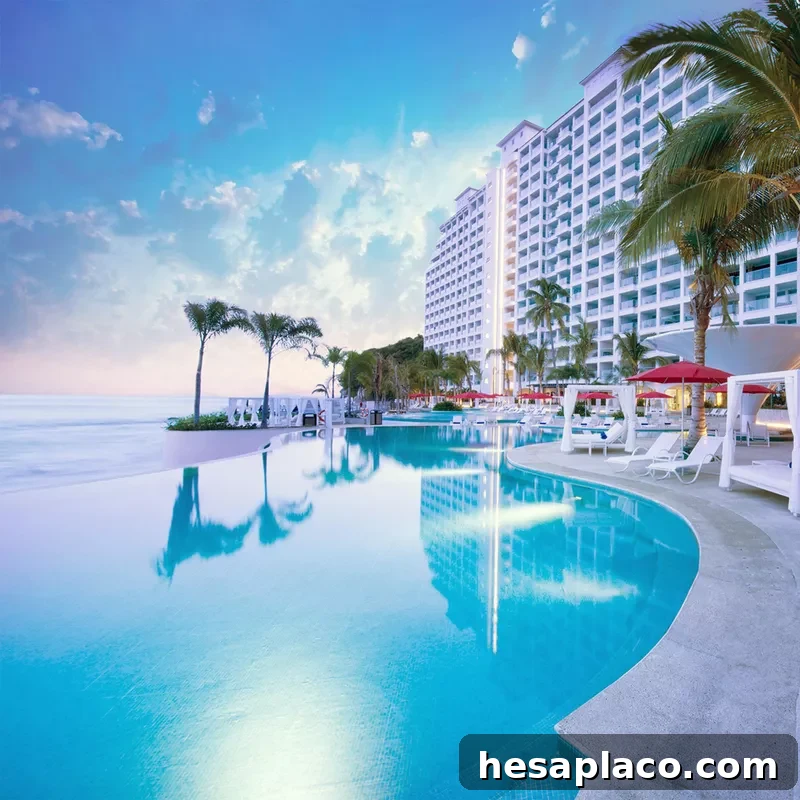
Hilton tailors fragrances to regional properties—desert-inspired scents in Arizona resorts, warm cookie aromas at DoubleTree properties, and a “clean” scent as part of their cleanliness programs—so guests feel comfortable and welcomed.
IKEA
IKEA
Type of business: Retail
Year founded: 1943
Headquartered: Delft, Netherlands
IKEA uses the scent of freshly baked cinnamon rolls and Swedish meatballs in and around its stores to encourage shoppers to linger—and to capitalize on the well-documented tendency for customers to spend more when hungry.
Home Depot
The Home Depot
Type of business: Retail
Year founded: 1978
Headquartered: Atlanta, Georgia
The smell of fresh-cut lumber is intentionally emphasized in many home improvement stores to create a hands-on, project-ready ambiance that primes shoppers for DIY purchases.
Lowe’s
Lowe’s Home Improvement
Type of business: Retail
Year founded: 1961
Headquartered: Mooresville, North Carolina
Lowe’s similarly emphasizes wood and workshop aromas to inspire shoppers and reinforce associations with home improvement projects.
Nike Store
Nike Store
Type of business: Retail
Year founded: 1964
Headquartered: Beaverton, Oregon
Nike has used outdoor-inspired floral notes in some stores to evoke the experience of running outdoors—an approach shown to increase the likelihood of purchase by creating strong contextual associations with athletic activity.
New Balance
New Balance
Type of business: Retail
Year founded: 1906
Headquartered: Boston, Massachusetts
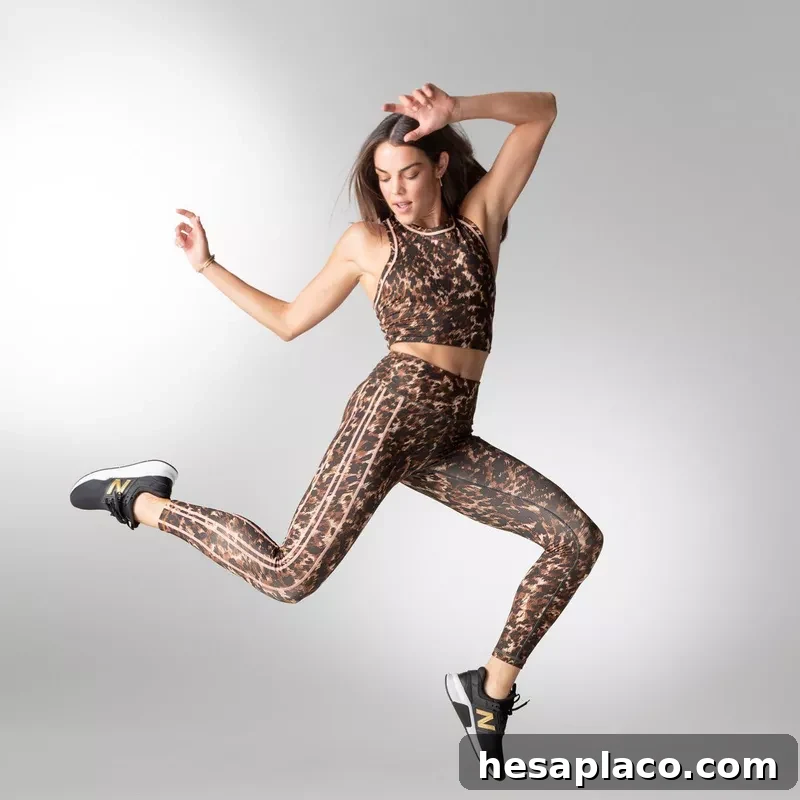
New Balance introduced a wood-and-leather scent in new market entries to convey craftsmanship and quality, a strategy that helped increase customer spending compared with unscented competing stores.
Walt Disney World Resort

Walt Disney World
Type of business: Amusement Park
Year opened: 1971
Headquartered: Orlando, Florida
Disney integrates scent into attractions and environments to enrich storytelling and immersion. Carefully blended fragrances are used to support themed experiences and enhance guests’ emotional engagement.
Dunkin’
Dunkin’
Type of business: Restaurant
Year founded: 1950
Headquartered: Canton, Massachusetts
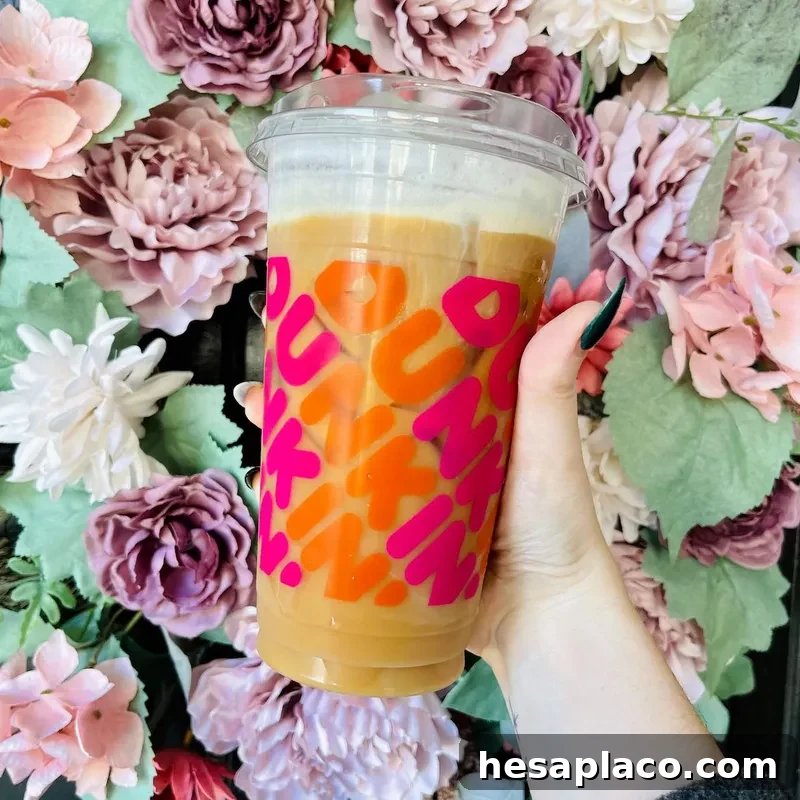
Dunkin’ uses coffee and baked-goods aromas in stores and has experimented with public scent campaigns to pair scent delivery with audio or visual ads, reinforcing brand recall and prompting purchases.
Clear Channel Billboards
Clear Channel Direct
Type of business: Marketing
Year founded: 1901
Headquartered: San Antonio, Texas
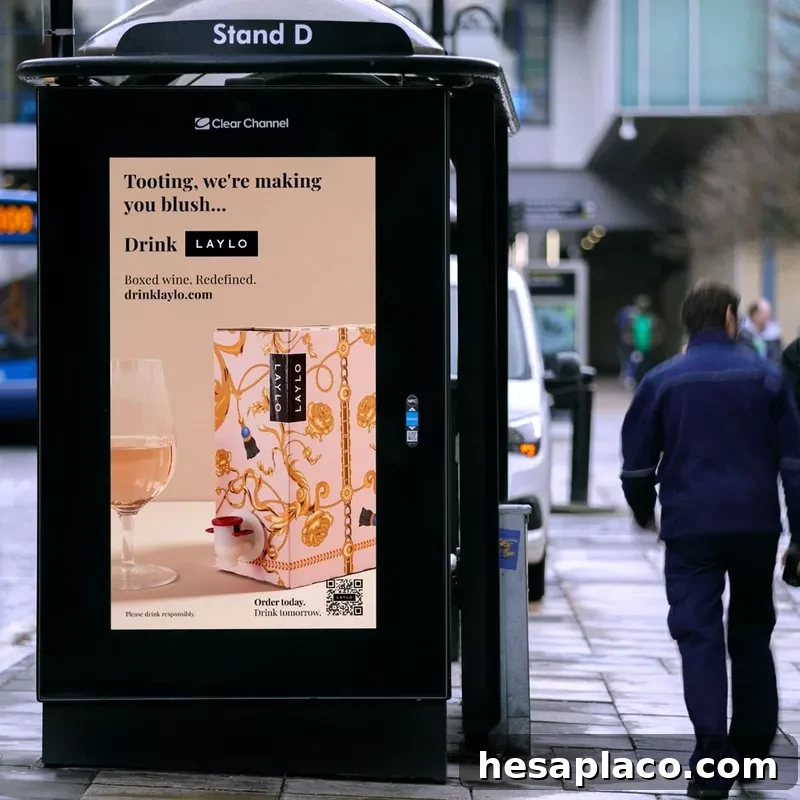
Outdoor advertising has adopted scent-enabled billboards that release fragrances to complement visual ads, creating a multisensory message intended to increase recall and engagement.
Phoenix Sky Harbor Airport
Phoenix Sky Harbor International Airport
Type of business: Airport
Year opened: 1952
Headquartered: Phoenix, Arizona
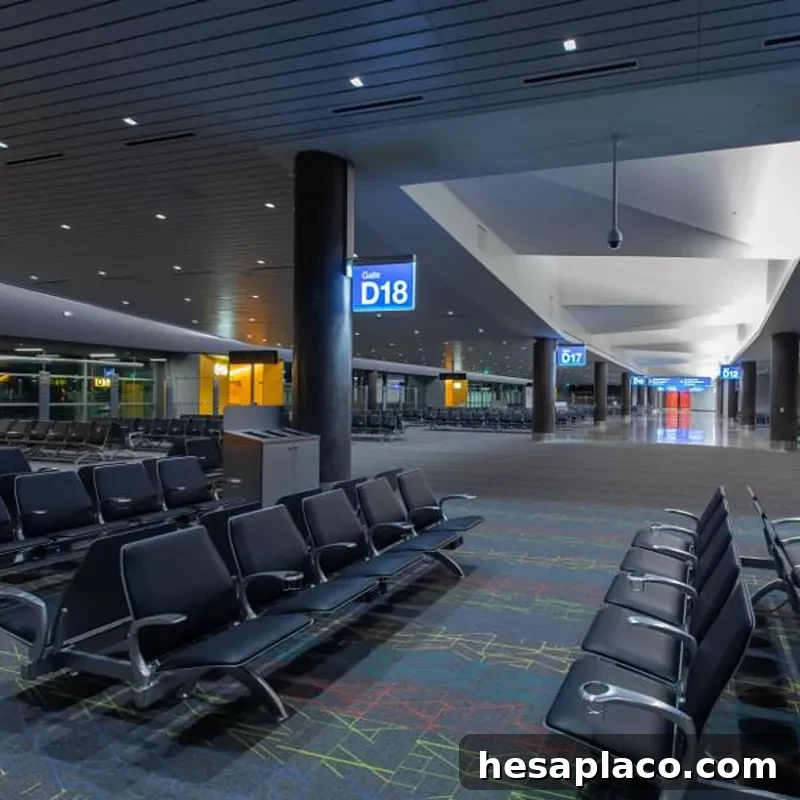
Airports use pleasant scents in terminals and shuttle buses to improve traveler comfort and counteract vehicle or terminal odors, making layovers and waits more tolerable.
Singapore Airlines
Singapore Airlines
Type of business: Airline
Year founded: 1972
Headquartered: Singapore
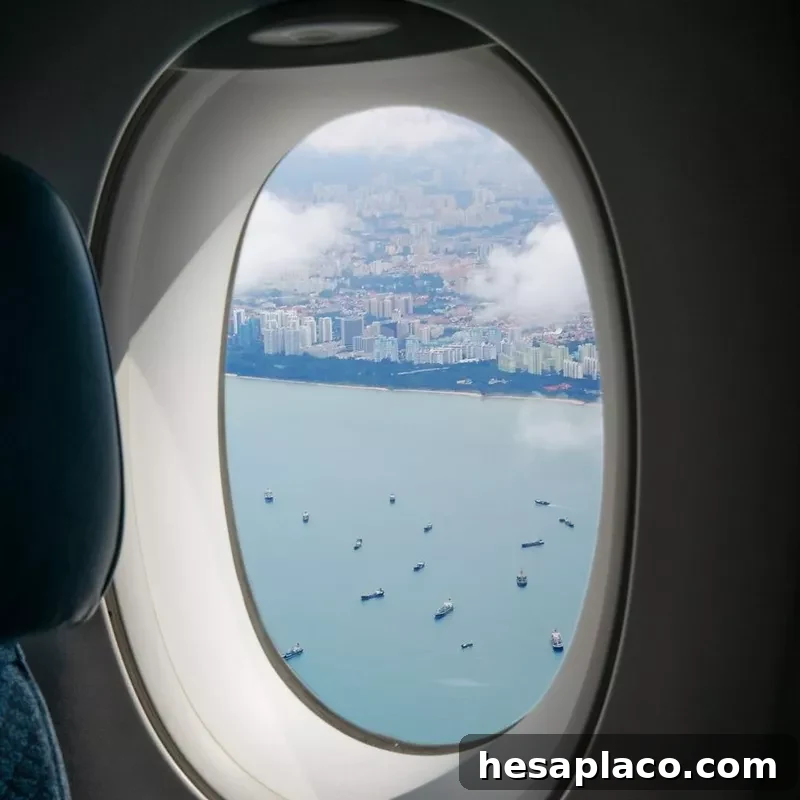
Singapore Airlines developed a signature scent used in hot towels and as a personal fragrance for crew, a tactic that helps enhance passenger mood and the overall in-flight experience.
Ford Motor Company
Ford Motor Company
Type of business: Automotive
Year founded: 1903
Headquartered: Detroit, Michigan
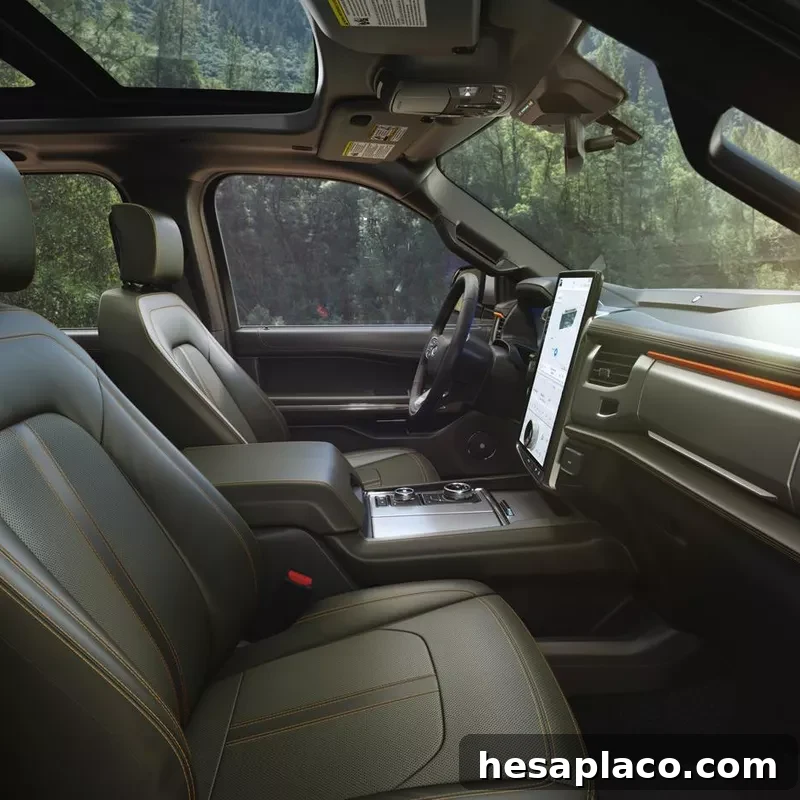
Ford uses signature scents in showrooms and new-car interiors, and has experimented with olfactory cues in electric vehicles to create familiar gasoline-like notes for customers transitioning from traditional engines.
Pandora
Pandora
Type of business: Retail
Year founded: 1982
Headquartered: Baltimore, Maryland
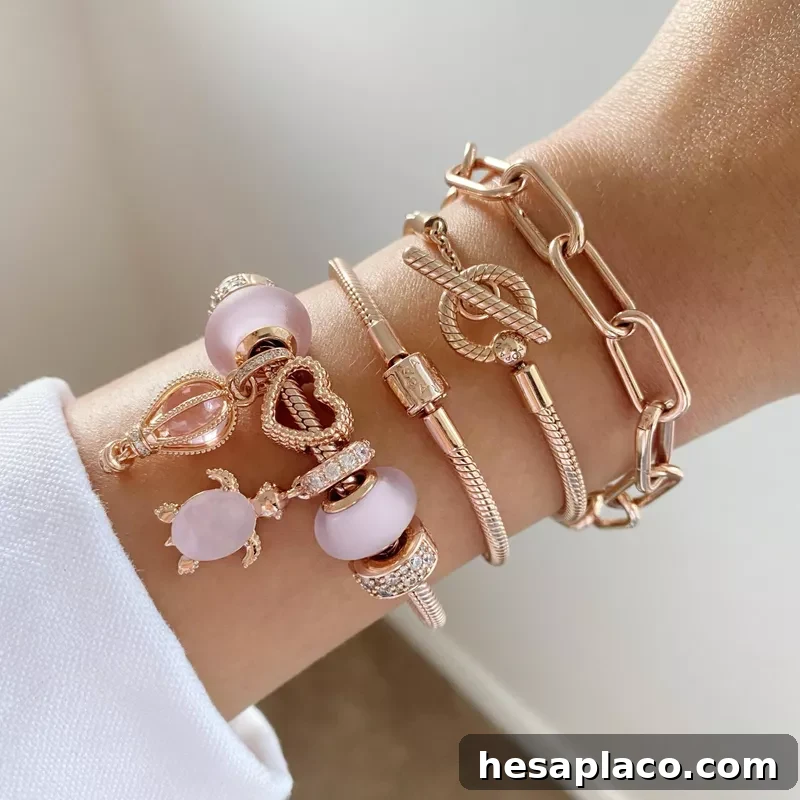
Pandora uses ambient scents that change with promotions or collections to encourage shoppers to linger and to position certain product lines as more luxurious.
Kentucky Fried Chicken (KFC)
KFC
Type of business: Restaurant
Year founded: 1952
Headquartered: Louisville, Kentucky
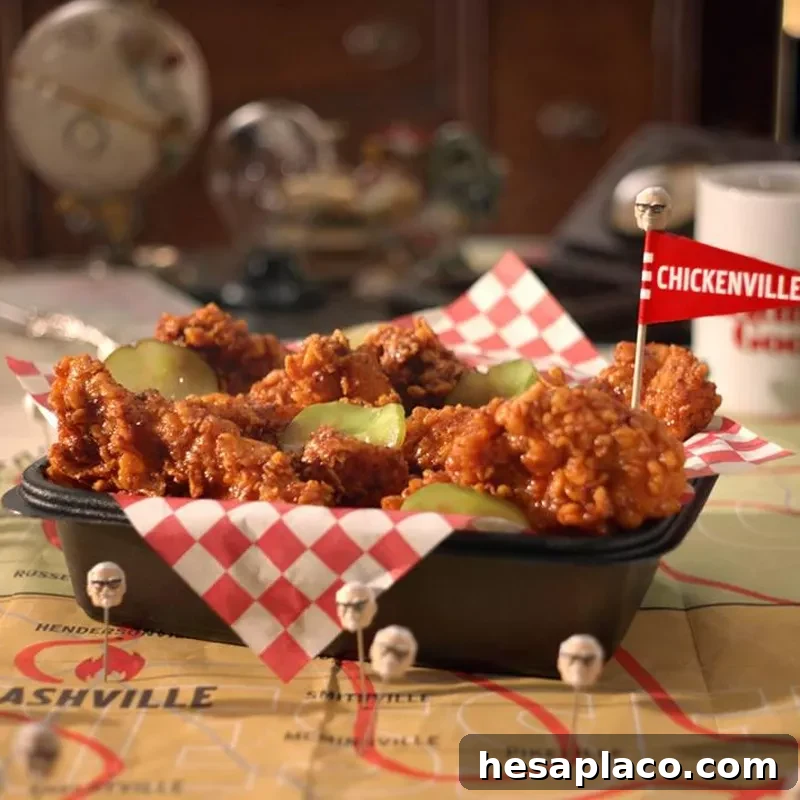
KFC extends the irresistible aroma of fried chicken by using scent marketing to reach beyond the kitchen. Popularity of the signature fried-chicken scent has inspired branded novelty items that play on that strong olfactory association.
Bath & Body Works
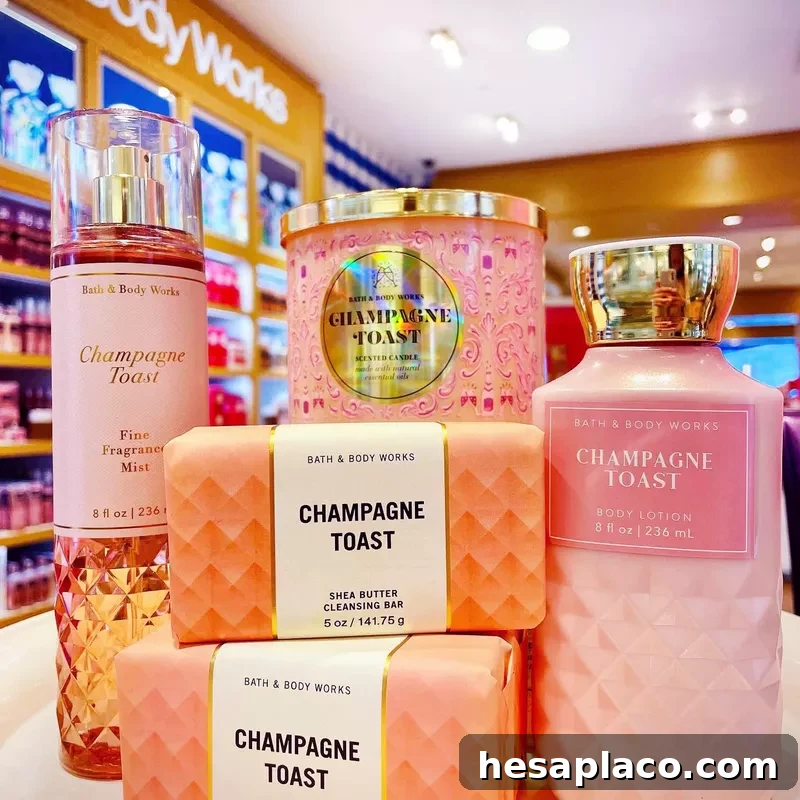
Bath & Body Works
Type of business: Retail
Year founded: 1990
Headquartered: New Albany, Ohio
As a fragrance retailer, Bath & Body Works naturally fills stores with branded scents—candles, sprays and lotions—inviting customers to sample and purchase while creating an unmistakable store aroma.
LUSH
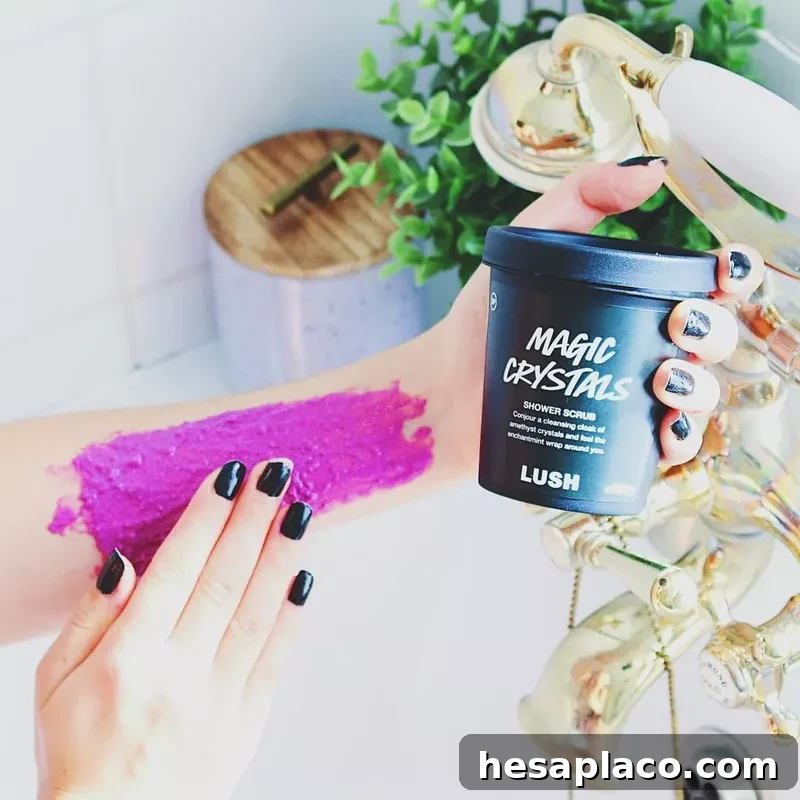
Lush Cosmetics North America
Type of business: Retail
Year founded: 1995
Headquartered: Poole, United Kingdom
LUSH balances potent product aromas with exhaust and ventilation strategies so customers can better evaluate and compare scents while shopping.
Westin Hotels & Resorts
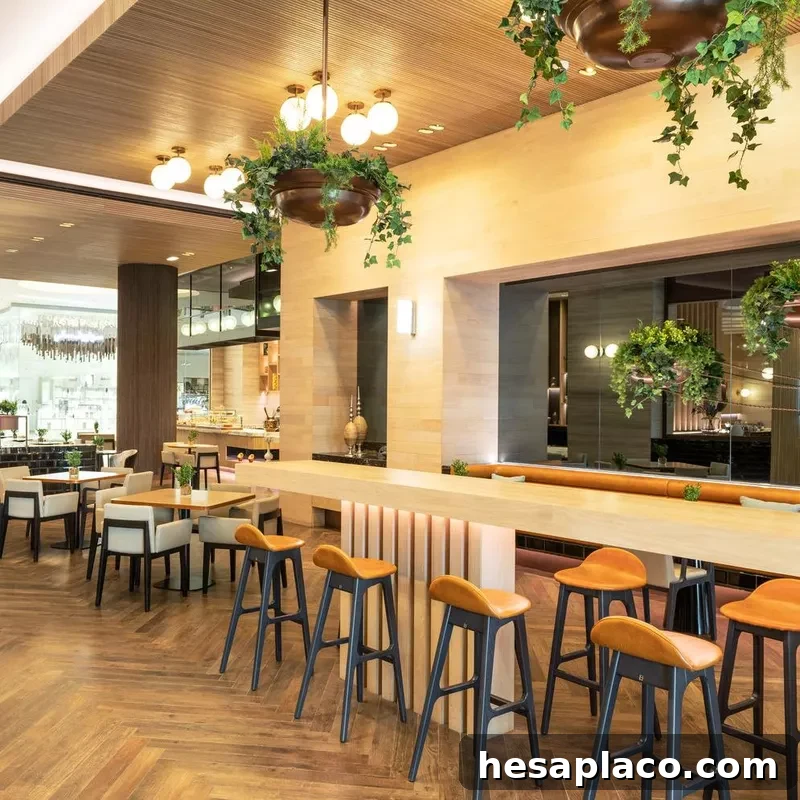
Westin Hotels & Resorts
Type of business: Hotel
Year founded: 1930
Headquartered: White Plains, New York
Westin uses a signature white tea fragrance in its properties and offers diffusers and candles so guests can take the scent home, extending the feeling of a luxury stay beyond the visit.
Scent marketing is a subtle but effective way brands shape experience, encourage purchases and build loyalty. Whether through a signature fragrance, food aromas or environmental blends tailored to a location, scent plays a growing role in retail, hospitality and public spaces as companies seek to engage customers more fully through the senses.