
If you’ve ever bought tickets online, you’ve probably noticed a “convenience fee” appear just before checkout. The same happens with airline bookings: carriers often charge extra to choose an aisle or window seat. These added costs frequently surprise consumers even though the service provided hasn’t changed. Businesses treat these charges as routine, but a closer look shows many are optional, negotiable, or avoidable.
Concert Ticket Service Fees

Credit: Canva
Online ticket marketplaces frequently add processing, commission, and transaction fees at checkout. Platforms such as Ticketmaster, SeatGeek, StubHub, Vivid Seats and AXS rely on these fees. The advertised ticket price often doesn’t reflect the total amount a buyer will pay, which has prompted lawsuits and regulatory scrutiny over transparency in ticket pricing.
Airbnb Service Charges

Credit: Getty Images
Short-term rental listings that appear affordable in search results can become much pricier once platform service fees and taxes are added. For example, a $99-per-night listing could end up costing more than $400 for two nights after fees. Platforms like Airbnb collect a percentage of each booking, which explains much of the increase between the listed and final price.
Airline Seat Selection Fees

Credit: Canva
Seat assignments used to be included with a normal ticket purchase, but many airlines now charge to reserve seats during booking. These fees can exceed $20 per flight segment. For travelers who have already paid for transportation, the extra cost for choosing where to sit can feel unjustified.
ATM Withdrawal Fees
Credit: Canva
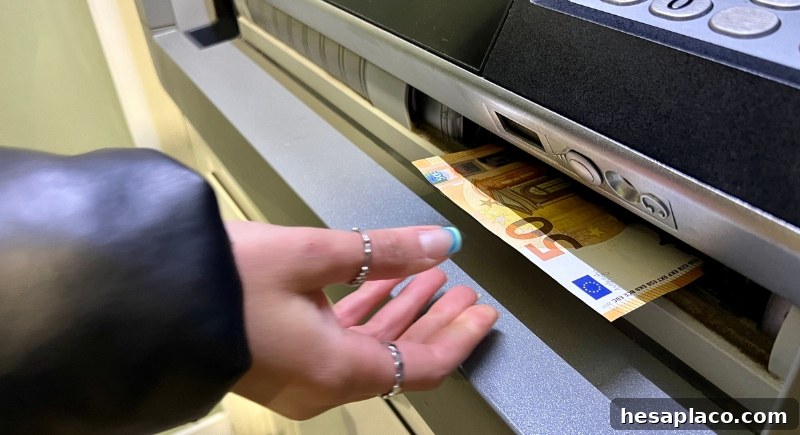
Withdrawing cash should be straightforward when the funds are already in your account, yet banks often charge for ATM withdrawals made outside their network. Typical fees are around $3 per transaction. For customers who make multiple withdrawals each month, these costs add up and can erode account balances over time.
Car Dealership Add-On Fees

Credit: Canva
When purchasing a vehicle, unexpected charges often appear during the final paperwork stage. Dealer invoices can include items labeled as advertising fees, delivery charges, or undercoating. If you encounter such add-ons, request the factory invoice for the car to verify which costs are manufacturer-related and which are dealer markups you can challenge or decline.
Gym Initiation Fees

Credit: Getty Images
New gym members often pay an initiation fee added to their first membership charge. Gyms describe this as an enrollment or account setup cost, but in many cases it functions as an additional revenue source for the facility—sometimes covering administrative or promotional expenses that could be absorbed by the business instead.
Paid Credit Reports
Credit: Getty Images
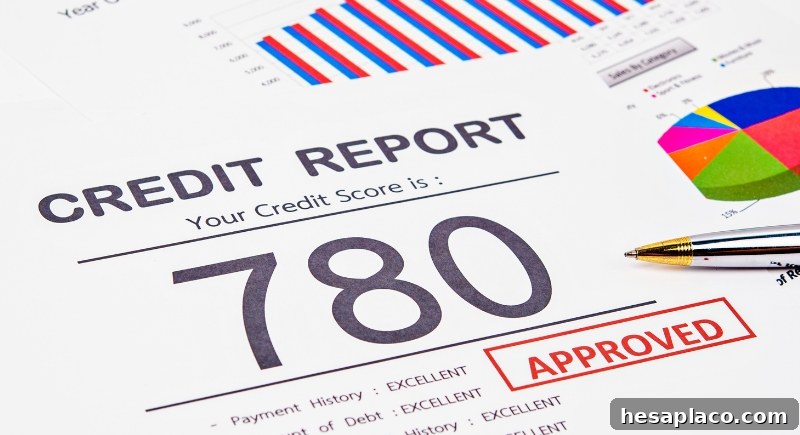
Credit reports are essential to personal finances, yet many consumers pay for access without realizing free options exist. In the United States, federal law allows people to obtain their credit reports through an authorized website at no cost. Additionally, several reputable financial services provide free credit monitoring tools that can help track credit health without recurring fees.
Bank Overdraft Protection Fees

Credit: Getty Images
Banks often allow transactions to go through even if an account balance falls below zero, a feature marketed as overdraft protection. While sometimes helpful, overdraft services usually carry substantial fees—often in the $30 to $45 range. A small purchase that briefly overdraws an account can trigger a large fee, so it’s important to understand your bank’s policy and consider alternatives such as low-balance alerts or linking a backup account.
Paper Bank Statement Fees

Credit: Canva
To reduce paper waste, many banks encourage customers to switch to electronic statements and charge a small monthly fee for printed statements—typically $2 to $3. Although the charge may seem minor, it recurs every month for something that can usually be replaced by secure digital access, saving money and reducing environmental impact.
Online Shipping Fees
Credit: Canva
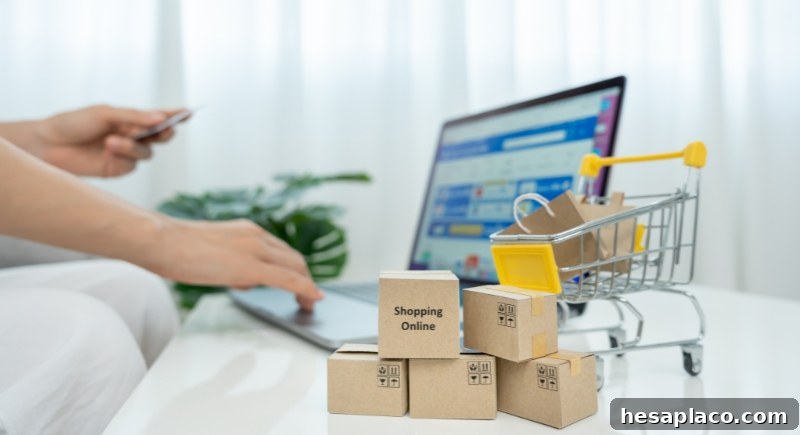
When shopping online, shipping charges often appear if an order doesn’t meet a retailer’s minimum threshold for free delivery. Retailers use this practice to encourage customers to add extra items to remove shipping fees, which increases average order value and benefits the seller. To avoid these charges, compare sellers, seek free-shipping promotions, or plan purchases to reach the free-shipping minimum only when it makes sense.