Most companies chase every trend, releasing dozens of products in hopes that one will stick. Other brands take a different route: they focus relentlessly on a single product and turn it into something iconic. Below are 15 examples of companies that built lasting success by perfecting and promoting one standout item.
Crocs
Credit: Wikimedia Commons
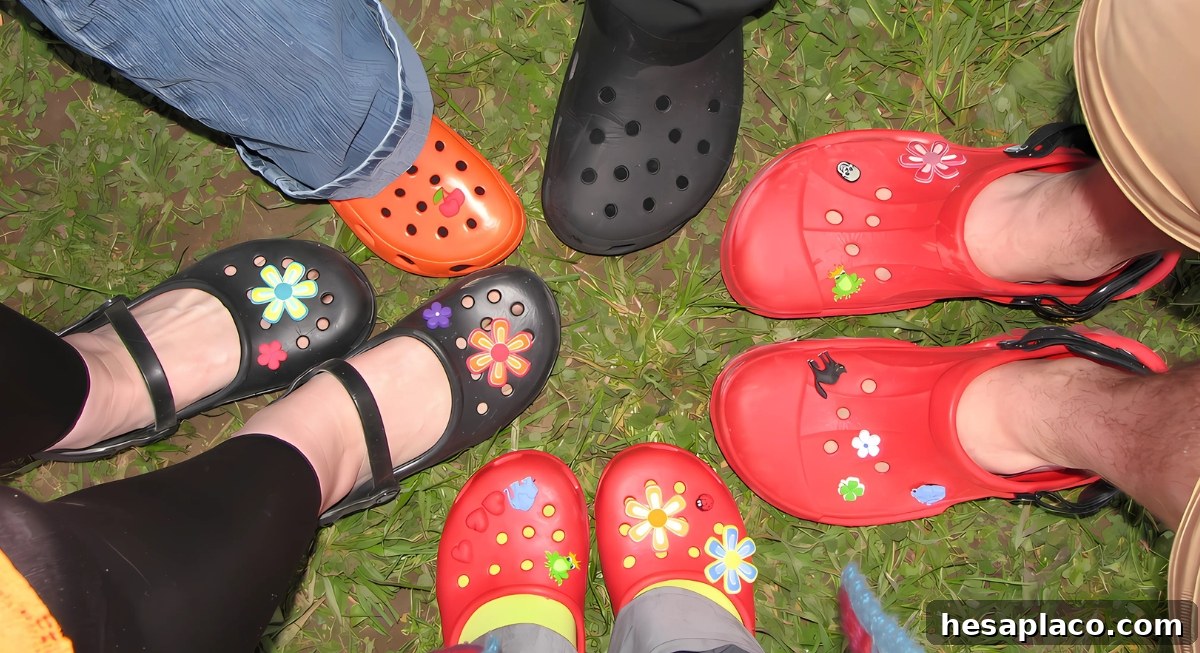
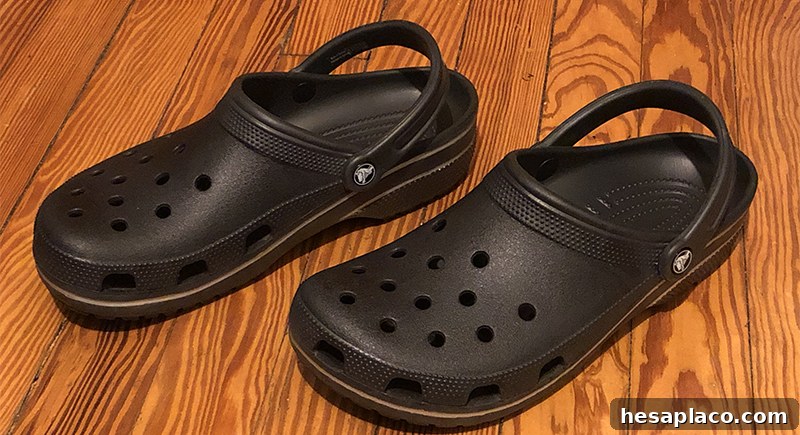
Love them or loathe them, Crocs redefined casual footwear when their colorful clogs arrived in 2002. Made from a lightweight foam resin, they won fans among nurses, chefs and children for unmatched comfort. The company sustains high sales—roughly 150 million pairs annually—by offering endless colorways and accessories, but the classic clog remains the brand’s core product.
Gorilla Glue
Credit: Reddit
One adhesive rose to legendary status in garages and workshops alike. Known for bonding nearly anything, Gorilla Glue earned a cult following among DIYers and professionals. While the company has expanded into tape, epoxy and other formats, the original glue is still the headline product.
Spanx
Credit: Wikimedia Commons
Sara Blakely’s business didn’t begin with a formal plan but with a pair of scissors and a solution. She cut the feet off pantyhose to create smoother silhouettes, and the idea caught on. Spanx now offers bras, leggings and men’s garments, yet its shapewear remains the product that defined the brand.
Duracell
Credit: Wikimedia Commons
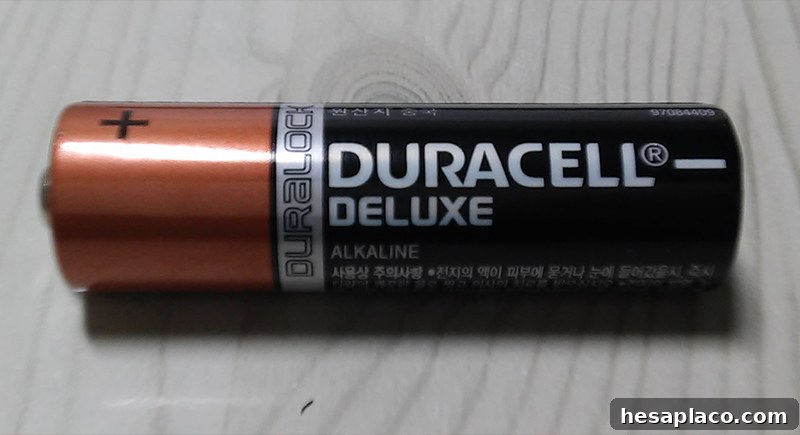
Duracell earned consumer trust by delivering long-lasting performance, becoming the go-to choice for dependable AA and AAA batteries. Its distinctive copper-top design is instantly recognizable and remains associated with reliable power for toys, remotes and many household devices.
LEGO

Credit: Wikimedia Commons
Simple interlocking plastic bricks grew into a global phenomenon. LEGO’s system allows virtually endless creations, from castles to starships, captivating both children and adults. Although the brand expanded into movies, theme parks and video games, the bricks remain the heart of LEGO’s identity.
Zippo
Credit: Wikimedia Commons
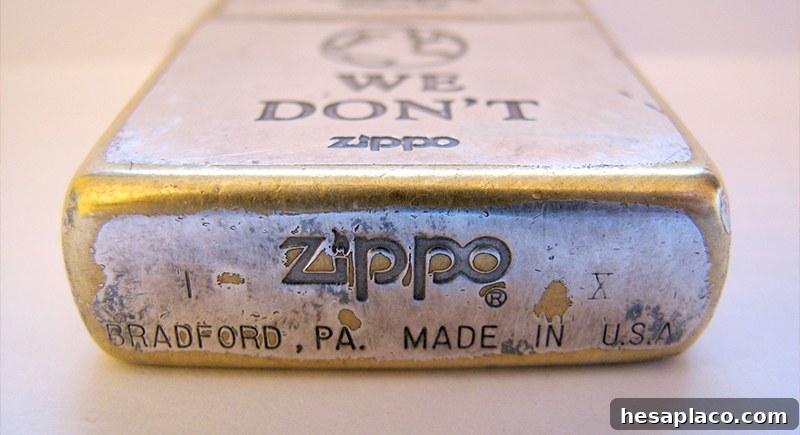
The Zippo lighter has remained largely unchanged since 1933. Its windproof flame and refillable design made it a dependable tool in difficult conditions, and its engraved cases turned it into a collector’s favorite. With more than 500 million sold, Zippo shows that when a product works exceptionally well, reinvention isn’t always necessary.
Sleep Number
Credit: Wikimedia Commons
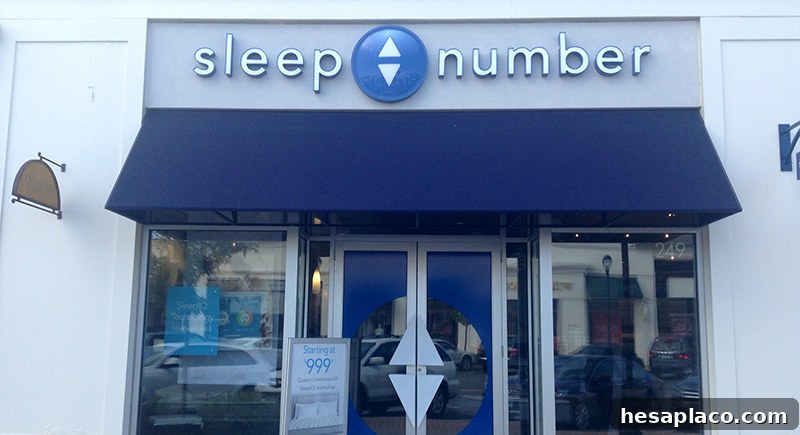
Rather than trying to copy traditional mattress makers, this company focused on one innovation: an adjustable mattress that lets sleepers choose their ideal firmness. Launched originally as Select Comfort and later rebranded, the company has remained committed to its specialty.
Roku
Credit: Wikimedia Commons
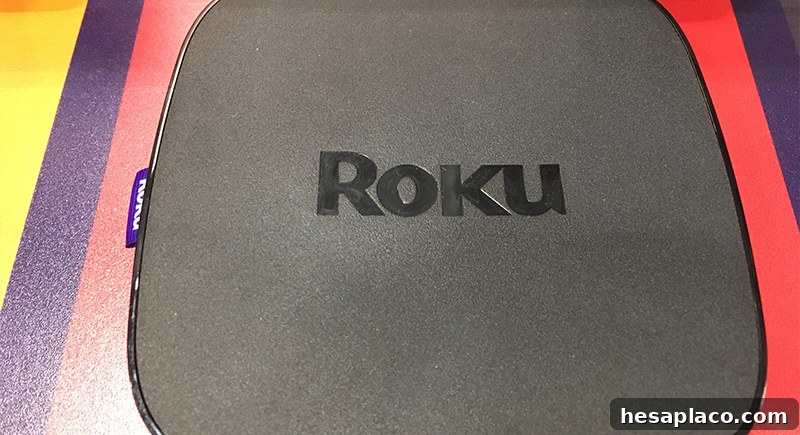
A compact streaming device transformed how people watch television by connecting sets directly to online services. Roku simplified streaming, removing complex setups and expensive cable bundles. Though many smart TVs now include Roku software, the company’s mission—make streaming easy and affordable—remains unchanged.
WD-40
Credit: Wikimedia Commons
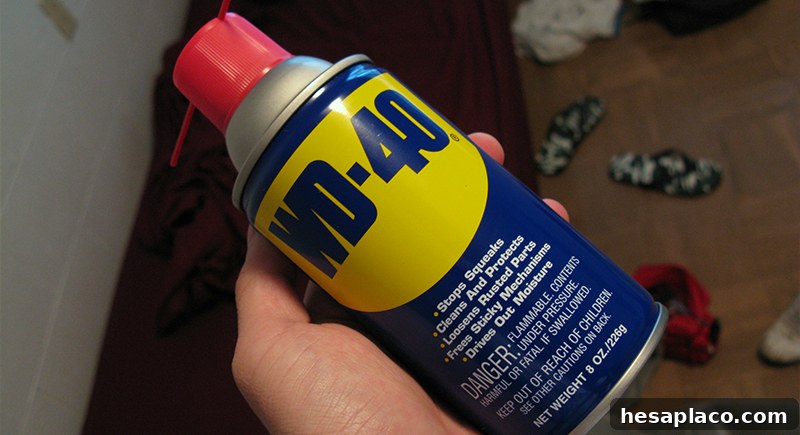
For squeaky hinges and stuck bolts, WD-40 often provides the answer. The iconic blue-and-yellow can first appeared in 1953 and its core formula has stayed consistent. Packaging and applicators have evolved—flexible straws and precision tips are common now—but the product’s usefulness remains the same.
Omega
Credit: Wikimedia Commons
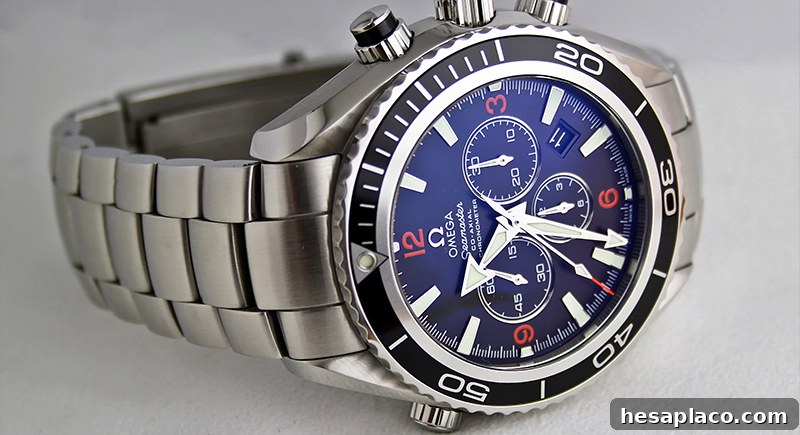
In a crowded luxury watch market, Omega built a unique legacy by focusing on timepieces. Founded in 1848, the brand has timed Olympic events and even accompanied Apollo 11 to the Moon. While styles vary, each watch reflects Omega’s enduring commitment to precision and craftsmanship.
Levi’s
Credit: Wikimedia Commons
Levi Strauss introduced tough denim jeans with rivets in 1873 to serve miners and laborers. That rugged design caught on quickly, and Levi’s became synonymous with blue jeans. Although the company offers shirts and jackets, denim remains its flagship product, worn by celebrities and everyday people alike.
Moleskine

Credit: Wikimedia Commons
Before digital tablets took hold, Moleskine notebooks were the preferred choice for writers and artists who valued durable covers and smooth paper. Their simple, reliable design made them the go-to tool for people who prefer tangible note-taking and sketching.
Michelin
Credit: Wikimedia Commons
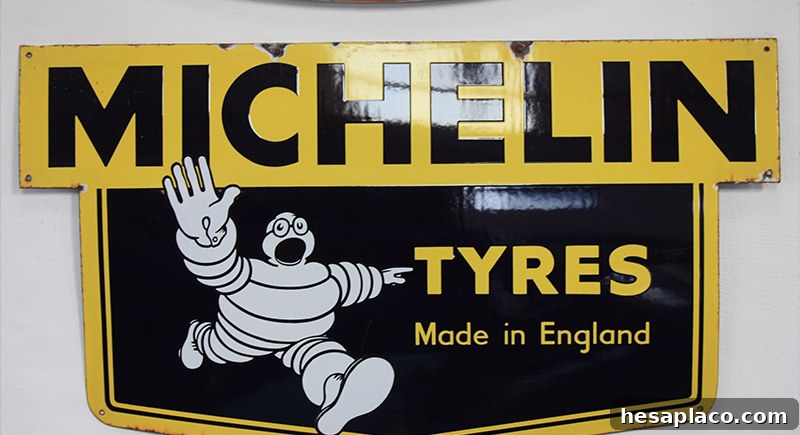
For more than 130 years, Michelin has focused on making tires for cars, bicycles and aircraft. The company introduced the first radial tire, transforming performance and safety, and its Bibendum mascot became a recognizable symbol. Michelin demonstrates how dedication to a single product category can sustain a company for generations.
Sriracha
Credit: Wikimedia Commons
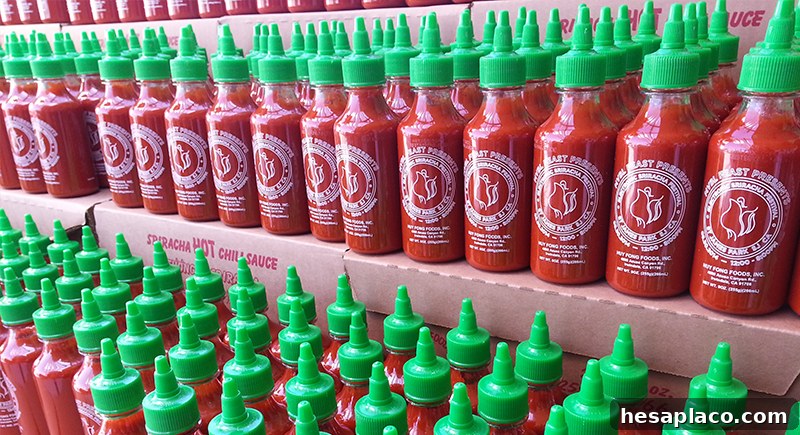
Recognizable by its green cap and rooster logo, this hot sauce started as small batches in California in the 1980s. Its blend of heat and flavor gained a devoted following worldwide. Numerous imitators exist, but few have matched the original’s enduring popularity.
Apple
Credit: Wikimedia Commons
When people think of Apple, the iPhone is often the first product that comes to mind. Since its 2007 debut, the iPhone has reshaped communication, photography and entertainment with a single elegant device. Although Apple offers many other products, the iPhone consistently accounts for a large portion of the company’s revenue—showing how one breakthrough product can anchor a tech empire for years.