
Some grocery items look like great deals until you get home and inspect the receipt. Retailers are skilled at packaging everyday products to appear premium or extra convenient, and that often persuades shoppers to pay more than necessary. A closer look reveals a handful of common purchases that quietly drain your budget without delivering meaningful benefits.
Pre-Cut Produce
Credit: iStockphoto
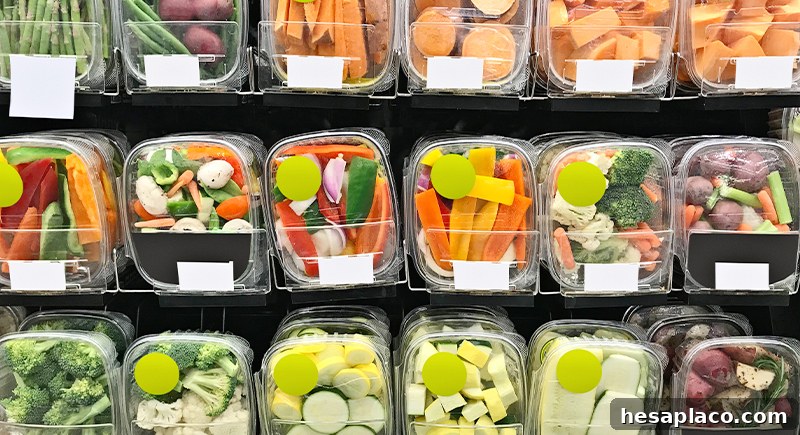
Pre-cut fruits and vegetables are marketed as time-savers, but they rarely retain the texture, flavor, or shelf life of whole produce. Once chopped and sealed in plastic, pieces can soften, discolor, or become soggy faster than intact produce. For cost-conscious shoppers, buying whole fruits or heads of vegetables and prepping them at home usually preserves freshness longer and reduces waste.
Name-Brand Cereal
Credit: iStockphoto
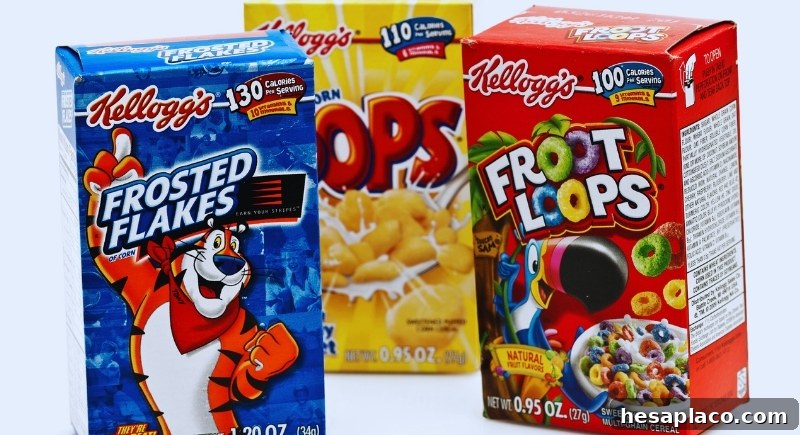
Big-name cereals grab attention with bright packaging and nostalgic branding, but the actual eating experience is often indistinguishable from well-made store brands. Private-label cereals frequently match taste and crunch while costing significantly less. Switching to a store-brand option can reduce grocery bills without sacrificing enjoyment, and it’s an easy way to lower the price per serving.
Over-The-Counter Medications

Credit: Getty Images
Many OTC drugs share identical active ingredients across different brands, yet their prices can vary widely. A name-brand pain reliever might cost two to three times more than a generic equivalent that meets the same FDA standards. Buying generics or larger quantities from warehouse stores cuts the cost per dose and still provides the same therapeutic effect.
Bagged Salad Mixes
Credit: Canva
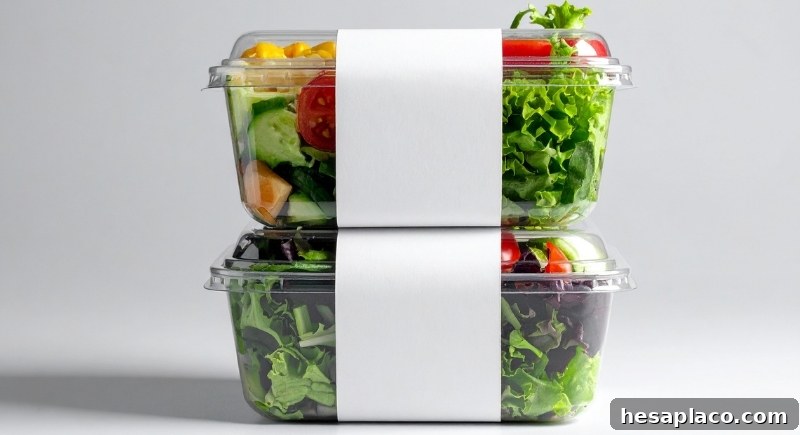
Bagged salad mixes are convenient, but the sealed environment can accelerate wilting and create soggy clumps at the bottom. Whole heads of lettuce and whole greens generally stay crisper longer and offer better texture and flavor for salads. Buying larger bundles and washing and chopping at home typically reduces waste and lowers your cost per serving.
Microwave Popcorn

Credit: Canva
Microwave popcorn is handy but often expensive by weight and contains added oils and flavor coatings. A bag of loose popcorn kernels yields far more servings for the same cost and lets you control oil and salt levels. For regular snackers, popping kernels on the stovetop or in an air popper provides better value and flavor flexibility.
Snack Packs
Credit: pexels
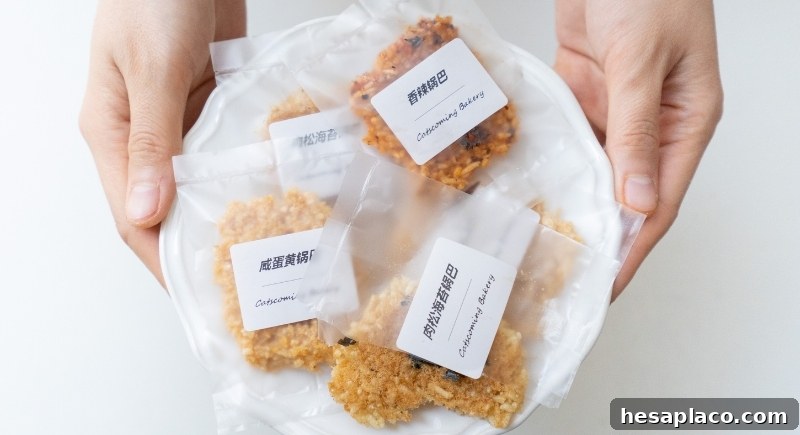
Individually wrapped snack portions are convenient for lunches and travel but cost significantly more per ounce than larger packages. The extra packaging creates additional waste and drives up the price. Buying full-size boxes and portioning snacks into reusable containers or small bags at home gives you the same convenience at a fraction of the cost and lowers your environmental footprint.
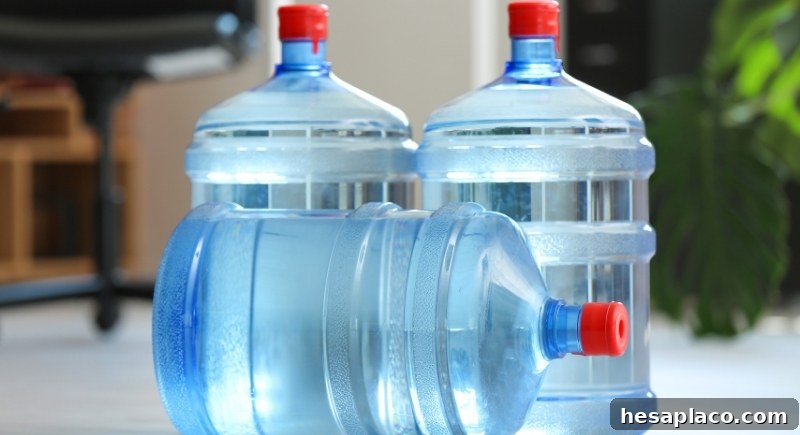
Bottled Water
Credit: Canva
Bottled water can cost many times more per gallon than municipal tap water. In most cities, tap water meets federal safety standards and tastes fine when filtered. Using a reusable water bottle and a home filter cuts recurring costs and reduces single-use plastic. For daily use, this simple swap saves money and reduces environmental impact; bottled water remains useful for travel or emergency situations.
Bubble Bath

Credit: pexels
Specialty bath products sold in grocery aisles are often priced higher than similar items at big-box stores or pharmacies. Promotional sales and loyalty discounts at other retailers frequently undercut in-store prices. When relaxation time comes around, comparing prices or waiting for sales can save a few dollars without diminishing the experience.
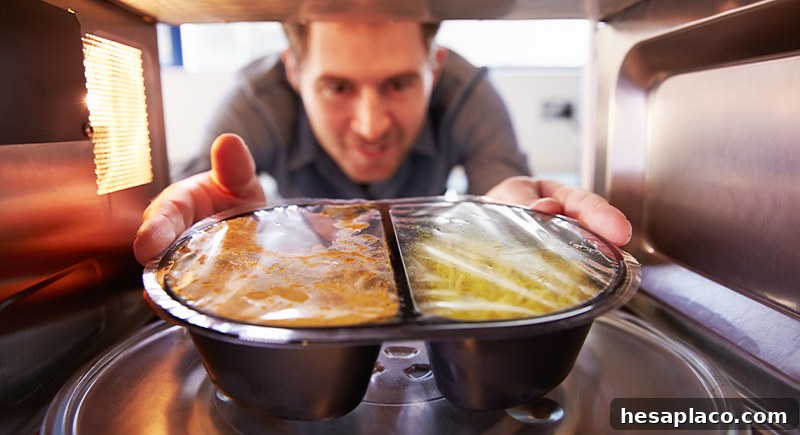
Frozen Dinners
Credit: iStockphoto
Frozen entrees are convenient on busy nights but often provide limited portions for a relatively high price. Preparing a larger home-cooked meal and freezing individual portions typically yields more meals for the same total cost and gives you control over ingredients and nutrition. Batch cooking and freezing is a budget-friendly alternative to repeatedly buying single frozen dinners.
Seasonal Non-Food Items

Credit: pexels
Items like pool floats, holiday decorations, and seasonal patio accessories placed near checkout are designed as impulse buys and often carry higher markups. These products may lack durability compared with versions sold at specialty shops or during off-season sales. Waiting for discounts or buying from retailers that specialize in seasonal goods can yield better quality at a lower price.
Being mindful about which grocery items truly save time or improve quality can help you stretch your budget further. Small changes—choosing whole produce over pre-cut, swapping name-brand items for high-quality store brands, or preparing larger batches at home—add up quickly. With a few simple swaps and a little planning, you can reduce waste, keep more money in your pocket, and still enjoy convenient, satisfying meals and household essentials.