Buying a home is likely the biggest purchase you’ll ever make, but the financial commitment doesn’t stop at the closing table.
While sales of existing homes are slowing, spending on home improvements and repairs remains strong. Homeowners nationwide are investing heavily in upgrades, and understanding which projects add value versus those that are costly with little return is crucial. Is a roof with solar panels a smart move? Do you really need a high-end refrigerator? Whether you’re preparing to sell or simply improving your living space, prioritize projects that provide the best return on investment.
First, Bring in a Pro

When faced with many renovation choices, start by consulting a professional. A real estate agent or interior designer can quickly evaluate your home and recommend improvements that deliver the most value. Many realtors offer this guidance at no cost.
Every property is unique, so work with someone skilled at assessing a home’s strengths and weaknesses on first glance. For example, if a property has limited outdoor space or is heavily shaded, extensive landscaping or certain improvements may not yield a good return. After deciding on a plan, hire the right contractors—use a home inspector or your agent’s recommendations to find qualified crews.
Check Your Levels

Sellers can aim for different “levels” of readiness depending on their goals. A valuable target is to make the house move-in ready so potential buyers can imagine living there without major immediate work. That broadens your buyer pool and helps attract the highest offers.
Cosmetic upgrades—new paint, replaced carpet, and minor fixes—can get a home to that point. Expect baseline costs to vary by market, but many sellers spend in the low to mid tens of thousands to prepare a property. This investment often improves buyer perception and speeds the sale.
Make a Good First Impression
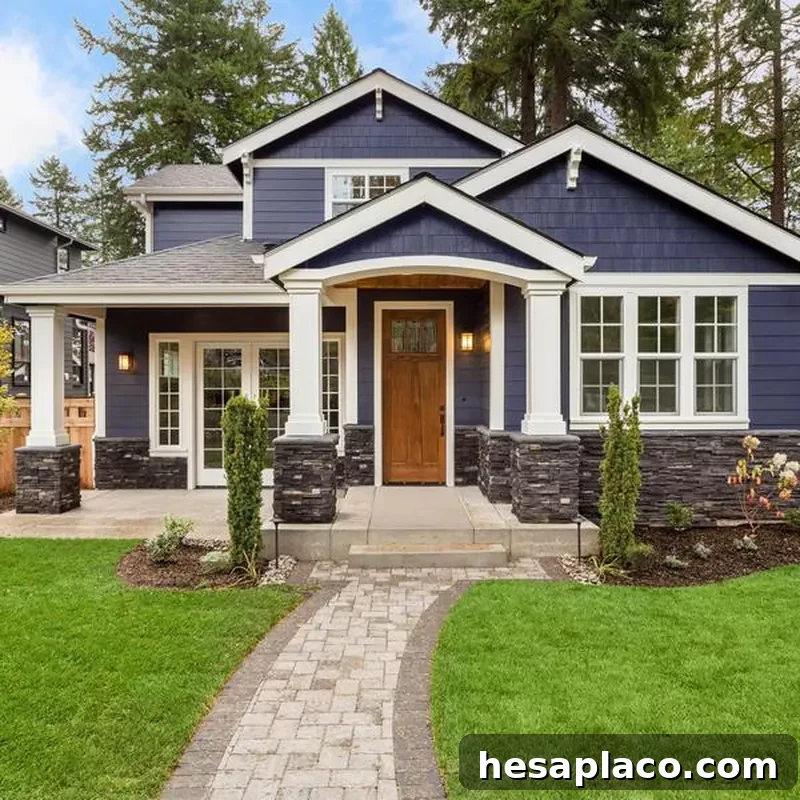
The entryway creates the first emotional reaction buyers have to a home. While interior upgrades matter, don’t neglect curb appeal. A welcoming front door, attractive lighting, and tidy landscaping invite buyers to look more closely and set a positive tone for the entire showing.
Simple, low-cost updates—paint the front door a contrasting, appealing color; add container plants; upgrade porch lighting—can make the entry feel special and memorable.
Clear the Clutter

Buyers must be able to picture themselves in your home, and personal items and visual clutter make that difficult. Clearing walls of family photos, minimizing countertop items, and organizing closets helps rooms feel bigger and more inviting. In a 2017 survey, most agents recommended decluttering as a top improvement for sellers.
Keep surfaces simple and stylish with a few well-chosen accessories. Even closets should look orderly—buyers often check storage space closely.
Hire a Stager
Professional staging highlights a home’s strengths and downplays flaws. Stagers know what to remove, what to rent, and how to arrange furniture so spaces look larger and more functional. While staging costs vary by region, the right staging can attract more offers and often pays for itself through faster sales or higher bids. Ask your agent for reputable stagers with proven results.
Stay on Top of Repairs
Buyers scrutinize homes for visible defects. Small issues—loose railings, peeling paint, minor rotted wood—can make buyers worry there are bigger hidden problems. Address easy repairs promptly and correctly rather than hiding them. Fixing minor issues upfront prevents buyers from using them to negotiate discounts or back out of deals.
Freshen up the Paint

A fresh coat of paint is one of the most cost-effective ways to refresh a room. Neutral tones brighten spaces and appeal to a wider range of buyers, helping them imagine their own furnishings in the home. Painting can often be a DIY project that yields a large visual payoff for relatively little expense.
Increase Your Living Space

Adding usable square footage—converting a large laundry room into a bedroom or finishing an attic—can significantly increase value. Creative reconfiguration that converts underused areas into functional living space often yields high returns. Small layout changes or closet additions can transform a three-bedroom into a four-bedroom and raise the sale price substantially.
Make Your Home More Energy Efficient

Energy-efficient upgrades attract buyers and reduce utility costs. Double-pane windows, improved insulation, LED lighting, and Energy Star appliances make a home more appealing. Energy-efficient washers, dishwashers, and HVAC systems cut monthly expenses and are tangible selling points.
For larger investments like solar panels, get estimates and research available incentives before committing. In some markets, solar can be a strong selling feature, but the payback depends on local regulations and incentives.
Revamp Your Kitchen
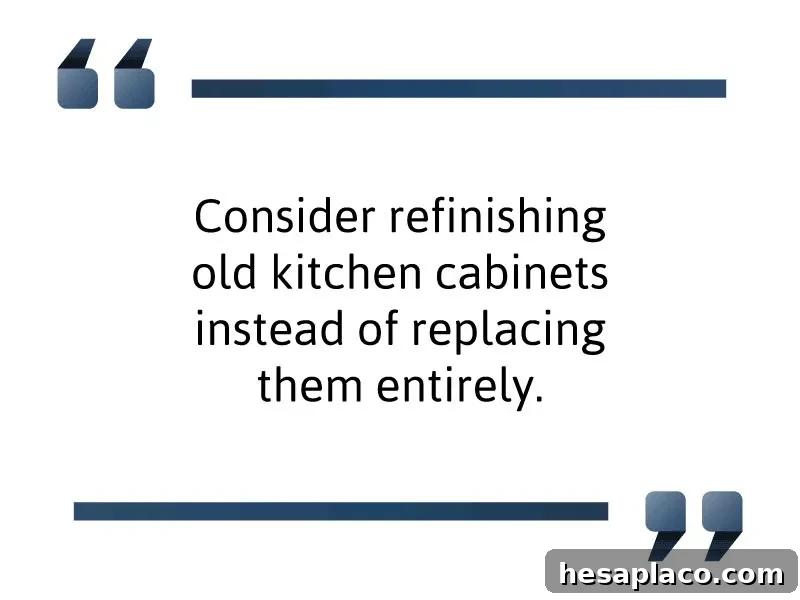
The kitchen often delivers the best return on investment. Buyers focus on the kitchen when evaluating a home, so targeted improvements matter. Full remodels can be costly, so weigh the expected increase in market value against renovation costs.
You can accomplish many impactful updates yourself—painting cabinets, changing hardware, and installing new lighting. To save money, consider refinishing existing cabinets rather than replacing them or sourcing prebuilt cabinetry from value-oriented retailers.
Don’t Go Overboard on the Bathrooms
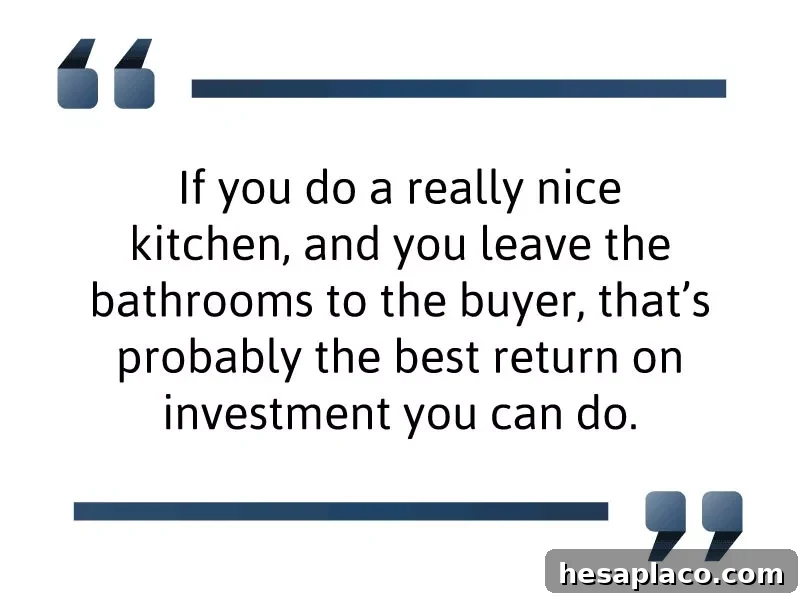
While bathrooms are important, splurging on all bathrooms isn’t always necessary to secure a strong return. Focus on a standout kitchen first and make modest, tasteful bathroom updates—new fixtures, contemporary mirrors, fresh towels, and updated hardware—that modernize the space without excessive cost.
Make Your House “Smarter”

Smart-home features—thermostats, locks, lighting, and security systems—are more affordable each year and can make a home stand out. A smart thermostat, for example, can reduce heating and cooling costs and is an attractive convenience for buyers. Smart devices also enhance perceived security and modern appeal, which can influence buyer decisions. If you add smart features, make sure your agent highlights them during marketing and showings.
Get Your Inspection Reports

Order inspection reports before listing so you can address issues on your terms. Early inspections reveal problems that are often cheaper to fix before a buyer’s inspection. By resolving items ahead of time, you avoid surprises during escrow and reduce the likelihood that buyers will use defects as leverage in negotiations.
Proactively fixing known issues gives you more control and can lead to a smoother sale and better offers.