
“Sleep is for the weak,” said no doctor ever. In fact, the opposite is true: to be fit, healthy and resilient—both emotionally and physically—you need sufficient sleep. The National Sleep Foundation recommends seven to nine hours of sleep per night for adults aged 26 to 64. Yet more than a third of American adults do not get the sleep they need.
“Multiple studies on health outcomes and sleep have made it clear that good quality sleep on a regular basis improves health and leads to a longer life,” says physician Dr. Kyle Varner.
Research shows sleep influences nearly every aspect of health and well-being. From weight control to mental health to work performance, the evidence is clear: better sleep supports better outcomes. Below are 13 ways sleep benefits you, along with expert tips to improve your nightly rest.
Want to sleep better and have more mental and physical energy when you are awake? Download Loóna, an award-winning sleep app that uses art, guided meditation, storytelling and science to help people unwind, relax and get more restful sleep.
Sleep Can Improve Your Heart Health
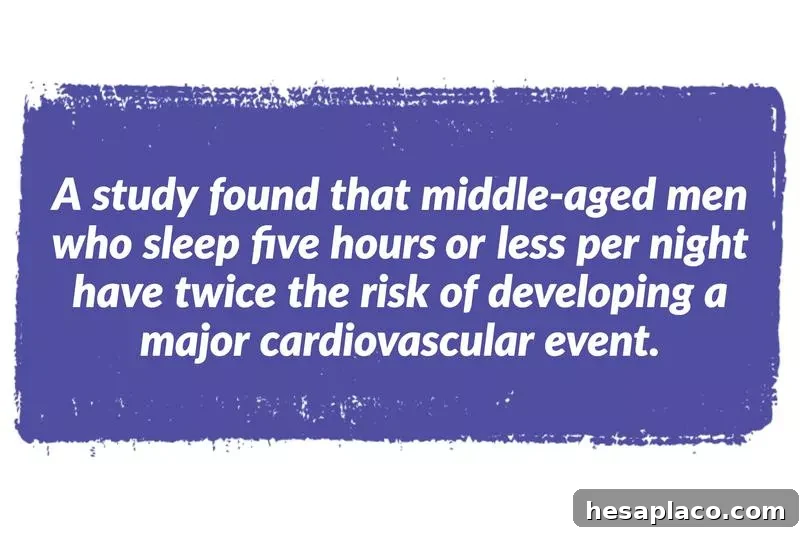
Insufficient sleep may increase cardiovascular risk. A long-term study from the University of Gothenburg found that middle-aged men sleeping five hours or less per night had roughly twice the risk of experiencing a major cardiovascular event over the next two decades compared with men who slept seven to eight hours. Conversely, too much sleep also appears linked to risk: another study found people sleeping eight to nine hours had a slightly higher risk of major cardiovascular events than those sleeping six to eight hours.
Expert sleep tip: Caffeine consumed late in the day can disrupt nighttime sleep. Avoid coffee, cola and other caffeinated drinks after mid-afternoon to improve your sleep quality, advises sleep specialist Whitney Roban, Ph.D.
Sleep Can Improve Weight Management

Sleep plays a vital role in weight control. Short sleep alters appetite hormones—raising ghrelin (which stimulates appetite) and lowering leptin (which suppresses it)—and impairs glucose metabolism and blood pressure regulation. Studies show individuals who sleep under six hours per night are at higher risk of elevated BMI and obesity; one review found children and adults with short sleep durations were significantly more likely to become obese.
Expert sleep tip: The blue light from phones, tablets and computers suppresses melatonin and signals your brain that it is daytime. Turn off electronics at least an hour before bed to help your body prepare for sleep.
Sleep Can Improve Learning

A rested brain learns and remembers more effectively. Sleep helps consolidate newly acquired information into long-term memory and supports learning of skills. For example, a Northwestern University study showed that a 90-minute nap strengthened learning of a new tune: participants performed better on a melody that was replayed during sleep than on one that was not.
Expert sleep tip: “The human body works in a day–night cycle, and it is vitally important to sleep at night and be awake during the day,” says Varner. Limit or avoid daytime naps to protect nighttime sleep.
Sleep Can Improve Athletic Prowess

Insufficient sleep impairs exercise performance, strength and stamina. Extending sleep, however, can enhance athletic outcomes. A Stanford study of basketball players found that when athletes got at least 10 hours of sleep per night, their accuracy, speed, reaction times and overall mental well-being improved significantly.
Expert sleep tip: Regular daily exercise—at least 20 minutes—can improve sleep quality. Avoid vigorous workouts within three hours of bedtime, since late intense exercise can be mentally stimulating and make falling asleep harder.
Sleep Can Reduce Risk of Diabetes
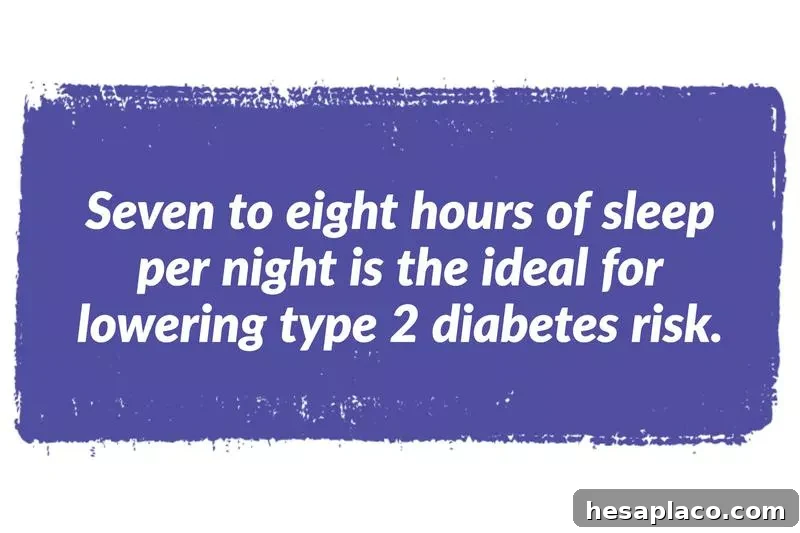
Short sleep duration is linked to elevated risk of type 2 diabetes. In one experiment, healthy young men restricted to four hours’ sleep per night for six nights developed signs of prediabetes, which resolved after a week of extended sleep. Meta-analyses suggest seven to eight hours of nightly sleep is ideal to lower diabetes risk.
Expert sleep tip: Establish a consistent sleep schedule by going to bed and waking at the same time every day. Regular exposure to daylight also helps entrain the circadian rhythm and improve sleep patterns.
Sleep Can Improve Your Immune System
Even modest sleep loss weakens immune function. In a study where volunteers were exposed to a cold virus, those sleeping less than seven hours were nearly three times more likely to develop symptoms than participants who slept eight hours or more. Quality sleep supports the immune system’s ability to resist infections and recover from illness.
Expert sleep tip: Create a dark, cool bedroom for the best sleep. Light inhibits melatonin release, so minimize light exposure and keep your room temperature between roughly 60 and 67 degrees Fahrenheit for optimal rest.
Sleep Can Improve Creative Problem-Solving

Sleep supports creativity by combining different sleep phases. During non-REM sleep the brain consolidates and differentiates memories; during REM sleep it links distant ideas and seeks patterns. This collaboration helps us form new connections and approach problems with fresh insight.
Expert sleep tip: High sodium intake can worsen circulation and affect sleep. Limit salty foods at dinner and overall to support better rest and circulation, recommends Colin Zhu, D.O.
Sleep Can Decrease Inflammation
Poor sleep is associated with chronic low-grade inflammation, which contributes to conditions such as heart disease, diabetes, arthritis and inflammatory bowel disease. People who sleep six hours or less often show higher levels of inflammatory proteins in the blood, linking sleep loss to broader health consequences.
Expert sleep tip: To promote relaxation before bed, consider a cup of chamomile tea. Chamomile contains apigenin, an antioxidant with calming properties that may ease the transition to sleep.
Sleep Can Provide a Mental Health Boost
Sleep and mental health are closely linked. About 90 percent of people with depression report sleep problems, and insomnia increases the risk of developing depression. Adolescents who sleep six hours or less face a higher risk of major depression, which can in turn disrupt sleep further. Addressing sleep is a key part of mental health care.
Expert sleep tip: If you suspect depression, seek help from a physician or therapist. Proper diagnosis and treatment can reduce depressive symptoms and help restore healthy sleep patterns.
Sleep Can Reduce Stress
Quality sleep helps regulate cortisol, the hormone central to the body’s stress response. Sleep deprivation disrupts normal cortisol rhythms, making it harder to respond productively to everyday stressors.
Expert sleep tip: To lower stress before bed, try breathing exercises, meditation, guided imagery or calming music to promote relaxation and prepare for sleep.
Sleep Can Enhance Brain Function
Sleep deprivation harms cognition, attention, productivity and overall performance. For example, medical interns working extended shifts made significantly more serious errors than those who received more sleep. Midlife and later-life sleep disturbances may also increase the risk of cognitive decline over time.
Expert sleep tip: Foods containing tryptophan—such as almonds, turkey and dairy—have calming effects. A warm glass of milk before bed can be a soothing, sleep-friendly choice.
Sleep Can Improve Your Social Skills
Lack of sleep reduces the ability to read social cues and process emotional information. Sleep-deprived people struggle to recognize facial expressions and emotions like anger, sadness and happiness, and often show reduced empathy and poorer emotional regulation—factors that can damage relationships.
Expert sleep tip: Avoid alcohol before bed. While it may make you drowsy initially, alcohol interferes with restorative sleep stages and can block amino acids like tryptophan from functioning effectively in the brain.
Sleep Can Lead to a Longer Life
Both too little and too much sleep are associated with increased mortality risk. Sleep may reflect overall health, and many disease processes affect both sleep and longevity. For instance, studies show that sleeping fewer than five hours doubled the risk of death from cardiovascular disease in one cohort. While the exact mechanisms are still being studied, adequate sleep is clearly essential for long-term health.
Expert sleep tip: Keep your weekday and weekend sleep schedules as consistent as possible. Try to limit the difference in sleep timing to about an hour to avoid disrupting your body’s sleep–wake rhythm.
Want to sleep better and have more mental and physical energy when you are awake? Download Loóna, an award-winning sleep app that uses art, guided meditation, storytelling and science to help people unwind, relax and get more restful sleep.