
Before you pick up a rental car, remember that the friendly agent behind the counter doesn’t always have your best financial interest in mind. Hidden fees, tiny-print clauses, and hurried decisions can turn what seemed like a bargain into a surprisingly expensive experience.
Below are practical tips and common mistakes to avoid when renting a car. A bit of attention up front can save you money, reduce stress, and prevent unexpected surprises on your trip.
Buying Insurance You Don’t Actually Need
Credit: Canva
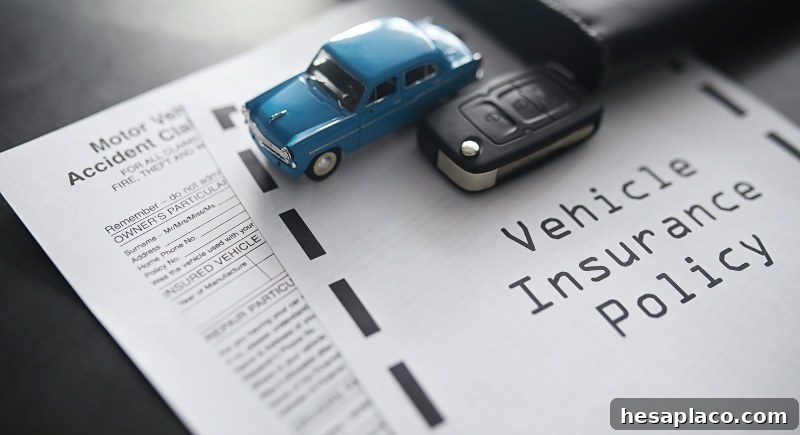
Sales reps often push collision damage waivers, loss damage waivers, or other add-on coverages as if they’re essential. However, many renters are already covered by their personal auto insurance or by benefits attached to certain credit cards. Before accepting extra coverage at the counter, verify what your existing policies or cards cover so you don’t pay twice for the same protection.
Forgetting to Review the Fuel Policy

Credit: Canva
Fuel options vary: full-to-full is usually cheapest if you refill before returning, while prepay or “return empty” plans can cost far more than local pump prices. If you prepay and don’t use the full tank, you typically won’t get a refund. Know the policy and either refill nearby before drop-off or accept the known cost upfront.
Picking Up at the Airport Without Comparing Rates

Credit: Canva
Airport locations often add surcharges and taxes that branch offices don’t. If you can arrange a short taxi, shuttle, or rideshare to an off-airport location, the daily rate can drop considerably. Always compare airport and nearby city locations before finalizing your reservation.
Skipping the Damage Check When Picking Up

Credit: Getty Images
Inspect the vehicle thoroughly and insist that every scratch, ding, and stain be documented on the rental agreement. Photograph the car from multiple angles and keep timestamps if possible. If damage isn’t recorded and you return the car with a new mark, you could be held responsible.
Returning the Car Even Slightly Late

Credit: Getty Images
Many rental contracts count a late return as an additional rental day, which can add a large charge. While some companies offer a short grace period, others do not. Build extra time into your return schedule to avoid an unexpected extra day’s fee.
Paying for GPS, Car Seats, or Toll Packages You Don’t Need
Credit: Canva
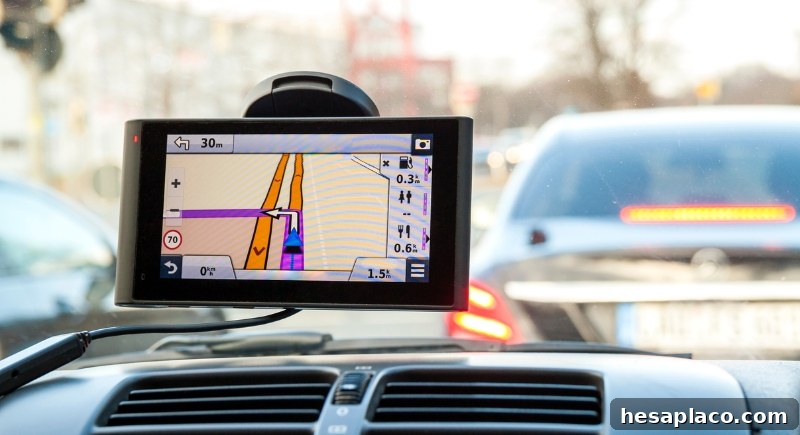
Add-on fees for GPS units, child seats, or electronic toll passes can quickly accumulate. Smartphones provide reliable navigation; many airlines let you check car seats for free, and local toll systems often accept credit cards or apps. Bring what you can from home and only rent extras that you truly need.
Not Checking for Mileage Limits
Credit: Getty Images
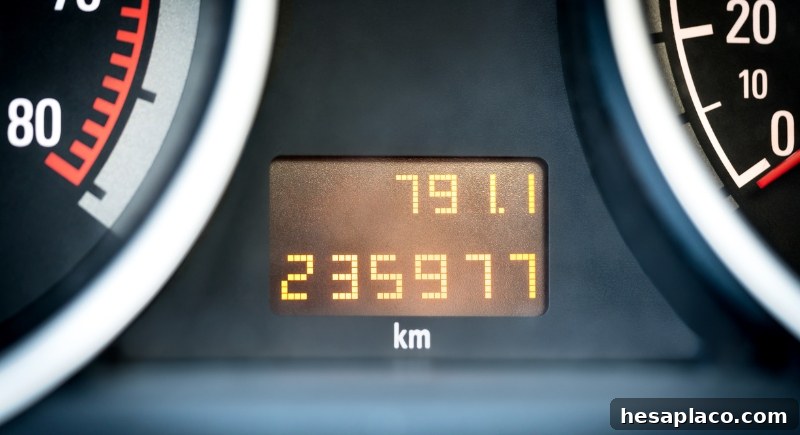
Unlimited mileage is not guaranteed, especially with specialty, luxury, or certain discount rates. Confirm whether your booking includes unlimited miles and, if not, check the per-mile overage fee so you can estimate total costs if your plans change.
Assuming You Can Cross Borders or Use Any Road

Credit: Getty Images
Many rental agreements restrict cross-border travel or specify prohibited roads and terrain. Driving into another country or onto unpaved or remote routes without permission can void insurance and result in steep penalties. If you plan to travel out of state or country, get written confirmation that it’s permitted and whether extra fees or documentation are required.
Booking Without a Deposit or Prepayment

Credit: Canva
Not prepaying or leaving a deposit can leave you vulnerable to cancellations during busy periods. A small deposit or a prepaid refundable rate helps guarantee the reservation. If you prefer flexibility, pick a refundable booking rather than relying on an unconfirmed hold.
Paying More for a One-Way Rental

Credit: Getty Images
Dropping a car off at a different location often triggers one-way fees that can be significant, especially across regions or countries. If your itinerary allows, returning the car to the pickup location can avoid these charges. If a one-way trip is necessary, shop around and factor the fee into your total cost comparison.
Forgetting About Hotel Parking and Local Fees

Credit: Getty Images
Daily hotel parking, city congestion charges, and frequent tolls can add more to your trip than the rental itself. For urban stays, compare the total expense of a rental plus parking to public transit, taxis, or rideshares. In many cases, not renting a car is the more economical choice.
Overlooking Membership Discounts

Credit: Getty Images
Warehouse clubs, auto associations, travel loyalty programs, and some credit cards offer rental discounts, upgrades, or waived fees. Before booking, check your memberships and reward programs for applicable benefits. These savings can be immediate and meaningful for your bottom line.
Waiting Too Long to Reserve

Credit: Canva
Delaying your reservation can mean limited availability and higher prices, particularly during peak travel times. Book early when possible and choose a refundable or flexible rate so you can reprice or cancel if a better deal appears closer to your trip.
Not Comparing Rental Companies or Locations
Credit: Getty Images
Don’t assume the largest brand or the first search result is the cheapest. Compare multiple companies, vehicle classes, and pickup locations. Sometimes a larger car or a different branch offers a lower rate. Use comparison tools and check terms carefully so you understand the true total cost.
Assuming a Rental Is Always Necessary
Credit: Getty Images
Finally, consider whether you actually need a car. Dense cities with robust public transportation and high parking costs often make rentals unnecessary and costly. Evaluate transit options, rideshares, and short-term passes before committing to a rental. Choosing the right transportation for your itinerary can save time and money.
Renting a car can be convenient and cost-effective if you plan carefully. Review coverage, inspect the vehicle, understand fuel and mileage policies, compare locations and providers, and account for local fees. A little preparation will help you avoid the common traps that inflate the final bill.