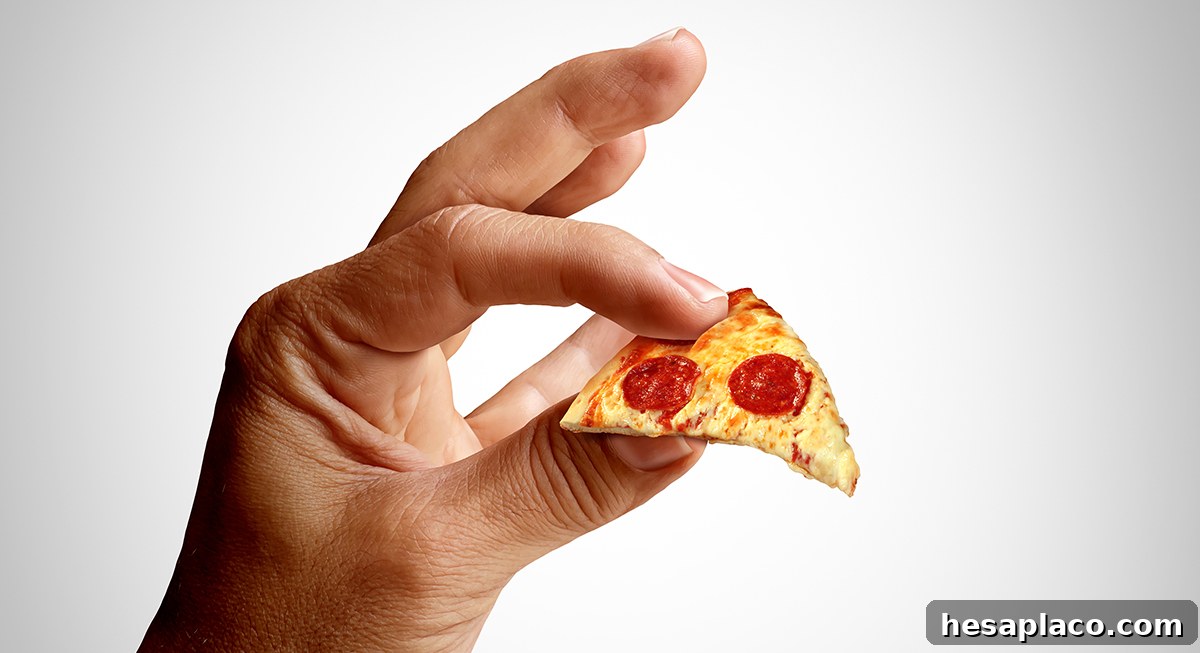
Have you ever opened a packaged snack and wondered, “Wasn’t there more in here before?” You’re not imagining it. Grocery shrinkflation is the quiet practice of reducing the amount of product while keeping the price the same—or even higher. Smaller candy bars, lighter chip bags, and shorter tubs of ice cream have steadily crept onto store shelves, often with minimal changes to packaging.
Below are several clear examples of shrinkflation in everyday products. These cases highlight how subtle changes to size, weight, or count let manufacturers maintain price points while cutting costs.
Chobani Flips Yogurt Shrunk by Nearly an Ounce
Credit: Wikimedia Commons
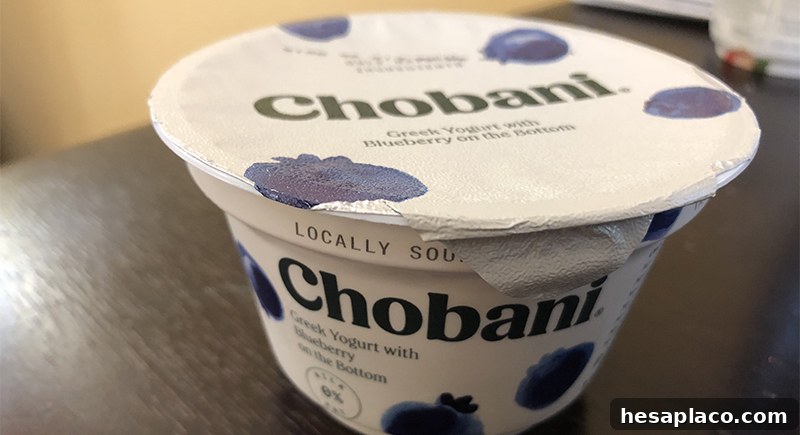
Flip the container and read the net weight: Chobani Flips have gone from 5.3 ounces to 4.5 ounces. The outer packaging looks nearly identical, so it’s easy to assume you’re getting the same portion—until you reach the bottom of the cup sooner than expected.
Domino’s Wing Deal Cut by Two Pieces
Credit: Reddit
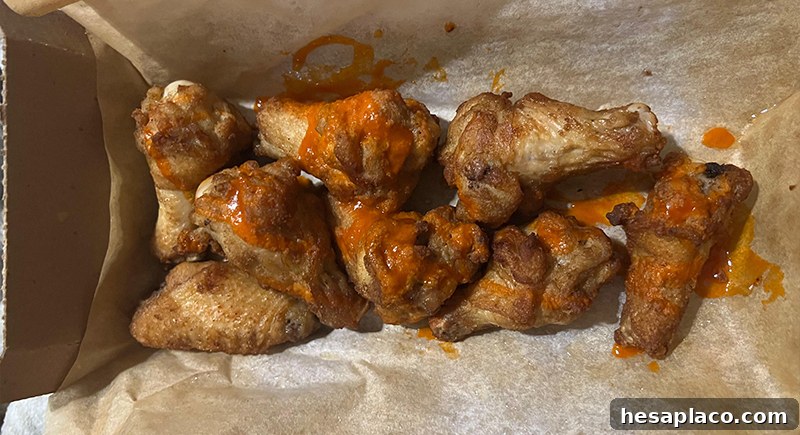
A popular 10-piece chicken wing promotion quietly became an 8-piece deal while the price stayed at $7.99. No major announcements or banner ads explained the reduction—just fewer wings for the same cost.
Frozen Pizza Boxes Got Sleeker While the Pizza Shrunk
Credit: Reddit
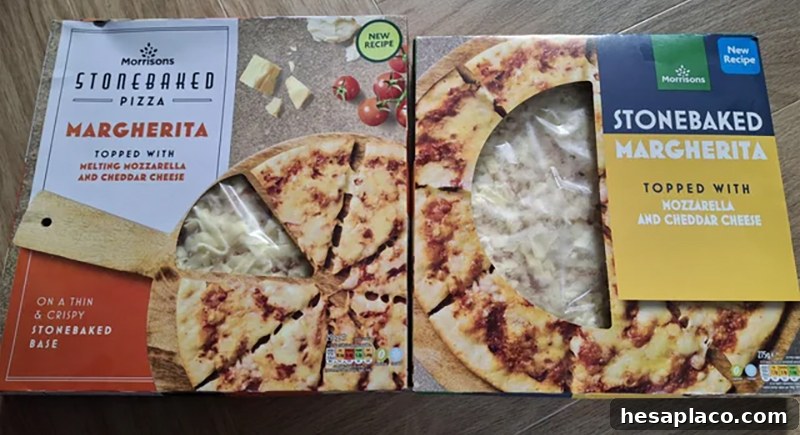
A modern, stylish redesign of Morrison’s Stonebaked Margherita pizza boxes made the packaging look more premium while the net weight of the pizza diminished. Only shoppers who inspect the nutrition facts or net weight will notice the change.
Orange Juice Bottles Lost 6 Ounces Without Notice
Credit: flickr
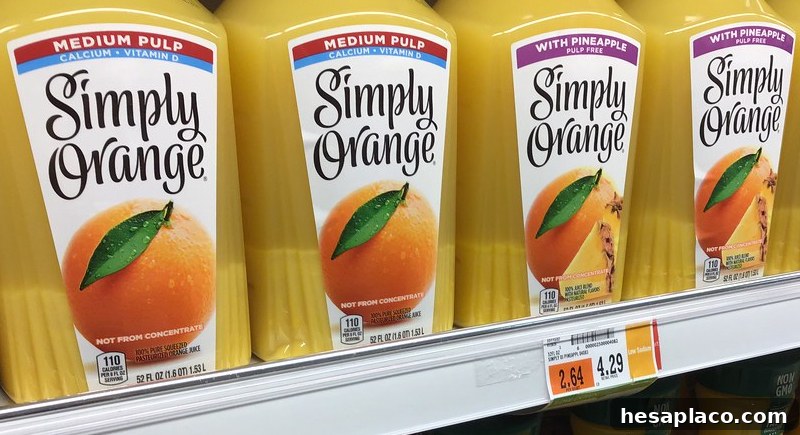
A grocery employee noticed that Simply Orange bottles looked slimmer on the shelf. A closer look showed a 6-ounce reduction in volume, even though marketing claims like “no sugar added” and “rich in vitamin C” remained unchanged on the label.
Gatorade Bottle Redesign Hid a 4-Ounce Cut
Credit: flickr
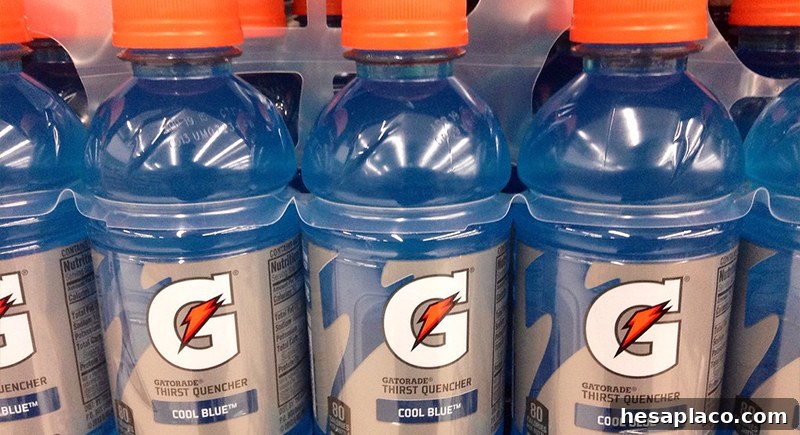
Gatorade introduced a “new grip” in its bottle design, but the new shape coincided with a reduction from 32 ounces to 28 ounces. The ergonomic marketing distracts from the fact that each bottle now contains less liquid.
Life Cereal Downsized and Rebranded
Credit: flickr
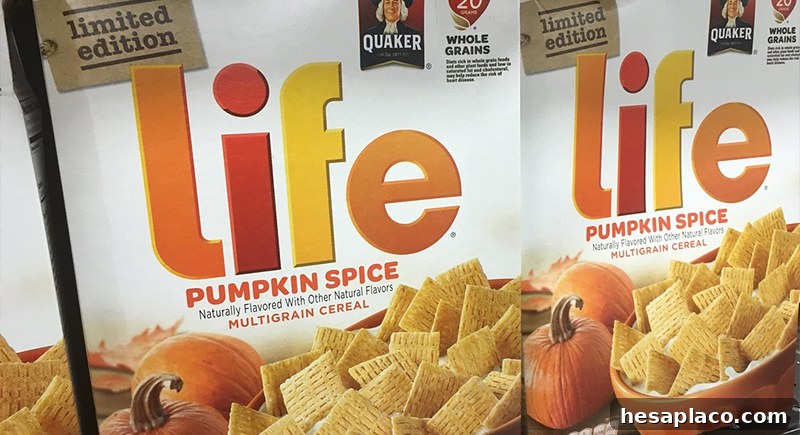
Quaker repositioned its packaging terminology—what used to be sold as “giant size” is now labeled “family size”—while the actual cereal content dropped to 22.3 ounces. To further mask the change, the box profile was altered to appear taller, creating a vertical illusion of equal volume.
Wrigley’s Extra Gum Cut Piece Count, Kept the Container
Credit: Wikimedia Commons
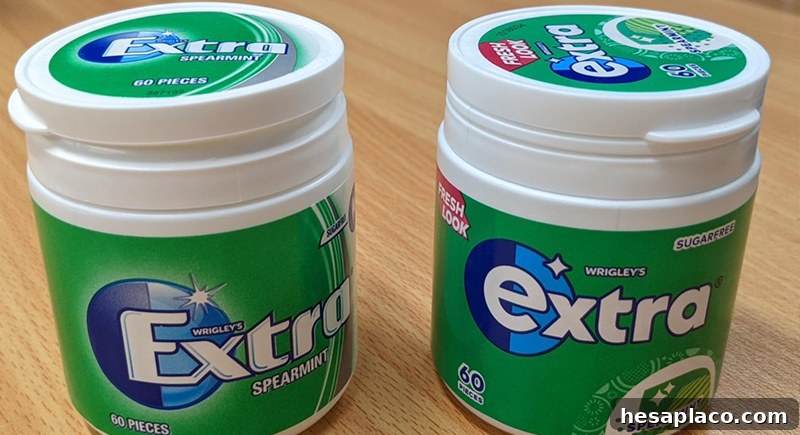
Wrigley’s Extra gum still comes in the familiar click-top plastic container, but the count inside dropped from 70 pieces to 60. With no change to the exterior dimensions, only those who read the label or count the pieces will notice the reduction.
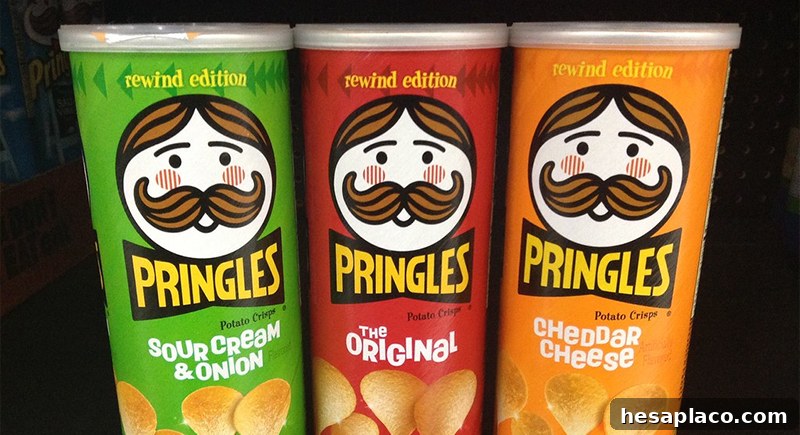
Pringles Tub Weights Varied by Flavor
Credit: flickr
Even iconic Pringles tubes have been affected. Over time, the standard weight has decreased, and some flavors—such as barbecue and sour cream—saw larger reductions than others. The uniform exterior conceals differences in the number of chips inside.
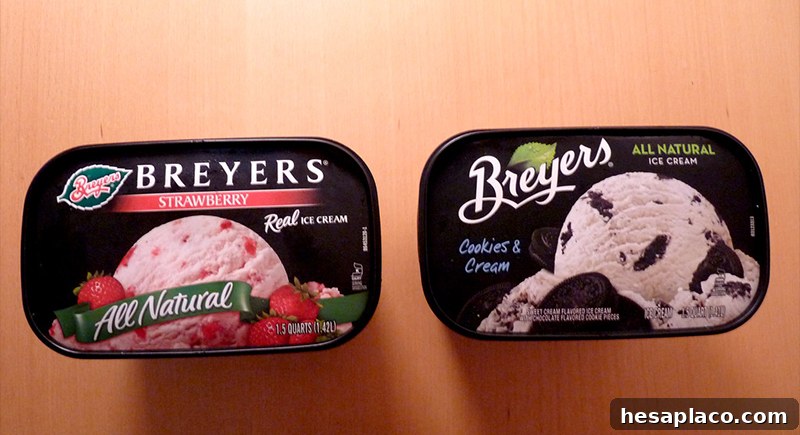
Breyers Ice Cream Volume Reduced Silently
Credit: flickr
What was once marketed as 1.66-liter tubs of French Vanilla Creamery Style ice cream are now sold in 1.41-liter versions. The price remained unchanged while the quantity decreased, leaving buyers with slightly less ice cream for the same money.
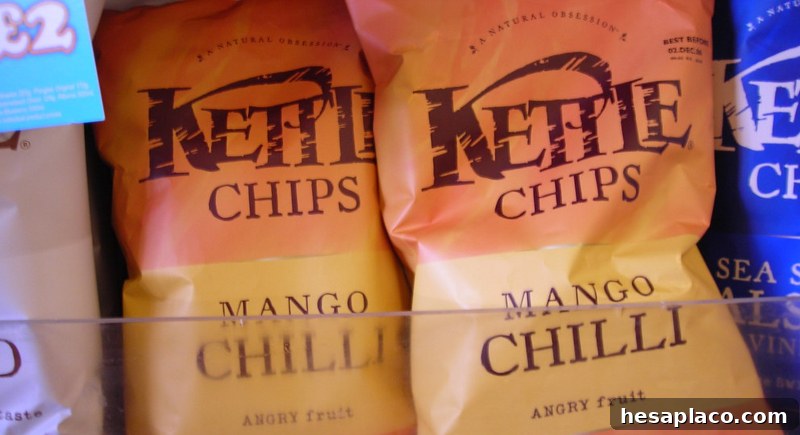
Kettle Chips Reduced from 7 to 5 Ounces
Credit: flickr
Kettle Brand Krinkle Cut Dill Pickle chips went from 7 ounces down to 5 ounces—a reduction of roughly 28%. The packaging and shelf placement stayed the same, making the change less obvious to casual shoppers.
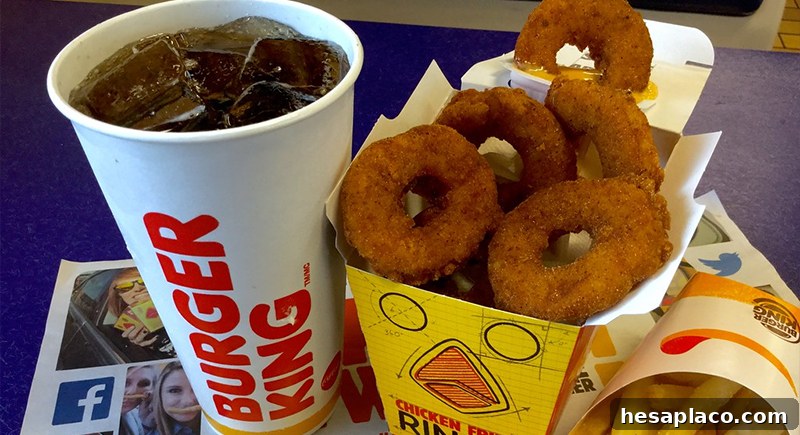
Burger King Nugget Meals Now Contain Fewer Pieces
Credit: flickr
Your nugget meal may look identical—same box, same sauce—but the piece count changed. A 10-piece order can quietly become an 8-piece without an announcement, leaving customers to notice only after eating.
Snack-Size Candy Packs Lost a Piece
Credit: Reddit
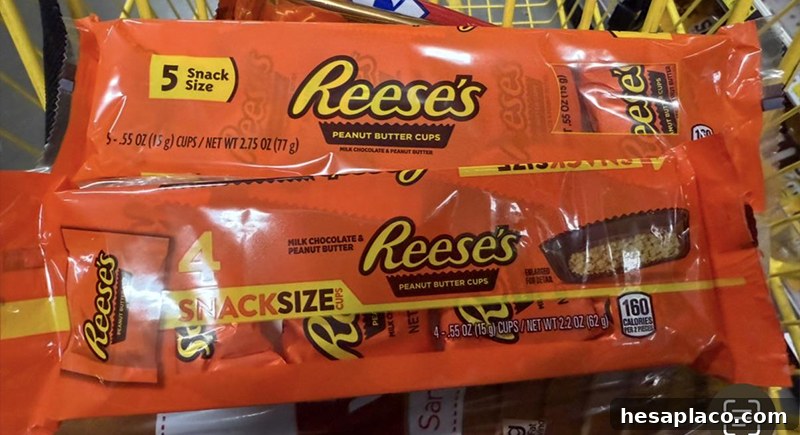
Reese’s snack packs sold at some retailers used to include five mini cups; now some packs contain four. The slight reduction is enough to make the product feel lacking without drawing immediate attention to a price-per-unit change.
Quaker Chewy Bars Shrank Incrementally Over Decades
Credit: Reddit
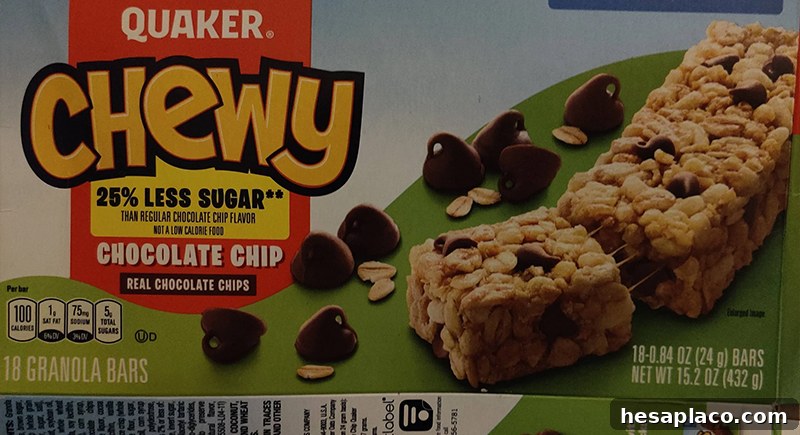
Quaker’s chewy granola bars have been getting thinner and slightly lighter for years. Once close to an ounce apiece in the 1990s, many varieties hover around 0.92 ounces now, a slow erosion of size that’s easy to miss.
Doritos Bags Trimmed by Half an Ounce
Credit: flickr
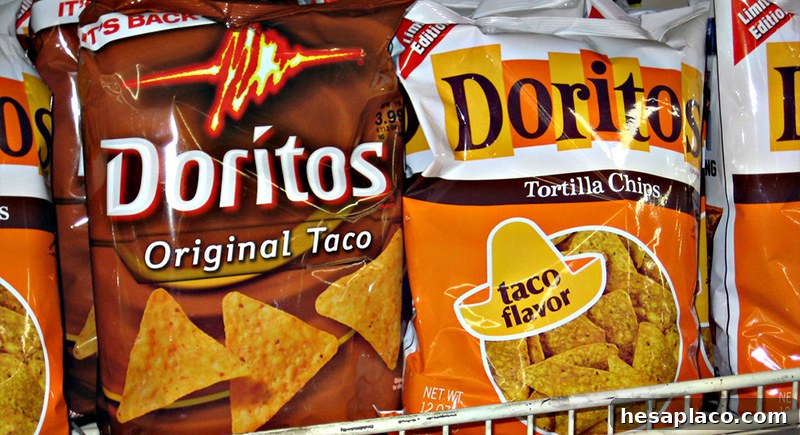
Frito-Lay reduced some Doritos bags from 9.75 ounces to 9.25 ounces and retained the same shelf price. A company spokesperson acknowledged taking “just a little bit out” to keep prices stable—an example of how small cuts per bag add up at scale.
Saltine Crackers Became Lighter Without Packaging Changes
Credit: flickr
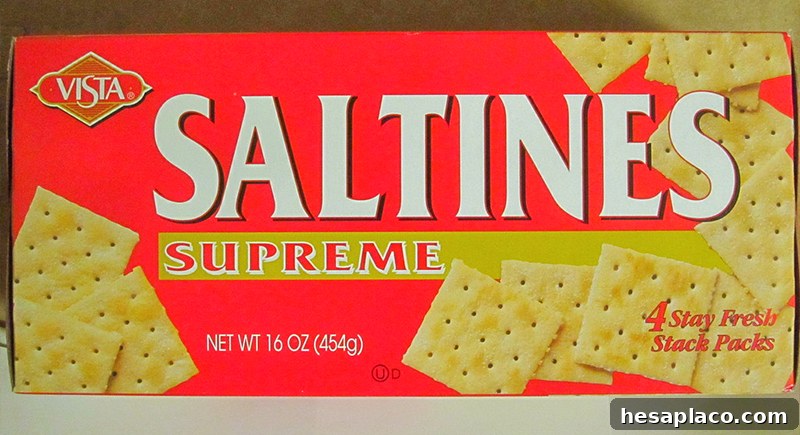
Even when packaging looks identical, the product inside can change. Modern boxes of saltines now often contain smaller crackers and less total weight than older versions, a subtle shift that trims cost without altering the outward appearance.
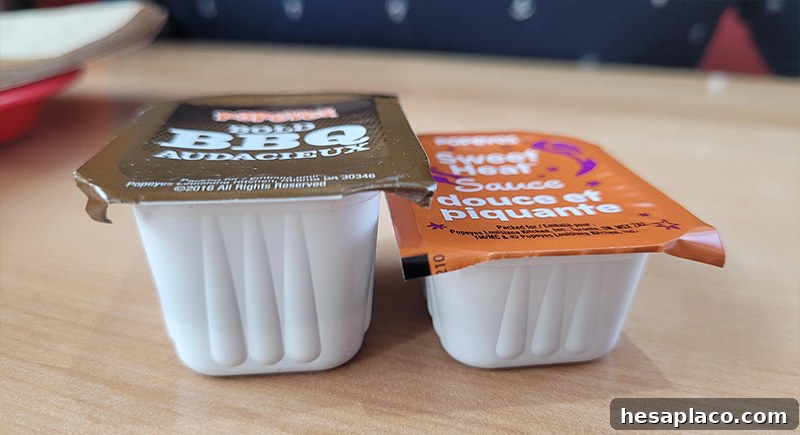
Fast-Food Sauce Packets Contain Less
Credit: Reddit
Packets of popular fast-food dipping sauces—such as Popeye’s BBQ and Sweet & Sour—look and feel the same, but now contain slightly less sauce. You’ll often find yourself running out sooner when dipping fries or tenders.
Shrinkflation doesn’t always come with a dramatic label change or a press release. These examples show how manufacturers and restaurants often adjust portions, weight, or counts to manage costs while keeping price points familiar. The most reliable way to spot these changes is to check net weight, piece counts, or servings listed on packaging and compare them over time.