
Summer brings sunshine and outdoor fun—but it also often brings higher utility bills. The U.S. Energy Information Administration reports that average monthly electricity costs rise this season to about $173, which can be a shock. Fortunately, staying comfortable doesn’t have to drain your wallet. From simple habits to smart upgrades, these practical tips can lower cooling costs while keeping your home pleasant all summer long.
Adjust the Thermostat Smartly
Credit: Getty Images
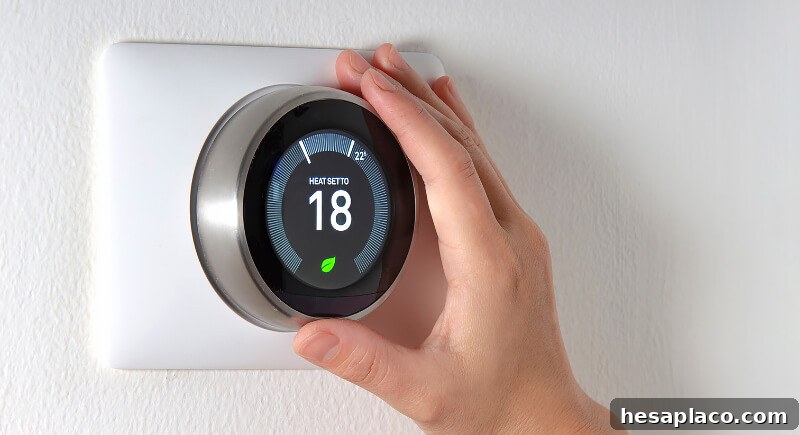
Raising the thermostat a few degrees in summer can make a big difference. The Department of Energy recommends setting your thermostat around 78°F when you’re home and higher when you’re away. That modest adjustment can cut cooling bills by roughly 10%. Installing a smart thermostat automates these changes for you—lowering energy use while keeping comfort nearly the same.
Close the Curtains During Peak Heat

Credit: Canva
Keeping blinds and curtains closed during the hottest hours—especially on west-facing windows—reduces heat gain. Light-colored blinds reflect sunlight, and insulated drapes offer year-round benefits. This simple habit acts like sunscreen for your home, helping your cooling system run less and lowering your bill.
Clean or Replace Air Filters
Credit: pexels
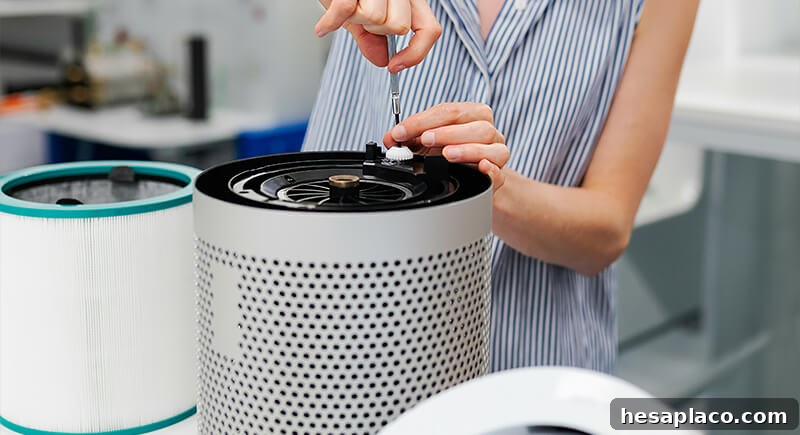
Dirty filters make your air conditioner work harder, wasting energy and reducing airflow. The Department of Energy suggests checking filters every one to three months during heavy use and replacing or cleaning them as needed. Keeping filters maintained can lower cooling costs by 5% to 15% and improve indoor air quality.
Use Ceiling Fans Wisely

Credit: Africa images
Ceiling fans don’t lower air temperature but they improve comfort by creating a breeze. When set to rotate counterclockwise, they push air down and make a space feel several degrees cooler. That lets you raise the thermostat while staying comfortable. Fans are inexpensive to run—just pennies an hour compared with air conditioning.
Seal Drafts Around Doors and Windows

Credit: Getty Images
Tiny gaps around windows and doors let cool air escape and hot air enter. Weatherstripping and caulk are low-cost fixes you can apply in an afternoon. To locate leaks, hold a smoldering incense stick near frames—the smoke reveals where air moves. Sealing those gaps reduces strain on your AC and cuts energy waste.
Shift Chores to Off-Peak Hours

Credit: pexels
Electricity rates can vary by time of day. Many utilities charge less during off-peak hours when demand is lower. Running the dishwasher late at night or doing laundry early in the morning can yield savings. Check your utility’s rate schedule and plan high-energy tasks for cheaper times.
Switch to LED Bulbs
Credit: Canva
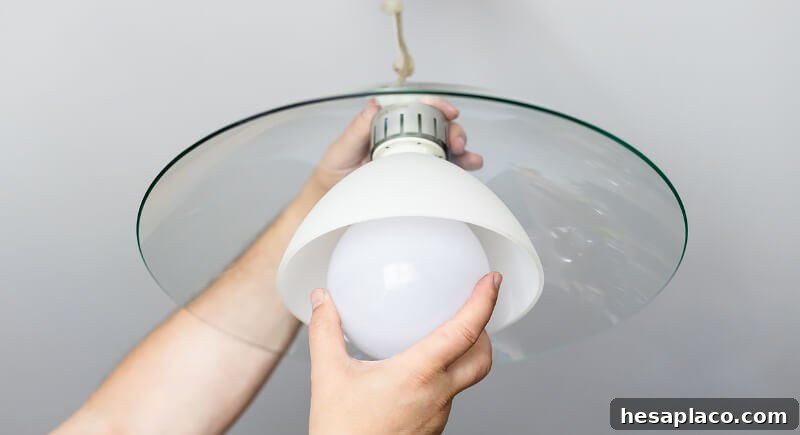
Traditional incandescent bulbs generate a lot of heat and waste energy. LED bulbs use up to 90% less power and last far longer, which can save hundreds of dollars over time. LEDs also produce much less heat, reducing the workload on your cooling system.
Turn Down the Water Heater
Credit: Getty Images
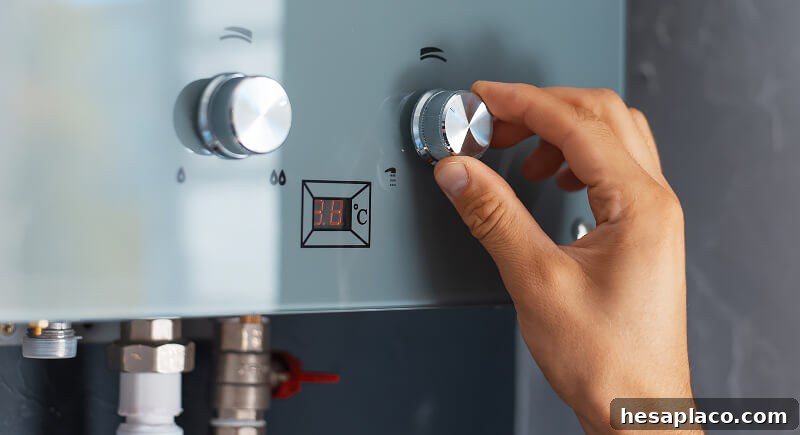
Most households don’t need their water heater set to 140°F. Setting it to about 120°F is usually sufficient for showers, dishes, and laundry while reducing energy use and the risk of scalding. Because hot water accounts for a significant portion of home energy use, lowering the temperature can produce noticeable savings.
Unplug Energy Vampires
Credit: Getty Images
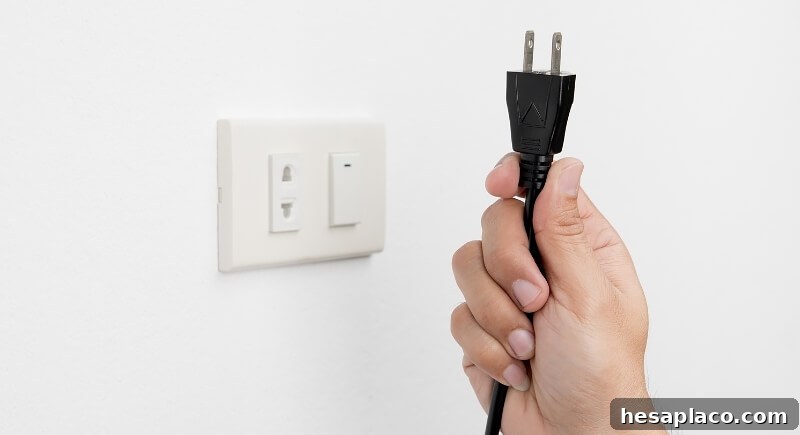
Many electronic devices draw standby power even when turned off. Phone chargers, game consoles, and small appliances can add up to about $100 per year. Using smart power strips or unplugging devices when not in use prevents that phantom load and trims energy bills.
Take Advantage of Utility Rebates

Credit: Canva
Before investing in upgrades, check your utility provider and state programs for rebates. Many offer incentives for smart thermostats, Energy Star appliances, and insulation improvements. Some areas also provide community solar programs that can lower bills. A bit of research can reduce upfront costs and speed up your payback.
Rely on Natural Ventilation at the Right Time

Credit: pexels
Open windows in the early morning and late evening to bring cooler outside air into your home, creating cross-breezes that lower indoor temperatures. Once daytime heat intensifies, close windows and curtains to keep that cool air inside. Combining this approach with fans can be very effective.
Upgrade Old Appliances

Credit: Vecteezy Images
Older refrigerators, washers, and other appliances often consume far more energy than newer, efficient models. Energy Star-rated appliances can use 10% to 50% less energy. Rebates and long-term savings frequently justify replacing outdated units, and a single new appliance can cut household energy use noticeably.
Keep Landscaping in Mind

Credit: pexels
Strategic planting can reduce cooling needs. Deciduous trees on the south and west sides of a house block summer sun while allowing winter light, and shrubs can shade outdoor AC units to help them run more efficiently. Thoughtful landscaping can cut cooling requirements and improve home comfort.
Run Appliances Efficiently
Credit: pexels
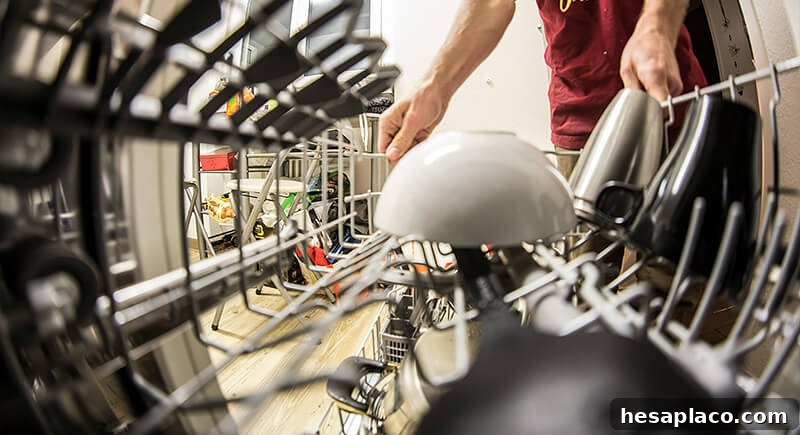
Using appliances wisely saves both water and energy. Run full loads in dishwashers and washers, skip pre-rinsing dishes, and select cold-water cycles for laundry when possible. Modern dishwashers use far less water per cycle than hand washing, and efficient habits amplify those savings.
Schedule an Energy Audit

Credit: Canva
Many utilities offer free or low-cost home energy audits that identify leaky ducts, insufficient insulation, and inefficient systems. Professional audits or Department of Energy DIY guides can reveal high-impact improvements. Addressing those issues can significantly reduce bills and improve home comfort.