
The 2025 GOBankingRates report highlights how costly life has become in major U.S. cities. Using the 50/30/20 budgeting rule combined with current housing data, the analysis shows that many households now need six-figure incomes simply to cover housing and basic living expenses. Below are 50 cities where the cost of living has escalated dramatically, with figures reflecting required household incomes, typical mortgage payments, and the pressures renters and homeowners face.
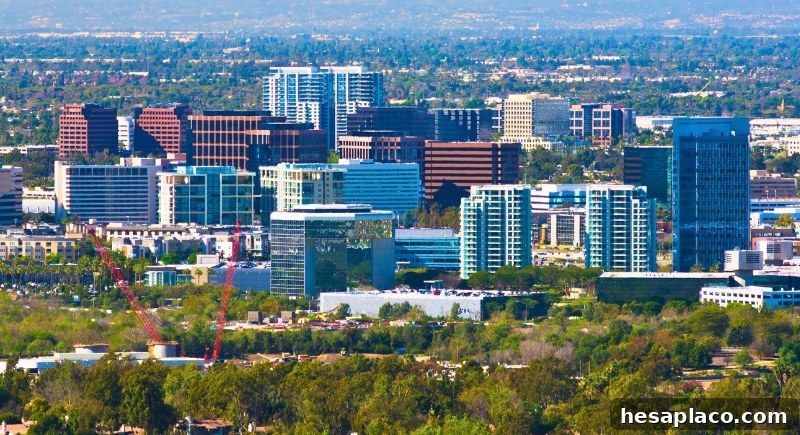
Irvine, California – $129,647
Credit: iStockphoto
Irvine ranks as the nation’s most expensive city for both renters and homeowners. Mortgage payments average $11,461 per month, and renters need roughly $130,943 per year to manage basic budgets. Homeownership requires an annual income near $326,645—well above typical medians—making affordability a major challenge for many residents.
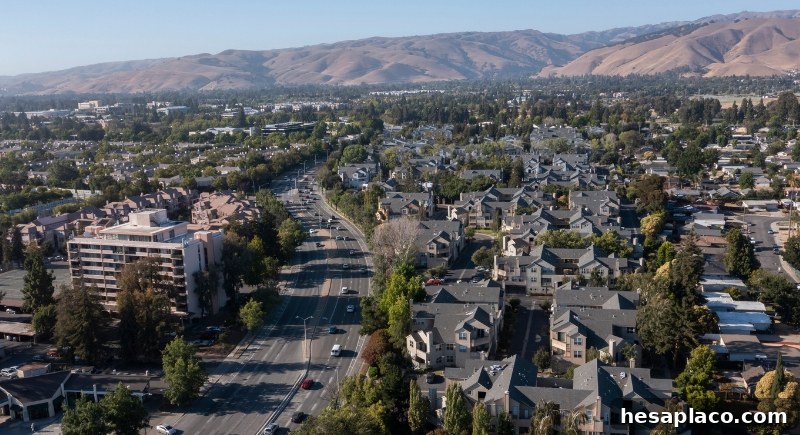
Fremont, California – $176,350
Credit: Getty Images
Fremont’s tech-driven economy keeps pushing housing costs upward. Renters earning six figures still find it difficult to make ends meet, while homeowners require an annual income around $304,047 and face monthly mortgage payments near $10,290. Even strong local salaries are often outpaced by relentless price increases.
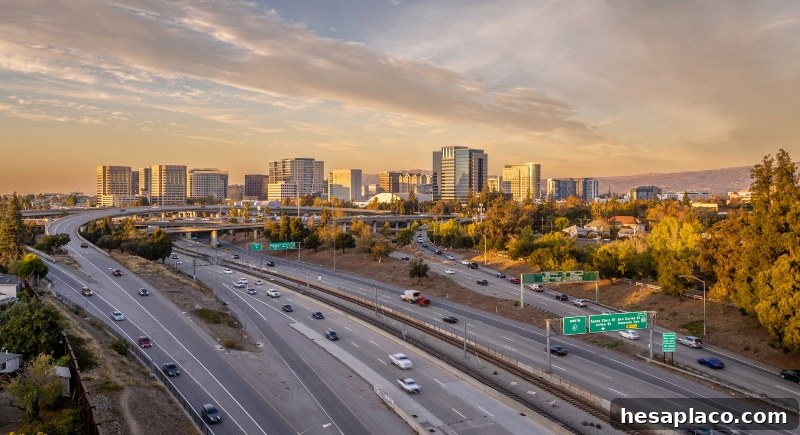
San Jose, California – $141,565
Credit: Getty Images
As a core Silicon Valley city, San Jose’s housing demand remains intense. Average monthly mortgage payments are about $9,790, and many households need incomes near $300,000 to live comfortably. High wages exist, but housing costs leave many households financially stretched despite competitive pay.
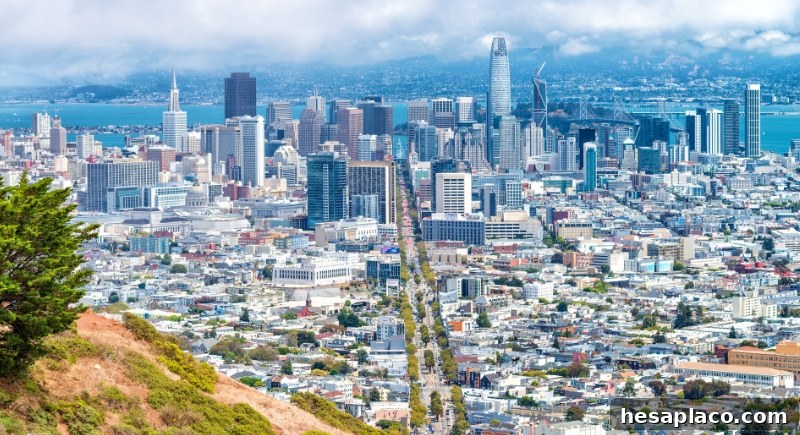
San Francisco, California – $141,446
Credit: Getty Images
San Francisco’s affordability crisis is driven by long-standing housing shortages and persistent demand. Monthly mortgage payments around $8,600 push many six-figure earners to the limit, while renters often face costs above the city’s already-high median income. The market consistently ranks among the most expensive nationwide.
Honolulu, Hawaii – $85,428
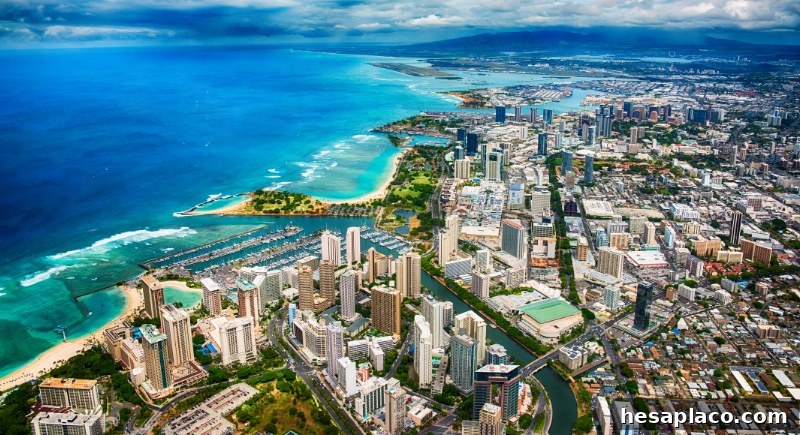
Credit: Getty Images
Honolulu experiences some of the highest utility and living costs in the U.S., driven by island logistics and reliance on imports. Homeowners need about $245,515 annually to remain financially secure, with mortgage payments often near $7,500 per month—making affordability difficult for many residents.
San Diego, California – $104,321
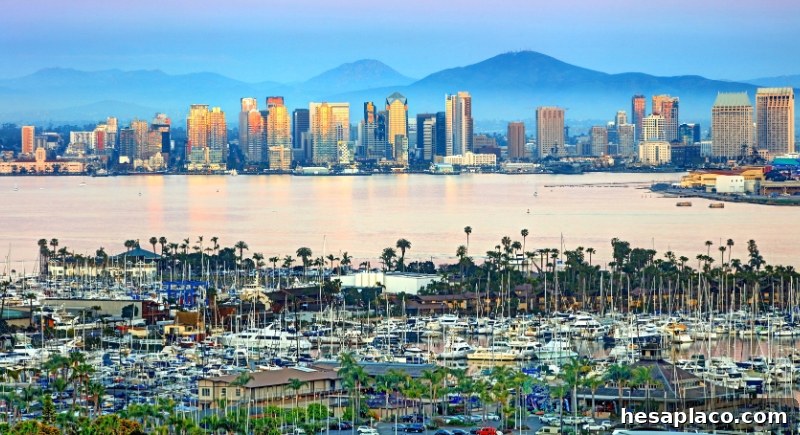
Credit: Getty Images
San Diego’s desirable climate and coastal location keep housing demand strong. Renters often need well over $120,000 annually to live comfortably, while limited housing supply continues to drive home prices higher despite above-average incomes.
Arlington, Virginia – $140,160
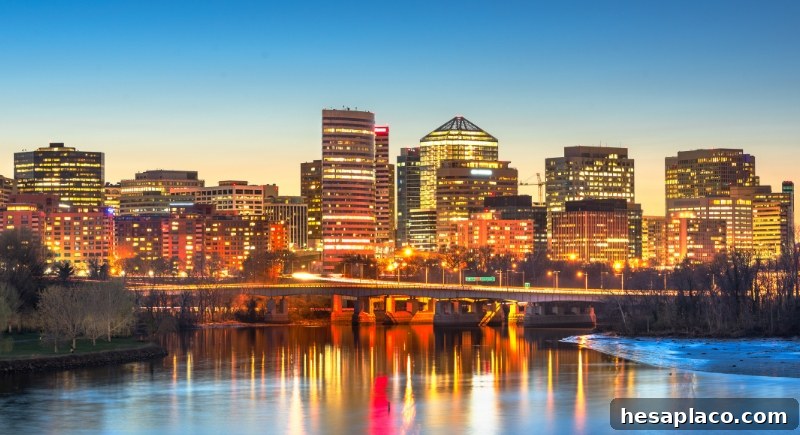
Credit: Getty Images
Arlington’s closeness to Washington, D.C., its strong job market, and top-rated schools keep demand—and prices—high. Average mortgages are about $6,777 monthly, and homeowners often require more than $217,000 per year to avoid financial strain.
Los Angeles, California – $80,366
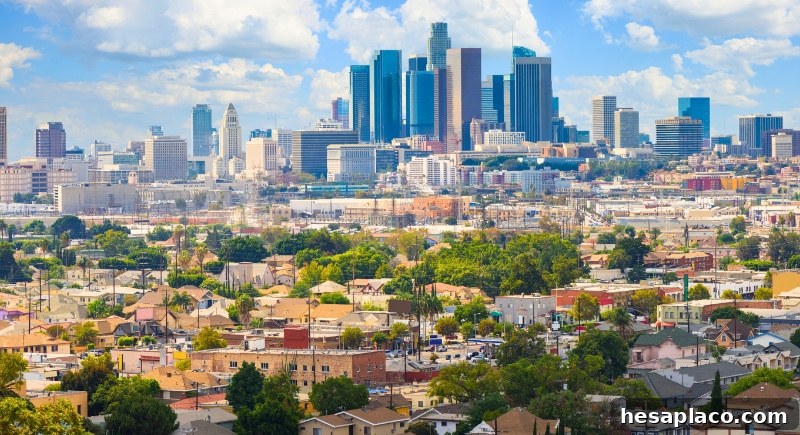
Credit: iStockphoto
Affording life in Los Angeles involves more than housing: transportation, childcare, and taxes add to overall costs. Homeowners typically need over $200,000 a year to manage comfortably, while renters often require incomes well above $120,000. Urban sprawl and commuting costs increase financial pressure.
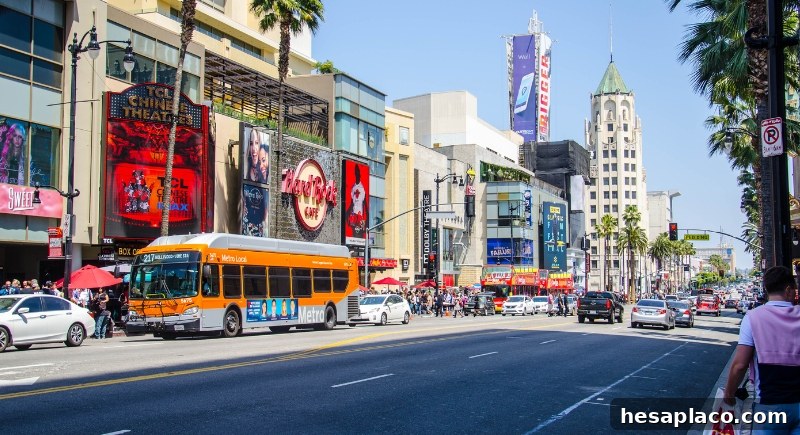
Anaheim, California – $90,583
Credit: pexels
Located in Orange County and influenced by nearby tourism, Anaheim faces elevated living costs. Average property-related expenses reach about $5,826 monthly, making renting or buying a significant financial commitment for many local households.
Seattle, Washington – $121,984

Credit: Getty Images
Seattle’s tech-driven growth has kept housing demand high. Buyers typically need close to $200,000 annually to handle mortgage payments averaging $5,800 per month. Low inventory and higher property taxes compound affordability challenges.
New York City, New York – $79,713

Credit: Getty Images
In New York City, renters often need about $160,000 a year and homeowners nearly $200,000, reflecting average monthly rents around $3,710. High taxes, fees, and transit costs add to the overall housing burden, leaving affordability out of reach for many households.
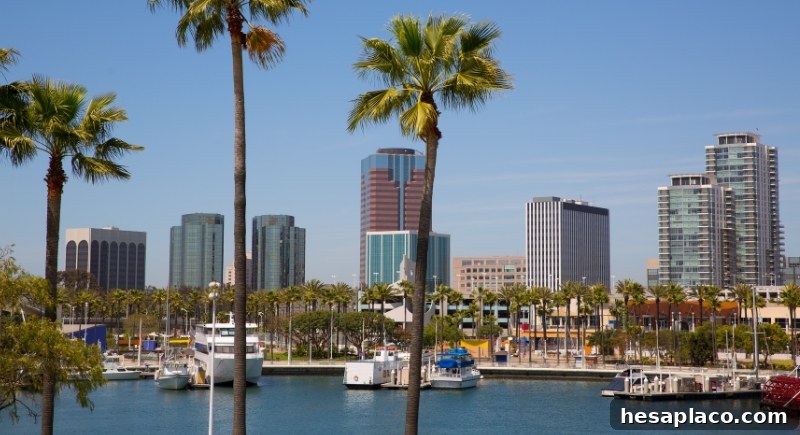
Long Beach, California – $83,969
Credit: Canva
Long Beach has become pricier as people move outward from Los Angeles. Buyers face mortgage payments near $5,500 monthly, and renters need incomes above $110,000 to avoid financial strain. Coastal amenities and port-related jobs keep demand elevated.
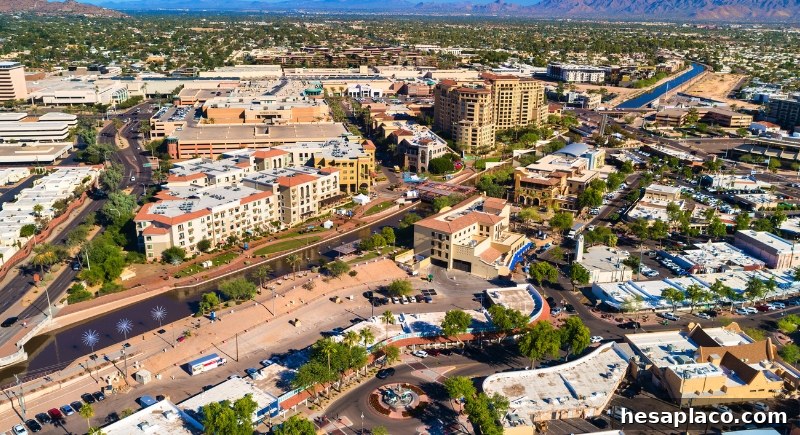
Scottsdale, Arizona – $107,372
Credit: iStockphoto
Scottsdale has seen rapid value growth driven by retirees, remote workers, and luxury developments. Homeowners typically need about $186,055 annually, with monthly mortgages averaging $5,662, making ownership challenging for many long-term residents.
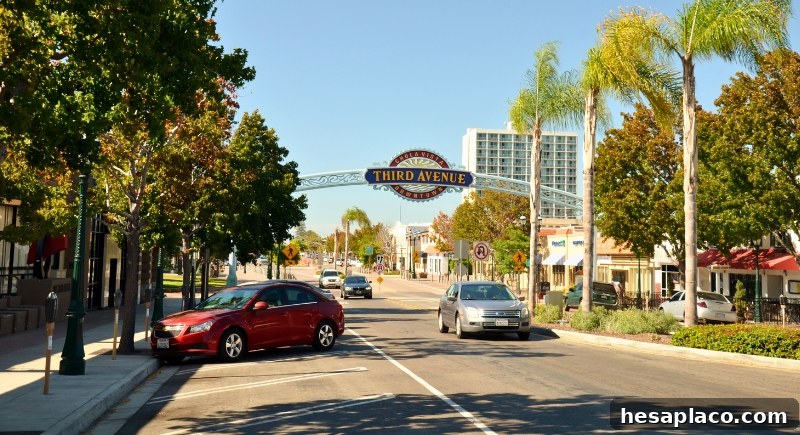
Chula Vista, California – $105,173
Credit: Wikimedia Commons
Chula Vista reflects pressures seen across the San Diego metro. Renters need about $129,000 a year, and mortgage holders pay around $5,383 monthly. Limited housing supply and a growing population make homeownership a stretch for many middle-class families.
Santa Ana, California – $88,354
Credit: Getty Images
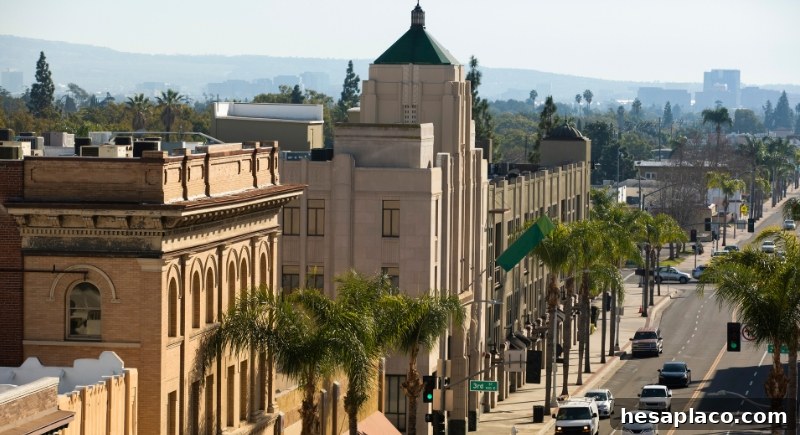
Santa Ana’s affordability gap remains wide. Homeownership often requires nearly $183,000 annually with monthly mortgage payments near $5,500. Many residents turn to renting, though rental costs are also rising faster than local incomes.
Boston, Massachusetts – $94,755

Credit: Getty Images
Boston’s historic character and strong job market come with high housing costs. Monthly mortgage payments average about $5,210, and homeowners often need roughly $181,000 per year to maintain financial comfort as limited inventory keeps pressure on prices.
Santa Clarita, California – $119,926

Credit: Wikimedia Commons
Even with relatively high incomes, many Santa Clarita homeowners need about $176,330 a year to avoid strain. Average monthly housing costs are around $5,144, and growing demand across Los Angeles County suburbs continues to push rents and sale prices up.
Oakland, California – $97,369
Credit: Getty Images
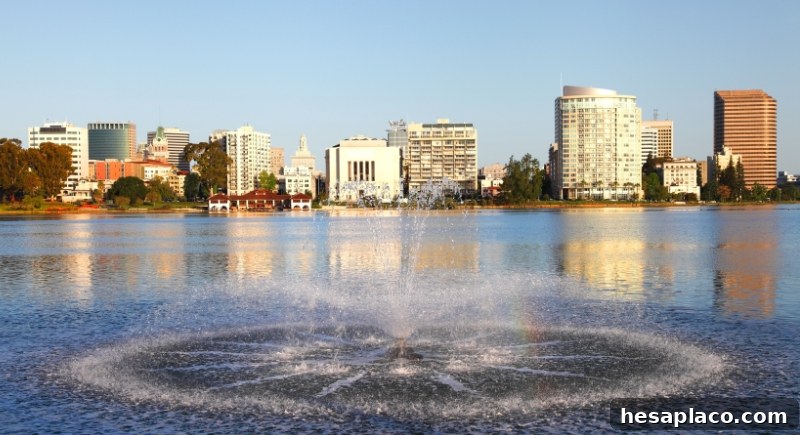
Once seen as a more affordable alternative to San Francisco, Oakland’s prices now closely mirror its neighbor. Homebuyers often require about $176,119 annually and face mortgage payments near $5,000 per month, leaving limited space for savings.
Washington, D.C. – $106,287
Credit: Getty Images
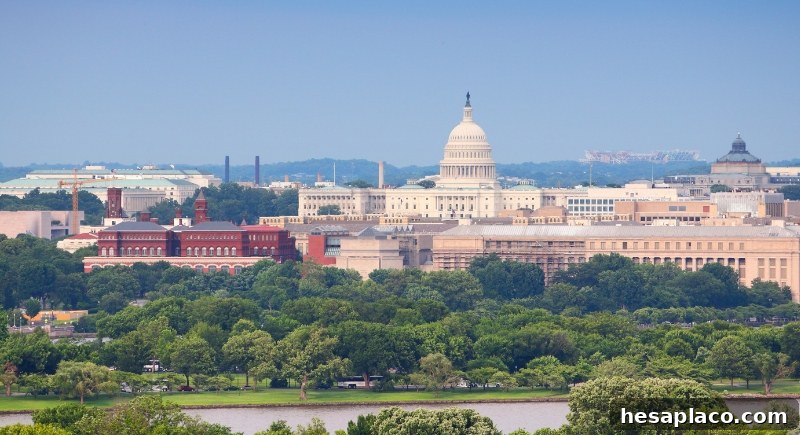
In the capital, renters typically need $118,491 per year while homeowners require over $168,000. Average mortgage payments are about $4,632 monthly. High demand and competitive neighborhoods limit flexibility for many working professionals.
Jersey City, New Jersey – $94,813
Credit: Getty Images
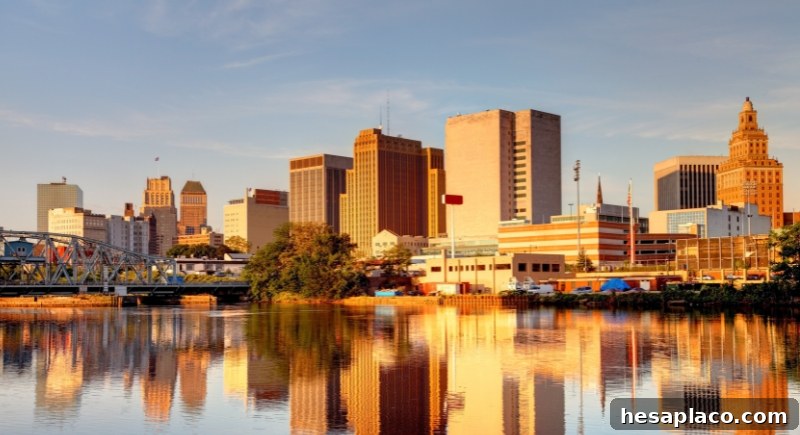
Proximity to Manhattan continues to drive demand in Jersey City. Typical mortgage payments can reach $3,982 monthly, and renters often need around $136,000 a year to cover basic budgets, making it a hotspot for those priced out of New York.
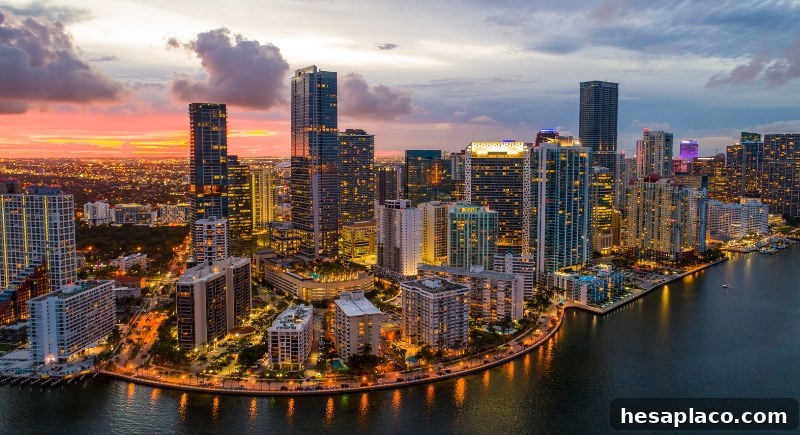
Miami, Florida – $59,390
Credit: Getty Images
Miami’s popularity with retirees, tourists, and investors keeps demand high. Renters generally need about $130,580 per year and buyers roughly $151,340, with typical mortgage payments near $3,976 monthly. These housing costs consume a large share of many households’ income.
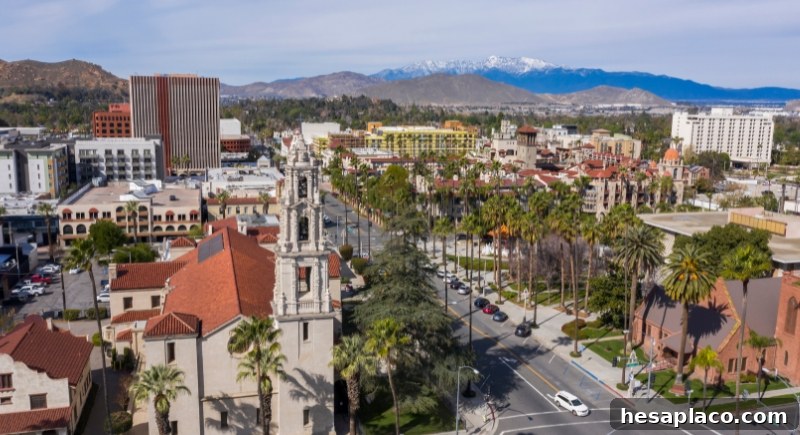
Riverside, California – $88,575
Credit: Getty Images
Riverside has absorbed an influx of residents moving inland from coastal counties. New development hasn’t kept pace with demand, so prices are increasing and families seeking affordability often find themselves facing similar costs to coastal Californians.
Denver, Colorado – $91,681

Credit: Getty Images
Denver’s rapid growth has strained housing supply. Homeowners typically need $137,113 annually, with mortgage payments averaging $3,615 per month. Renters face a $96,448 income requirement, and the city’s once-affordable reputation has eroded as demand outpaces construction.
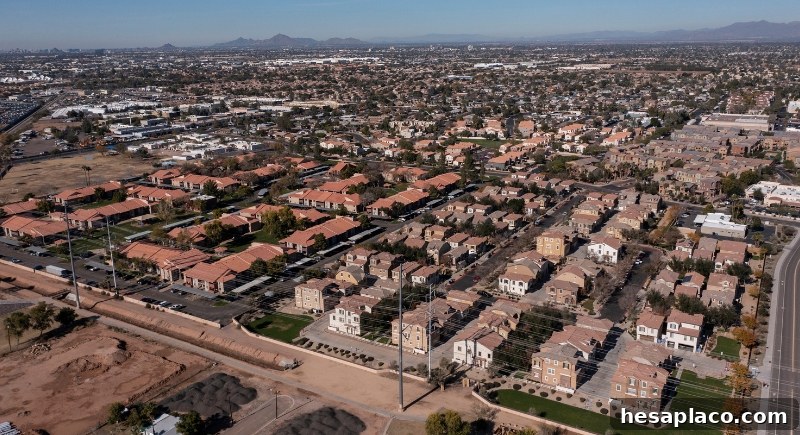
Gilbert, Arizona – $121,351
Credit: Getty Images
Gilbert has moved from a quiet suburb to a booming community as tech and migration from pricier states accelerate demand. Low inventory and rising home values make it harder for long-time residents to remain in place or for first-time buyers to enter the market.
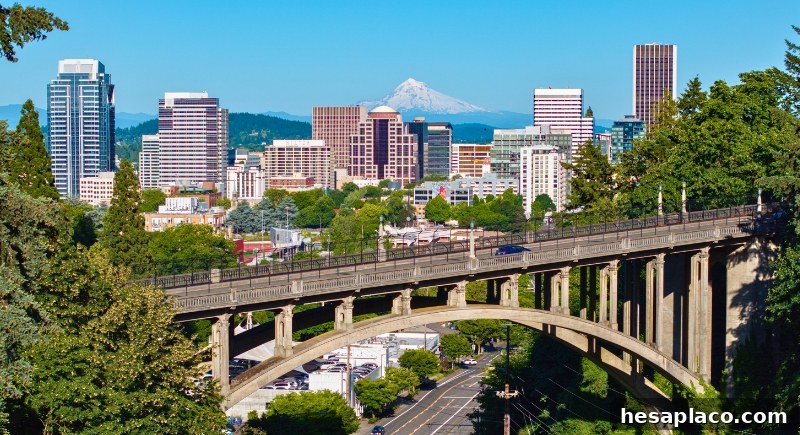
Portland, Oregon – $88,792
Credit: Wikimedia Commons
Portland’s housing demand has outpaced construction for years. Buyers need about $132,502 annually to afford homeownership, while renters require roughly $93,730. An influx of higher-income buyers from other metros has priced many long-term residents out of their neighborhoods.
Reno, Nevada – $78,448

Credit: Getty Images
Reno’s market has tightened as overflow from Northern California increases competition. Buyers typically need about $130,771 annually, renters about $94,008, and mortgage payments average $3,459 monthly—pressures driven by limited buildable land and growing tech and tourism sectors.
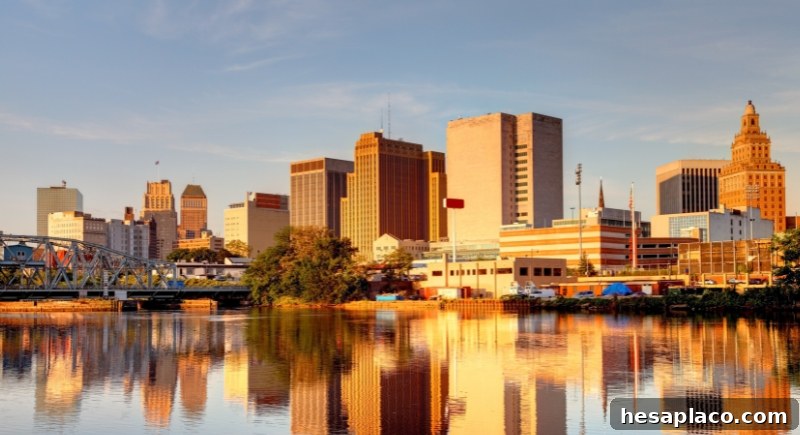
Newark, New Jersey – $48,416
Credit: Getty Images
Redevelopment and investment in Newark have reshaped local markets, contributing to higher rents and sale prices. Many families who once relied on stable, working-class housing now face affordability issues amid changing neighborhood dynamics.
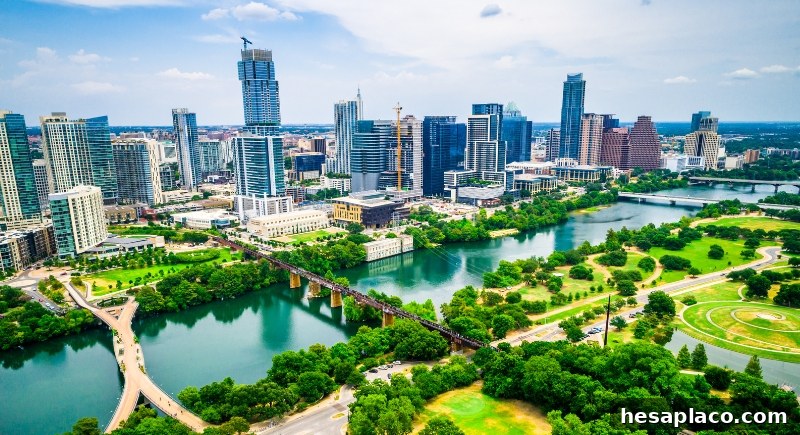
Austin, Texas – $91,461
Credit: Getty Images
Austin’s tech and remote-work boom has driven demand faster than housing supply. Homeowners generally need about $128,812 annually with mortgage payments near $3,341, while renters require incomes just under $89,000—pressures that have pushed many longtime residents out of the market.
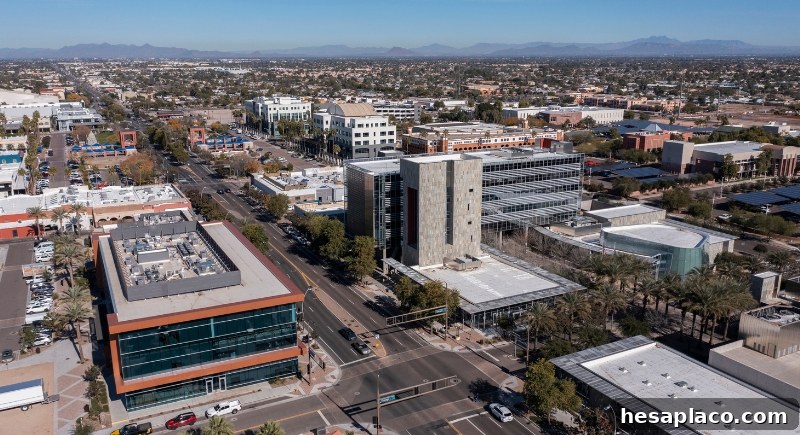
Chandler, Arizona – $103,691
Credit: Getty Images
Chandler has transitioned into a sought-after destination as Phoenix expands. Strong job growth in sectors like healthcare and tech, combined with limited rental stock and rising home values, has made housing access more difficult even for households earning above median incomes.
Henderson, Nevada – $88,654

Credit: Canva
Henderson attracts many relocating residents and retirees, increasing demand and pushing up prices. Homeowners need about $125,550 per year and face monthly mortgage payments around $3,066, while renters are expected to earn approximately $96,462 annually.
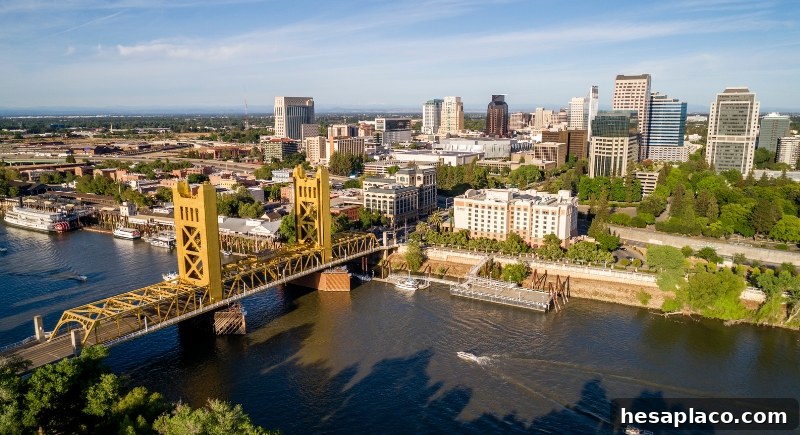
Sacramento, California – $83,753
Credit: Getty Images
Many Bay Area residents have relocated to Sacramento seeking affordability, but rising demand has pushed local prices upward. Housing costs have increased faster than wages, and supply shortages keep pressure on both rental and sale markets.
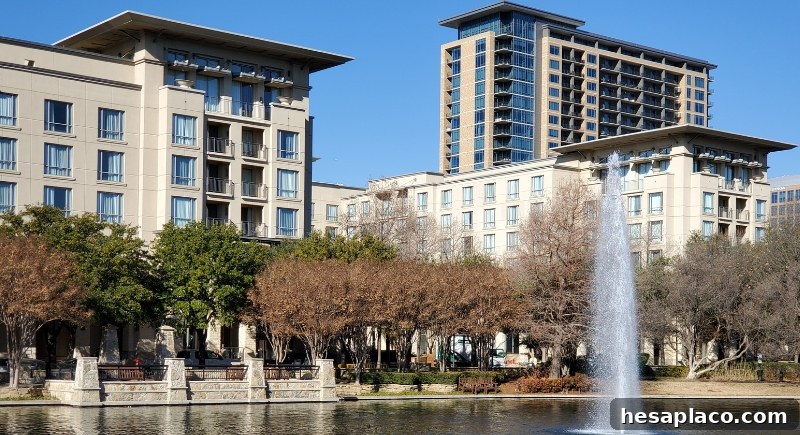
Plano, Texas – $108,649
Credit: Getty Images
Plano’s strong schools and corporate relocations have made it a desirable suburb, pushing homeowner requirements to about $124,171 annually and mortgage payments near $3,168 monthly. Renters typically need just over $90,000, reflecting the broader Dallas-Fort Worth growth trend.
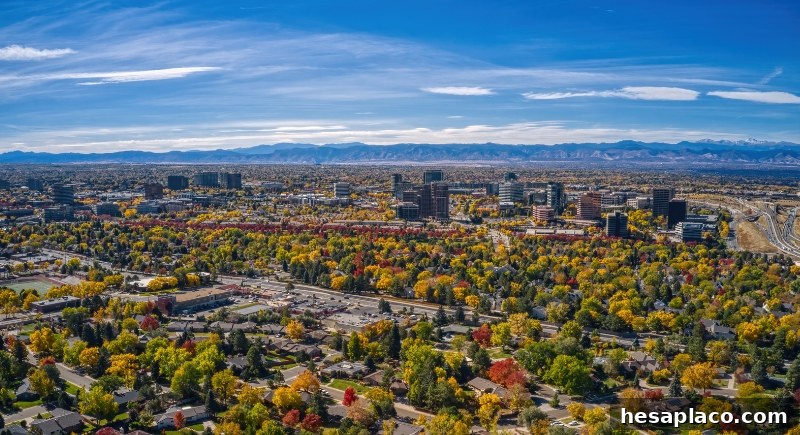
Aurora, Colorado – $84,320
Credit: Getty Images
Aurora’s growth in sectors like healthcare and logistics has outpaced new housing construction. That imbalance has driven prices higher and reduced affordability, even as the city increasingly functions as a regional economic center.
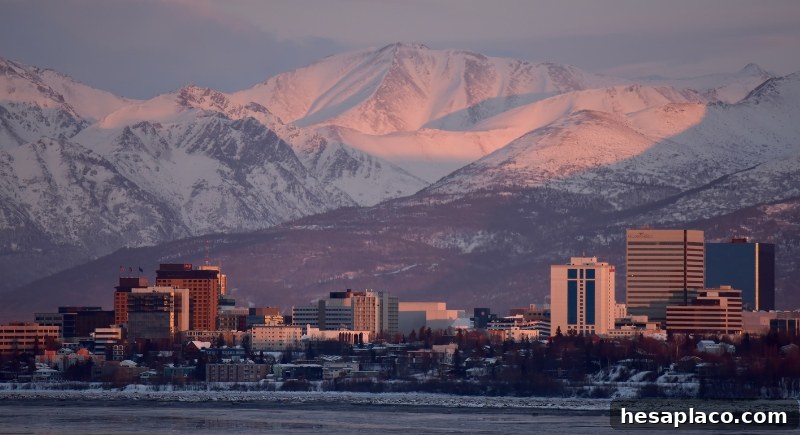
Anchorage, Alaska – $98,152
Credit: Getty Images
Anchorage homeowners typically need $119,409 per year, and renters about $95,527. Limited competition among basic service providers, higher shipping costs, and harsh winters that raise heating and maintenance expenses all contribute to elevated living costs despite the absence of a state sales tax.
Las Vegas, Nevada – $70,723

Credit: pexels
Las Vegas has seen significant investor and out-of-state buyer activity, raising rents and sale prices. Those who relocated to escape higher costs elsewhere may now face bidding wars and shrinking availability, especially for single-family homes.
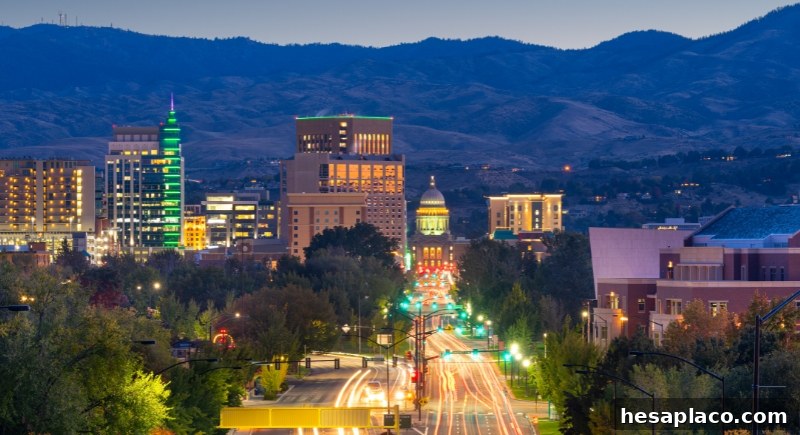
Boise, Idaho – $81,308
Credit: Getty Images
Boise attracted many remote workers for its lower cost of living, but rapid population growth has outpaced construction. Renters need about $88,743 annually and homeowners roughly $117,543, with mortgage payments near $3,009—pressures that have priced out numerous longtime residents.
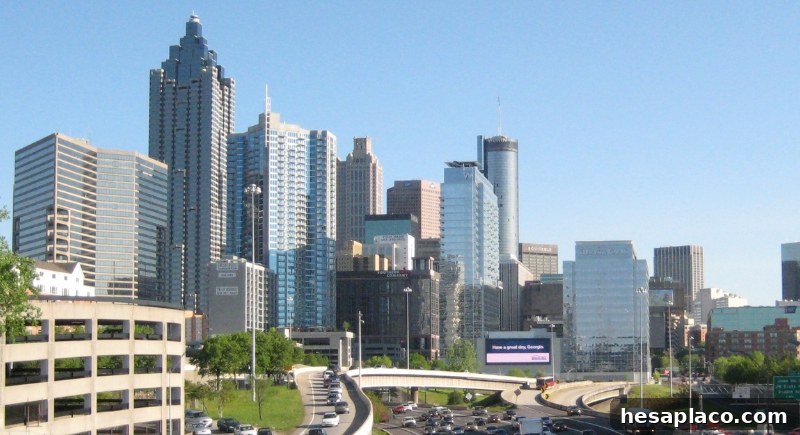
Atlanta, Georgia – $81,938
Credit: Wikimedia Commons
Atlanta’s job growth has attracted newcomers and investment, but affordability has suffered. Property values in many neighborhoods have doubled over the past decade, forcing renters outward and creating fierce competition among buyers even when regional wages lag behind rising home prices.
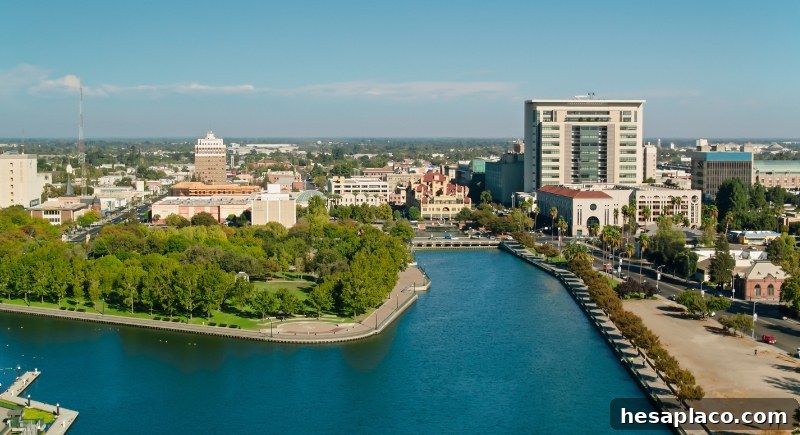
Stockton, California – $76,851
Credit: Getty Images
Stockton has moved from a budget-friendly option to a market facing Bay Area-like pressures. Homebuyers now typically need $117,041 annually, renters about $102,180, and mortgage payments average $2,677 per month—creating affordability concerns for working families.
Nashville-Davidson, Tennessee – $75,197

Credit: Getty Images
Nashville’s growth in tech, healthcare, and entertainment has made it a major draw. However, housing construction has lagged behind demand, driving up prices and reducing rental inventory—so even dual-income households often feel financially squeezed.
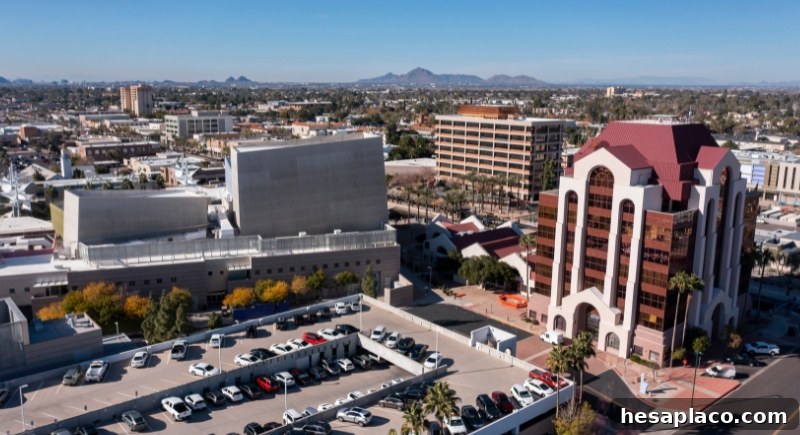
Mesa, Arizona – $78,779
Credit: Getty Images
Mesa has become a destination for buyers priced out of nearby markets. Homeowners typically need about $114,719 annually, renters $89,150, and mortgage payments average $2,704 per month. New construction has not yet eased the intensifying demand.
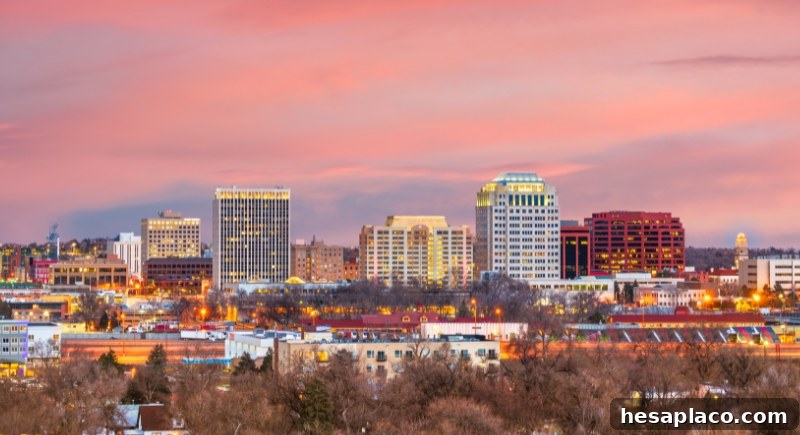
Colorado Springs, Colorado – $83,198
Credit: Getty Images
Colorado Springs draws military families, retirees, and remote workers, but housing supply has not kept pace with demand. Prices continue to climb while local wages lag, and outdoor amenities keep attracting newcomers despite rising costs.
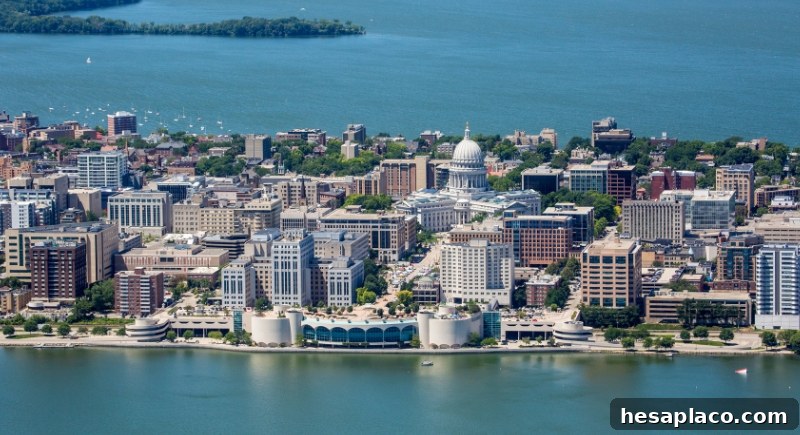
Madison, Wisconsin – $76,983
Credit: Getty Images
Madison’s university and government employment base creates steady housing demand, but inventory growth hasn’t matched need. Homeowners typically require about $113,051 annually, with monthly mortgages near $2,727; renters need around $84,995.
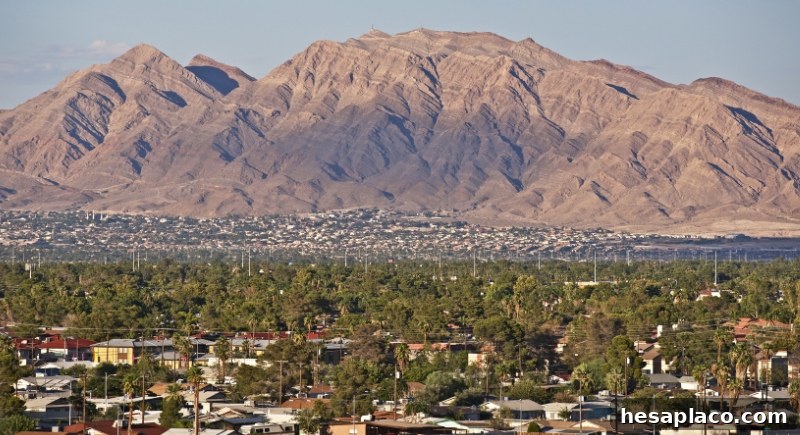
North Las Vegas, Nevada – $76,772
Credit: welcomia
North Las Vegas, once a lower-cost alternative to Las Vegas, has seen rising prices as new residents arrive from more expensive metros. Rapid growth has strained infrastructure and increased pressure on housing stock, making affordability tougher for long-time residents.
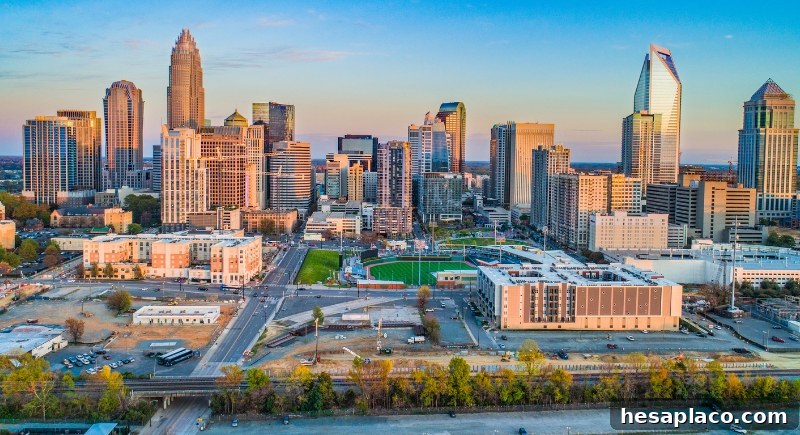
Raleigh, North Carolina – $82,424
Credit: Getty Images
Raleigh’s growth in tech and healthcare has increased demand and raised prices. Buyers often need about $111,817 annually, renters $87,242, and mortgage payments hover near $2,692 monthly. The city’s reputation for affordability has weakened as population and investment grow.
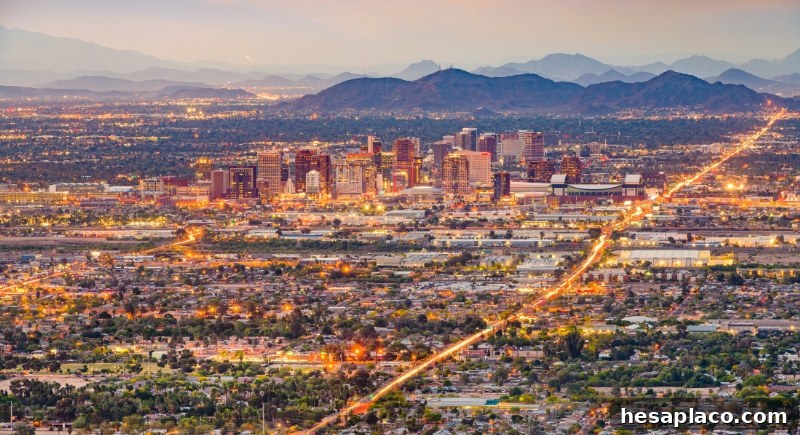
Phoenix, Arizona – $77,041
Credit: Getty Images
Phoenix’s rapid influx of newcomers and investor interest has pushed housing prices up significantly. Limited affordable inventory and concerns like water scarcity are beginning to influence the market, while many locals face longer commutes or are priced out entirely.
Virginia Beach, Virginia – $90,685
Credit: Getty Images
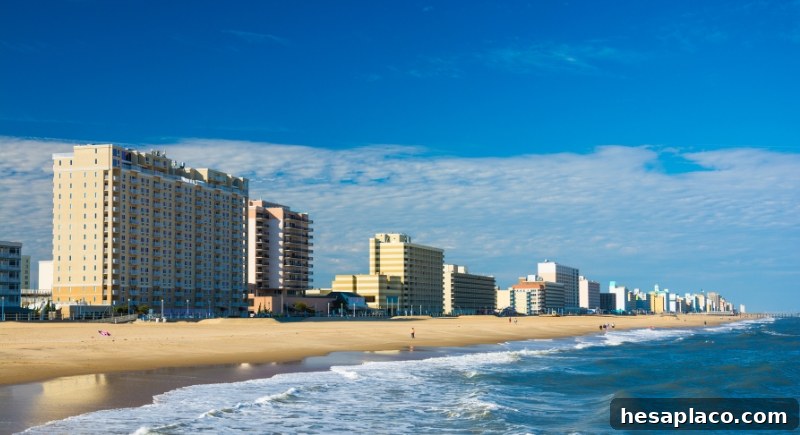
Virginia Beach residents typically need about $110,636 annually to own a home, while renters require around $96,478. Mortgage payments average $2,517 per month. Military demand, limited new construction, and coastal insurance costs contribute to tight housing affordability.
Chesapeake, Virginia – $94,189

Credit: pixabay
Chesapeake has felt the regionwide price surge. A traditionally modest market has shifted, leaving buyers and renters facing higher prices and shrinking inventory while strong schools and quality of life keep demand steady.
Orlando, Florida – $69,268
Credit: Getty Images
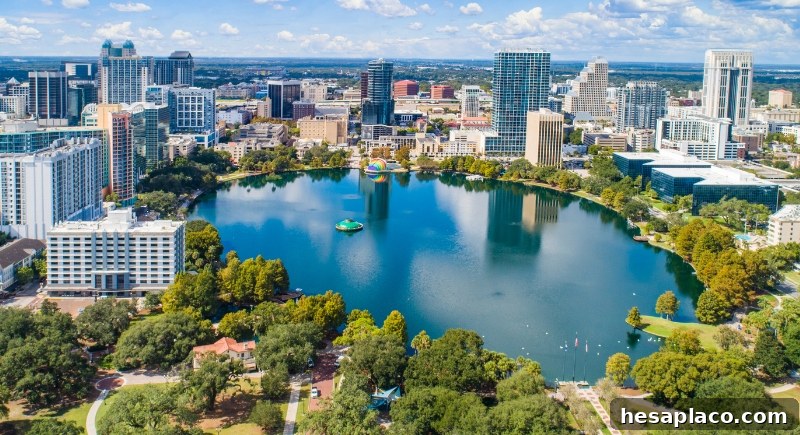
Orlando’s tourism-driven economy has not translated into broadly higher local wages, yet housing costs have risen. Homeowners often need about $109,396 annually and renters roughly $98,885, with average mortgage payments near $2,420 per month.
Glendale, Arizona – $70,139
Credit: Getty Images
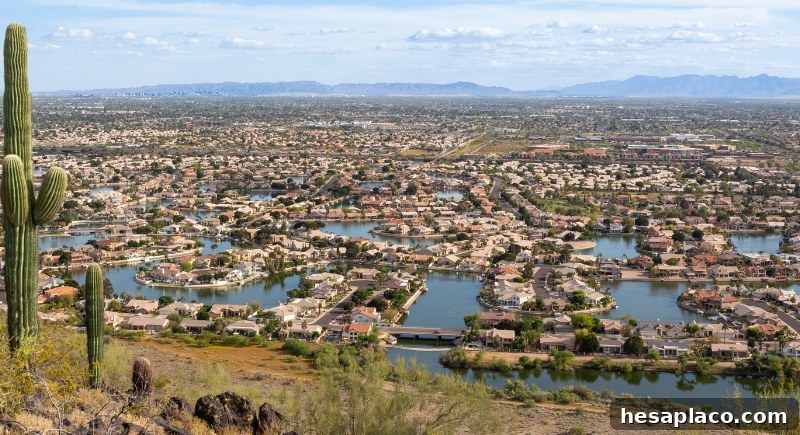
Glendale’s home values have spiked due to limited land, major venues, and proximity to Phoenix. Renters and buyers now face elevated costs, and strong local amenities continue to draw demand despite rising prices.
Tampa, Florida – $71,302
Credit: Getty Images
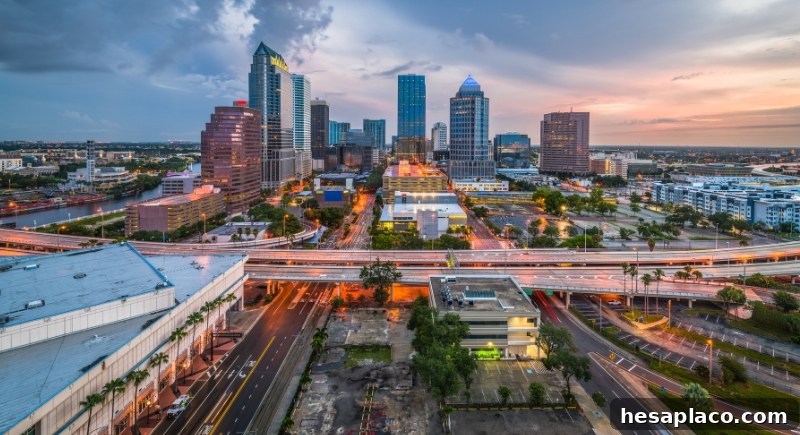
Tampa’s population growth—driven by tax migration and lifestyle appeal—has raised housing costs. Buyers generally need about $107,297 annually and renters around $104,234, with average monthly rents near $2,213. Flood zones and insurance rates also affect affordability in the region.