
Many people envision retirement as a time to relax, travel, and live without constant financial worry. Yet in some states, higher taxes, steep housing costs, and hidden expenses can erode retirement savings faster than expected. Below is a clear look at ten states where retiring can be significantly more expensive due to a mix of taxes, housing-related costs, and regional price pressures.
California Keeps Squeezing Retiree Budgets

Credit: Getty Images
California combines a high top marginal income-tax rate—reaching 13.3%—with very expensive housing markets. While property tax rates are moderate relative to some states, home values push annual housing costs up dramatically. Sales taxes start at 7.25% and local rates can add more. Additionally, homeowners in fire-prone regions often pay elevated insurance premiums. Together, these factors can make it difficult for retirees to stretch fixed incomes, even with careful planning.
Hawaii Has Island Costs and Then Some

Credit: Getty Images
Hawaii’s scenic appeal masks significant ongoing expenses for homeowners. Average annual hidden homeownership costs—including utilities, maintenance, insurance, and property taxes—can be very high. The island location also increases the cost of goods due to shipping and higher fuel prices, while healthcare access in some more remote areas may be limited. These practical realities push monthly living costs well above U.S. averages.
New York Collects Big and Often

Credit: Getty Images
New York’s tax structure produces a relatively high overall tax burden for many residents. State and local taxes have been among the nation’s highest, which can reduce the income available to retirees on fixed budgets. While Social Security and certain pensions receive some tax relief depending on income levels and residency, day-to-day costs and local levies often add up for older adults living in urban and suburban areas alike.
Connecticut Adds Charges Quietly
Credit: iStockphoto
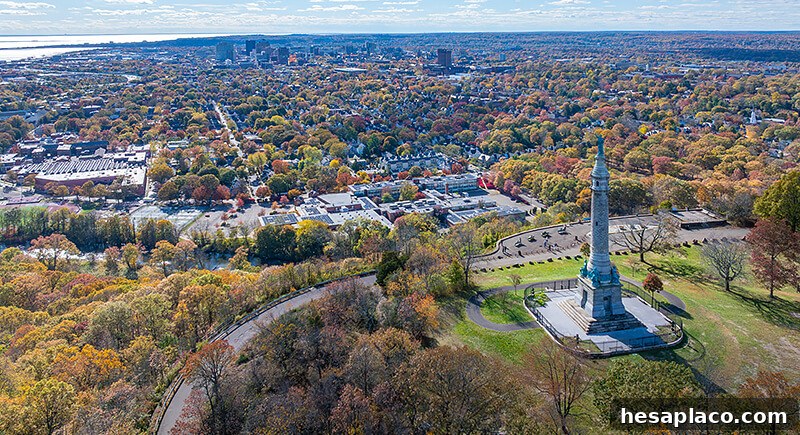
Connecticut can be surprising to retirees because it taxes some retirement income and offers limited exemptions for Social Security depending on total income. The state’s property taxes consistently rank among the highest, and everyday household expenses—like groceries—tend to be above the national average. These relatively high recurring costs make budgeting more challenging for those relying on a fixed retirement income.
New Jersey Is Tough on Housing Costs

Credit: pexels
New Jersey stands out for its high property-tax bills, which can be a major burden for homeowners and retirees. The average property tax payment is among the highest in the nation, making downsizing or aging in place more expensive than in many other states. While there is no separate state estate tax, inheritance taxes and other local levies can still catch families by surprise.
Massachusetts Prioritizes Services, But at a Price

Credit: Getty Images
Massachusetts offers strong healthcare options and many public services, but those benefits come with a higher cost of living. Hidden homeownership expenses—including insurance and energy bills—can push annual housing-related costs up substantially. The state taxes some forms of retirement income, and while certain deductions are available, many retirees still pay state income tax on pensions and retirement account withdrawals.
Vermont Sneaks In More Than Snowfall

Credit: Getty Images
Vermont taxes Social Security for many retirees and treats most other retirement income like regular earned income, which can increase tax bills for those with sizable pensions or withdrawals. The state’s cost of living is relatively high and state and local tax collections per capita are among the higher figures nationally. Vermont’s estate tax threshold can also affect estates at lower levels than the federal estate tax exemption, which matters for estate planning.
Washington Isn’t Tax-Free Once You Own a Home

Credit: Getty Images
Washington draws attention for its lack of a state income tax, which can seem attractive to retirees. However, housing and homeownership costs are high in many parts of the state. Hidden expenses—maintenance, higher utility costs associated with the climate, and insurance—can add up to thousands annually. For homeowners, these recurring costs can offset the benefit of no state income tax.
Maine Charges More Than Expected

Credit: Getty Images
Maine taxes most forms of retirement income other than Social Security up to a top rate, and its estate-tax threshold is lower than federal limits, affecting some estates. The state’s overall tax burden and property-tax levels are relatively high, and the cold climate means older homes often need upgrades for weather resilience—costs that can strain a retiree’s budget.
Alaska’s Remote Reality Costs More

Credit: Getty Images
Alaska’s vast, scenic landscape offers privacy and beauty, but living there carries unique costs. Remote transportation can be expensive, heating fuel tends to cost more in cold months, and groceries and essential goods often have higher prices due to shipping. Healthcare access varies widely by region, and some retirees spend more on travel to reach specialists or visit family. These practical expenses can make day-to-day life significantly costlier than the sticker price on a home or the absence of state income tax.
Choosing a retirement location requires balancing lifestyle preferences with the less visible long-term costs. State tax rules, property taxes, insurance rates, and region-specific expenses like shipping or climate-related maintenance can dramatically affect the sustainability of a retirement budget. Prospective retirees should evaluate both the obvious and hidden costs in any state before making a long-term move.