
This year, selling a home has become more challenging in many U.S. cities. Nationally, home sales are down about 4.3% year over year, and numerous markets now report more than eight months of housing inventory—well above the six-month mark that signals a balanced market. Mortgage rates remain above 6.5%, and rising insurance costs, especially in coastal and high-risk areas, are further pressuring demand. As a result, many sellers are reducing prices and waiting longer for offers.
Below are cities and metro areas where current conditions most favor buyers and where sellers are facing the toughest markets, based on recent local data and market trends.
Miami, Florida
Credit: Canva
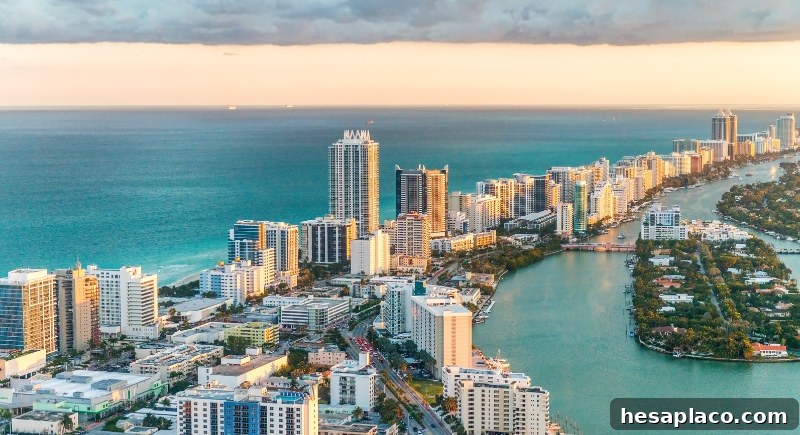
Miami’s condo market is particularly soft, with inventory exceeding eleven months in many neighborhoods. An oversupply of high-rise units, combined with subdued international buyer interest and elevated mortgage rates, has slowed sales in areas like Brickell and Edgewater. Sellers often need to lower prices and exercise patience to find buyers.
Key West, Florida
Credit: Getty Images
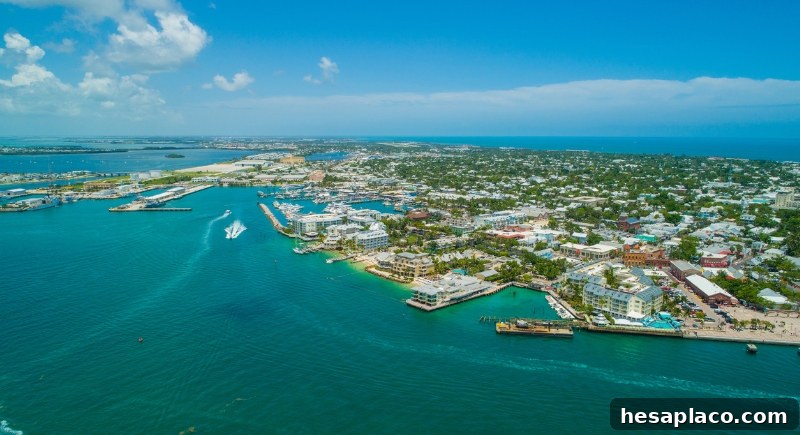
Once a near-guaranteed seller’s market, Key West has cooled significantly. In February 2025, a large share of homes sold below asking price as tourist-driven and second-home demand diminished. Many sellers must decide between cutting prices or waiting for a thinner pool of buyers.
Rockport, Texas
Credit: Wikimedia Commons
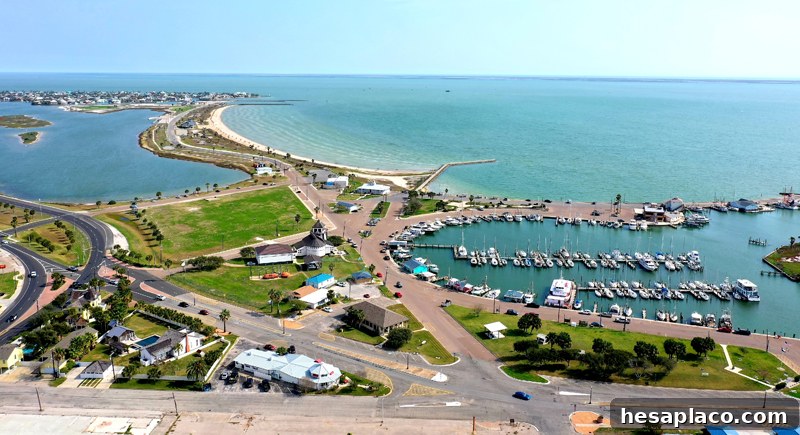
Rockport is experiencing a steep year-over-year decline in median sale prices—more than 25%—driven by higher insurance costs and reduced demand from vacation-home buyers. Local buyers are limited and investor interest has waned, forcing many sellers to accept lower offers or hold listings longer.
Port Lavaca, Texas
Credit: pexels
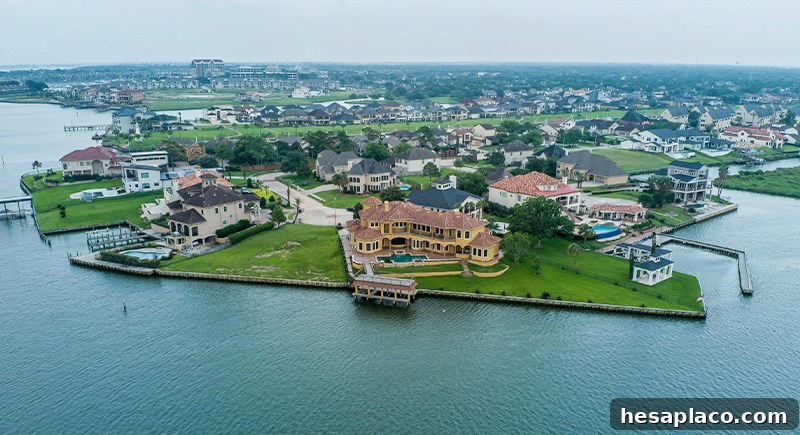
Port Lavaca’s market shows modest but meaningful declines—prices fell roughly 8.3% over a year—and homes are spending more time on the market. Demand is muted, and buyers are more selective, partly because higher rates constrain budgets.
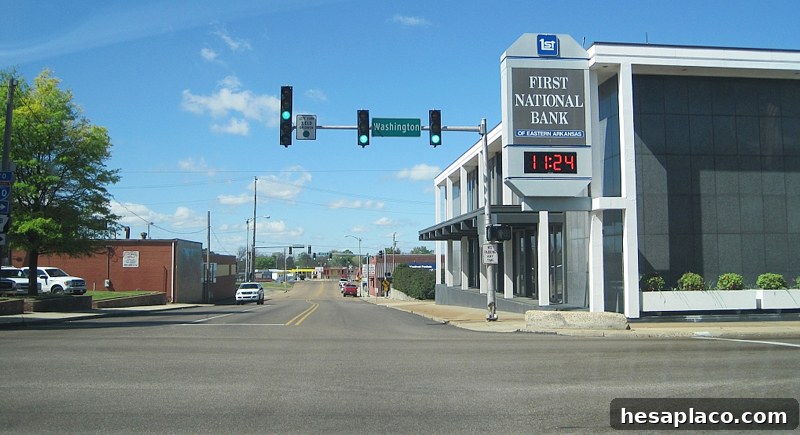
Forrest City, Arkansas
Credit: Wikimedia Commons
Although homes in Forrest City are priced low, that affordability doesn’t translate to quick sales. The median list price has dropped to around $99,000—nearly 40% lower than the prior year—while local job weakness and tighter lending conditions reduce the pool of qualified buyers.
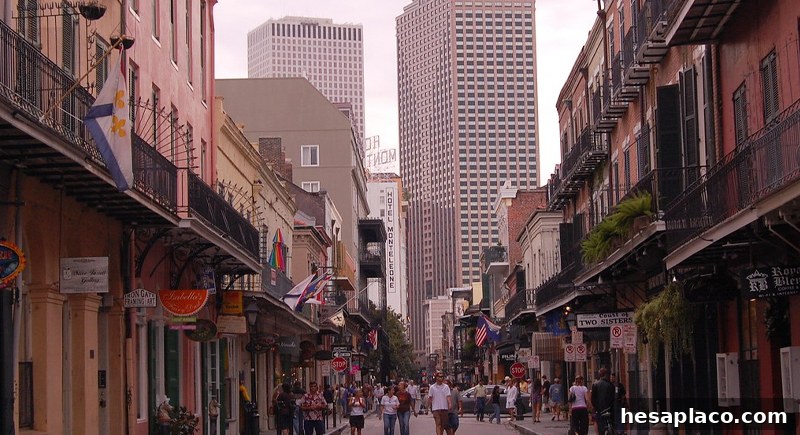
New Orleans, Louisiana
Credit: flickr
Rising insurance premiums and increasing carrying costs are deterring buyers in New Orleans. Many properties remain unsold for extended periods, even in desirable neighborhoods such as the Garden District, as buyers weigh higher ongoing expenses alongside elevated interest rates.
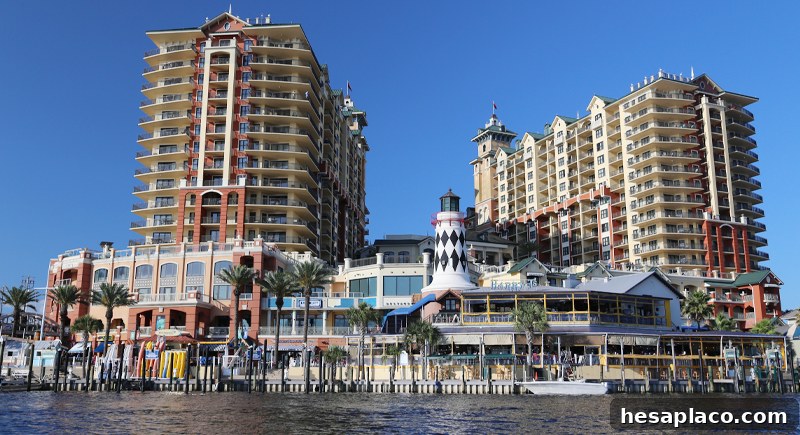
Crestview, Florida
Credit: Wikimedia Commons
Crestview’s market has softened; prices are down about 3% year over year and days on market have increased. While not dramatic, the shift is notable in a region where sellers recently held the advantage—buyers now have more negotiating power and more time to decide.
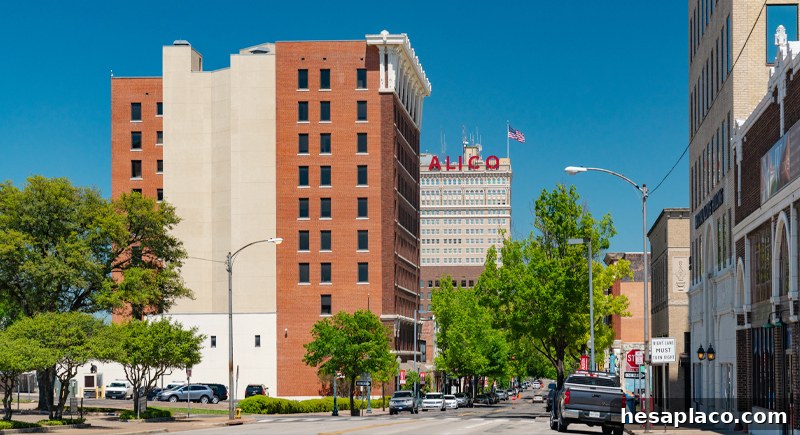
Waco, Texas
Credit: Wikimedia Commons
Waco’s median home price was around $255,000 in March 2025. Although relative affordability remains compared with larger metros, price softening and fading buyer enthusiasm—once driven by media attention and renovation-focused trends—mean sellers may face lower offers and longer listing periods.
Naples, Florida
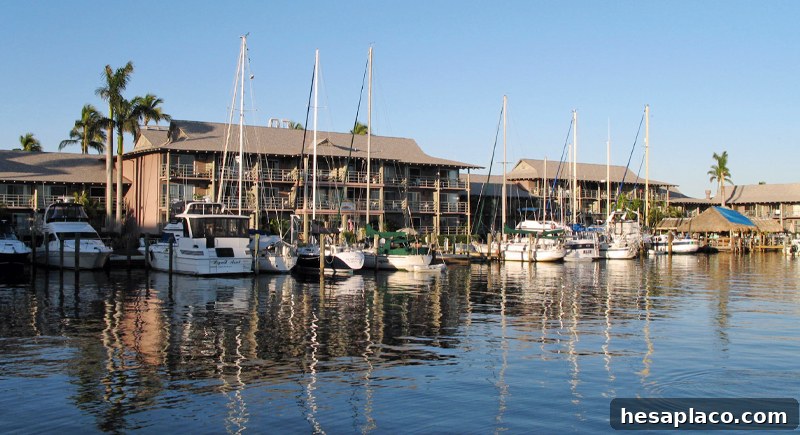
Credit: Wikimedia Commons
Naples experienced a sizable inventory increase in early 2025, particularly in the luxury segment. Higher insurance and carrying costs have reduced buyer urgency, leaving sellers to contend with longer time on market and more frequent price adjustments.
Charlotte, North Carolina
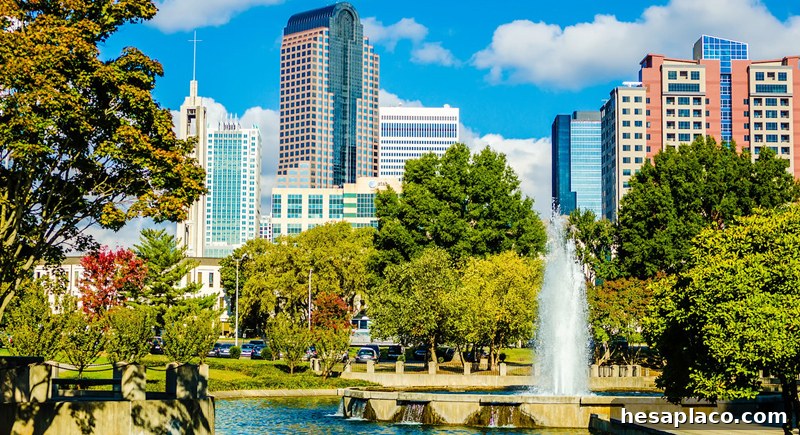
Credit: flickr
Charlotte’s housing market has shifted from its reputation as an inexpensive growth hub. Home prices now sit modestly above the national median, and affordability pressures have cooled buyer demand. Rising inventory and hesitation among buyers are lengthening selling timelines.
Washington, D.C.

Credit: Wikimedia Commons
Economic uncertainty and federal workforce changes have made buyers more cautious in the nation’s capital. Even sought-after neighborhoods are experiencing slower activity as prospective buyers delay decisions amid job-market concerns and tighter lending conditions.
Atlanta Suburbs, Georgia
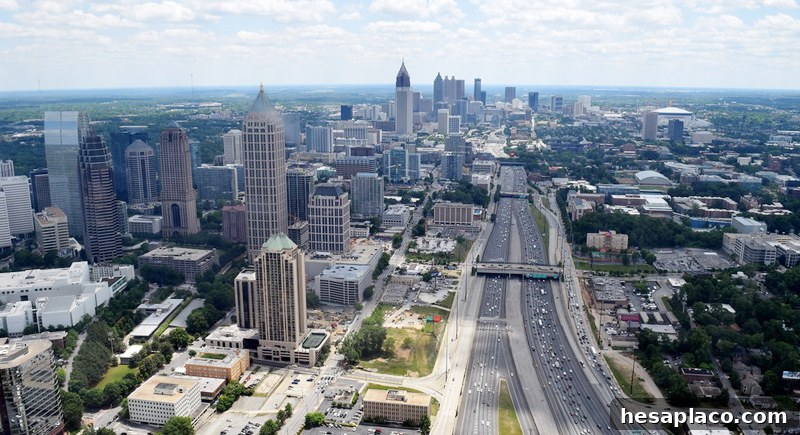
Credit: flickr
Outside Atlanta’s core, suburban markets now show rising inventory and slower demand. Higher interest rates are deterring first-time buyers, and shifting remote-work patterns are altering relocation decisions. Even historically strong suburbs like Alpharetta and Marietta are seeing longer selling cycles.
San Francisco, California

Credit: Wikimedia Commons
San Francisco faces several structural headwinds: high construction and development costs, strong local opposition to new projects, and fewer relocations driven by tech employers. These factors, along with already steep prices, have cooled buyer activity and made it harder for sellers to move properties quickly.
Austin, Texas

Credit: Wikimedia Commons
After rapid pandemic-era gains, Austin’s market has shown signs of cooling. Forecasts that anticipate price corrections over the coming years have made some buyers wait for better deals, contributing to longer listing times and increased negotiation leverage for purchasers.
Cape Coral–Fort Myers, Florida
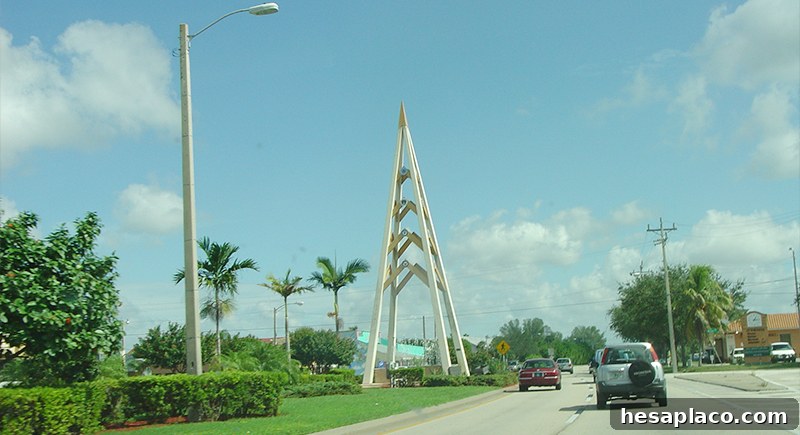
Credit: Wikimedia Commons
Cape Coral–Fort Myers is underway in a notable slowdown. Elevated inventory and growing concerns about property risk from climate events have reduced buyer demand, prompting a market correction where sellers face longer timelines and greater competition.
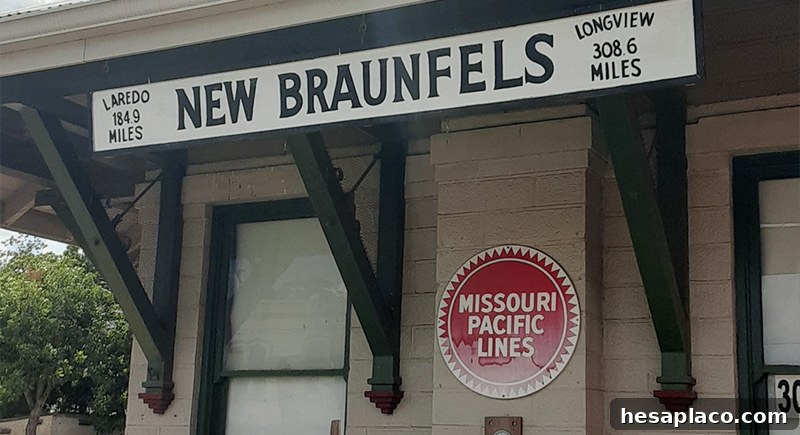
San Antonio–New Braunfels, Texas
Credit: Wikimedia Commons
San Antonio–New Braunfels has returned to a more buyer-friendly stance, with inventory roughly 46.6% above pre-pandemic levels. Although price growth has been modest, the abundance of available homes has slowed sales, increased days on market, and led to more frequent price reductions.
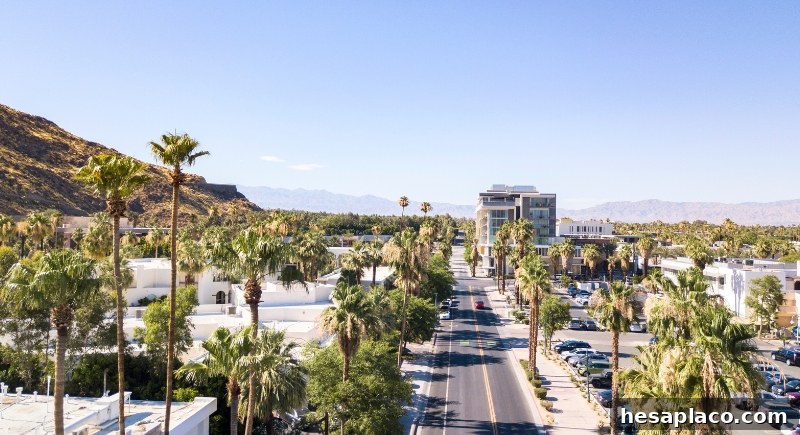
Palm Springs, California
Credit: Getty Images
Palm Springs has seen cooling as the short-term rental market reaches saturation. Local ordinances limiting short-term rental licenses and a retreat in investor demand have added supply to the market. With inventory rising, sellers often need to reduce prices to attract full-time residents rather than investors.
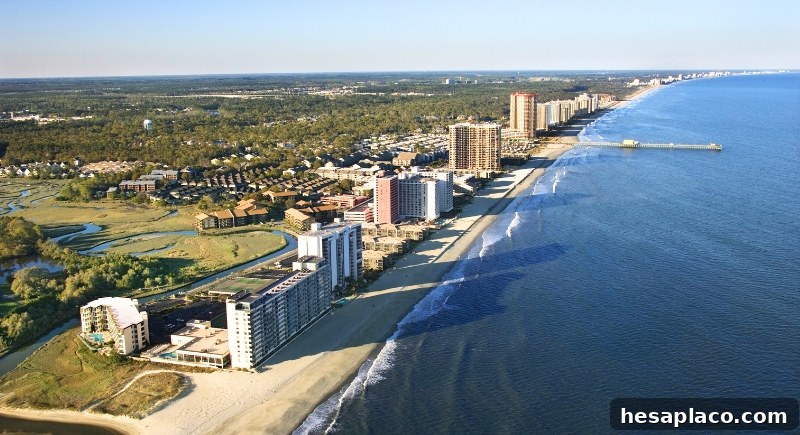
Myrtle Beach, South Carolina
Credit: Canva
Myrtle Beach’s market has been impacted by soaring HOA fees, higher insurance premiums, and rising special assessments for building repairs in many condo complexes. These added costs make financing and ownership less attractive, prompting buyers to stay away and leaving numerous units vacant for extended periods.
Across these diverse markets, common themes emerge: higher mortgage rates, elevated insurance and carrying costs, rising inventory in some areas, and shifting buyer preferences. Sellers in affected cities will likely need to price competitively, improve property condition and marketing, and allow more time for a successful sale.