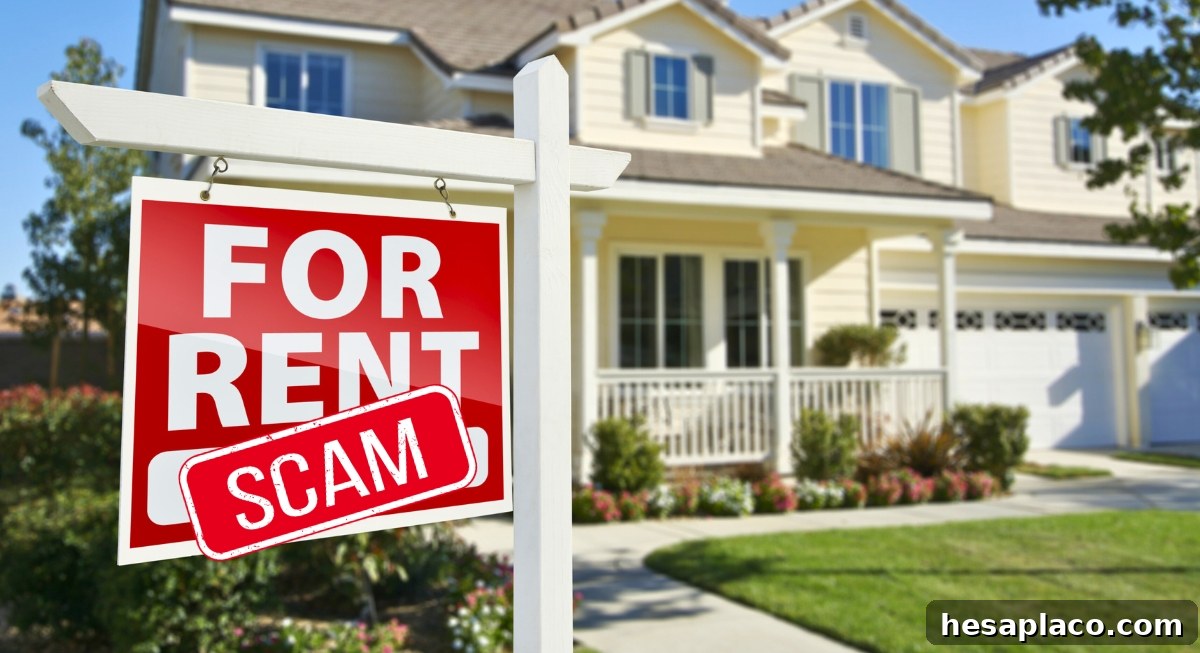
Rental scams are more common than many people realize. In the U.S., millions of renters have lost money to fake listings, phantom landlords, and high-pressure tactics that appear legitimate until it’s too late. Scammers target people who are desperate for housing, but recognizing common red flags can protect both your finances and your peace of mind.
Below are the most frequent rental scams and practical tips to avoid them.
Don’t Be Lured by a Luxury Loft Listed for Much Less

Credit: Canva
When a high-end unit appears at a fraction of the market rate, beware. Scammers exploit rising rent anxiety and limited supply to draw clicks. If the price seems unrealistically low, stop and verify the listing before contacting anyone or sending money.
Seen That Listing Before? It Might Be Stolen
Credit: Getty Images
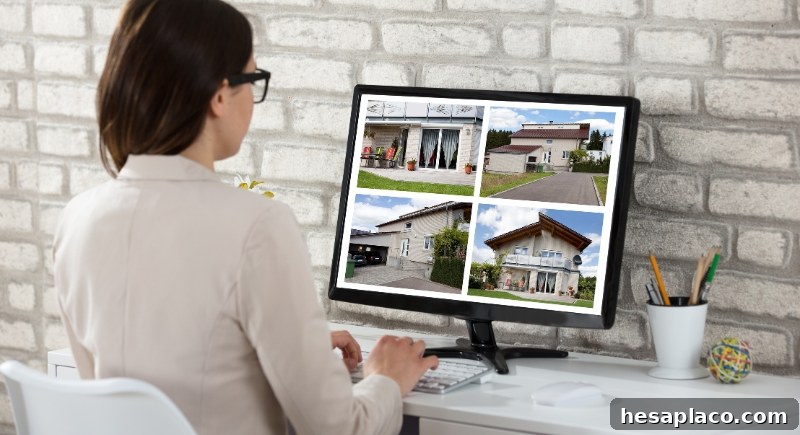
Always reverse-image search photos and verify addresses. Many scammers copy real listings, replace the contact details, and repost them elsewhere. If you respond thinking you’re first, you may actually be answering a fraudulent repost that’s already deceived others.
“I’m Overseas” Is a Common Excuse

Credit: pexels
Scammers often claim to be abroad or unavailable to show the unit, then ask for a deposit remotely. Legitimate property owners or managers arrange viewings through agents or trusted representatives; they don’t demand money before a tour or a verified representative is involved.
Urgency Is a Pressure Tactic—Treat It as a Warning
Credit: pexels
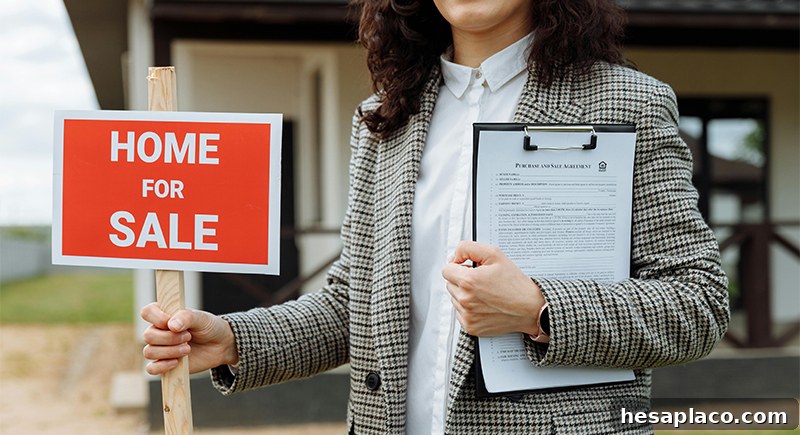
Statements like “multiple people are interested” or “you must act now” are meant to rush you into skipping due diligence. Renting is a legal process that requires time to review documents and ask questions. If you’re feeling rushed, pause and double-check everything.
Refuse to Pay Without a Tour, Lease, or Paper Trail

Credit: Getty Images
Scammers often insist on payment before you’ve seen the property or signed any documents. A legitimate rental involves a tour, clear paperwork, and a reasonable time to review the lease. If a prospective landlord demands money first with no written agreement, walk away.
Beware of Requests for Bitcoin, Gift Cards, or Wire Transfers

Credit: Canva
Scammers prefer untraceable payment methods. If someone demands rent via crypto, prepaid cards, or a nonstandard wire transfer, you’ll have little to no recourse if the arrangement is fraudulent. Real landlords typically use secure rental platforms, checks, or standard bank transfers that create a record.
Don’t Pay to Get a List or Access

Credit: Getty Images
Old-fashioned scams once charged for printed lists of “exclusive” rentals; today those schemes operate online. Scammers may ask for a fee for access to listings that don’t exist. You should not have to pay to look at available rentals—be skeptical of anyone who asks for money upfront just to see options.
Watch Out for Overpayment Scams

Credit: Canva
An overpayment scam often starts with a bogus check for an amount larger than agreed. The sender asks you to return the difference. When the original check bounces, you are left responsible for the refunded funds. Always wait for your bank to confirm a check has fully cleared before sending any money back to anyone.
Be Careful with Credit-Check Links
Credit: Getty Images
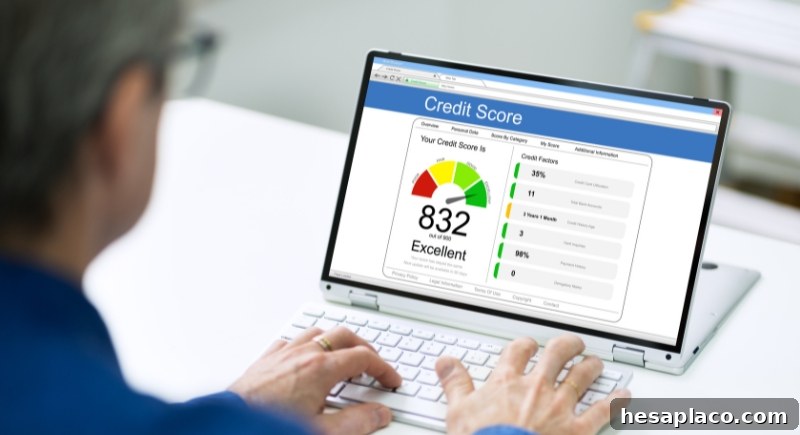
If a landlord directs you to an unfamiliar credit-check portal, proceed with caution. Fraudulent sites harvest Social Security numbers, addresses, and employment details. Only run background or credit checks through reputable providers, and only after you’ve verified the property and the person requesting the check.
Bait-and-Switch Happens in Rentals Too

Credit: pexels
Some scammers will show a desirable unit, then claim it’s no longer available and push a lower-quality alternative while pressuring you to sign quickly. Always insist on viewing the exact unit you will rent and verify that the lease matches the space you toured.
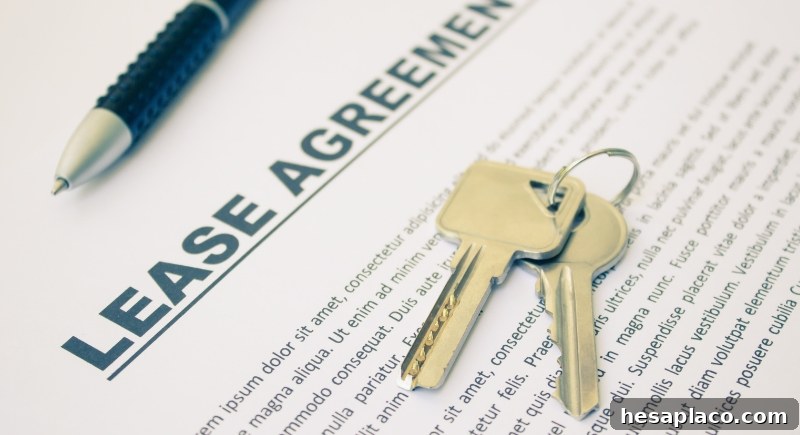
A Lease Can Look Genuine and Still Be Fake
Credit: Getty Images
Scammers can produce polished-looking leases using stolen templates or fake details. A professional-looking document doesn’t guarantee legitimacy. Verify property ownership through public records or the county assessor’s office before signing and handing over any funds.
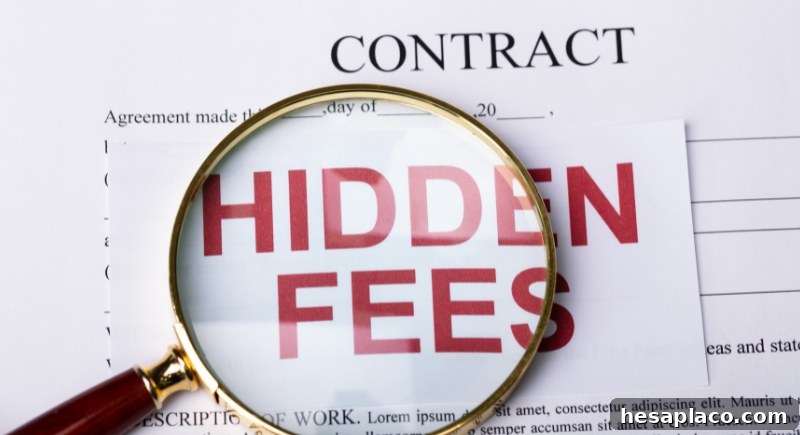
Unexpected Fees Can Reveal Dishonesty
Credit: Getty Images
Watch for fees that appear only after signing: trash collection, key deposits, or recurring maintenance charges can be added later to increase your cost. Read your lease carefully, ask direct questions about all charges, and decline offers where the total keeps changing.
Anyone Can Call Themselves a Property Manager—Verify Credentials

Credit: Getty Images
Unlicensed managers may appear confident and professional while running scams. They might show business cards or badges, but credentials matter. Check your state’s real estate commission or licensing database—if a manager or agent isn’t listed, consider that a major red flag.
Some Listings Exist Only to Steal Personal Data

Credit: Getty Images
If a listing requests your full Social Security number, driver’s license, or bank account details right away, that’s likely phishing. Share sensitive information only after confirming the landlord’s identity, the property’s existence, and a legitimate reason for the request.
Multiple People Claiming the Same Unit Means Trouble

Credit: Canva
One of the most damaging scams involves a single listing that collects deposits from multiple renters. Scammers vanish after collecting funds, leaving several victims and chaotic scenes when renters arrive to move in. Always confirm ownership and insist on a signed lease before transferring any deposit.
“Pre-Screening” Can Be a Way to Steal Identities

Credit: iStockphoto
Some scammers ask for quick “pre-screening” details—Social Security numbers, driver’s license scans, or credit checks via sketchy links—before scheduling a viewing. After you provide the data, the listing disappears. The true objective is identity theft, not renting.
AI-Generated or Edited Video Tours Can Be Deceptive

Credit: pexels
Advances in technology have enabled scammers to create convincing video tours that resemble legitimate walkthroughs. Some videos are edited or created with AI to validate fake listings. By the time renters ask detailed questions, scammers may already have taken deposits. If a video tour raises doubts, request an in-person viewing or a live video call showing real-time details of the unit.
In sum, stay vigilant: verify listings, confirm ownership through public records, insist on proper documentation and in-person or live verification, use traceable payment methods, and never share sensitive identification information until you’re certain the rental and the person requesting it are legitimate. These steps greatly reduce the risk of becoming a victim of rental fraud.